
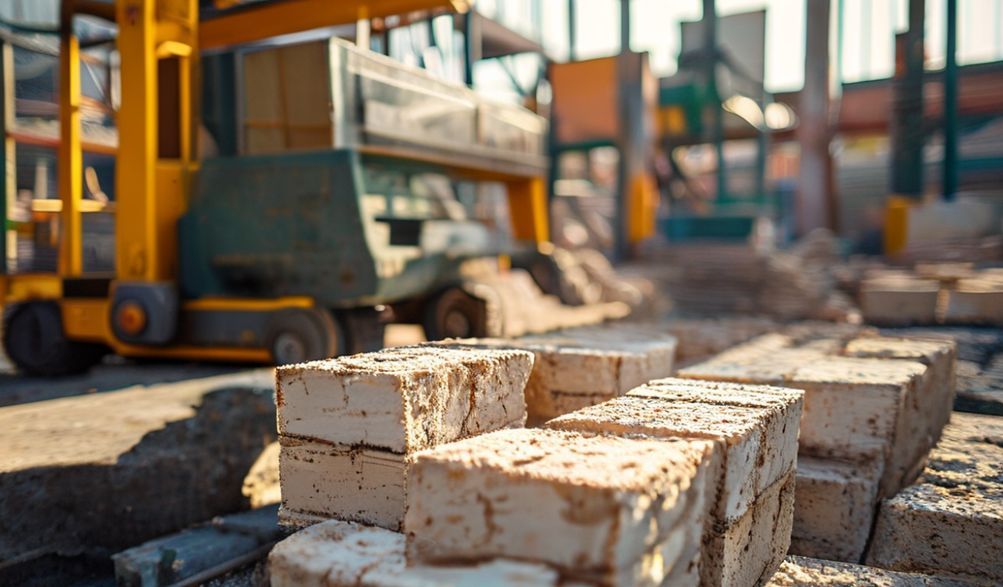
Your Ultimate Guide to Finding the Right Block Machine for Sale in South Africa
Introduction
South Africa’s construction sector is a cornerstone of its economic development, with the demand for affordable housing and infrastructure continuing to drive growth. For builders, contractors, and entrepreneurs, this presents a significant opportunity. One of the most impactful investments to capitalize on this demand is in block making machinery. However, navigating the market for a block machine for sale in South Africa can be daunting, with varying types, costs, and suppliers.
This guide is designed to cut through the noise. As a comprehensive, unbiased resource, it draws on industry knowledge and practical considerations to help you make an informed decision. We acknowledge that purchasing a block machine is a major financial commitment. Our goal is not to sell you a specific brand, but to equip you with the clear, factual information needed to evaluate your options, understand key cost factors, and identify the right machine for your specific project or business goals. Let’s build that knowledge from the ground up.
Understanding Block Machines and Their Importance in SA Construction
Before diving into the market, it’s crucial to understand the tool at the heart of this discussion and why it’s so vital for the local building industry.
What is a Block Making Machine?
A block making machine is a mechanical device designed to manufacture construction blocks—such as hollow blocks, solid blocks, pavers, and kerbstones—by compacting a mixture of cement, sand, stone dust, and water into a mould under high pressure and vibration. The core process transforms raw materials into standardized, durable building components, with machines ranging from simple hand-operated units to fully automated production lines.
The Role of Block Machines in South Africa’s Building Sector
The relevance of this machinery in South Africa cannot be overstated. It directly addresses several national priorities and market realities:
- Addressing Housing and Infrastructure Demands: From government-led RDP housing projects to private commercial developments, the need for consistent, affordable building materials is immense. On-site or localised block production helps meet this demand efficiently, reducing project delays.
- Promoting Local Manufacturing and Job Creation: Investing in a block machine fosters entrepreneurship and supports local manufacturing. A single operation can create jobs not only in machine operation but also in raw material supply, logistics, and sales, contributing to community economic development.
- Achieving Cost-Effectiveness: Transporting heavy bricks over long distances is a major cost driver. Producing blocks directly at or near the construction site slashes logistics expenses, making projects more viable and profitable. It also gives builders greater control over material quality and supply timelines.
Types of Block Machines Available in South Africa
The South African market offers a spectrum of machines to suit different scales of operation. Your choice here will fundamentally shape your production capacity, labour needs, and initial investment.
Manual Block Machines
Often the entry point into the industry, manual machines are operated purely by human force, using a lever to compact the concrete mix.
- Ideal For: Small-scale projects, home builders, startups with limited capital, and producing specialty or low-volume blocks.
- Pros:
- Low Initial Cost: The most affordable option on the market.
- Low Maintenance: Simple mechanics mean fewer things can go wrong.
- Portability: No need for power, so they can be used anywhere.
- Cons:
- Lower Output: Production is slow and physically demanding.
- Labour-Intensive: Requires consistent physical effort, limiting sustained production runs.
- Inconsistent Quality: Output quality can vary more with the operator’s technique.
Semi-Automatic Block Machines
This category strikes a balance, using electric or diesel power to handle the critical vibration and compaction processes, while an operator handles feeding and block removal.
- Ideal For: Growing small to medium businesses, contractors supplying several sites, and entrepreneurs serious about block production as a business.
- Key Features & Output: These machines feature an electric motor driving a vibration system for excellent compaction. Output can range from 500 to 2,500 blocks per 8-hour shift, depending on the model and crew size.
- Considerations: They require a power source (three-phase electricity is common) and more space than manual machines, but offer a significant leap in productivity and block consistency.
Fully Automatic Block Machines
At the top end are fully automatic block making plants. These are computer-controlled (often with PLC systems) and integrate mixing, conveying, moulding, curing, and stacking with minimal human intervention.
- Ideal For: Large-scale commercial production for supplying construction companies, municipalities, and large retailers.
- Key Features: High output (thousands of blocks per hour), exceptional consistency, and reduced direct labour costs. They often include pallet feeders and stackers.
- Investment & Space: This is a major industrial investment requiring significant capital, a large, prepared yard, and reliable three-phase power. The return comes from massive, efficient volume production.
Mobile Block Machines
A versatile sub-category, these are block machines mounted on a trailer chassis.
- Ideal For: Projects where the build site changes frequently. A contractor can drive the machine directly to a new housing development or remote site.
- The Core Benefit: It eliminates block transport costs entirely. Raw materials are delivered to the site, and blocks are produced exactly where they will be used. This is a game-changer for projects in areas with poor road infrastructure or high transport fees.
Key Factors to Consider Before You Buy
Choosing the right machine is more than just picking a type. These practical factors will guide you to a decision that aligns with your long-term goals.
Assessing Your Production Needs
Be brutally honest about your required output. Ask yourself:
* Are you supplying a single project or running a continuous business?
* How many blocks do you need per day or per month to meet demand?
* Crucial Tip: It’s often wiser to buy a machine with slightly more capacity than you currently need to allow for business growth, without jumping to an unaffordable, fully automatic system.
Block Types and Sizes
The products you plan to make dictate the machine you need. Ensure the machine comes with, or can be fitted with, moulds for:
* Standard Hollow Blocks (4″, 5″, 6″)
* Solid Blocks
* Pavers (interlocking or standard)
* Kerbstones
* Interlocking bricks for dry-stack construction
The ability to switch moulds and produce multiple products makes your business more adaptable and marketable.
Power Source: Electric, Diesel, or Manual?
Your site conditions determine this.
* Electric: Cleaner, quieter, and generally cheaper to run, but requires a reliable grid connection (often three-phase).
* Diesel: Offers complete independence from the grid, essential for remote sites. However, it has higher running costs, requires fuel storage, and is noisier.
* Manual: No power needed, but as discussed, limits scale.
Quality of Construction & Key Components
Don’t be seduced by price alone. Inspect the build quality:
* Steel Grade & Frame: The frame should be made from robust, reinforced steel to withstand constant vibration.
* Vibration System: This is the heart of the machine. Look for a powerful, well-balanced eccentric shaft system mounted on high-quality bearings.
* Mould Quality: Moulds should be made from hardened, high-carbon steel for longevity and to produce blocks with sharp edges.
After-Sales Support: The Non-Negotiable
This is perhaps the most critical factor for a block machine in South Africa. A machine is a long-term asset.
* Local Service & Spare Parts: Does the supplier have a workshop and technicians in South Africa? How quickly can they deliver common wear parts like moulds, springs, and bearings?
* Warranty: A clear, comprehensive warranty is a sign of a supplier’s confidence in their product.
* Training: Will they provide proper operational and basic maintenance training? A common challenge new operators face is incorrect mix ratios or maintenance neglect, which no machine can overcome.
Navigating the South African Market: Suppliers and Costs
Having a clear map of the market landscape will protect your investment and set realistic expectations.
Overview of the Supplier Landscape
The market consists of both local manufacturers and importers of international brands.
* Local Manufacturers: The advantage here is typically easier communication, quicker service response, and parts manufactured locally. They deeply understand local conditions and material nuances.
* International Brands/Importers: These may offer advanced technology and global brand reputation. However, ensure the local importer has strong technical support capabilities. Spare parts flown in from abroad can mean costly downtime.
* The Verdict: For most buyers, a reputable local supplier with a proven track record offers the best balance of product quality and indispensable after-sales support.
Understanding the Price Range
Prices vary dramatically based on type and capacity. Here’s a realistic bracket (Note: Prices are approximate and subject to market changes):
* Manual Block Machines: From as little as R 15,000 for basic models.
* Semi-Automatic Machines: A robust entry-level model can start from R 80,000, with more advanced models ranging from R 150,000 to R 400,000.
* Fully Automatic Machines: These are serious investments, typically starting from R 500,000 and can run into several million Rand for large production lines.
Cost is influenced by brand reputation, level of automation, output capacity, and the quality of components used.
Red Flags to Avoid When Purchasing
Protect yourself by being wary of:
* Unrealistically Low Prices: If a price seems too good to be true, it almost always is. It likely indicates poor-quality materials or hidden costs.
* Lack of Physical Address or Showroom: A P.O. Box and a mobile number are not sufficient for a major equipment purchase.
* No Warranty or a Vague Warranty: Insist on a written warranty document that clearly states terms and coverage.
* Poor Communication & No References: A reliable supplier will be transparent, answer technical questions, and gladly connect you with existing customers.
Maximizing Your Investment: Tips for Operation and Maintenance
Your machine’s productivity and lifespan depend on how you operate and care for it.
Setting Up Your Block Yard for Efficiency
Plan your layout for a smooth workflow:
1. Raw Material Storage: Keep sand and stone dust undercover to control moisture content.
2. Mixing Area: Position your mixer close to both raw materials and the block machine feeder.
3. Production & Curing Area: Ensure a flat, solid surface for block production and ample space for blocks to cure for at least 7-14 days, protected from direct sun and wind.
4. Finished Product Storage: Organize cured blocks for easy loading and dispatch.
Routine Maintenance Checklist for Longevity
A little regular care prevents major breakdowns:
* Daily: Clean the machine thoroughly after use, especially the mould and vibration table. Check for loose bolts and nuts.
* Weekly: Grease all moving parts and bearings as per the manual. Inspect the vibration motor mounts.
* Monthly: Check the condition of the mould for wear and tear. Inspect electrical connections (if applicable).
Sourcing Quality Raw Materials in SA
The best machine cannot make good blocks from poor materials.
* Use clean, well-graded plaster sand or crusher sand.
* Ensure your stone dust is free of clay or organic material.
* Always use fresh, reputable-brand cement (e.g., PPC, AfriSam, Lafarge) and store it in a dry place.
* Pro Tip: Test different mix ratios (e.g., 1 part cement to 6 parts aggregate) and water content to find the perfect combination for your machine and desired block strength.
Basic Troubleshooting for Common Issues
- Blocks Breaking Easily: Usually caused by incorrect water-cement ratio (too much or too little water) or insufficient compaction/vibration time.
- Blocks Sticking in the Mould: The mould may need cleaning or a light application of release oil. The concrete mix may be too wet.
- Poor Surface Finish: Often due to a worn-out mould or an overly dry mix.
Frequently Asked Questions (FAQ) About Block Machines in South Africa
Q: What is the average cost of a block machine in South Africa?
A: There’s no single “average” due to the wide range. Manual machines start around R15,000, semi-automatic from R80,000, and fully automatic plants from R500,000 upwards. Your budget must align with your production goals.
Q: Can I get a loan or financing for a block making machine?
A: Yes. Many suppliers offer in-house financing plans. Alternatively, commercial banks and development finance institutions (like the IDC or SEFA) may consider loans for viable business plans, especially those aligned with job creation and housing.
Q: How much profit can I make from a block making business?
A: Profitability depends on scale, efficiency, material costs, and local market prices. A well-run semi-automatic operation can see healthy margins by controlling costs and securing steady contracts. A detailed business plan factoring in all expenses is essential.
Q: What is the most reliable type of block machine for a beginner?
A: A robust semi-automatic machine is often the most reliable starting point for a serious beginner. It offers a significant productivity boost over manual machines without the extreme complexity and cost of a full automatic system. It allows you to learn the trade while building a customer base.
Q: Where can I find training on operation and maintenance?
A: Reputable suppliers should provide basic training. For formal qualifications, look into courses at Technical and Vocational Education and Training (TVET) colleges. Industry associations like the Concrete Society of Southern Africa also offer resources and seminars.
Conclusion
Finding the right block machine for sale in South Africa is a process that hinges on careful self-assessment and diligent research. The key is to meticulously match the machine’s type, capacity, and cost to your specific production needs, budget, and long-term business vision. Remember, the cheapest upfront option is not always the most cost-effective in the long run when considering output, durability, and support.
We encourage you to use this guide as a framework. Visit potential suppliers, inspect their machines in person, and—most importantly—ask for and contact references from their existing customers. There is no better insight than speaking to someone who is already operating the machine you are considering.
By arming yourself with this knowledge, you are taking the first and most important step toward a sound investment. This investment is not just in a piece of machinery, but in your own capability to contribute meaningfully to South Africa’s built environment, its economy, and your own entrepreneurial future.