
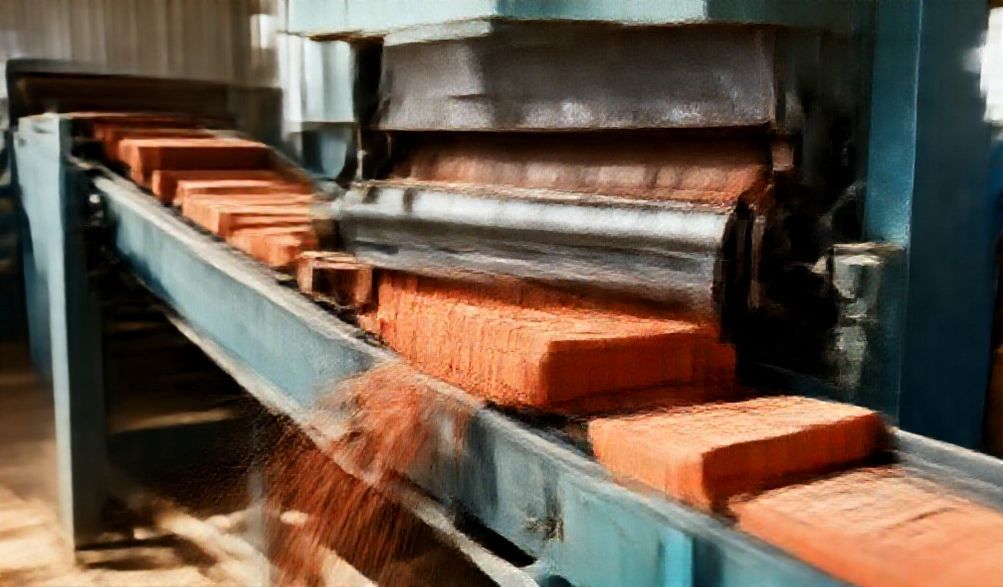
Your Guide to a Quality, Cheap Brick Making Machine in South Africa | Insights from FUDA Factory
In South Africa’s dynamic construction landscape, from ambitious infrastructure projects to essential housing developments, the demand for reliable, affordable building materials is constant. For entrepreneurs, contractors, and developers, a brick making machine represents a powerful engine for growth and self-sufficiency. However, the search for a “cheap brick making machine” is often fraught with risk, where a low upfront price can mask a high long-term cost.
This guide, informed by the engineering principles and market experience of FUDA Brick Making Factory, is designed to steer you through the South African market. We will move beyond mere price tags to explore how to identify machinery that delivers genuine economy through durability, efficiency, and robust local support. Let’s ensure your investment builds a profitable future, one quality brick at a time.
Understanding “Cheap” vs. “Cost-Effective” in Brick Machinery
The first and most critical step is to redefine what “cheap” means in the context of industrial equipment. In brick making, the cheapest option off the shelf is rarely the most economical over time.
The True Cost of a “Cheap” Machine
A machine with an attractively low price point often compromises on critical aspects. These hidden costs can quickly erode your profits:
- Frequent Breakdowns: Inferior components and poor assembly lead to unscheduled downtime, halting production and delaying projects.
- High Maintenance Costs: Constant repairs and part replacements become a recurring expense, draining your operational budget.
- Poor Quality Output: Inconsistent brick density, size, or finish leads to high rejection rates, wasting raw materials and labor.
- Lack of Technical Support: When the machine fails, a lack of local service or spare parts can leave you stranded for weeks.
Defining Cost-Effectiveness for South African Operations
True value is measured over the entire lifespan of the machine, especially in the South African context. A cost-effective machine provides:
- Durability Under Local Conditions: Built to withstand local climate variations, dust, and rigorous daily use.
- Energy Efficiency: Crucial in an era of load-shedding. Machines with efficient hydraulic systems or hybrid options can reduce operational costs.
- Low Cost of Ownership: Affordable and readily available wear parts (like moulds and seals) keep long-term maintenance predictable.
- Production Consistency: Reliable output ensures you meet project specifications and deadlines, protecting your reputation.
FUDA’s Philosophy on Value Engineering
At FUDA, “cheap” is engineered as long-term affordability. This is achieved through Value Engineering:
* Strategic use of high-grade materials in high-stress areas (like hydraulic cylinders and frame structures).
* Intelligent design that simplifies operation and maintenance, reducing the need for specialized technicians.
* Building machines that are not just products, but productive assets designed to yield a strong return on investment.
Key Features to Prioritize in an Affordable Brick Machine
Knowing what to look for helps you spot a quality machine, even within a competitive price range.
Core Performance Metrics
Match the machine’s specs to your business needs:
* Production Capacity: Is it 800 bricks per hour or 3,000? Be realistic about your project scale and growth plans.
* Brick Versatility: Can it produce standard stock bricks, maxi bricks, interlocking pavers, or hollow blocks? Flexibility adds value.
* Power Source: Electric, diesel, or manual/hydraulic? Consider your site’s power reliability. Hybrid models offer valuable flexibility during power outages.
Durability & Build Quality
This is where true cost-effectiveness is built:
* Frame Construction: Look for heavy-duty steel frames with reinforced welding points. A shaky frame cannot produce consistent bricks.
* Hydraulic System: The heart of the machine. Reputable brand components and proper sealing prevent leaks and pressure loss.
* Corrosion Protection: Powder coating or other treatments are essential to protect against rust, especially in coastal or humid regions.
Ease of Operation and Maintenance
A user-friendly machine is a productive machine:
* Intuitive Controls: Clear, logically arranged controls reduce training time and operator error.
* Service Accessibility: Can you easily access the hydraulic system or mould for cleaning and part replacement?
* Local Parts Availability: Confirm that common spare parts are stocked within South Africa to minimize downtime.
Navigating the South African Brick Machine Market
Understanding the local market dynamics is key to making a smart purchase.
Local Manufacturers vs. Imported Machines
Both have pros and cons:
* Local/Established Presence (e.g., FUDA): Advantages include faster after-sales support, readily available parts, and machines potentially calibrated for local soil types. Pricing is often more transparent.
* Direct Imports: May offer a lower initial price but come with risks: unclear warranty enforcement, long wait times for parts, and potential incompatibility with local power standards or materials.
Important Local Considerations
- Material Adaptation: South African clay and soil compositions vary. A good supplier should offer guidance or mould adaptations for your specific raw materials.
- Power Stability: Discuss options like generator compatibility or manual-override features to mitigate load-shedding impacts.
- Standards Compliance: While not always mandatory for all bricks, ensuring machinery can produce bricks that meet relevant SABS specifications for certain projects is a significant advantage.
The Role of an Established Factory
Dealing directly with a factory or its authorized distributor offers distinct benefits:
* Transparent Pricing: You avoid middleman markups.
* Customization Potential: Factories can sometimes modify moulds or machine settings for your unique needs.
* Direct Technical Knowledge: You get answers and solutions from the people who designed and built the machine.
A Practical Checklist Before You Buy
Arm yourself with this actionable checklist to vet potential suppliers.
Supplier Verification
- Check business registration and years in operation.
- Search for online reviews, testimonials, and any industry reputation.
- Crucially, request contact details for 2-3 previous customers in South Africa and actually call them. Ask about machine performance and after-sales service.
Essential Questions to Ask
- “What is included in the quoted price? (Delivery, installation, basic training?)”
- “What is the warranty period and what does it specifically cover?”
- “Do you have a local service agent or technician in South Africa? What is their response time?”
- “Can you provide a list of spare parts with local prices and stock availability?”
- “What operational training do you provide, and where does it take place?”
Requesting a Demonstration or Trial
If possible, insist on seeing the machine run. A reputable supplier like FUDA will encourage this.
* Witness the production cycle, vibration, and noise levels.
* Assess the ease of operation and the quality of the finished bricks.
* Ideally, provide a sample of your own raw material to see how it performs.
Why Partner with a Factory Like FUDA for Your Investment
Choosing a partner is as important as choosing the machine itself.
Direct-from-Factory Advantages
Partnering with FUDA means engaging directly with the source. This ensures:
* Quality Control: Every machine is built to a consistent standard under one roof.
* Competitive Value: Eliminating intermediaries often results in a better price for a higher-specification machine.
* Clear Communication: Direct access to engineering and sales teams for precise technical discussions.
FUDA’s Commitment to the South African Market
A true partnership is built on local support. FUDA demonstrates this through:
* Local Technical Partnerships: FUDA works with established local engineering firms to provide on-ground technical support, maintenance, and repair services.
* Strategic Parts Inventory: Critical wear parts and components are stocked within South Africa to ensure swift dispatch and minimal downtime for clients.
* Market-Specific Design: Machines are configured with an understanding of local power challenges and material characteristics.
Beyond the Machine: Supporting Your Success
The best suppliers invest in your productivity:
* Site Planning Advice: Guidance on optimal machine placement and raw material storage.
* Material Testing Guidance: Insights on how to prepare and mix your local soil or clay for optimal results.
* Comprehensive Training: Thorough on-site training for your operators on safety, daily operation, and routine maintenance procedures.
Frequently Asked Questions (FAQ)
Q1: What is the price range for a reliable, entry-level brick making machine in South Africa?
A: Prices vary significantly based on automation and capacity. A reliable, semi-automatic machine can start from around R 80,000, while fully automatic, high-capacity models can range from R 250,000 to R 500,000+. The most accurate price comes from a detailed quote based on your specific output goals and brick types.
Q2: Can I really get a good quality machine that is also cheap?
A: Absolutely, if you focus on lifetime cost, not just purchase price. A machine from a reputable factory like FUDA, with a slightly higher initial investment, will save you substantial money on repairs, downtime, and material waste. This makes it the truly “cheaper” option over 3-5 years.
Q3: How do I ensure I can get spare parts quickly in South Africa?
A: Before buying, ask the supplier for a written list of common spare parts (seals, moulds, hydraulic hoses) and confirm their local availability, price, and estimated delivery time. Prioritize suppliers with a documented local parts depot or a strong partnership with a South African distributor.
Q4: Does FUDA offer after-sales service within South Africa?
A: Yes. FUDA has established service agreements with local technical partners in key regions across South Africa. This network provides clients with access to routine maintenance, troubleshooting, and repair services, backed by remote engineering support from the FUDA factory to ensure swift resolution of any operational issues.
Q5: What kind of training is provided with a new machine?
A: A trustworthy supplier will include comprehensive training. This typically involves on-site instruction covering machine assembly (if required), safe operation, daily maintenance routines, basic troubleshooting, and brick quality control. Detailed operation manuals are also provided for future reference.
Conclusion
Finding the right brick making machine in South Africa is a pivotal decision that extends far beyond a simple transaction. It is an investment in the efficiency, quality, and scalability of your construction business. By shifting your focus from the lowest price to the greatest long-term value—prioritizing durability, local support, and proven performance—you make a strategic choice for sustainable growth.
Partnering with an experienced manufacturer like FUDA Brick Making Factory, which combines engineering excellence with a genuine commitment to the South African market, provides the foundation of trust and expertise necessary for success. It ensures your machinery is not just a cost, but a cornerstone of your profitability.
Ready to Build Your Success? Use the checklist in this guide, ask the hard questions, and insist on seeing the proven value behind the price. Your future projects, and your bottom line, will be built on a much stronger foundation.