1. Understanding Compressed Earth Brick Technology
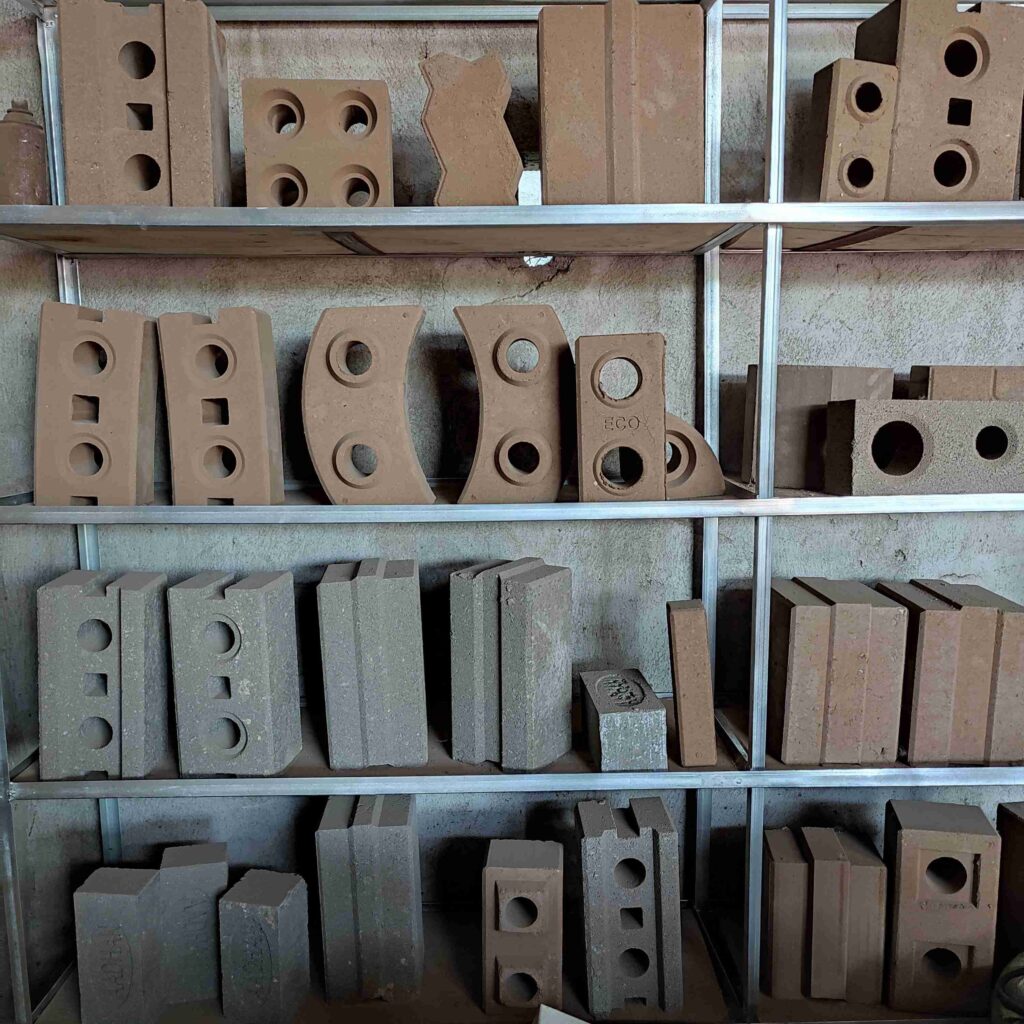
Compressed earth brick (CEB) technology represents a significant advancement in sustainable construction materials. Unlike traditional fired bricks that require substantial energy input and produce considerable emissions, CEBs utilize natural subsoil stabilized with a small percentage of cement or lime, compressed under high pressure to create durable building units.
1.1. The Science Behind Soil Stabilization
The fundamental principle of CEB production lies in mechanical stabilization through compression and chemical stabilization through binding agents. When clay-rich soil is mixed with a stabilizer (typically 5-10% cement or lime) and subjected to extreme pressure (typically 500-1000 psi), the particles bond together to form a brick with compressive strength comparable to conventional fired bricks. The stabilization process:
- Enhances water resistance
- Improves durability against weathering
- Increases compressive strength
- Reduces erosion potential
1.2. Material Requirements and Preparation
Successful CEB production depends on proper soil composition and preparation:
- Soil Selection: Ideal soils contain 15-30% clay content for proper binding, with the remainder being sand and silt
- Gradation Control: Proper particle size distribution ensures optimal compaction and strength
- Moisture Content: Precise moisture control (typically 8-12%) is critical for effective compression
- Stabilizer Integration: Uniform mixing of stabilizers throughout the soil matrix is essential for consistent brick quality
2. Machine Types and Technical Specifications
The market offers various CEB machine configurations designed for different production scales and operational requirements.
2.1. Manual and Semi-Automatic Presses
These entry-level machines serve smaller operations and community-based projects:
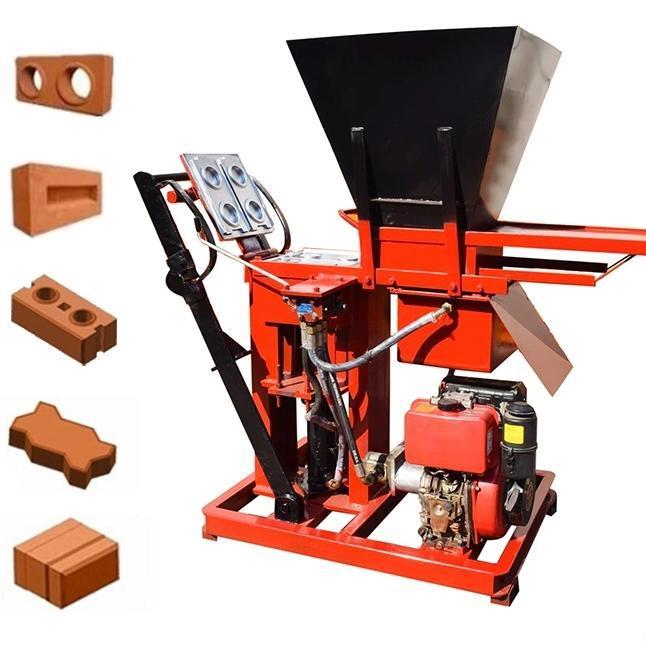
- Lever-operated Manual Presses: Simple mechanical devices requiring no power source, producing 100-300 bricks per day
- Hydraulic Manual Presses: Improved efficiency through hydraulic systems, producing 300-800 bricks daily
- Semi-Automatic Electric Presses: Motor-driven compression with manual feeding, producing 800-2,000 bricks per shift
2.2. Fully Automatic Production Systems
For commercial-scale operations, automated systems offer significantly higher output:
- Automatic Feeding Systems: Continuous soil input with precise moisture control
- Programmable Compression Cycles: Consistent pressure application with adjustable parameters
- Automated Brick Ejection and Stacking: Reduced labor requirements and increased safety
- Integrated Quality Control Systems: Real-time monitoring of brick density and dimensions
2.3. Mobile Production Units
Innovative mobile configurations offer unique advantages:
- On-site Production Capability: Eliminates transportation costs for finished bricks
- Site-specific Soil Utilization: Adapts to locally available materials
- Reduced Logistics Complexity: Production occurs where bricks are needed
3. Technical Advantages and Performance Metrics
Modern CEB machines offer numerous technical benefits that translate to business advantages:
3.1. Energy Efficiency and Environmental Benefits
- Reduced Energy Consumption: CEB production uses approximately 1% of the energy required for fired bricks
- Lower Carbon Footprint: Minimal processing and local materials reduce transportation emissions
- Thermal Performance: CEB structures offer superior thermal mass, reducing heating and cooling energy requirements
- Material Sustainability: Utilizes locally available soils, minimizing resource extraction impacts
3.2. Production Efficiency and Output Consistency
- High Compression Ratios: Advanced hydraulic systems achieve compression ratios exceeding 2:1
- Consistent Quality Output: Precision engineering ensures uniform brick dimensions and densities
- Rapid Production Cycles: Modern machines can complete compression cycles in 15-30 seconds
- Minimal Material Waste: Efficient compression and accurate dosing reduce material loss
3.3. Operational Flexibility and Adaptability
- Adjustable Brick Dimensions: Interchangeable molds allow production of various brick sizes
- Variable Stabilizer Formulations: Machines accommodate different stabilizer types and percentages
- Adaptable to Soil Variations: Adjustable compression parameters compensate for soil composition changes
- Modular Design Philosophy: Systems can be expanded as production requirements grow
4. Market Analysis and Business Potential
The global market for compressed earth bricks is experiencing significant growth driven by multiple factors:
4.1. Global Market Trends
- Sustainable Construction Movement: Increasing demand for green building materials
- Affordable Housing Initiatives: Cost-effective construction solutions for developing regions
- Disaster-resistant Construction: Growing recognition of CEB structures’ seismic performance
- Architectural Trends: Rising interest in natural and vernacular building aesthetics
4.2. Regional Opportunities
- Emerging Economies: High demand for affordable, locally-produced building materials
- Developed Markets: Growing niche for sustainable and natural building materials
- Disaster-prone Regions: Need for resilient, locally-sourced construction solutions
- Remote Communities: Solutions for areas with limited access to conventional building materials
4.3. Competitive Advantages for Distributors
- Differentiated Product Portfolio: Sustainable technology distinction in the marketplace
- Multiple Revenue Streams: Machine sales, parts, service, and potential material supply
- Government Incentive Alignment: Many regions offer incentives for sustainable construction
- Early Mover Advantage: Establishing market presence in a growing sector
5. Operational Considerations and Best Practices
Successful implementation of CEB technology requires attention to several operational factors:
5.1. Site Requirements and Setup
- Production Area Specifications: Adequate space for material storage, processing, and brick curing
- Power Infrastructure: Appropriate electrical supply for automated systems
- Water Management: Reliable water source for soil conditioning and dust control
- Curing Area Design: Properly designed spaces for brick drying and strength development
5.2. Quality Control Protocols
- Regular Material Testing: Consistent soil analysis and stabilizer quality verification
- Production Monitoring: Systematic checking of brick density, dimensions, and appearance
- Strength Testing: Regular compressive strength testing of cured bricks
- Process Documentation: Detailed records of material batches and production parameters
5.3. Maintenance and Technical Support
- Preventive Maintenance Schedules: Regular inspection and servicing of critical components
- Wear Part Management: Inventory management for frequently replaced components
- Operator Training Programs: Comprehensive training on operation, troubleshooting, and safety
- Technical Support Infrastructure: Access to engineering support and service networks
6. Economic Analysis and Return on Investment
The financial case for CEB technology presents compelling advantages:
6.1. Capital Investment Considerations
- Machine Cost Structure: Varied pricing based on automation level and production capacity
- Ancillary Equipment Requirements: Additional investments in material handling and processing equipment
- Installation and Commissioning Costs: Professional setup and initial training expenses
- Working Capital Requirements: Initial inventory of spare parts and consumables
6.2. Operational Cost Advantages
- Material Cost Savings: Utilization of low-cost, locally available soils
- Energy Cost Reduction: Minimal energy requirements compared to fired brick production
- Labor Efficiency: Higher productivity per worker compared to manual brick making
- Transportation Cost Minimization: Potential for on-site production eliminating brick transport
6.3. Market Pricing and Profitability
- Premium Pricing Potential: Sustainable features command price premiums in many markets
- Competitive Positioning: Cost advantages over conventional fired bricks
- Volume Production Economics: Improved profitability at higher production scales
- Value-added Opportunities: Potential for specialized bricks with enhanced properties
Conclusion
Compressed earth clay soil brick making machines represent more than just another construction equipment category—they embody a paradigm shift toward sustainable, affordable, and resilient building practices. For distributors and procurement professionals, this technology offers a unique opportunity to align business growth with environmental responsibility and social impact. The combination of technical sophistication, market demand, and sustainable credentials creates a compelling business proposition that transcends traditional construction equipment offerings.
The success in this sector requires more than equipment supply; it demands comprehensive understanding of material science, construction methodologies, and market dynamics. Partners who invest in developing this expertise, building robust support networks, and educating their markets will be positioned to capitalize on the growing global movement toward sustainable construction. As regulatory environments increasingly favor green building materials and consumers become more environmentally conscious, compressed earth brick technology stands poised for significant expansion, offering forward-thinking industry partners a pathway to both profitability and positive environmental impact.
FAQ
Q1: What are the primary strength characteristics of compressed earth bricks compared to traditional fired bricks?
A: Properly produced compressed earth bricks typically achieve compressive strengths ranging from 4-10 MPa, which is suitable for load-bearing construction in many applications. While high-quality fired bricks may achieve higher strengths, CEBs offer adequate strength for most residential and low-rise commercial construction while providing superior thermal performance and environmental benefits.
Q2: How does soil composition affect brick quality, and what testing is required?
A: Soil composition is critical to successful CEB production. Ideal soil contains approximately 15-30% clay for binding, with the remainder being sand and silt. Required testing includes particle size analysis, Atterberg limits testing for plasticity, and pH testing. Many equipment suppliers provide soil testing kits or recommendations for laboratory testing services to ensure soil suitability.
Q3: What stabilizers are commonly used, and how are they selected?
A: The most common stabilizers are Portland cement (5-10% by weight) and hydrated lime (3-8%). Selection depends on soil composition, desired strength, local availability, and cost. Cement generally provides higher strength and faster curing, while lime offers better workability with certain clay types. Some regions also use alternative stabilizers like fly ash or chemical stabilizers.
Q4: What is the curing process for compressed earth bricks?
A: CEBs require proper curing to develop full strength. Freshly pressed bricks should be kept moist under plastic sheeting or in curing chambers for 7-14 days, followed by air drying for an additional 14-28 days before use in construction. Proper curing is essential for achieving design strength and durability.
Q5: What production output can be expected from different machine types?
A: Production capacity varies significantly: manual presses produce 100-500 bricks per day; semi-automatic machines produce 500-2,000 bricks per 8-hour shift; fully automatic systems can produce 2,000-10,000 bricks per shift depending on model and configuration. Output is also affected by operator skill, material preparation efficiency, and brick size.
Q6: What training and support do equipment suppliers typically provide?
A: Reputable suppliers typically offer comprehensive training covering machine operation, maintenance, soil testing, brick production, and quality control. This often includes on-site training during installation, detailed operation manuals, and access to technical support. Some suppliers also offer business development support, including marketing materials and technical documentation for clients.
Q7: How do compressed earth bricks perform in different climatic conditions?
A: With proper stabilization and construction techniques, CEBs perform well in various climates. In wet climates, appropriate stabilizer selection, proper detailing (overhangs, foundations, plastering), and breathable finishes are essential. In seismic zones, reinforced CEB construction has demonstrated good performance when properly engineered. Thermal mass benefits are particularly valuable in climates with significant daily temperature variations.