
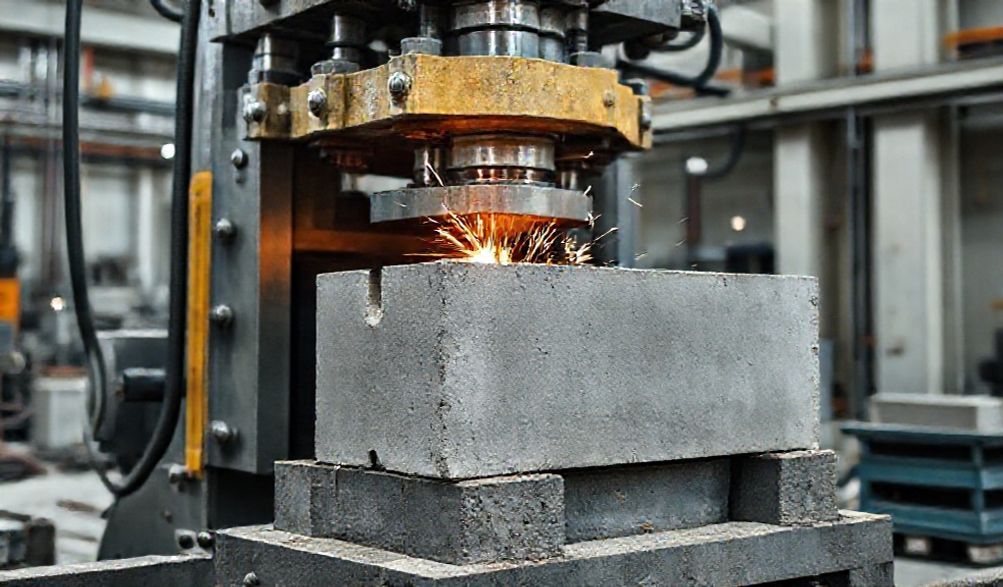
The Ultimate Guide to the Machine4-15 Automatic Hydraulic Brick Machine
Introduction
Every construction project, from a single-family home to a sprawling urban development, hinges on a fundamental need: a reliable, strong, and affordable supply of building materials. Yet, sourcing high-quality bricks often means navigating volatile supply chains, high transport costs, and inconsistent quality. What if you could turn your construction site or yard into its own efficient, controlled brick factory?
Enter the Machine4-15 Automatic Hydraulic Brick Machine—a premier industrial solution designed to put the power of production directly in your hands. This robust machine automates the creation of high-density, precision bricks using advanced hydraulic pressure, transforming raw materials into finished building blocks with remarkable efficiency.
This comprehensive guide is your one-stop resource for understanding this powerful piece of equipment. We’ll dissect its features, quantify its benefits, and walk you through its operation. Whether you’re a construction manager, a business owner looking to diversify, or an entrepreneur eyeing the building materials market, this article will equip you with the knowledge to make a confident, informed investment decision. The insights here are built on a foundation of industry-standard technical specifications and manufacturing principles, ensuring you receive accurate and actionable information.
What is the Machine4-15 Automatic Hydraulic Brick Machine?
At its core, the Machine4-15 is a stationary, automatic block-making machine engineered for continuous, high-volume production. It represents a significant leap from manual or semi-automatic methods, offering a streamlined, “set-and-forget” approach to brick manufacturing.
Core Function and Design Philosophy
The “4-15” in its name is a key identifier. It typically signifies the machine’s capability to produce 4 concrete blocks per cycle, with each cycle taking approximately 15 seconds. This standardized nomenclature helps quickly communicate its output class. Built for endurance, the machine features a heavy-duty, welded steel frame that can withstand the constant stress of industrial operation. Its design philosophy centers on reliability, consistent output, and minimal operator intervention.
The Hydraulic Advantage
This is where the Machine4-15 truly separates itself from older, vibratory-based machines. Instead of relying solely on vibration to compact the concrete mix, it employs a powerful hydraulic system to apply immense, controlled pressure.
- Superior Density & Strength: Hydraulic pressure forces out more air and water from the mix, resulting in bricks with higher density and compressive strength (measured in MPa). This means more durable, load-bearing blocks.
- Consistent Quality: Every brick from a cycle receives the same precise pressure, eliminating the variability common in vibratory machines.
- Quieter Operation: Hydraulic compression is significantly quieter than the intense vibration of traditional machines.
- Reduced Wear & Tear: The process is less jarring on the machine’s mechanical components, leading to lower maintenance costs and longer service life.
Key Features and Technical Specifications
Understanding the technical prowess of the Machine4-15 is crucial to appreciating its value. Here’s a breakdown of its standout features.
Automation and Control Systems
Automation is the heartbeat of this machine. It integrates several systems into a seamless cycle:
* Automatic Feeding: A conveyor or feed hopper consistently delivers the raw concrete mix to the mold box.
* Programmable Logic Controller (PLC): The brain of the operation. This user-friendly control panel allows operators to set parameters like pressure, cycle time, and vibration duration with precision.
* Automatic Ejection & Palletizing: Once pressed, the fresh bricks are automatically ejected onto a pallet or conveyor, ready for curing.
Production Capacity and Output
The machine’s efficiency is measured in its output. While specific numbers depend on block type and operational rhythm, a typical Machine4-15 can produce:
* Approximately 1,000 – 1,500 blocks per hour.
* Roughly 8,000 – 12,000 standard blocks in an 8-hour shift.
It can be configured with various molds to produce:
* Solid and hollow concrete blocks
* Pavers and interlocking bricks
* Curbstones and landscaping blocks
Power Requirements and Dimensions
Proper installation is key. Typically, the Machine4-15 requires:
* Power: A three-phase electrical supply (e.g., 380V/50Hz or 440V/60Hz), essential for driving the hydraulic pump and motors.
* Footprint: Requires a planned space of approximately 6m (L) x 4m (W), excluding area for raw materials and product storage.
* Weight: A robust machine, often weighing several tons, requiring a solid, level concrete foundation.
Mold and Customization Options
Versatility is a major selling point. The machine uses an interchangeable mold system. This means:
* Quick Changeovers: Switching from producing hollow blocks to paving stones can often be done in under an hour.
* Custom Designs: Reputable manufacturers can fabricate custom molds for unique brick shapes, sizes, or surface textures (like split-face or rustic finishes), allowing you to cater to niche markets.
Primary Benefits for Your Business
Investing in a Machine4-15 isn’t just about buying a machine; it’s about investing in a strategic business advantage.
Unmatched Efficiency and Cost Reduction
- Slash Material Costs: Produce bricks on-site, eliminating markups from suppliers and drastically reducing transportation fees.
- Labor Optimization: With high automation, 2-3 workers can manage output that would require many more with manual methods, optimizing your payroll.
- Just-in-Time Production: Manufacture bricks as needed, reducing inventory holding costs and waste from damaged stored materials.
Consistent, High-Quality Output
- Structural Integrity: Produce bricks that consistently meet or exceed local building code standards for compressive strength (e.g., 7 MPa, 10 MPa, or higher).
- Dimensional Accuracy: Uniform brick sizes simplify and speed up the bricklaying process, reducing mortar use and labor time on the construction site.
- Brand Reputation: Delivering projects with superior, consistent materials enhances your company’s reputation for quality.
Durability and Low Maintenance
- Built to Last: The industrial-grade construction is designed for years of continuous service.
- Simplified Hydraulics: While powerful, a well-maintained hydraulic system is often more reliable and easier to service than complex mechanical drive systems.
- Protects Your Investment: A durable machine ensures a faster return on investment (ROI) and long-term profitability.
Versatility in Production
- One Machine, Multiple Revenue Streams: Serve different sectors—residential construction, commercial projects, and landscaping—without major capital reinvestment.
- Adapt to Market Demand: Quickly pivot your production to the block type or style that is most in demand in your region.
Ideal Applications and Users
The Machine4-15 is a versatile workhorse suited for a range of enterprises:
Medium to Large-Scale Construction Projects
- Real Estate Developers: Supply your own housing projects, from subdivisions to apartment complexes.
- Contractors: Undertake large commercial or industrial builds (warehouses, factories) with a guaranteed, cost-controlled material supply.
Brick Manufacturing Startups and SMEs
- Entrepreneurs: Establish a profitable business supplying bricks to local builders, retailers, and DIY markets.
- Existing Suppliers: Upgrade from manual production to scale up output and improve product quality.
Government and Infrastructure Projects
- Public Works: Ideal for large-scale road, pavement, and public facility projects where standardized materials are required in bulk.
- Affordable Housing Initiatives: A key tool for projects aiming to reduce costs through localized material production.
Sustainable Building Initiatives
- Green Projects: Use locally sourced aggregates and even industrial by-products like fly ash to produce eco-friendly bricks, minimizing the carbon footprint associated with material transport.
Operational Overview and Best Practices
To achieve optimal results, understanding the operational workflow is essential.
Raw Material Requirements
The quality of the input defines the output. A standard mix includes:
* Cement: Portland cement as the binder.
* Aggregates: A well-graded combination of fine sand and coarse aggregate (e.g., crushed stone, 3/8″ chip).
* Water: Clean, potable water.
* Permissible Ratios: A common starting mix is 1 part cement, 3 parts sand, and 2 parts aggregate by volume, but this must be tested and optimized.
* Alternative Materials: Many machines can successfully incorporate fly ash, slag, or quarry dust, reducing costs and environmental impact.
Step-by-Step Operational Cycle
- Feeding: The prepared concrete mix is loaded into the machine’s hopper.
- Metering & Molding: The mix is automatically measured and fed into the mold cavity.
- Compaction: The hydraulic press applies high pressure (often accompanied by brief vibration) to form the block.
- Ejection: The freshly formed, stable block is pushed out of the mold onto a pallet or transfer system.
- Curing & Palletizing: Pallets of green bricks are moved to a curing area (often steam-cured for strength gain) before being stacked for storage or shipment.
Essential Maintenance for Longevity
- Daily: Check hydraulic oil levels and temperature; clean excess concrete from the mold, press head, and conveyor.
- Weekly/Monthly: Inspect and tighten all bolts and fittings; check hydraulic filters and hoses for wear; clean and lightly oil the mold to prevent rust.
- Annually: Consider a full system check by a qualified technician, including hydraulic fluid analysis.
Safety Protocols
- Training: Ensure all operators are thoroughly trained on machine functions and emergency stops.
- Lock-Out/Tag-Out (LOTO): Strictly follow LOTO procedures during any maintenance or mold change.
- Personal Protective Equipment (PPE): Mandate safety glasses, steel-toe boots, gloves, and hearing protection in the work area.
Making the Right Investment: A Buyer’s Checklist
Purchasing a Machine4-15 is a significant decision. Use this checklist to guide your process.
Assessing Your Needs
Ask yourself:
* What is my target daily/weekly brick output?
* Do I have adequate space, a solid foundation, and the correct 3-phase power supply?
* What types of bricks are most demanded by my target customers?
Total Cost of Ownership Analysis
Look beyond the sticker price. Factor in:
* Shipping and import duties (if applicable).
* Installation and foundation preparation costs.
* Cost of spare parts and routine maintenance consumables (hydraulic oil, filters).
* Long-term energy consumption.
Evaluating Manufacturers and Suppliers
This is critical for protecting your investment. Always:
* Verify the manufacturer’s history and reputation. How long have they been in business?
* Insist on genuine, clear warranty terms that cover parts and labor.
* Investigate the availability and responsiveness of after-sales technical support. Can they provide remote assistance? Do they have service engineers?
* Request and actually contact client references, especially those in a similar region or business.
Key Questions to Ask Before Purchase
- “What is the lead time for critical spare parts like hydraulic pumps or PLCs?”
- “Do you provide on-site installation supervision and operator training?”
- “Can you supply a complete list of recommended spare parts for the first year?”
- “Is there an option for a live video demonstration or can I visit a working installation?”
FAQ Section
Q1: What is the average production capacity of the Machine4-15 per day?
A: Under optimal conditions, a well-operated Machine4-15 can produce approximately 8,000 to 12,000 standard hollow blocks in an 8-hour shift. Output varies with block size, mix design, and operational efficiency.
Q2: What compressive strength can the bricks achieve?
A: With a proper cement mix design, the Machine4-15 can consistently produce bricks with a compressive strength exceeding 7-10 MPa, which is suitable for load-bearing walls. Higher strengths are achievable with mix optimization.
Q3: How much manpower is needed to operate this machine?
A: Due to its high level of automation, it typically requires a small crew of 2-3 people: one to oversee the control panel and monitor the cycle, and one or two to manage raw material feeding and handle/palletize the finished products.
Q4: What kind of after-sales support should I expect?
A: A reputable supplier should offer a comprehensive warranty (e.g., 1-2 years), detailed operation and maintenance manuals, video tutorials, and access to technical support via phone, email, or chat. The availability of local or regional service agents is a significant advantage.
Q5: Can it use raw materials other than standard sand and cement?
A: Yes. Many models are designed to work efficiently with alternative materials like fly ash, crushed stone dust, or certain industrial wastes, which can reduce material costs and support sustainable production. Always consult the manufacturer for approved mix ratios and testing procedures.
Conclusion
The Machine4-15 Automatic Hydraulic Brick Machine stands as a powerful testament to how modern engineering can streamline a foundational industry. It offers a compelling path to greater control, reduced costs, and assured quality in brick production. By bringing efficient, automated manufacturing on-site, it empowers businesses to build their projects—and their profits—on a more solid foundation.
As with any major capital investment, thorough due diligence is paramount. We strongly recommend contacting multiple established manufacturers, requesting detailed quotations with full technical specifications, and, wherever possible, seeking a live demonstration or testimonial from a current user. The right machine, backed by the right supplier, is an asset that will pay dividends for years to come.
Ready to transform your brick supply chain? To explore if the Machine4-15 is the optimal solution for your operational goals and to receive a detailed technical datasheet, contact a certified and reputable supplier today for a personalized consultation.