
The Ultimate Guide to Earth Block Mudding Machines: Building Sustainably
In an era of climate consciousness and resource scarcity, the global construction industry is undergoing a quiet revolution. Architects, builders, and homeowners are increasingly looking back to move forward, rediscovering the profound wisdom of ancient building techniques. Among these, earth block construction stands out for its simplicity, beauty, and incredible sustainability. Yet, for all its virtues, the traditional method of hand-mudding blocks is notoriously labor-intensive and inconsistent, creating a significant barrier to mainstream adoption.
Enter the modern solution: the earth block mudding machine. This innovative piece of equipment is the critical bridge, marrying timeless material science with contemporary efficiency and precision. It transforms the arduous craft of earth building into a viable, scalable, and highly controlled construction method.
This definitive guide is crafted for builders, architects, DIY enthusiasts, and sustainable living advocates. Drawing on industry knowledge and practical engineering insights, we will dissect everything you need to know. We’ll explore what these machines are, how they work, their undeniable benefits, and the key considerations for choosing the right one. By the end, you’ll understand how the earth block mudding machine is not just a tool, but a catalyst for an eco-conscious building renaissance.
What is an Earth Block Mudding Machine?
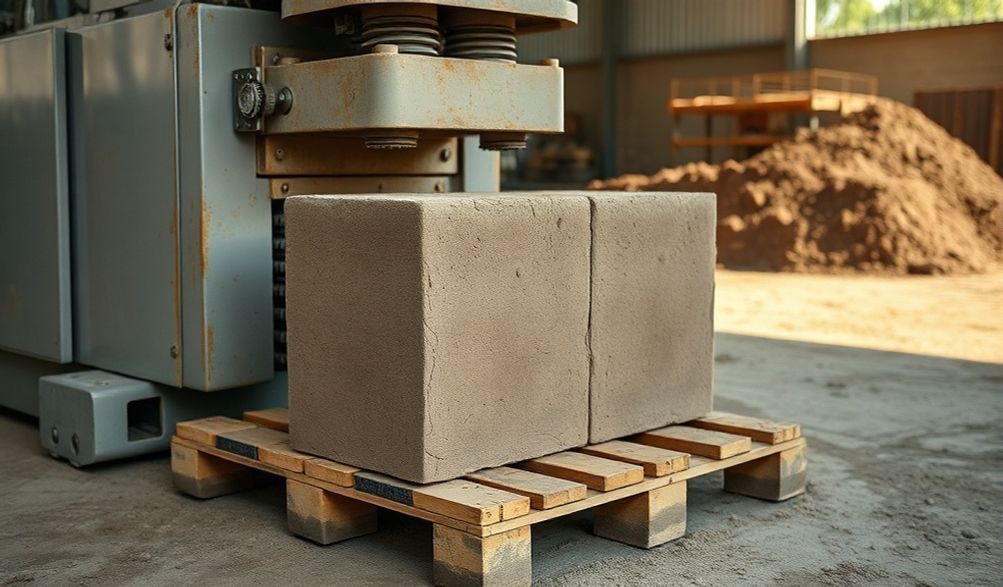
At its core, an earth block mudding machine is a mechanized device engineered to produce compressed earth blocks (CEBs) with high efficiency and uniformity. Its primary function is to mix raw soil—typically subsoil—with a small percentage of a stabilizer (like cement or lime) and water, then compress the mixture under high pressure into dense, regular-shaped blocks ready for construction.
Think of it as the evolution of the manual CINVA Ram press, a tool developed in the 1950s. While the principle of mechanical compression remains, modern mudding machines incorporate more robust engineering, improved hydraulics or leverage systems, and often feature integrated mixing. This evolution has taken earth block production from a slow, artisanal process to a repeatable, project-ready operation. The machine’s fundamental role is to compress and stabilize earth, unlocking its latent structural potential to create durable, load-bearing building units.
How Does an Earth Block Mudding Machine Work? The Process Explained
The transformation of raw earth into a precision building block is a fascinating, three-stage process. Understanding this workflow is key to appreciating the machine’s value and operating it successfully.
Stage 1: Material Preparation & Mixing
Success begins long before the machine is turned on, with proper material selection.
- Soil Testing: Not all dirt is created equal. The ideal soil has a balanced blend of clay (the binder), silt, and sand (the aggregate). A simple sediment jar test can determine this ratio. Pure clay will shrink and crack; pure sand will not bind.
- Stabilization: To enhance strength, durability, and water resistance, a stabilizer is added. This is typically 5-10% Portland cement or hydrated lime. The stabilizer chemically reacts to create a stronger matrix.
- The Mixing Mechanism: The prepared soil and stabilizer are fed into the machine’s mixer—common types include rotating pan mixers or paddle mixers. Water is added gradually to achieve a consistent, damp (not wet) mix. Homogeneous mixing is critical for uniform block strength.
Stage 2: Compression & Molding
This is where the magic happens, and the machine’s design truly shines.
- Loading: The mixed material is fed into a hopper, which channels it into a precise mold cavity.
- The Compression Event: A ram or piston applies extreme pressure to the soil mix. This can be achieved via:
- Hydraulic Press: Uses a hydraulic cylinder for smooth, high, and consistent pressure. Common in larger models.
- Mechanical Lever: Uses a manual or powered lever system to generate force. Common in smaller, manual machines.
- The pressure, often measured in hundreds of PSI, forcibly compacts the soil particles, eliminating air voids and creating a dense, coherent block.
Stage 3: Ejection & Curing
The block is formed, but its journey to strength is just beginning.
- Ejection: The mold opens, and the newly formed block is gently ejected onto a pallet or rack.
- The Critical Cure: Freshly pressed blocks are strong but not at their full potential. They must be kept in a shaded, moist environment for a minimum of 7-14 days. This curing process allows the stabilizer (especially cement) to fully hydrate and gain strength. Sprinkling with water and covering with plastic sheeting is standard practice.
Key Benefits of Using a Mudding Machine for Earth Blocks
Switching from manual or traditional methods to a mechanized process unlocks a cascade of advantages that make earth construction genuinely competitive.
Unmatched Efficiency & Consistency
- Output: A manual press might produce 40-60 blocks per hour. A hydraulic mudding machine can produce 200-500+ blocks in the same time, dramatically accelerating project timelines.
- Uniformity: Every block is identical in size, density, and weight. This consistency simplifies bricklaying, reduces mortar use, and results in structurally predictable walls with clean, straight lines—a challenge with hand-made adobe.
Superior Material Performance
- Enhanced Strength: Optimal compression significantly increases the block’s compressive strength, often allowing it to meet or exceed building codes for load-bearing masonry.
- Built-In Benefits: The high density improves durability and abrasion resistance. Furthermore, it maximizes the innate thermal mass of earth, which absorbs heat during the day and releases it at night, naturally regulating indoor temperatures and slashing energy costs. Compressed earth blocks also offer excellent fire resistance.
Economic & Accessibility Advantages
- Labor Savings: The machine reduces the most intensive labor component, lowering overall project costs.
- Local Materials: The primary ingredient—soil—can often be sourced directly from the construction site or locally, eliminating the cost and carbon footprint of transporting heavy materials like concrete blocks.
- Faster ROI: Quicker block production means faster wall construction, leading to earlier project completion and occupancy.
Environmental & Sustainability Impact
- Ultra-Low Embodied Energy: Compared to fired bricks (which require immense heat) or concrete blocks (energy-intensive cement production), CEBs have a minuscule carbon footprint. The machine’s energy use is the primary input.
- Minimal Waste: Any broken blocks or construction waste can be returned to the soil pile, rewetted, and repressed. There is no landfill waste.
- Healthy Living: Earth blocks are non-toxic, do not off-gas volatile organic compounds (VOCs), and naturally regulate indoor humidity, contributing to superior indoor air quality.
Choosing the Right Earth Block Mudding Machine: A Buyer’s Guide
Selecting a machine is a significant investment. The right choice depends entirely on your project scale, budget, and location.
Types of Machines: Manual vs. Hydraulic vs. Automatic
- Manual/Lever Presses: Ideal for small-scale, DIY, or community projects. They are low-cost, portable, require no power, and are simple to maintain. The trade-off is lower output and higher operator fatigue.
- Hydraulic Presses: The sweet spot for most professional small-to-medium-scale projects. They offer higher, more consistent output with less physical effort. They require a power source (electric or diesel) and represent a higher initial investment. Consistency and speed are their hallmarks.
- Fully Automatic Machines: Designed for high-volume commercial production. These systems often include automated material feeding, mixing, pressing, and block stacking. They have the highest capacity and cost, and are suitable for businesses producing blocks for sale.
Critical Specifications to Evaluate
When comparing models, scrutinize these key specs:
* Production Capacity: Blocks per hour or per day. Be realistic about your needs.
* Block Size & Shape: Standard rectangular blocks are common, but many machines offer interchangeable molds for different sizes or even interlocking blocks (which further speed up construction and reduce mortar use).
* Pressure Rating: Measured in PSI or tons. Higher pressure generally yields stronger, denser blocks.
* Power Source: Electric (needs grid/generator), diesel (for remote sites), or manual.
* Portability & Build: Consider weight, wheel options, and overall robustness. Steel frame construction is essential for durability.
Leading Brands and Models Overview
While we maintain a neutral stance, it is prudent for buyers to research established manufacturers known for build quality, available spare parts, and customer support. Brands like AECT (Advanced Earthen Construction Technologies), Vela Machines, and regional manufacturers in Africa, Latin America, and Asia have strong reputations. Always conduct thorough due diligence: read user reviews, watch demonstration videos, and contact manufacturers directly with your specific soil and project questions.
Cost Analysis: Investment vs. Return
- Upfront Cost: Can range from a few hundred dollars for a simple manual press to tens of thousands for a high-end hydraulic or automatic system.
- Operational Costs: Factor in power/fuel, routine maintenance, and eventual replacement of wear parts (like mold liners and rams).
- Cost-Per-Block: This is the ultimate metric. Calculate the total cost of the machine, materials (soil, stabilizer), and labor, then divide by the total blocks produced over the machine’s lifespan. For even medium-sized projects, the per-block cost is typically far lower than purchasing conventional bricks, especially when using on-site soil.
Practical Applications and Project Inspiration
The versatility of machine-made earth blocks opens a world of construction possibilities.
- Residential Construction: From beautiful, custom family homes and serene guest houses to durable garden walls, sheds, and pizza ovens. The aesthetic and performance benefits are profound.
- Community & Commercial Projects: Perfect for schools, clinics, community centers, eco-lodges, and winery storage buildings. The combination of low cost, local materials, and thermal comfort is highly attractive.
- Disaster-Resilient and Humanitarian Building: This is a critical application. Mudding machines enable the rapid, low-cost production of durable, thermally efficient shelters using locally available materials, which is invaluable in post-disaster recovery and refugee settlement scenarios.
Essential Tips for Operation and Maintenance
To ensure longevity of both your machine and the blocks it produces, follow these guidelines.
- Soil Suitability and Testing: Never skip this step. The jar test is your best friend. Starting with the wrong soil mix guarantees poor results.
- Daily Operation Best Practices:
- Maintain a consistent feed rate of material into the hopper.
- Keep molds clean after each production run to prevent buildup.
- Follow the manufacturer’s lubrication schedule for all moving parts.
- Routine Maintenance Schedule:
- Daily: Clean all components.
- Weekly: Check and tighten all bolts and fittings.
- Monthly (for hydraulic models): Check hydraulic fluid levels and look for leaks.
- Annually/Bi-Annually: Inspect and replace high-wear items like seals, mold liners, and mixer paddles.
Frequently Asked Questions (FAQ)
Q1: How strong are machine-made earth blocks compared to conventional bricks?
A: With proper soil selection, stabilization (5-10% cement), and high-pressure compression, CEBs can achieve compressive strengths of 600 PSI or more, meeting or exceeding the strength of many common fired clay bricks and making them fully suitable for multi-story, load-bearing walls.
Q2: Can I use any soil from my property?
A: Not directly. A simple sediment jar test is essential. The ideal soil is a “loam” with roughly 15-30% clay, 10-30% silt, and the remainder sand and gravel. Soil that is mostly pure clay or pure sand will not work without significant amendment.
Q3: Are earth blocks waterproof?
A: They are best described as highly water-resistant when properly stabilized and compressed. Like all masonry, they require protective design: a solid foundation above grade, adequate roof overhangs, and a breathable plaster finish (like lime or earthen plaster) to shield them from direct, driving rain.
Q4: Is special training needed to operate these machines?
A: While not overly complex, basic training is highly recommended for optimal results and safety. Many equipment suppliers offer this. Critical knowledge areas include soil mix design, machine operation mechanics, and proper curing procedures.
Q5: What is the typical lifespan of a structure built with these blocks?
A: Exceptionally long. There are earth buildings around the world that are centuries old. The lifespan of a modern CEB structure is a function of good design (wide eaves, good drainage), quality construction, and basic maintenance. With these, it can easily last for generations.
Conclusion
The earth block mudding machine is far more than a piece of farm equipment or a simple press. It is a transformative technology that democratizes sustainable construction. By solving the historic problems of labor intensity and inconsistency, it makes the profound benefits of earth building—durability, beauty, energy efficiency, and ultra-low environmental impact—accessible to the modern builder.
As the world grapples with housing shortages and the urgent need to decarbonize industry, the potential for this technology is vast. It represents a pragmatic, scalable path toward a more resilient and sustainable built environment.
Embarking on an earth building project requires blending this modern technology with expert knowledge. Before you begin, consult with a structural engineer familiar with earth construction, connect with experienced CEB builders, and consider reaching out to equipment manufacturers for demonstrations. Seeing an earth block mudding machine in action, transforming humble soil into a precise building block, is the first step in turning the dream of a sustainable, self-built future into a tangible, beautiful reality.