
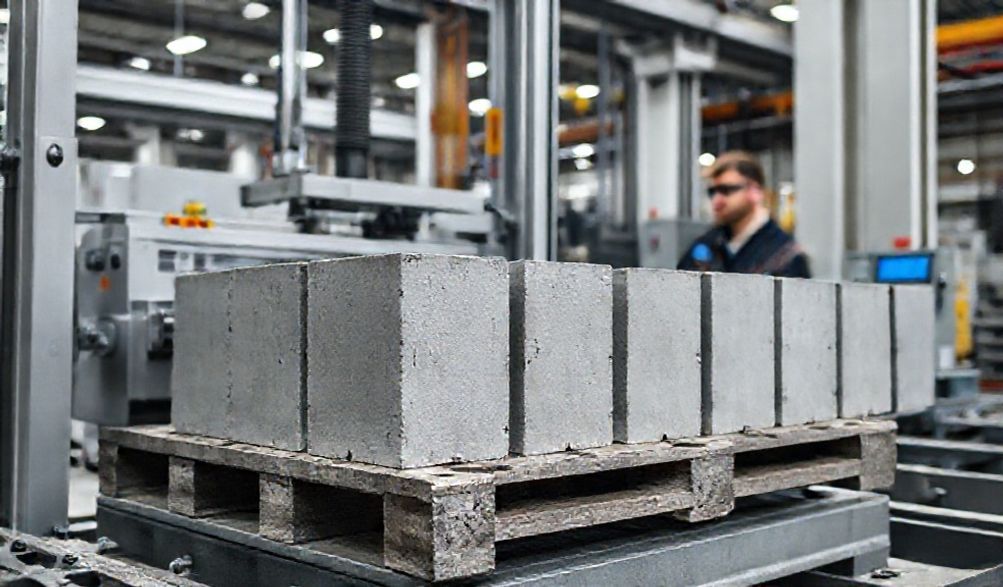
Finding Reliable Block Brick Making Machine Factories: A Spotlight on FUDA
Introduction
In the world of construction and infrastructure development, the foundation of every successful project isn’t just poured concrete—it’s the reliability of the equipment used to produce its core materials. Choosing the wrong block brick making machine factory can lead to catastrophic delays, substandard product quality, and crippling long-term maintenance costs. Your machinery isn’t just a purchase; it’s a long-term partner in your productivity and profitability.
This article serves as a comprehensive guide for entrepreneurs, construction firms, and project managers navigating the critical process of evaluating block brick making machine factories. We will dissect the key selection criteria that separate industry leaders from the rest, providing you with a actionable framework for due diligence. As a focal point for our analysis, we will take a detailed look at the FUDA block making machine factory, using it as a case study to illustrate what to look for in a manufacturing partner.
Insights compiled from industry analysis, machinery specifications, and manufacturing best practices.
By the end of this guide, you will be equipped with a clear checklist for vetting suppliers, understanding technical specifications, and ensuring that your investment—whether with FUDA or any other manufacturer—is built on a solid foundation of quality and support.
What to Look for in a Block Brick Making Machine Factory
Selecting a factory is about more than just finding the lowest price. It’s an assessment of capability, quality, and long-term partnership potential. Here are the non-negotiable pillars to evaluate.
Core Manufacturing Capabilities and Technology
The factory floor tells the story of the final product. Modern manufacturing is a clear indicator of a company’s commitment to quality and innovation.
- Modern vs. Outdated Lines: A factory utilizing CNC (Computer Numerical Control) machining, robotic welding, and automated painting systems will produce machines with superior precision, consistency, and finish compared to one reliant on fully manual, legacy processes.
- R&D Investment: A factory with a dedicated Research and Development department is actively innovating. This translates to machines with better energy efficiency, higher output rates, and more user-friendly control systems. Look for evidence of new patents or model iterations.
- Product Range Breadth: A strong factory typically offers a comprehensive range to meet diverse needs:
- By Operation: Fully automatic, semi-automatic, and manual machines.
- By Mobility: Stationary plants for high-volume fixed-site production and mobile block making machines for on-site projects.
- By Product: Machines specialized for concrete hollow blocks, solid bricks, paving stones, interlocking bricks, and curbstone.
Quality Control and Material Standards
This is where durability is forged. A machine is only as strong as its weakest component.
- In-House QA Processes: The best factories control quality at every stage—from inspecting incoming steel coils to pressure-testing hydraulic assemblies and running 24-72 hour continuous production tests on finished machines before shipment.
- International Certifications: Certifications are independent validations of a factory’s systems.
- ISO 9001: Indicates a certified Quality Management System (QMS), ensuring consistent processes.
- CE Marking: For machinery sold in the European Economic Area, it signifies compliance with EU safety, health, and environmental requirements.
- Other Directives: Specific machinery safety standards are crucial for operational trust.
- Component Durability: Inquire specifically about:
- Steel Grade: The frame and mold should use high-grade, wear-resistant steel.
- Hydraulic Systems: Brands like Rexroth, Yuken, or Parker denote quality and easier global parts sourcing.
- Electrical Components: PLCs (Programmable Logic Controllers) from Siemens, Mitsubishi, or Schneider Electric ensure reliability and precise control.
Production Scale and Customization Ability
Your supplier must align with your business scale and vision.
- Meeting Your Volume: Can the factory handle your order size within a reasonable lead time without compromising quality? A small workshop might struggle with a large order, while a mega-factory might deprioritize a smaller one.
- Customization Flexibility: Your local raw materials (aggregate size, fly ash content, soil type) may be unique. A competent factory should offer:
- Custom mold design for unique block shapes and sizes.
- Machine adjustments to optimize performance for your specific material mix.
- Modifications to electrical voltage or safety standards for your country.
After-Sales Service and Support Network
This is the most critical, yet often overlooked, differentiator. The service begins after the machine is shipped.
- Installation & Training: Will the factory provide an engineer for on-site installation, commissioning, and operator training? This is vital for correct setup and avoiding early operational errors.
- Spare Parts Availability: A global parts network or a guaranteed stock of wear parts (like mold liners, seal kits, and vibration motors) is essential to minimize downtime.
- Technical Support: Is 24/7 remote support (via video call) available? What is the typical response time for technical inquiries?
- Warranty Policy: A clear, comprehensive warranty (often 12-18 months for core components) reflects confidence in the product. Understand exactly what is and isn’t covered.
Evaluating FUDA Block Making Machine Factory: A Detailed Analysis
Let’s apply the above framework to a specific manufacturer. The following analysis of FUDA is based on publicly available information from official channels and serves as a model for how to research any factory.
Company History and Industry Reputation
FUDA is a China-based manufacturer of construction machinery, with a stated focus on block making machines, concrete batching plants, and other related equipment. They market themselves as an export-oriented factory with a presence in multiple global markets.
- Background: Information suggests they have been operating for over a decade, which indicates experience in the manufacturing cycle and export processes.
- Market Presence: Their marketing highlights exports to regions like Africa, Southeast Asia, the Middle East, and South America, suggesting experience in adapting machines to varied market needs.
- Verification Step: A prudent buyer would request specific project references or case studies from the factory for projects in a similar region or of a similar scale to their own.
FUDA’s Product Range and Technical Specifications
A review of their product listings shows a range typical of a full-line manufacturer, which is a positive sign of capability.
- Key Machine Models: Their range often includes:
- Automatic Block Making Machines: Such as the QT series, with outputs ranging from moderate to high capacity (e.g., QT4-15, QT6-15, QT8-15), where the number often relates to blocks per cycle.
- Mobile Block Machines: Machines mounted on a trailer for on-site production.
- Specialty Machines: For producing interlocking bricks, pavers, and curbstone.
- Highlighted Features: Commonly emphasized features in their specifications include:
- PLC Control Systems for automated, stable operation.
- Hydraulic Vibration Systems for high-density, strong blocks.
- Multi-Layer Pallet Circulation for efficient, continuous production.
Strengths and Considerations
A balanced view empowers your decision-making.
Potential Strengths:
* Cost-Competitiveness: As a manufacturer based in a major industrial hub, they may offer competitive pricing in the global market.
* Comprehensive Range: Offering a wide array of machines and auxiliary equipment (like mixers and pallet feeders) can simplify sourcing.
* Export Experience: Their focus on international markets suggests familiarity with export documentation, container loading, and common overseas requirements.
General Considerations for the Buyer:
* Direct Communication: It is imperative to communicate directly with the factory’s technical sales team, not just a trading intermediary, to ensure accurate technical exchange.
* Specification Verification: Request and scrutinize the detailed Bill of Materials (BOM) for the specific model you are considering. Confirm the brands of key components (hydraulics, PLC, motors).
* Total Cost Clarity: Obtain a detailed quote that breaks down the machine price, spare parts cost, shipping (FOB, CIF, etc.), insurance, and any potential agent fees. The machine price is only one part of the total landed cost.
The Step-by-Step Process for Vetting Any Factory Supplier
Follow this systematic process to minimize risk and make an informed choice.
Initial Research and Shortlisting
- Use B2B Platforms & Directories: Sites like Made-in-China.com or Alibaba.com can provide an initial list, but always move verification to the factory’s own official website.
- Analyze Official Channels: Study the factory’s website. A professional, detailed site with clear technical data, videos of machines running, and company process videos is a positive sign. Look for consistency in messaging.
The Critical Inquiry and Communication Phase
Prepare a detailed project sheet and ask pointed questions.
- Key Questions to Ask:
- Can you provide a quotation for [Model] based on our output requirement of [X blocks per day]?
- What is the lead time from deposit to shipment?
- What are the standard payment terms (e.g., 30% T/T deposit, 70% against copy of Bill of Lading)?
- Can you provide a list of recommended spare parts for the first year of operation?
- Do you offer raw material testing if we send samples?
- Request Documentation: Ask for a detailed PDF catalog, the electrical and hydraulic diagrams for your model, and videos of the actual machine in operation.
Factory Audit and Site Visit (Virtual or In-Person)
If possible, visit. If not, insist on a live video tour.
- Virtual/Physical Tour Checklist:
- Observe the cleanliness and organization of the workshop.
- Look at the welding quality on machine frames.
- Ask to see the painting process (is it spray-painted?).
- Request to see the quality inspection area and testing procedures.
- Speak directly to a factory engineer about your technical concerns.
Final Negotiation and Contract Clarity
Protect yourself with unambiguous documentation.
- The Proforma Invoice (PI): Ensure the PI includes every detail: exact model, detailed specifications, component brands, list of included spare parts, packaging method, price terms (FOB port), and delivery time.
- Responsibilities: Clearly understand who handles shipping, marine insurance, and customs clearance in your country (this is defined by the Incoterms like FOB, CIF, or DDP).
Frequently Asked Questions (FAQ)
Q1: What is the typical price range for a block making machine from a factory like FUDA?
A: There is no single “typical” price. A small, manual machine may start around \$15,000, while a large, fully automatic production line can exceed \$150,000. The only way to get an accurate price is to provide your specific output, automation, and block size requirements for a formal quotation.
Q2: How do I ensure the machine will work with my local raw materials?
A: Reputable factories offer a material testing service. You should send 20-50kg samples of your sand, aggregate, and cement to the factory. They can run tests to recommend the optimal mix ratio and may adjust machine settings or mold design accordingly.
Q3: What after-sales support can I expect from an overseas factory?
A: Standard support includes detailed operation manuals, wiring diagrams, and remote guidance via video call. The level of on-ground support varies. Always confirm before purchasing: Will they send an engineer for installation? If so, what are the costs and duration? How quickly can they ship critical spare parts to your port?
Q4: Are there key certifications I should prioritize when choosing a factory?
A: Yes. Prioritize factories with ISO 9001 (quality management system) and CE certification for their machines. CE is particularly important as it involves a rigorous assessment of machine safety and design by a notified body, offering you greater assurance.
Conclusion
Choosing the right block brick making machine factory is a strategic decision that impacts your operational efficiency for years to come. The process hinges on a diligent evaluation of manufacturing quality, technological capability, transparent communication, and, above all, a robust after-sales support structure.
As our analysis of the FUDA block making machine factory illustrates, a methodical approach—verifying claims, demanding detailed specifications, and clarifying all costs and services—is essential, regardless of the manufacturer you are considering. There is no substitute for thorough due diligence.
Your investment in time during this research phase is the best insurance for your capital investment. It paves the way for a partnership that delivers not just a machine, but long-term productivity and return on investment.
Begin your evaluation by preparing a detailed project requirement sheet outlining your desired output, block types, raw materials, and automation level to share with shortlisted factories for accurate, comparable quotations.