
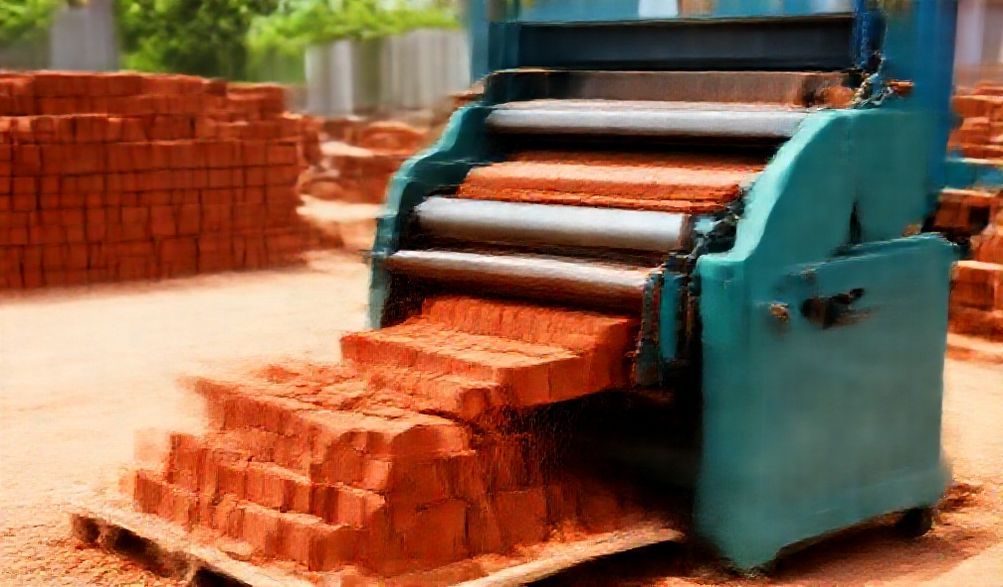
Clay Brick Making Machine Price in Andhra Pradesh 2026: A Complete Buyer’s Guide
Introduction
The skyline of Andhra Pradesh is transforming. From the ambitious capital region of Amaravati to the bustling ports of Visakhapatnam and the spiritual hubs of Tirupati, a construction boom is underway. At the very foundation of this growth lies a humble yet critical component: the brick. For decades, the industry relied on back-breaking manual labor, but the tide is turning. Today, forward-thinking entrepreneurs and established businesses are turning to mechanization to ensure efficiency, consistency, and, ultimately, greater profitability.
However, stepping into the world of brick-making machinery can be daunting. A quick search for a clay brick making machine price in Andhra Pradesh reveals a bewildering range—from a few lakhs to several crores. This variance isn’t arbitrary; it’s a reflection of capacity, automation, and quality. How do you, as a business owner in Guntur, Krishna, or Anantapur, cut through the noise and make an investment that fuels your growth, not hinders it?
This comprehensive guide is your solution. Drawing on years of direct experience in the construction machinery sector across South India, we provide a transparent, detailed breakdown of the market. We’ll empower you with the knowledge to navigate prices, understand the true cost of ownership, and select a machine that aligns perfectly with your production goals and the unique dynamics of the Andhra Pradesh market. Consider this your trusted roadmap to a smarter investment.
Factors Influencing Clay Brick Making Machine Prices in AP
The price tag on a brick-making machine is not a random number. It’s the sum of several key factors. Understanding these will help you decode quotes and compare options effectively.
Machine Type & Automation Level
This is the primary driver of cost. The spectrum ranges from purely manual intervention to fully automated plants.
* Manual Machines: Require significant human effort for mixing, feeding, and molding. Lowest upfront cost but highest long-term labor cost and variable output quality.
* Semi-Automatic Machines: Strike a balance. They mechanize the critical pressing and molding processes, often with hydraulic systems, while requiring manual feeding or brick removal. This offers a excellent mix of affordability, improved output, and consistency.
* Fully Automatic Plants: These are complete production lines. They feature automated material feeding, conveying, pressing, stacking, and sometimes even palletizing. The price reflects the dramatic reduction in labor and the massive, uniform output.
Production Capacity (Bricks Per Hour)
Your target output directly scales the price. Machines are broadly categorized by their hourly production capacity.
* Small-scale (500-1500 BPH): Ideal for local contractors, micro-enterprises, or supplementing existing manual production. Serves a specific village or town demand.
* Medium-scale (1500-5000 BPH): The sweet spot for growing brick kilns and small to medium enterprises (SMEs) aiming to supply multiple projects or distributors across a district.
* Large-scale (5000+ BPH): Designed for industrial brick fields that supply major construction companies, government projects, or operate across regions. These are substantial investments.
Key Technical Specifications
The devil is in the details. Two machines with similar capacity can have different prices based on their build.
* Motor Power (HP/KW): A more powerful motor can handle tougher clay and ensure consistent operation, but it will increase the purchase price and your ongoing electricity costs—a key consideration given Andhra Pradesh’s industrial power tariffs.
* Mold Type & Customization: Standard solid brick molds are common. If you need to produce hollow blocks, pavers, or designer bricks, customizable or additional molds add to the cost. Versatility commands a premium.
* Build Quality & Material: The grade of steel used in the frame, the quality of the hydraulic cylinders, and the robustness of the electrical panels determine durability. A machine built with superior components will have a higher initial price but lower lifetime maintenance costs.
Brand & Origin of Manufacture
Brand reputation and origin play a significant role in pricing and value.
* Indian-made Machines: Brands with a strong manufacturing base in India often offer competitive pricing and, crucially, easier access to spare parts and service networks within Andhra Pradesh.
* Imported Brands: Machines from certain European or Chinese manufacturers may offer specific technological advantages or price points. However, it’s vital to factor in longer lead times for spare parts, potential compatibility issues, and the availability of local technical expertise for repairs.
Local Market Dynamics in Andhra Pradesh
The “Andhra Pradesh” in your search query matters. Local factors influence the final landed cost.
* Supplier Proximity: Sourcing from a dealer or manufacturer in Hyderabad, Chennai, or within AP itself can reduce transportation and logistics costs significantly compared to a machine shipped from North India.
* District-wise Demand: Industrial activity in districts like Guntur (agricultural infrastructure), Krishna (urban development), or Anantapur (mining-related construction) can create localized demand, subtly affecting availability and dealer pricing strategies.
Detailed Price Breakdown by Machine Type (2026 Estimates)
Note: The following price ranges are indicative estimates for 2026 based on current market trends and inflation. Prices are subject to change based on raw material costs and technological advancements. Always request detailed, current quotations from suppliers.
Manual & Hand-Operated Machines
- Price Range: ₹75,000 – ₹2,50,000
- Best For: Micro-enterprises, individual masons, or very low-volume production for personal use.
- Pros: Very low capital investment, simple operation, minimal maintenance.
- Cons: Extremely labor-intensive, low and inconsistent output, physical strain on workers, not suitable for commercial profitability.
Semi-Automatic Clay Brick Machines
- Price Range: ₹3,00,000 – ₹12,00,000
- Best For: This is the most popular and practical category for small to medium businesses (SMBs) and entrepreneurs in Andhra Pradesh starting or scaling a brick-making unit.
- Features: Typically include a hydraulic press system, a fixed or mobile mold, and may have a simple conveyor for brick ejection. They offer a substantial leap in daily output (often 8,000-25,000 bricks per day) with a manageable workforce of 5-8 people.
Fully Automatic Brick Making Plants
- Price Range: ₹15,00,000 – ₹75,00,000 and above
- Best For: Large-scale brick field owners, industrial units, and businesses aiming for high-volume production with minimal manual intervention.
- Features: These are integrated systems. The price includes automatic material feeders, conveyor belts, high-pressure hydraulic presses, programmable logic controller (PLC) systems, and sometimes automatic stackers or palletizers. Output can exceed 50,000 bricks per day with a lean crew.
Beyond the Sticker Price: Calculating Your Total Investment
The machine’s purchase price is just the first chapter. A smart buyer budgets for the total cost of ownership.
Installation & Commissioning Costs
Don’t overlook the cost of foundation work, electrical connection upgrades (to handle the motor load), and the technician’s travel and stay for installation and training. This can typically add 3-7% to your project cost.
Cost of Auxiliary Equipment
A brick-making machine rarely works alone. To create a functional unit, you may need:
* A clay crusher or pugmill mixer to prepare raw material.
* Conveyors for moving raw clay and green bricks.
* A tractor or trolley for material handling.
Budget an additional ₹2-10 lakhs for this auxiliary equipment, depending on your level of automation.
Operating Costs in Andhra Pradesh
Your monthly expenses will determine profitability.
* Electricity: Calculate based on the motor’s kW rating and Andhra Pradesh’s industrial electricity tariff.
* Labor: Factor in local wage rates for machine operators, helpers, and yard workers.
* Raw Material: The cost and logistics of sourcing quality clay from nearby deposits.
Maintenance & Spare Parts Budget
Set aside 2-5% of the machine’s cost annually for routine maintenance and spare parts (like hydraulic seals, mold liners, electrical components). A machine with local service support in AP is invaluable here, minimizing downtime.
How to Find Reliable Suppliers in Andhra Pradesh
Choosing the right supplier is as important as choosing the right machine.
Researching Local Dealers & Direct Manufacturers
Start with online directories and trade associations, but go beyond. Prioritize suppliers with a physical workshop or office in South India. Always insist on visiting a working installation to see the machine in action and speak to the current owner.
Key Questions to Ask Before Buying
- What is the warranty period and what does it cover?
- Do you have a service engineer based in or frequently visiting Andhra Pradesh?
- Can you provide training for my operators at my site?
- May I have contact details for 2-3 of your past clients in Tamil Nadu, Karnataka, or AP?
- What is the guaranteed delivery time for critical spare parts?
The Importance of After-Sales Service
In the machinery business, downtime is lost money. A supplier who offers prompt, local technical support is often a better choice than one offering a slightly cheaper machine but no reliable service network. This support is your long-term insurance policy.
Maximizing Your ROI: Tips for Brick Machine Owners in AP
Sourcing Quality Raw Material Locally
Your brick’s quality starts with the clay. Test the plasticity and composition of local soil. Building good relationships with local landowners or clay pit operators can ensure a consistent, cost-effective supply.
Optimizing Production for Local Demand
Understand regional preferences. While standard red clay bricks are universally used, some areas may have higher demand for hollow blocks (for reduced load and thermal insulation) or pavers for urban development. Adapting your product mix can increase sales.
Government Schemes & Subsidies
Explore financial support. Both the Central Government’s MSME schemes and Andhra Pradesh’s state industrial policies may offer capital subsidies, interest subventions on loans, or tax benefits for setting up manufacturing units. Consult with a local Chartered Accountant or the District Industries Centre (DIC).
FAQ Section
Q1: What is the cheapest clay brick making machine available for Andhra Pradesh?
A1: Basic manual fly-ash or clay brick presses can start as low as ₹75,000. However, it’s critical to evaluate not just the purchase price but the long-term operational cost in terms of labor, output speed, and product consistency. For any commercial venture, a semi-automatic machine usually offers a much faster return on investment.
Q2: Are Chinese brick making machines a good option for AP?
A2: Chinese machines can be very competitively priced. The key is rigorous vetting. Ensure the supplier has a proven track record, offers a comprehensive warranty, and—most importantly—guarantees the availability of spare parts in India through a local partner. Often, an Indian-made machine with robust local after-sales service provides better long-term value and less operational risk.
Q3: Can I get a loan to buy a brick machine in Andhra Pradesh?
A3: Yes, absolutely. Most nationalized banks (SBI, Canara Bank) and private banks offer term loans for machinery purchase under their MSME or business enterprise categories. You will need a detailed project report (DPR), proof of identity/address, and likely some collateral. A strong DPR that includes market analysis for your region in AP strengthens your application.
Q4: How much space do I need to set up a small brick making unit in AP?
A4: For a semi-automatic machine with space for raw material storage, the machine shed, and a drying yard for green bricks, a minimum plot of 10,000 to 15,000 square feet is recommended. Crucially, you must verify the zoning regulations (industrial vs. agricultural land) with your local municipal or panchayat authorities before investing in land.
Q5: What is the average payback period for this investment in the current AP market?
A5: With efficient management, good clay sourcing, and steady demand, a well-run semi-automatic brick-making unit in Andhra Pradesh can typically achieve a payback period of 1.5 to 3 years. This depends heavily on factors like your machine’s capacity, the selling price of bricks in your district, and your operational efficiency.
Conclusion
Navigating the clay brick making machine price in Andhra Pradesh landscape reveals a clear truth: cost is a direct reflection of capability. Your investment can range from under one lakh rupees for basic manual tools to over seventy-five lakhs for a fully automated plant. The “right” price is the one that corresponds to a machine which meets your specific production targets, fits your budget for both purchase and operation, and comes with the promise of reliable after-sales support within the state.
Remember, the most economical machine is not the cheapest to buy, but the one that offers the lowest total cost of ownership and the highest return over its lifespan. We hope this guide serves as a solid framework for your research and decision-making process.
Ready to take the next step? Our team, with deep roots in South India’s machinery sector, is here to help. Use the insights from this guide to define your needs, and then contact us for a personalized consultation or a detailed quotation tailored to your project in Andhra Pradesh. Let’s build the foundation of your success, brick by brick.