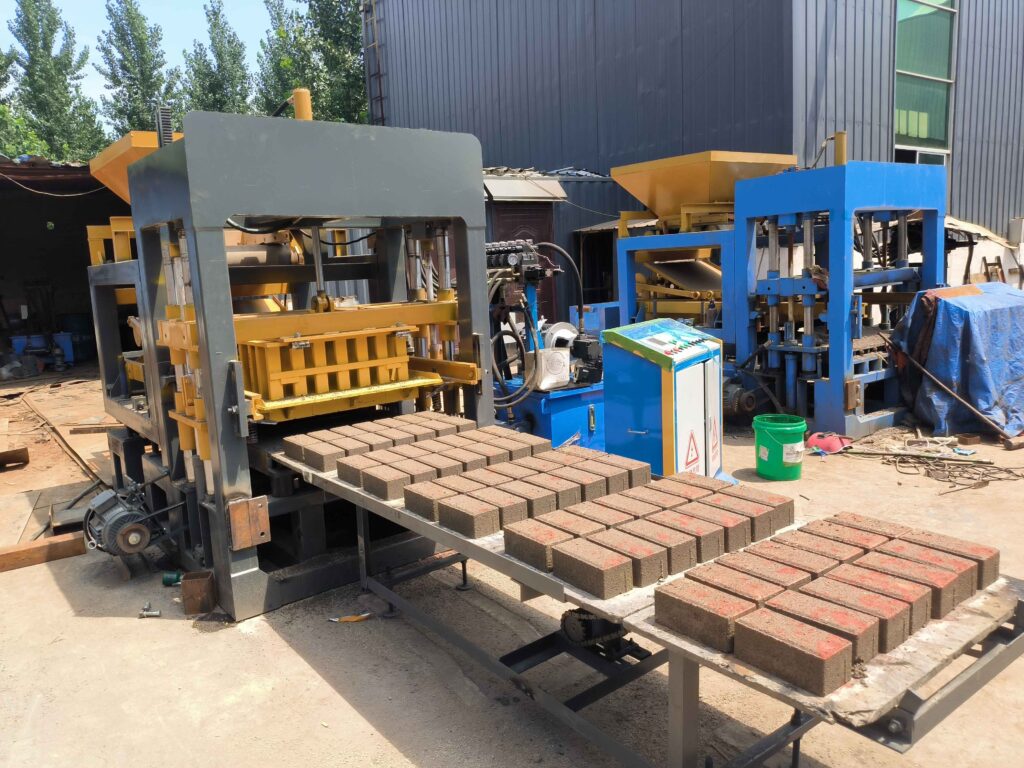
1. Fundamental Distinction: Cost Versus Price
In the context of fly ash brick machinery, “cost” and “price” are related but distinct financial concepts critical for business planning. Cost refers to the total expenditure incurred by the manufacturer to produce, market, and deliver the machine. This includes direct material costs, labor, factory overhead, research and development, and administrative expenses. Price, conversely, is the monetary value assigned to the machine in the marketplace—the amount a distributor pays the manufacturer and, subsequently, the amount an end-user pays the distributor. The difference between price and cost constitutes the margin, which funds business growth, service networks, and profit. For a distributor, understanding the manufacturer’s cost drivers is essential for effective negotiation and value assessment, while setting the right market price is crucial for competitiveness and sustainability.
2. Anatomical Breakdown of Manufacturing Cost Drivers
The manufacturer’s cost structure is the foundation upon which market prices are built. Key drivers include:
2.1. Raw Materials and Core Components
This constitutes the most significant portion of direct costs.
- Structural Steel: The quantity and grade (e.g., mild steel vs. high-tensile steel) of steel plate and profiles used for the frame, mold boxes, and compression heads. Thicker, higher-grade steel increases durability and cost.
- Hydraulic System: The single most critical and variable cost component. Systems utilizing premium, energy-efficient pumps, valves, cylinders, and hoses from internationally recognized suppliers can cost 50-100% more than those using generic or lower-tier components, but they offer vastly superior reliability and longevity.
- Electrical and Control Systems: The spectrum ranges from basic relay-based control panels to advanced Programmable Logic Controller (PLC) systems with touchscreen interfaces. PLC systems add cost but provide precision, diagnostic capabilities, and easier automation integration.
- Motors and Power Transmission: The quality, efficiency rating (e.g., IE2, IE3), and brand of electric motors, along with associated gearboxes and drives, significantly impact both initial cost and the end-user’s operating expense.
2.2. Labor and Fabrication Complexity
- Engineering and Design: Investment in R&D for optimized machine geometry, vibration frequencies, and hydraulic circuitry.
- Skilled Labor: Precision welding, CNC machining of critical parts, and assembly by experienced technicians command higher wages but result in better product quality and consistency.
- Production Volume: Economies of scale can reduce per-unit costs for high-volume manufacturers of standardized models. Manufacturers focusing on bespoke or low-volume, high-spec machines will have higher per-unit labor and overhead allocation.
2.3. Overhead, Compliance, and Value-Added Services
- Factory Overhead: Costs of utilities, facility maintenance, and quality control infrastructure.
- Certifications: Obtaining international certifications (e.g., CE marking) involves testing, documentation, and audit fees, which add cost but enhance marketability and justify premium pricing.
- Pre-Delivery Services: Comprehensive factory acceptance testing (FAT), paint finishing, and proper packaging for export are non-negotiable for quality assurance but add to the base cost.
3. The Market Price Spectrum: From Economy to Premium Tiers
Market prices cluster into distinct tiers, each representing a different value proposition.
- Economy/Low-Cost Tier: These machines are often priced 30-50% below the market average. They typically utilize lighter-gauge steel, generic hydraulic components, and basic electrical systems. While attractive for initial purchase, they may carry higher risks of premature wear, inconsistent brick quality, and limited after-sales support. This tier suits markets with extremely low capital availability and where machine longevity is a secondary concern.
- Standard/Mid-Market Tier: This represents the broadest and most competitive segment. Machines here balance reliable performance with reasonable cost. They use good-quality domestic or mid-tier international components, robust fabrication, and often offer optional features (like PLC controls) as upgrades. This tier offers the best balance of reliability and affordability for most small to medium-scale commercial operations and is the core focus for many distributors.
- Premium/High-Performance Tier: Machines in this category command prices at or above the market average, justified by superior engineering, high-end components (e.g., German or Japanese hydraulics, Siemens/Allen-Bradley controls), exceptional build quality, and comprehensive service packages. They target serious entrepreneurs and large block yards where machine uptime, production consistency, and low lifetime operating costs are paramount. The value is in total cost of ownership, not the initial price.
4. Strategic Pricing for Distributors and Dealers
A distributor’s selling price must be strategically determined, not simply a fixed markup on cost.
- Cost-Plus vs. Value-Based Pricing: Cost-plus pricing (adding a fixed percentage margin to the landed cost) is simple but may leave money on the table or price you out of the market. Value-based pricing considers the unique value the machine delivers to the customer—higher output, lower labor costs, better brick quality, brand assurance, and your local service support. This approach allows for healthier margins when selling higher-value solutions.
- Understanding the End-User’s ROI Calculation: The most compelling price justification is the client’s return on investment. A distributor should be equipped to demonstrate how a $50,000 machine that produces 8,000 bricks/day with two operators offers a faster payback than a $30,000 machine producing 4,000 bricks/day with four operators, despite the higher initial price.
- Incorporating the “Whole Product” Cost: Your price should reflect the complete package: the machine, warranty, installation supervision, operator training, initial spare parts kit, and the promise of responsive after-sales service. Bundling these services creates value and justifies a price premium over a “bare machine” import.
5. Navigating Price Negotiations with Manufacturers
Effective negotiation requires moving beyond haggling over percentage points.
- Focus on Specification Adjustments: Instead of demanding a lower price for a given spec, explore if a different component brand or a slight reduction in motor power (if acceptable for the target market) can achieve a cost saving without compromising core performance.
- Leverage Volume and Partnership Commitments: Commitment to larger annual purchase volumes or exclusive distribution rights in a region can provide legitimate grounds for more favorable pricing.
- Clarify “Ex-Works” vs. “Landed Cost”: Negotiations must be clear on the price basis. An Ex-Works (EXW) price is just the machine at the factory gate. The Landed Cost includes shipping, insurance, and import duties, which can add 20-40%. Understanding this breakdown prevents surprises and identifies areas for potential savings (e.g., consolidating container shipments).
6. External Factors Influencing Market Price
Broader economic and environmental factors also exert pressure on prices.
- Global Steel and Commodity Prices: Fluctuations in the price of steel, copper, and other raw materials directly impact manufacturing costs, which are eventually passed through the supply chain.
- Logistics and Freight Costs: Volatility in international shipping rates significantly affects the landed cost for distributors.
- Governmental Policies: Subsidies for green technology in the buyer’s country can increase demand and allow for more robust pricing. Conversely, import tariff changes can suddenly alter a machine’s competitiveness.
- Currency Exchange Rates: For international transactions, fluctuations between the manufacturer’s and distributor’s currencies can create pricing advantages or challenges over time.
Conclusion
The economics of fly ash brick making machines are a complex calculus of engineering quality, component selection, market positioning, and value perception. For industry intermediaries, success depends on transcending a simplistic focus on the lowest price. The goal must be to understand the true cost drivers behind the machinery, identify the price tier that aligns with target market needs and quality expectations, and establish a final selling price that accurately reflects the total value delivered—encompassing not just the physical asset, but also the knowledge, support, and business viability it enables for the end-user. By mastering this analysis, distributors transform from mere equipment sellers into trusted advisors and essential partners in the profitable and sustainable fly ash brick industry, ensuring their own business longevity alongside that of their clients.
FAQ
Q1: What is a realistic price range for a complete, functional fly ash brick production setup?
A: A functional setup includes the main machine and essential auxiliaries. A small-scale semi-automatic plant with a mixer and basic conveyor might start around $5,000 – $12,000. A medium-capacity fully automatic line could range from $12,000 – $20,000. Large-scale, high-performance turnkey plants can exceed $20,000. The key is to budget for the complete system, not just the press.
Q2: Why do prices for seemingly similar machines from different suppliers vary so dramatically?
A: Extreme variations usually indicate differences in “hidden” quality: thickness of steel plates, origin and warranty of hydraulic components (e.g., a reputed brand vs. a no-name copy), precision of machining, robustness of the electrical panel, and the comprehensiveness of factory testing. A lower price often reflects compromises in these areas, which increase long-term operational risk.
Q3: How does automation level affect the price?
A: Automation is a major price multiplier. A fully automatic machine with robotic palletizing can be 2 to 4 times the price of a semi-automatic machine of similar physical size. This cost is offset by drastically reduced labor requirements, higher consistent output, and improved working conditions, leading to a different ROI model.
Q4: Are used or refurbished machines a cost-effective alternative?
A: They can be, but carry higher risk. A distributor should consider refurbished units only if they come directly from a reputable manufacturer with a comprehensive rebuild warranty and updated components. Used machines from the open market may have hidden wear, obsolete controls, and no support, potentially leading to high refurbishment costs and downtime.
Q5: What ongoing costs should we factor in beyond the machine purchase price?
A: End-users must consider: cost of raw material (fly ash, cement, sand); regular maintenance and spare parts; labor wages; power consumption; wear parts like mold liners and mixing blades; and costs for brick curing (water, space). A quality machine minimizes the last four costs through efficiency and durability.
Q6: How can we justify a higher-priced machine to a cost-conscious client?
A: Present a detailed comparative ROI analysis. Focus on Total Cost of Ownership (TCO): higher production output per shift, lower downtime (due to better components), reduced labor costs (through automation), and lower maintenance expenses. Frame the purchase as an investment in productivity and business stability, not just an equipment cost. Offer concrete data on expected brick quality and consistency, which commands better market prices.