
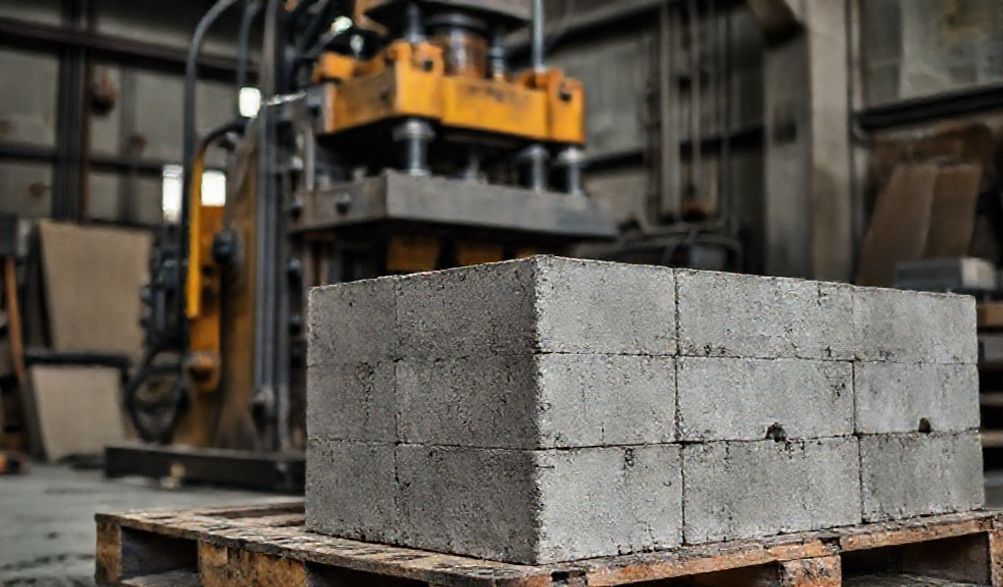
Your Ultimate Guide to Buying an M150 Brick Making Machine for Sale
Introduction
You’re ready to scale your construction business or launch a new venture in block manufacturing. But you’re caught in a frustrating bind: manual production is too slow and labor-intensive, while a fully automated plant is a prohibitively expensive leap. The pressure is on to find equipment that delivers quality, boosts output, and protects your bottom line—all without breaking the bank.
Enter the M150 brick making machine. This semi-automatic workhorse has become a cornerstone for small to medium-scale operations worldwide, precisely because it strikes that critical balance. But with countless suppliers online offering an “M150 for sale,” how do you separate fact from fiction and make a smart investment?
This guide cuts through the noise. Drawing from technical specifications, direct manufacturer data, and decades of collective industry experience, we provide a comprehensive, unbiased resource. Our goal is to arm you with the knowledge to make a confident, informed purchase.
À la fin de cet article, vous comprendrez :
* The exact capabilities and limitations of an M150 machine.
* The key advantages that make it a worthy investment.
* Critical pre-purchase considerations for your specific operation.
* How to identify reliable suppliers and avoid costly scams.
* Realistic price ranges and the true total cost of ownership.
* Essential operating and maintenance tips for longevity.
Bâtissons une base solide pour votre décision.
What is an M150 Brick Making Machine? Understanding the Workhorse
Before searching for an “M150 brick making machine for sale,” it’s crucial to understand what you’re buying. The “M150” isn’t just a model number; it’s a classification that speaks directly to the machine’s core capability.
At its heart, the M150 is a stationary block-making machine that uses hydraulic or mechanical pressure to compact raw material (like cement, soil, or fly ash) into dense, uniform bricks. The “150” typically denotes the compaction force—150 kilonewtons (kN)—which is a key indicator of the brick strength it can produce.
Core Specifications and Output Capacity
Knowing the standard specs helps you evaluate supplier claims. A typical M150 machine features:
* Pression : 150 kN compaction force.
* Output per Cycle: 3 to 5 standard-sized bricks, depending on the mold configuration.
* Standard Brick Size: Commonly produces blocks measuring 220mm x 110mm x 70mm (or 4-inch equivalents).
* Temps de cycle : Approximately 15-25 seconds, leading to a cyclical, batch-based production.
Managing Output Expectations: It’s vital to translate cycle time into realistic daily output. With consistent operation, a well-managed M150 can produce between 2,000 to 4,000 standard solid blocks in an 8-hour shift. This range depends heavily on operator efficiency, material preparation, and the type of block being made.
Types of Bricks and Products It Can Produce
The versatility of the M150 is a major selling point. By simply changing the mold, one machine can produce a variety of construction products, including:
* Hollow blocks (for non-load bearing walls)
* Solid blocks (for foundations and load-bearing walls)
* Paving slabs and interlocking pavers
* Bordures de trottoir et bordures de jardin
This flexibility allows a business to adapt to market demand without investing in entirely new equipment.
Manual vs. Semi-Automatic vs. Fully Automatic: Where the M150 Fits
Understanding this spectrum is key to confirming the M150 is right for you.
* Machines manuelles : Cheaper upfront but require intense physical labor for compaction and molding. Output is very low.
* Lignes entièrement automatiques : High-volume, computer-controlled systems with automatic material feeding, molding, and stacking. They represent a major capital investment.
* The M150 (Semi-Automatic): This is the middle ground. The machine handles the high-pressure compaction hydraulically, but operators manually feed the raw material mix and remove the finished blocks for curing. It offers a significant efficiency boost over manual machines without the complexity and cost of a full automation system.
Key Advantages of Investing in an M150 Machine
Why has the M150 remained a popular choice for decades? The benefits are practical, tangible, and directly impact your profitability.
Optimal Balance of Affordability and Efficiency
For startups and growing businesses, the M150 hits the financial sweet spot. The initial investment is recoupable within a realistic timeframe for many operations, thanks to its reliable output. It allows you to mechanize your most labor-intensive process (compaction) while keeping control over material input and workflow.
Robust Construction and Low Maintenance Design
These machines are built for demanding environments. Key features include:
* A heavy-duty steel frame that resists vibration and wear.
* A reliable hydraulic system with readily available components.
* Simple mechanical designs that local technicians can often service.
This durability translates to less downtime and lower long-term repair costs.
Ease of Operation and Training
You don’t need highly skilled engineers to run an M150. The semi-automatic process is intuitive. New operators can typically be trained to run the machine efficiently within a few days, minimizing production delays when starting up or scaling your team.
Low Energy Consumption and Operational Costs
Compared to large, fully automatic plants with multiple motors and conveyors, the M150 is energy-efficient. It typically runs on a standard industrial electric motor, keeping your daily utility costs predictable and manageable—a crucial factor for cost-sensitive operations.
Facteurs critiques à considérer avant d'acheter
A successful purchase starts long before you contact a supplier. Honest self-assessment here will prevent costly mistakes.
Assessing Your Raw Materials: Soil, Cement, and Aggregate
The machine is only as good as the material you feed it. The quality of your bricks is 70% dependent on your raw mix.
* Soil/Clay: Should be free of organic matter, stones, and debris. Proper grading is essential.
* Ciment: Must be fresh and stored properly. The cement ratio directly defines final brick strength.
* Aggregates (Sand/Stone Dust): Need consistent grain size. Too fine or too coarse will affect compaction and finish.
Conseil de pro : Have your local raw materials tested or conduct small manual tests before committing to a machine purchase. The right mix is non-negotiable.
Calculating Your Required Daily Output and Business Scale
Match the machine to your actual needs. Ask yourself:
* Are you supplying bricks for your own construction projects?
* Are you starting a commercial brick-selling business?
* What is your current and projected monthly demand?
If your daily need consistently exceeds 4,000-5,000 blocks, you may need to consider multiple M150 machines or a larger model. Underestimating demand leads to missed opportunities; overestimating leads to an idle, depreciating asset.
Power Requirements and Site Setup
Ensure your facility is ready.
* Pouvoir : Most M150 machines require a 3-phase electrical connection. Confirm your site has this available.
* Espace : You need space for the machine, raw material storage, a mixing area, and a large, level curing yard. Don’t forget space for finished product storage.
* Foundation: The machine must be bolted to a solid, level concrete foundation to operate safely and effectively.
Understanding the Total Cost of Ownership
The sticker price is just the beginning. A responsible budget includes:
* Machine cost
* Cost of additional molds (each block type needs its own)
* Pallets or boards for block setting
* A concrete mixer (if not included)
* Initial spare parts kit (seals, filters)
* Shipping, customs, and local transport
* Installation and commissioning costs
How to Find a Reliable M150 Brick Making Machine for Sale
Navigating the global supplier market requires a cautious and informed approach.
Evaluating Manufacturers vs. Local Suppliers
- Buying Direct from a Manufacturer: Often provides a better price and direct access to technical knowledge and spare parts. However, communication barriers, shipping logistics, and the challenge of verifying their legitimacy can be hurdles.
- Buying from a Local Supplier/Dealer: Offers convenience, local language support, and potentially quicker service. The trade-off is often a higher price to cover their margin. Ensure they are an authorized dealer with genuine spare parts access.
Red Flags and Green Flags in Supplier Listings
Red Flags to Avoid:
* Vague or missing technical specifications.
* No physical business address or verifiable contact information.
* Prices drastically lower than every other seller.
* Pressure to pay via unsecured methods (e.g., wire transfer only, no escrow).
* No mention of warranty, after-sales service, or spare parts.
Green Flags to Look For:
* Detailed, downloadable specification sheets and operation manuals.
* Clear warranty terms (e.g., 12 months on main parts).
* Photos and videos of the actual factory and machines in operation.
* Willingness to provide customer references or connect you with past buyers.
* Offers of installation guides, video support, or on-site training options.
The Importance of After-Sales Service and Warranty
Your relationship with the supplier begins après delivery. A machine breakdown without support can cripple your business. Prioritize suppliers who explicitly outline their after-sales service:
* Availability of technical support via phone/email.
* A clear process for ordering and shipping spare parts.
* A comprehensible warranty that covers manufacturing defects.
M150 Brick Machine Price Range: What Determines the Cost?
Transparency here builds trust. Prices vary widely based on several factors.
New vs. Used M150 Machines: A Breakdown
- New M150 Machine: Expect a price range from $4,500 to $9,000+, excluding shipping. This wide range reflects differences in build quality, brand, and included accessories (like a mixer).
- Used M150 Machine: Can be found from $1,500 to $4,000. While tempting, this carries significant risk. Inspect for wear on the frame, hydraulic cylinder leaks, and mold condition. Factor in immediate refurbishment costs.
What Influences the Price? (Brand, Features, Shipping)
- Brand Reputation: Established brands with proven track commands a premium.
- Build Quality & Features: Thicker steel, branded hydraulic components, and included accessories (vibrator, mixer) increase cost.
- Expédition et logistique Cost varies dramatically by destination. Always get a finalized CIF (Cost, Insurance, Freight) or DDP (Delivered Duty Paid) quote to understand the total landed cost.
Sample Budget Planning for a Complete Setup
| Item | Estimated Cost (USD) |
| :— | :— |
| New M150 Machine (Base) | $5,500 – $7,000 |
| 2 Additional Molds | $800 – $1,200 |
| Starter Spare Parts Kit | $300 – $500 |
| Sea Freight Shipping (varies) | $1,000 – $2,500 |
| Estimated Total | $7,600 – $11,200 |
Note: This is a simplified example. Always get itemized quotes.
Operating and Maintaining Your M150 Machine for Longevity
Proper care ensures your investment pays dividends for years.
Liste de vérification d'entretien quotidien et hebdomadaire
Daily:
* Clean the machine thoroughly at the end of each shift, removing all hardened concrete.
* Check hydraulic oil levels and look for leaks.
* Inspect molds for damage or excessive wear.
Weekly:
* Lubricate all moving parts (pivots, guide rods) as per the manual.
* Tighten any loose bolts and nuts on the frame and vibration table.
* Check electrical connections for security.
Common Operational Issues and Troubleshooting Tips
- Poor Brick Compaction/Strength: First, check your raw material mix and moisture content. Then, verify the hydraulic pressure setting.
- Bricks Sticking in the Mold: Ensure molds are properly cleaned and lubricated (with a recommended release agent). Check for mold damage.
- Hydraulic Oil Overheating: Check oil level and cleanliness. Ensure the system is not over-pressurized and that the cooler (if equipped) is functioning.
Sourcing Quality Spare Parts
Always try to source critical wear parts (like hydraulic seals, O-rings, and specific mold components) directly from your original equipment manufacturer or their authorized distributor. Using inferior, non-compatible parts can cause further damage and void warranties.
Frequently Asked Questions (FAQ) About the M150 Brick Making Machine
Q1: What is the actual production output per day of an M150 machine?
A : A realistic range is 2,000 to 4,000 standard solid blocks in an 8-hour shift. Output depends on operator speed, block type (hollow blocks are faster), and workflow organization.
Q2: Can one person operate an M150 brick making machine?
A : Technically yes, but it is highly inefficient. Optimal operation usually requires 2-3 people: one to feed the mixer and machine, and one or two to remove and stack the fresh blocks for curing.
Q3: What is the typical lead time from order to delivery?
A : For a new machine, expect 4 to 8 weeks from order confirmation to delivery at your port. This includes manufacturing, testing, and sea freight. Used machines or local stock may be faster.
Q4: Are training and installation manuals provided?
A : Any reputable supplier must provide detailed installation and operation manuals. Many now also offer video tutorials. On-site training is sometimes available for an additional fee and is highly recommended for first-time owners.
Q5: What is the most common reason for bricks breaking or having poor strength?
A : The #1 cause is an incorrect raw material mix—specifically, too much water, insufficient cement, or poorly graded soil/sand. Always perfect your mix formula before blaming the machine. The second cause is insufficient compaction pressure due to incorrect machine setup or hydraulic issues.
Conclusion
The M150 brick making machine stands as a testament to practical engineering, offering a proven path to mechanized production for small and medium-scale enterprises. It is not a magic bullet, but a reliable tool that, when paired with the right raw materials, a solid business plan, and a trustworthy supplier, can transform your operational capacity.
As a final piece of expert advice: in your search for an “M150 brick making machine for sale,” prioritize valeur totale over lowest price. The few thousand dollars you might save on a dubious purchase will pale in comparison to the costs of downtime, lack of support, and premature machine failure. Your supplier should be a long-term partner in your success.
Your Next Step: Before you reach out to any supplier, take a moment. Write down your specific daily output goals, detail the raw materials you have available, and establish your total budget—including all ancillary costs. Use this prepared list to ask targeted, informed questions. This disciplined approach is your best guarantee for finding the perfect M150 brick making machine to build the foundation of your growing business.
<