
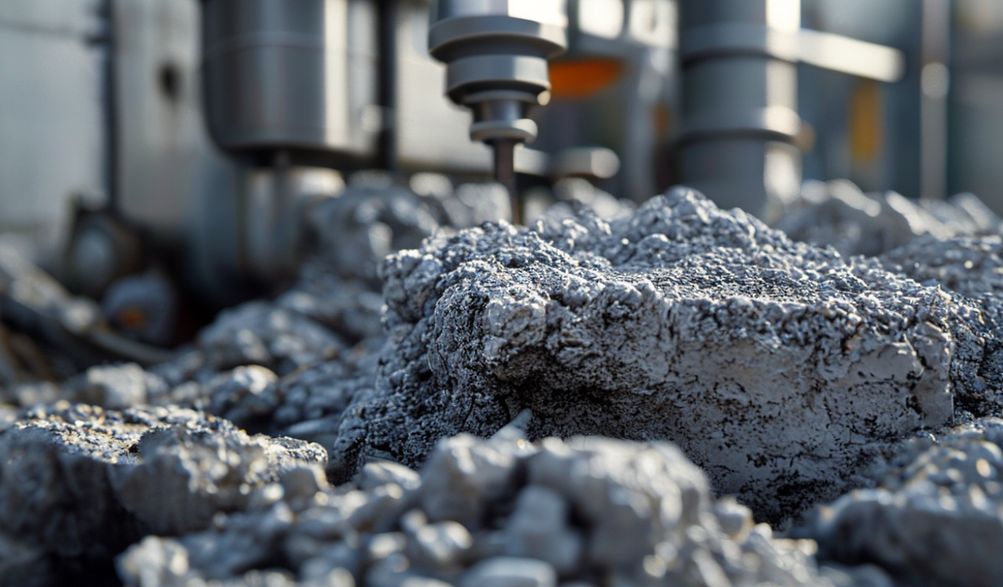
Jagorar Cikakkiyar Kare Muhalli na Injunan Tubali: Gina Makoma Mai Dorewa
Masana'antar ginin duniya tana haifar da sharar gida mai girman tan biliyan 2.2 a kowace shekara. A lokaci guda kuma, sassan bulo na gargajiya da ake gasa suna zama babbar gurbataccen yanayi, inda ake kiyasin suna haifar da hayaki mai nauyin fam tiriliyan 1.4 a kowace shekara daga gasa bulo kadai. Wannan rikicin biyu na sharar gida da hayaki yana tilasta mana mu sake yin tunani mai zurfi kan yadda muke gina duniyarmu.
Matsalar ta asali ta ta'allaka ne a cikin hanyoyin da ake yin bulo na al'ada: tsari mai cinyewa da kuzari wanda ke cinye ƙasa mai albarka, yana fitar da iskar gas mai gurbata muhalli, kuma yana haifar da tsarin "ƙara-yi-zubar da shi". Amma, mafita tana fitowa daga ainihin magudanan sharar da muke neman kawar da su. Shiga cikinInjin Brik na Kare Muhalliwani fasaha mai canzawa wacce ke juyar da tarkace na masana'antu da gini zuwa kayan gini masu ƙarfi da inganci.
Wannan jagora ta zama cikakken bayani, ƙwararren bayani ne ga ƴan kasuwa masu sa ido kan gaba, ƙwararrun masu gine-gine, da masu saka hannun jari masu kula da muhalli. Manufarmu ita ce bayyana wannan fasahar kore, samar da haske da ake buƙata don yanke shawara mai inganci da tasiri. Za ku koyi game da nau'ikan injuna daban-daban, fa'idodinsu masu zurfi, yadda ake zaɓar daidai don aikin ku, ainihin ribar saka hannun jari, da kuma yanayin makomar da ke tsara wannan masana'antar. Bari mu bincika yadda ake gina riba yayin gina makoma mai dorewa.
Menene Injin Brikit na Kare Muhalli?
WaniInjin Brik na Kare Muhalliwani na'ura ce ta musamman na kera kayan aiki da aka ƙera don samar da bulo, pavers, da tubalan ba tare da buƙatar ƙonewa mai zafi ba. Maimakon amfani da ƙasa ta asali ko shale, waɗannan injunan suna amfani da nau'ikan samfuran masana'antu da kayan sharar gida a matsayin manyan abubuwan da ake amfani da su.
Babban ƙa'idar ta ta'allaka ne akan tsari na matsawa da warkarwa. Abubuwa kamar tokar ƙura (daga masana'antar kwal), slag (daga samar da ƙarfe), ƙurar dutse, da sharar ginin da aka sake amfani da su (C&D), ana haɗa su da ƙaramin kaso na abin dauri, kamar siminti ko lemun tsami, da ruwa. Ana sannan sanya wannan cakuda cikin matsin lamba mai ƙarfi a cikin injin, yana matsar da shi ya zama siffa mai kauri da haɗin kai. Ana samun ƙarfin ƙarshe ta hanyar warkarwa—ko dai ta tururi (autoclaving), hydration, ko hanyoyin halitta—wanda ke kunna abubuwan dauri don samar da samfurin da sau da yawa ya dace ko ya wuce ma'aunin gine-ginen tubalin gargajiya.
Wannan fasaha ta samo asali ne daga kimiyyar kayan aiki da aikin gine-gine, wanda ke wakiltar sauyi daga hako mai lalacewa zuwa hada kayan aiki na wayo da dawwama.
Fa'idodi Mafi Muhimmanci na Amfani da Injinan Bulo Masu Kula da Muhalli
Yin amfani da wannan fasaha ba kawai alama ce ta muhalli ba; yanke shawara ce mai dabarun da ke da fa'idodi iri-iri.
Tasirin Muhalli Mai Zurfi
- Amfani da Sharar Gida:Waɗannan injinan su ne ginshiƙin tattalin arziƙin dawwama a cikin gine-gine. Suna karkatar da dubun dubatar ton na samfuran masana'antu da sharar gida daga cikin wuraren zubar da ƙasa da suka cika, suna mai da abin da ake buƙata zuwa wani abu mai daraja.
- Kiyaye Albarkatun:Ta hanyar kawar da buƙatar tono ƙasa mai albarka, suna hana lalacewar ƙasa da kuma lalacewar aikin noma. Har ila yau, suna rage buƙatar hako ma'adanai na farko sosai.
- Ragewar Carbon:Rashin tanderun mai amfani da man fetur shine mafi mahimmancin abu. Samarwa na iya rage hayakin CO2 har zuwa kashi 80-90% idan aka kwatanta da samar da bulo na yumbu na al'ada.
- Ingantaccen Amfani da Makamashi:Duk tsarin—tun daga hadawa har zuwa matsawa zuwa kuma daskarewa da tururi mai ƙarancin matsin lamba—yana cinye ƙarancin makamashi fiye da kiyaye matsanancin zafi na tanderun bulo na gargajiya.
Fasahar Tattalin Arziki da Aiki
- Tasiri Mai Tsada:Farashin kayan masana'antu sun yi raguwa sosai, domin yawancin abubuwan da ake amfani da su su ne kayan sharar gida da ake samu cikin ƙaramin farashi ko ma ba a biya ba (ta hanyar kuɗin zubarwa). Hukumomin gwamnati ma suna ba da tallafi, rangwamen haraji, ko gudummawa ga 'yan kasuwa da suka ɗauki fasahohin da suka dace da muhalli.
- Kyakkyawan Ingancin Samfura:Brick ɗin da ake samarwa ba kawai suna da amfani ga muhalli ba ne; suna da ingantaccen aiki. Fa'idodi sun haɗa da:
- Ƙarfin Matsi Mai Girma:Ya dace da bangon ɗaukar nauyi.
- Kyakkyawan Dorewa: Consistent quality and resistance to weathering.
- Kyakkyawan Rufe Zafi:Yana haifar da tanadin makamashi a cikin gine-gine.
- Jurewar Wuta: Non-combustible nature enhances building safety.
- Girman da Siffar Uniform: Reduces mortar use and construction time.
- Growing Business Opportunity: There is surging demand for sustainable building materials driven by green building certifications like LEED (Leadership in Energy and Environmental Design) and BREEAM. Using these bricks can earn critical points for such certifications, making them highly attractive to developers and architects.
Types of Environmental Protection Brick Machines
Choosing the right machine depends on your target product and production scale. They are typically categorized in two ways.
By Production Process
- Makanikan Matse Ruwa: These use high-pressure hydraulic force to compact the raw material mix in a mold. Ideal for producing very high-density and high-strength bricks, such as fly ash bricks or concrete solid blocks. They offer excellent dimensional accuracy and surface finish.
- Steam Curing (Autoclave) Machines: This process is used for manufacturing lightweight Aerated Autoclaved Concrete (AAC) blocks. A mixture of silica-rich material (like fly ash), lime, cement, and an expansion agent is poured into a mold. After initial setting, the large cake is wire-cut into blocks and hardened in a high-pressure steam autoclave, resulting in lightweight, insulating blocks.
- Vibration Compaction Machines: These machines use high-frequency vibration combined with pressure to compact concrete mix into molds. They are the standard for producing interlocking paving blocks, hollow blocks, and kerbstones. The vibration ensures the mix fills the mold completely, eliminating voids.
By Degree of Automation
- Matsarori Masu Sarrafa Kansu Gabaɗaya: These are complete production lines with automated material feeding, mixing, molding, curing, and palletizing. They require minimal manual labor, ensure consistent quality, and have very high output. The investment is significant but justified for large-scale, commercial operations.
- Matsin Injin Mai Ƙaramin Gudanarwa: A balanced option where core processes like mixing and compaction are mechanized, but tasks like feeding raw materials or removing finished bricks may be manual. They offer a good compromise between output, quality, and initial investment, suitable for small to medium enterprises.
- Manual / Small-Scale Machines: These are simple, often mobile machines operated by a lever or small motor. They have low output but require very low capital and are perfect for community-led projects, rural entrepreneurship, or producing bricks for a specific, small-scale construction project.
How to Choose the Right Machine for Your Needs
Selecting a machine is a critical decision. A systematic approach will ensure your investment is sound.
Assess Your Raw Material Availability
Your local waste streams should dictate your technology choice. Conduct a thorough survey:
* Is there a thermal power plant nearby providing abundant fly ash? (Opt for a hydraulic press).
* Is there abundant construction debris or quarry dust? (A vibration compaction machine may be ideal).
* Securing a consistent, low-cost supply of your primary raw material is the first step to profitability.
Ayyana Maƙasudin Samar da Kayayyaki na Ka
Ask yourself key questions:
* What is your required daily or monthly output (in bricks/blocks)?
* What specific products do you want to make? (Solid bricks, hollow blocks for construction, paving slabs, interlocking blocks?)
* What is your available factory space, ceiling height, and power supply capacity?
* What is the local market demand and price point for these products?
Evaluate Machine Specifications & Supplier
Key Technical Specs to Scrutinize:
* Matsi (Tona): Higher pressure generally yields denser, stronger bricks.
* Lokacin Zagayowar: Time taken to produce one brick/block; determines output capacity.
* Yawan Amfani da Molds: Can the machine produce different sizes/shapes with mold changes?
* Amfani da Wutar Lantarki: Rated in kW; impacts operational costs.
Supplier Vetting (The Most Critical Step):
Your machine’s performance hinges on the supplier’s expertise and integrity. Prioritize:
* Tarihin Aiki Mai Nasara: Request a list of client references and, crucially, visit existing operational plants.
* Technical Expertise & Support: Ensure they provide comprehensive installation, training, and have a responsive after-sales service team.
* Quality & Certifications: The machine itself should be robustly built and comply with industrial safety and quality standards. Supplier certifications are a positive signal.
Analyze Investment & Return (ROI)
Create a detailed financial model.
* Capital Costs: Machine price, installation, mold costs, raw material handling equipment (crushers, screens, mixers).
* Kudin Aiki: Raw materials, binding agents (cement/lime), labor, utilities (power, water), maintenance.
* Revenue & ROI: Project revenue based on your production capacity, selling price, and market uptake. Payback periods can range from 1 to 4 years, heavily influenced by scale, automation level, and local market dynamics.
The Production Process: From Waste to Building Block
Understanding the workflow underscores the efficiency of this technology.
- Raw Material Collection & Preparation: Incoming waste (e.g., C&D waste) is sorted, crushed, and screened to achieve a consistent particle size. Industrial by-products like fly ash may require only storage and drying.
- Precise Mixing & Batching: The prepared raw material is batched by weight or volume into a mixer. Precise amounts of binding agent (e.g., 5-10% cement) and water are added. Chemical additives for faster setting or coloring may be included.
- Gyarawa & Matsawa: The homogeneous mix is fed into the machine’s mold chamber. Here, it is subjected to intense pressure (hydraulic or vibratory) for a set duration, forming a compact, green brick.
- Maganin Ciwon Ciki: The “green” bricks are carefully stacked and cured. Methods include:
- Kula da Tururi: In a chamber for 8-12 hours for rapid strength gain.
- Water Sprinkling: For 14-21 days.
- Natural Curing: Simply allowing them to set in ambient conditions for 28 days.
- Quality Testing & Storage: Samples are tested for compressive strength, water absorption, and dimensional tolerance as per standards (ASTM, IS, etc.). Once passed, the bricks are packaged and stored for dispatch.
FAQs About Environmental Protection Brick Machines
Q1: What are the main raw materials used?
A: The most common are industrial by-products like fly ash, bottom ash, blast furnace slag, and steel slag. Other sources include quarry dust, recycled concrete aggregate (RCA), crushed glass, certain non-hazardous mine tailings, and even processed plastic waste in specific composite applications.
Q2: Are bricks from these machines as strong as traditional clay bricks?
A: Absolutely. When produced correctly, they conform to and often exceed national and international building standards (e.g., ASTM C90, IS 2185). Fly ash bricks, for instance, typically have higher compressive strength and lower water absorption than Class 10 clay bricks, while being lighter and providing better thermal insulation.
Q3: What is the typical payback period for such an investment?
A: It varies widely from 1 to 4 years. Key factors are the scale of operation (fully automatic plants see faster ROI at high volume), the cost and availability of local raw materials, the selling price of the finished bricks in your market, and operational efficiency. A detailed, location-specific business plan is non-negotiable.
Q4: Do these machines require special technical skills to operate?
A: Reputable suppliers provide comprehensive training for operators and maintenance staff. Semi- and fully-automatic machines are designed for user-friendly operation, often with PLC (Programmable Logic Controller) panels. The essential skills relate to routine maintenance, basic troubleshooting, and strict adherence to the mixing formula.
Q5: How does this contribute to green building certifications?
A: Directly and significantly. Systems like LEED award points for using recycled-content materials, regional materials, and innovation in design. Bricks made from post-industrial recycled content are a direct pathway to earning these points, making a construction project more sustainable and more valuable in the marketplace.
The Future of Sustainable Construction Machinery
The evolution of Environmental Protection Brick Machines is accelerating, driven by digitalization and deeper circular economy principles. Key trends include:
* IoT Integration: Sensors on machines will provide real-time data on production parameters, machine health, and output quality, enabling predictive maintenance and optimal efficiency.
* AI & Automation: Advanced vision systems and AI will automate quality control, instantly rejecting sub-standard products and adjusting mix proportions in real-time.
* Ƙirƙirar Kayan Aiki: Machines will adapt to process newer, more complex waste streams, such as higher percentages of mixed plastic waste or novel mineral composites.
* Policy Drivers: As global carbon pricing and extended producer responsibility (EPR) schemes become widespread, the economic incentive to adopt this waste-to-resource technology will become irresistible.
Ƙarshe
TheInjin Brik na Kare Muhalli is far more than just a piece of factory equipment; it is a catalyst for a fundamental shift in the construction paradigm. It enables a true circular economy, turning the sector’s waste problem into its most promising solution. The value proposition is a powerful triple-win: unparalleled environmental stewardship through waste diversion and carbon reduction, compelling economic viability via low input costs and high-value output, and superior building performance that meets modern engineering standards.
The technology’s track record is proven, and its future is integral to sustainable development. The next step is action. We encourage you to conduct a localized feasibility study, reach out to reputable suppliers for detailed consultations, and, most importantly, visit an operational plant. See the process firsthand, speak with the operators, and witness how industrial waste is transformed into the very building blocks of a greener, more resilient future.
<