
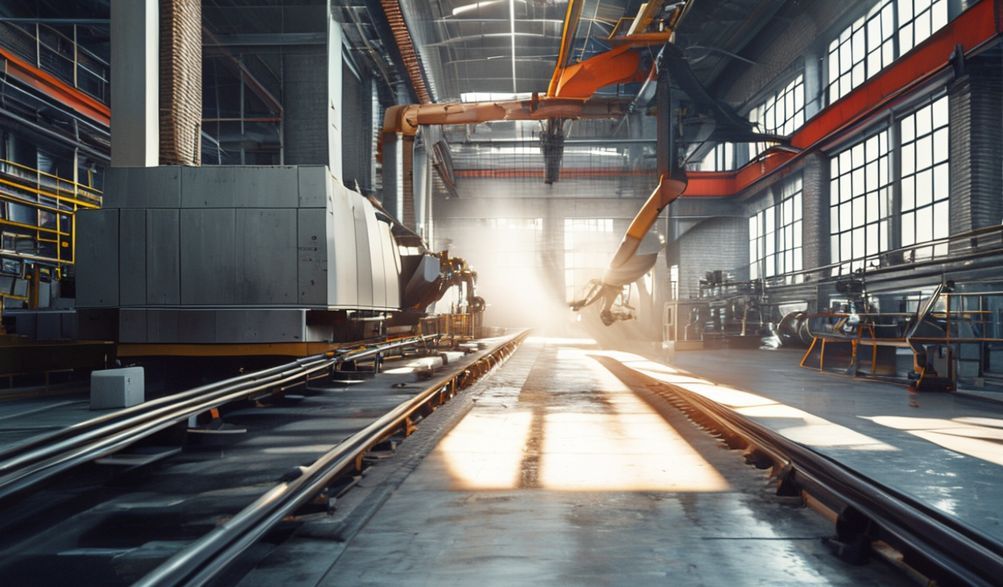
Jagoran Cikakku don Nemo Kamfanonin Kera Kayan Aikin Tubalin Block Masu Amintacce da Suke Siyarwa
Gabatarwa
Karuwawar ginin duniya ba ta nuna alamun raguwa ba. Daga ayyukan gidaje na birane zuwa muhimman ababen more rayuwa, bukatar kayan gini masu tsayi da araha ba ta da iyaka. A tsakiyar wannan sarkar samarwa akwai wata muhimmin kayan aiki: injin yin bulo. Ga 'yan kasuwa, kamfanonin gine-gine, da masu saka hannun jari, nemo injin da ya dace ba siye kawai ba ne—shi ne jigon zuba jari don aiki mai riba da inganci.
Wannan jagora ta zama cikakkiyar tushen ƙwarewar ku don kewaya cikin sarƙaƙƙiyar kasuwar masana'antun injinan bulo. Manufarmu ita ce mu yanke hayaniyar tallace-tallace kuma mu ba ku ilimin masana'antar da ake buƙata don gano masana'antun da suka dace na injinan "saye mai zafi". Mun fahimci ainihin niyyar ku: ba kawai neman kayan aiki ba ne; kuna neman injin da ya tabbatar da aikin kasuwa wanda ke ba da madaidaicin ma'auni na fitarwa, dorewa, tsadar kuɗi, da fasahar fasaha.
Duk da haka, "hot sale" alama ce da ke buƙatar tantancewa a hankali. Tana iya nuna samfurin da ya fi kowa kyau, ko kuma kalmacin talla ce mara amfani. Wannan jagorar ta haɗa gogewar masana'antu na shekaru da yawa, ƙa'idodin masana'antu, da tsarin kimantawa mai mahimmanci. Za mu ba ku kayan aiki don bambance tsakanin su biyu, wanda zai canza ku daga mai siye mai yiwuwa zuwa abokin tarayya mai ilimi, a shirye don yanke shawara da za ta haɓaka kasuwancin ku na shekaru masu zuwa.
Me Yasa Injin Yin Tubalin Yake Kasancewa “Kaya Mai Sayuwa” A Kasuwa?
Kalmar "sale mai zafi" a cikin injiniyan masana'antu ba game da yanayin wucin gadi ba ne. Yana nuna tabbacin kasuwa kai tsaye. Waɗannan su ne samfuran da suka dace da buƙatun masu kera tubalin a duniya a kai a kai. Fahimtar abin da ke haifar da wannan shaharar shine matakin farkon ku na yin saniyar hannu mai hikima.
Siffofin Kasuwa-Mai Gudana
Hot sale machines succeed because they solve real-world production problems. They typically offer a superior value proposition defined by:
- Babban Sarrafa Kansa: Reducing manual labor dependency, minimizing human error, and ensuring consistent product quality.
- Ingantaccen Amfani da Makamashi: Incorporating optimized hydraulic systems and motors that lower operational costs—a major concern for high-volume production.
- Operational Versatility: The ability to produce a wide range of products—hollow blocks, solid bricks, paving stones, interlocking blocks—by simply changing molds. This allows businesses to adapt to market demands.
- Robust Output & Uptime: Designed for continuous, stable operation with minimal breakdowns, maximizing daily production capacity and return on investment.
Technological Advancements
Behind every best-selling machine is cutting-edge technology that enhances performance and reliability.
- Tsarin Sarrafa PLC: Provide precise, programmable control over the production cycle, pressure, and vibration, leading to consistent brick density and strength.
- Advanced Vibration Technology: High-frequency, multidirectional vibration systems ensure optimal compaction of raw materials, resulting in blocks with high structural integrity and smooth surfaces.
- Quick Mold Change Systems: Drastically reduce downtime when switching between block types, increasing overall plant flexibility and efficiency.
- Automated Pallet Feeders and Stackers: Integrate seamlessly into production lines, further automating material handling and reducing labor costs.
The Balance of Cost & Performance
A critical insight is that the most popular machines are rarely the absolute cheapest on the market. The “hot sale” status is earned through lowest total cost of ownership (TCO).
- Initial Price vs. Long-Term Value: A cheaper machine may have inferior components, leading to frequent breakdowns, high maintenance costs, and inconsistent output.
- TCO Calculation: This includes purchase price, installation, energy consumption, maintenance, spare parts, and expected lifespan. A slightly higher upfront investment in a robust, efficient “hot sale” model often translates to significantly lower costs per block produced over 5-10 years.
Key Factors to Evaluate in a Block Brick Machine Factory
Selecting the right machine is only half the battle. The factory that builds it is your long-term partner. Their expertise, processes, and ethics will directly impact your success. Here are the non-negotiable factors to scrutinize.
Ƙwarewar Ƙwarewa da Kwarewa a Masana'antu
- History & Specialization: How long has the factory been dedicated to brick-making machinery? A decade-plus of focused experience suggests refined processes and accumulated knowledge.
- R&D Capabilities: Does the factory have a genuine in-house engineering and R&D department? This is crucial for innovation, customization, and future technical support. Avoid “assembly-only” workshops that simply put together sourced components.
- Takardar Bayanin Fasaha Professional factories provide detailed operation manuals, electrical schematics, and parts catalogs. The quality of this documentation reflects the quality of the machine’s design.
Production Capacity and Quality Control
- Factory Scale & Stability: A facility with significant production capacity usually indicates a stable supply chain and the ability to fulfill orders reliably. Ask about their annual output and lead times.
- QC Processes: Probe deeply into their quality control. Where do they source their steel, hydraulics, and electrical components? What in-process checks (welding, machining, assembly) are performed? Is every machine subjected to a full no-load and load test before shipment?
- Takaddun shaida: Look for international certifications like ISO 9001(Kula da Ingancin Kayayyaki) daCE (for the European market, indicating compliance with safety standards). Understand that these should be for the machinery itself, not just the company. They are indicators of a systematic approach to quality, not mere decorations.
Machine Performance and Specifications
Move beyond glossy brochures. Analyze the hard data.
- Key Specs to Compare:
- Lokacin Zagayowar: Seconds per block. Lower is faster.
- Sakamako: Calculate blocks per 8-hour shift, not just per hour, under realistic conditions.
- Ƙarfin Matsi: Measured in tons or kilonewtons. Higher pressure generally means denser, stronger blocks.
- Amfani da Wutar Lantarki: In kW/h. Essential for calculating your operating expenses.
- Core Component Quality: The soul of the machine lies in its:
- Tsarin Hydraulic: Brands like Rexroth, Kawasaki, or Yuken are hallmarks of reliability.
- Tsarin Tsari: Made from high-grade steel with robust welding to withstand constant vibration.
- Kwayoyin ƙura: Precision-machined from hardened steel for longevity and perfect block dimensions.
- Kewayon Kayayyaki: Verify the specific block types, sizes, and thicknesses the machine can produce. A versatile machine protects your business from market shifts.
After-Sales Service and Support
This is where great factories separate themselves from the rest. Your relationship begins after the sale.
- Warranty: Standard is 12 months for parts. What is excluded? Wear parts like molds? What is the process for claiming warranty?
- Shigarwa & Horarwa: Do they offer supervised installation and commissioning by their engineers? Is comprehensive operator training included or available?
- Kayan Gyara: Do they maintain a comprehensive inventory of critical spare parts? What is their promised lead time for shipping parts globally?
- Tallafin Fasaha: Is support accessible via phone, WhatsApp, or email? Do they offer 24/7 emergency support? Can they provide remote diagnostic assistance?
How to Vet and Select the Right Factory: A Step-by-Step Process
Armed with evaluation criteria, follow this actionable framework to navigate your sourcing journey.
Step 1: Comprehensive Online Research & Shortlisting
- Use B2B Platforms Strategically: On sites like Alibaba or Made-in-China, look beyond the “Gold Supplier” badge.
- Read negative and neutral reviews carefully.
- Check the “Transaction History” and “Response Rate.”
- Be wary of suppliers with perfect 5-star ratings and few detailed reviews.
- Analyze Factory Websites: A professional website with detailed technical data, clear photos/videos of the workshop (not just stock images), and a logical structure is a positive sign.
- Seek Evidence: Look for detailed case studies or a project portfolio showing machines installed and operating in real factories, preferably in countries similar to yours.
Step 2: Deep-Dive Communication & Request for Quotation (RFQ)
- Ask Probing Questions: When you contact them, ask specific questions:
- “Can you share a video of this specific model under load in your factory?”
- “What brand and model is the hydraulic pump and PLC you use?”
- “Can you provide contact information for 2-3 recent customers in [Your Region]?”
- Analyze the Quotation (Proforma Invoice):
- FOB vs. CIF: Understand the terms. FOB means you handle shipping and insurance from the Chinese port. CIF includes cost, insurance, and freight to your nearest port.
- Inclusions/Exclusions: Is installation supervision included? How many molds are included? What about tools and a standard spare parts kit?
Step 3: Factory Audit (Virtual or On-Site)
- Virtual Tour Checklist: If you cannot visit, insist on a live video call walking through the production floor, QC area, and testing zone. Look for organization, skilled workers, and modern equipment.
- On-Site Visit Priorities: If visiting, observe:
- The quality of welding and paint finish on machines in production.
- The organization of the assembly line and parts storage.
- The attitude and knowledge of the engineers and production managers.
- Interview the Team: Speak directly with the service manager and a senior engineer. Their depth of knowledge is telling.
Step 4: Final Evaluation and Negotiation
- Create a Scorecard: Build a simple spreadsheet. Weight factors like Price (30%), Technical Specs (25%), After-Sales Service (25%)kumaFactory Trustworthiness (20%). Score each shortlisted factory objectively.
- Negotiate from a Position of Knowledge: Negotiate on:
- Payment Terms: Aim for a secure structure (e.g., 30% deposit, 70% before shipment).
- Warranty: Can it be extended to 18 months?
- Delivery: Can they commit to a firm date with a penalty clause for delays?
Common Pitfalls to Avoid When Sourcing Machinery
Forewarned is forearmed. Avoid these costly mistakes.
The “Too Good to Be True” Price Trap
A quote significantly lower than the market average is a major red flag. The hidden costs will emerge through:
* Frequent mechanical failures and downtime.
* Poor-quality blocks that cannot be sold.
* Exorbitant shipping costs for heavy, low-quality spare parts.
* Higher energy consumption due to inefficient design.
Overlooking Local Support
A machine will eventually need service. If the factory has no agent or representative within a reasonable distance or time zone, you could face weeks of downtime waiting for a technician. Prioritize factories with a proven network or a willingness to travel to your site.
Ignoring Raw Material Compatibility
The best machine in the world will fail if it’s not suited to your local materials. Provide the factory with samples of your sand, aggregate, or soil. They should be able to advise on mix design and, if necessary, customize the vibration or pressure system to ensure optimal results with ka inputs.
Vague Contract Terms
A purchase contract must be explicit. Ensure it clearly defines:
* Warranty Scope & Claim Process.
* Performance Guarantees (e.g., output per shift, block strength).
* Liability for damages during shipping.
* Dispute Resolution mechanism and governing law.
Tambayoyin da ake yawan yi (FAQ)
Q1: What is the average lead time for a hot sale block brick machine from order to delivery?
A: Typically 30-45 days for standard models after deposit confirmation and finalizing technical details. Customized machines or large orders may take 60-90 days. Always get a written commitment in the sales contract.
Q2: Can these machines be customized for my specific project needs?
A: Reputable factories often offer customization options, such as special mold designs for unique block shapes, integrated color feeders, or higher levels of automation (auto-stackers, robotic palletizers). Discuss your requirements during the initial RFQ stage.
Q3: What is the most important factor for long-term machine reliability?
A: While many components are important, the quality of the tsarin na'urar motsa ruwa and the integrity of the main structural frame are paramount. Compromising on these for a lower price almost always leads to higher long-term costs and operational headaches.
Q4: How do I handle machine installation if I have no local technicians?
A: The safest and most recommended approach is to pay for supervised installation and commissioning by the factory’s engineers. This ensures the machine is set up correctly, calibrated for your materials, and your operators are trained properly—saving you immense time and avoiding costly initial errors.
Q5: Are “hot sale” machines suitable for starting a small business?
A: Absolutely. The “hot sale” category includes robust semi-automatic and small-scale fully automatic models perfect for SMEs. Look for models marketed as “best sellers for startups” and ensure the factory provides strong foundational support, including business guidance on mix design and basic maintenance.
Ƙarshe
Finding the right block bricks making machine is a pivotal decision, but finding the right factory is what secures your long-term success. This journey is about forging a partnership, not just executing a transaction. As we’ve outlined, due diligence—meticulously evaluating a factory’s expertise, production integrity, and service commitment—is the non-negotiable foundation of a profitable venture.
Use the frameworks and checklists in this guide as your roadmap. Start your search with clear criteria, engage in detailed and probing communication with shortlisted suppliers, and always prioritize verifiable evidence and transparent processes over glossy marketing claims. Remember, the goal is not to find the cheapest machine, but the most valuable partner.
A wise investment in reliable machinery from a reputable factory does more than produce blocks; it builds the foundation for a resilient, efficient, and sustainable business capable of growing alongside the global demand for construction.
<