
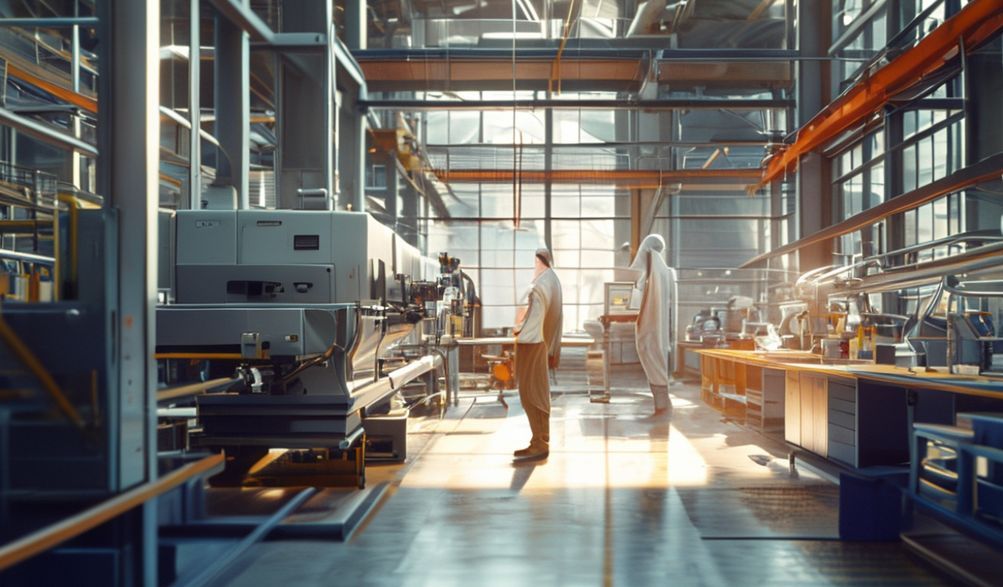
신뢰할 수 있는 핫 세일 블록 제작기 공장 찾기: 구매자를 위한 종합 가이드
글로벌 산업 시장에서 블록 제조 기계를 조달하는 것은 고위험 도박과 같을 수 있습니다. 수많은 웹사이트가 '핫 세일 블록 제조 기계 공장'을 자처하며 최고의 가격과 품질을 약속합니다. 이 결정은 단순한 구매가 아닌, 향후 10년 이상의 생산 능력, 제품 품질, 운영 수익성을 좌우할 중대한 자본 투자입니다. 화려한 브로셔나 최저가만을 기준으로 선택한다면, 값비싼 가동 중단 시간, 저품질 블록, 그리고 끝없는 지원 문제를 초래할 것입니다.
이 가이드는 이론에서 비롯된 것이 아니라, 오랜 업계 경험에서 탄생했습니다. 우리는 단순히 작동하는 기계와 수년간 최적으로 성능을 발휘하는 기계 사이의 현격한 차이를 목격해왔습니다. 우리의 목표는 마케팅의 소음 속에서 핵심을 파악할 수 있는 중요한 통찰력과 실질적인 단계를 제공하는 것입니다. 여기서는 저렴한 기계를 찾는 데 초점을 맞추는 대신, 평판 좋은 공장과의 파트너십을 구축하는 데 중점을 둘 것입니다. 이는 귀사의 지속 가능성과 성장에 근본적인 영향을 미치는 결정입니다. 먼저, 기계의 배후에 있는 공장이 왜 가장 중요한 결정 요소인지 이해하는 것부터 시작해 보겠습니다.
공장 선택이 '핫 세일' 가격표보다 중요한 이유
초기 송장은 단지 입장료에 불과합니다. 진정한 전략적 구매는 기계를 둘러싼 전체 생태계를 평가하는 것입니다. 공장의 진정성, 전문성, 운영 철학은 여러분이 받는 장비에 직접적으로 내재되어 있습니다. 이를 간과하는 것은 구매자가 할 수 있는 가장 흔하고 값비싼 실수입니다.
총 소유 비용
블록 제조업체를 구매 가격만으로 평가하는 것은 위험한 지나친 단순화입니다. 총 소유 비용(TCO)은 기계의 전체 수명 주기를 포함하며 진정한 가치 제안을 보여줍니다.
- 에너지 소비 A poorly engineered machine with inefficient hydraulics or vibration systems can consume 20-30% more electricity. Over years of multi-shift operation, this difference amounts to a staggering sum.
- Maintenance & Parts: Machines built with inferior, non-standard bearings, seals, and hydraulic hoses will fail more frequently. The cost isn’t just the spare part; it’s the production hours lost during unscheduled downtime and the logistical nightmare of sourcing obscure components.
- Longevity & Residual Value: A machine from a quality factory, built with high-grade steel and premium components, can operate reliably for 15-20 years with proper care. A copycat machine from a low-tier assembler might be riddled with issues within 5 years, offering zero resale value.
Quality Consistency & Production Efficiency
Your factory’s reputation is built on every block you ship. Inconsistent block dimensions, fluctuating compressive strength, or high defect rates directly damage client trust and profitability. This consistency is forged in the supplier’s factory.
- 정밀 공학: The tolerance on a mold, the balance of a vibration table, and the programming of a PLC system determine dimensional accuracy. A difference of a millimeter can make blocks difficult to lay.
- Process Control: Reputable factories have rigorous quality control checkpoints throughout assembly and testing. This ensures every machine that leaves their door meets the same high standard, translating to predictable, efficient output on your site.
After-Sales Support as a Deal-Breaker
The moment your machine is unloaded at your facility is when the factory’s true value is tested. A “hot sale” ends; a partnership begins.
- 기술 지원 When a complex hydraulic fault occurs, you need more than a PDF manual. You need accessible, knowledgeable engineers who can guide your team through troubleshooting via video call or dispatch timely assistance.
- Spare Parts Logistics: The guarantee that genuine, correctly specified spare parts are available and can be shipped via a reliable supply chain is non-negotiable. A factory without a robust parts inventory is selling you a disposable asset.
- 종합 훈련 Proper training on operation, routine maintenance, and safety protocols is essential for maximizing uptime and ensuring a long equipment life. This should be a standard offering, not a costly add-on.
Key Indicators of a Top-Tier Block Making Machine Factory
Identifying a leading manufacturer requires looking beyond the sales pitch to verifiable indicators of capability and culture. Here are the pillars to assess.
Manufacturing Expertise and Technological Capability
This separates true manufacturers from assemblers.
- 내부 연구개발 대 조립 Ask about their engineering team. Do they design their own frames, hydraulic circuits, and control software? Factories with in-house R&D can offer meaningful customization and continuous improvement. Assemblers simply bolt together bought-in parts, often with limited understanding of system integration.
- Modern Technology Adoption: Look for evidence of:
- Advanced PLC Control Systems (e.g., Siemens, Mitsubishi) allowing for precise, programmable operation.
- Optimized Vibration Systems that ensure even compaction for uniform block density.
- Energy-Saving Designs like variable displacement pumps and regenerative hydraulic circuits.
- Certifications with Context: Certificates like ISO 9001 (Quality Management) and CE (meeting EU health, safety, and environmental standards) are positive signs. However, understand what they mean: they indicate a systematic approach to processes, not an automatic guarantee of product superiority. Ask how these standards are implemented on the shop floor.
Transparency and Communication
A trustworthy factory has nothing to hide and everything to showcase.
- Virtual Factory Access: In today’s world, a willingness to provide a comprehensive live video tour of the production floor, welding bays, and testing area is a strong positive signal. It shows pride in their facility and process.
- Specification Clarity: Be wary of vague claims like “high power” or “super strong.” Demand precise, documented specifications: motor kilowatt ratings, hydraulic system pressure (in Bar or PSI), exact cycle times for specific block types, and detailed dimensional drawings.
- Technical Dialogue: During inquiries, gauge the responsiveness and depth of answers. A salesperson who must “check with the engineer” for every technical question is a red flag. Ideally, you can communicate directly with a technical manager.
Material and Component Sourcing
The soul of a durable machine lies in its components.
- Branded, High-Grade Components: The use of internationally recognized brands is a hallmark of quality. Inquire specifically about:
- PLC and Electrical Components: Siemens, Schneider, Omron.
- 유압 시스템: Rexroth, Parker, Yuken.
- Bearings and Guides: SKF, NSK, THK.
- Structural Steel and Mold Quality: The machine frame should be constructed from properly stress-relieved, high-tensile steel. Molds should be made from hardened, abrasion-resistant steel (e.g., Cr-Mo alloy) and machined with precision CNC equipment for longevity and perfect block finish.
Proven Track Record and Client Portfolio
History is a reliable predictor of future performance.
- Beyond Testimonials: Ask for detailed case studies. A good case study will show a machine’s performance over time, not just at installation. Request contact information for 2-3 long-term clients (1+ years of operation) in a region similar to yours.
- 다양한 포트폴리오 A factory that has successfully supplied machines for large-scale infrastructure projects, mid-sized block yards, and specialized applications (using fly ash, clay, etc.) demonstrates adaptability and proven engineering solutions across different challenges.
A Step-by-Step Due Diligence Process for Buyers
Turn these indicators into an actionable investigation plan. Treat this process with the seriousness of a major business partnership.
Phase 1: Deep-Dive Research & Shortlisting
- Analyze the Digital Footprint: Go beyond the website’s “Products” page. Look for:
- Technical Articles or Blogs: A factory sharing knowledge about block mix design, maintenance tips, or industry trends demonstrates expertise.
- Industry Forum Participation: Are their engineers active in solving technical problems online?
- Patent Filings: This is a strong indicator of genuine R&D and innovation.
- Scrutinize Client Evidence: When reviewing “success stories,” look for specifics: project name, location, machine model, and quantifiable results (e.g., “increased output by 30%”). Always ask for and follow up on client references.
Phase 2: The Technical Inquiry & Quotation Analysis
Prepare a detailed technical questionnaire. Essential questions include:
- 뭐야?detailed, step-by-step cycle time for a standard 400x200x200mm hollow block?
- What is the guaranteed noise level during operation?
- Can you provide the recommended preventive maintenance schedule with intervals?
- What is the standard paint process (e.g., sandblasting, primer, topcoat) for corrosion protection?
When comparing quotations, ensure you are comparing “apples-to-apples.” Create a spreadsheet that breaks down:
| Item | Factory A Quote | Factory B Quote |
| :— | :— | :— |
| FOB Price | $XX,XXX | $XX,XXX |
| Shipping to Port | Included? | Extra? |
| Standard Accessories | Pallet feeder? Cement silo? | Listed? |
| Initial Spare Parts Kit | What’s included? | Cost? |
| Training (onsite) | Duration? Trainer costs? | Included? |
| 보증 | 12 months on parts? Labor? | 18 months? |
Phase 3: Verification and Final Negotiation
- Request Process Documentation: Ask for their manufacturing process flow chart and quality inspection reports (IPQC). This shows systematic control.
- Craft a Robust Contract: Do not rely on a simple proforma invoice. Key clauses must cover:
- Warranty Scope: Clear definitions of what is covered (parts, labor, travel) and what constitutes misuse.
- Performance Guarantees: Guaranteed output per shift, block strength, and dimensional tolerances, with defined remediation steps if not met.
- Delivery Penalties: Financial penalties for significant delays beyond the agreed delivery date.
- After-Sales SLA: A Service Level Agreement specifying response times for technical queries and spare parts dispatch.
Red Flags: Signs a “Hot Sale Factory” Might Be a High-Risk Choice
Protect yourself by recognizing these common warning signs.
Unrealistically Low Prices
In heavy machinery, you truly get what you pay for. A price significantly below market average is almost always achieved by:
* Using recycled or low-grade steel susceptible to fatigue cracking.
* Installing counterfeit or “local brand” hydraulic pumps and valves with short lifespans.
* Skipping critical quality control steps and performance testing.
Vague or Evasive Communication
- Inability or refusal to provide specific technical data sheets.
- Pushing back against requests for a virtual factory tour or client references.
- Using high-pressure sales tactics (“This price is only valid for 24 hours!”).
Lack of a Clear After-Sales Structure
- No mention of service partners or technical support network in your region.
- Vague or non-existent warranty terms.
- Spare parts are quoted as “available” but with no clear pricing or stock level information.
FAQ Section
Q: What is the typical lead time for a block making machine from a reputable factory?
A: For a standard model, a realistic lead time is 30 to 60 days after order confirmation and deposit. For highly customized machines or large orders, 60 to 90 days is common. Be wary of factories promising delivery in under 20 days; this often indicates they are not manufacturing to order but may be selling old stock or a machine not built to your exact specifications.
Q: How important are factory visits, and are virtual alternatives acceptable?
A: An in-person visit is the gold standard. It allows you to assess build quality, workshop organization, and team expertise firsthand. If travel isn’t feasible, insist on a comprehensive, live, and interactive virtual tour conducted by a senior engineer—not a pre-recorded marketing video. Ask them to show you specific areas like welding stations, the electrical panel assembly area, and their testing bay.
Q: What’s the difference between a “factory price” and a trader’s price?
A: A “factory price” comes directly from the manufacturer. A trader’s price includes a markup for their service, which can be valuable if the trader provides strong local language support, handles import logistics, and maintains local spare parts. The critical step is to verify the trader’s authorization from the factory and understand exactly what services their markup covers.
Q: Can a factory customize a machine for my specific raw materials?
A: Absolutely, and this capability is a key marker of expertise. A serious factory will request samples of your aggregates (sand, gravel, fly ash) to analyze particle size distribution and composition. They should then be able to recommend adjustments to vibration frequency, pressure, and even mold design to optimize block quality with your local materials.
Q: What are the most critical spare parts I should negotiate to be included in the initial purchase?
A: Negotiate for an “Initial Spare Parts Package” to cover high-wear items. Essential parts include:
* A full set of seal kits for the main hydraulic cylinders.
* Key mold liners or wear plates.
* A set of filters for the hydraulic and lubrication systems.
* Commonly used sensors and relays for the control system.
* Specialized tools for mold changeover or adjustment.
결론
Finding a genuine “hot sale block making machine factory” is less about chasing a discount and more about conducting strategic due diligence. The goal is to transition from a one-time transaction to a long-term technical partnership that supports your business growth. By focusing on the factory’s inherent capabilities—its expertise, transparency, component quality, and proven track record—you make an investment that pays dividends in productivity, product quality, and peace of mind for years to come.
Use this guide as your framework. Ask the detailed questions, demand clear evidence, and trust the verification process over persuasive sales talk. Your informed decision today will lay the unshakable foundation for your block-making success tomorrow.
<