
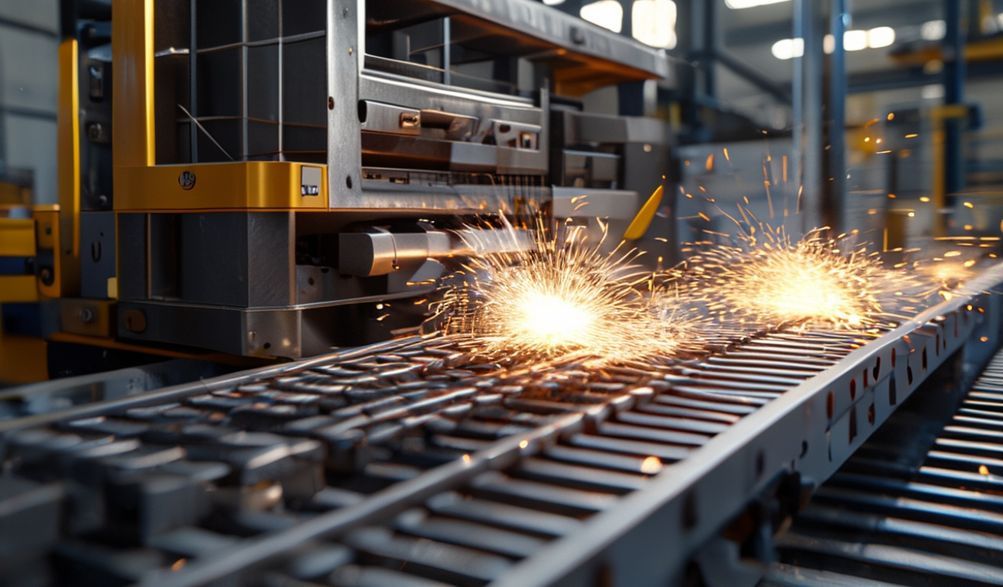
Ultima Tua Ductor ad Eligendum Machinam Laterum Coquendorum Calidam Venditionis
Introductio
Industria aedificatoria globalis simplici ac valido necessitate nititur: materiae structrices parabilis, durabilis, prompteque praesto. In hac necessitate exsatianda primas agunt lateres et structurae e caemento factae—versatiles, robustae, parvoque constantes. Sed post omnem laterem fidelem stat machina structurae modernae: machina laterum fabricandorum. Cum urbanizatio accelerat et incepta infrastructurae multiplicantur, transitus a tarda et operosa productione manuali ad efficientem automationem non est modus tantum; est necessitas negotialis.
At vero, velox quaesitum "machinae ferventis venditionis laterum coquentium" vertiginosam optionum varietatem detegit, quarum quaeque exitum singularem et notas novatorias pollicetur. Hic nimius delectus debilitare potest. Quomodo veram innovationem ab astuta mercatura discernis? Quomodo praestare potes ut tua magna pecunia in quaestuosa ac diuturna operatione vertatur, non solum in pretioso machinamento pulverem colligente?
Hoc ductorium ad illam strepitum secandum comparatum est. Ex normis industriae, principiis technicis machinalibus, et perspicuis ex operatione reali collectum, claram et efficacem viam praebemus. Propositum nostrum est te instruere peritia perita ad machinam eligendam quae cum productionis tuae mensura, sumptu, et longinqua visione optime congruat, firmum reditum investitionis (ROI) ac fundamentum perennis prosperitatis praestans.
Intellectus Laterum Coctilium Machinas Faciendi: Genera et Technologia Fundamentalis
Antequam "venditiones calidas" exemplaria diiudices, necessarium est intellegere quid hae machinae faciant et quomodo inter se differant. Haec cognitio fundamentalis est ad consilium informatum capiendum.
Quomodo Machinae Laterum Conficiendorum Operantur? (Processus Elementarius)
At its core, a block making machine automates and intensifies a precise sequence. Understanding this cycle demystifies the technology:
- Miscens: Raw materials (cement, aggregates like sand or crushed stone, fly ash, and water) are blended into a homogeneous, semi-dry concrete mix. Consistency here is critical for final block strength.
- Alimentatio: The mix is conveyed into the machine’s mold box or hopper. In automatic systems, this is done via belt conveyors or feeders for continuous operation.
- Coarctatio: This is the heart of the process. The machine employs high-frequency vibration and immense hydraulic pressure to force the mix into every corner of the mold, eliminating air pockets. This compaction determines the block’s density and structural integrity.
- Fingere: The compacted mix takes the shape of the mold cavity—which can be for hollow blocks, solid bricks, paving slabs, or interlocking stones.
- Ejectio et Sanatio: The freshly formed, or “green,” block is ejected onto a pallet or the ground. It then undergoes a curing process, where it gains strength through controlled moisture and temperature over days.
Clavis Machinarum Genera: A Manualibus ad Plenam Automaticam
Gradus automationis pretium machinae, productum, et opera postulata definit.
-
Manuales & Semi-Automatariae Machinae:
- Optimum Pro: Entrepreneurs, small-scale startups, or specific low-volume projects.
- Operatio: Require significant manual labor for feeding mix and removing blocks. Compression may be via a lever or a small hydraulic system.
- Pros: Very low initial investment, simplicity, and low power needs.
- Incommodis: Low output (e.g., 500-2000 blocks per day), high labor intensity, and less consistent product quality.
-
Fully Automatic Machines (The “Hot Sale” Core):
- Optimum Pro: Commercial block yards, medium to large-scale construction projects, and businesses focused on high-volume supply.
- Operatio: Integrated systems handle mixing, feeding, compaction, molding, and block stacking/palletizing with minimal human intervention, governed by a Programmable Logic Controller (PLC).
- Pros: High output (e.g., 8,000 to 30,000+ blocks per 8-hour shift), exceptional consistency, massive labor savings, and the ability to run multiple shifts.
- Incommodis: Higher capital cost, more complex infrastructure (strong foundation, three-phase power), and need for more skilled maintenance.
-
Stationariae contra Mobiles Machinae Laterum
- Plantae Stantes: Large, fixed installations designed for maximum output in a dedicated factory setting. They are the pinnacle of automated production.
- Mobile Machines (e.g., “Egg-Laying” Block Makers): Self-contained units that produce and deposit blocks directly onto a level ground surface. They offer excellent flexibility for on-site production, reducing transport costs for large projects.
Why Are Certain Models a “Hot Sale”? Decoding Market Trends
A machine becomes a “hot sale” not by accident, but because it successfully addresses the current pain points and aspirations of block manufacturers. In 2026, demand is driven by a blend of efficiency, intelligence, and durability.
Features Driving Demand in 2026
- Efficacia Energiae: With rising global energy costs, machines that deliver high output with optimized hydraulic systems and efficient vibration motors are top priorities. Look for models boasting lower kWh per block produced.
- Versatilitas Productionis: Market success requires agility. The most sought-after machines can quickly switch between producing hollow blocks, solid bricks, paving stones, and curbstones. Quick-change mold systems (often under 10 minutes) are a major selling point.
- Robustness & Low Maintenance: Downtime is the enemy of profit. Buyers prioritize machines built with high-grade, wear-resistant steel (like Hardox) for key components—the mold, tamper head, and pallet conveyor. Simplified design for easier access during servicing is a huge plus.
- Smart Automation: Modern control goes beyond simple cycles. Touchscreen Human-Machine Interfaces (HMIs) with intuitive controls, real-time fault diagnostics, and production data logging are now expected. This allows for precise quality control and operational analysis.
The ROI Equation: How a “Hot Sale” Machine Pays for Itself
The term “hot sale” should be synonymous with “strong ROI potential.” Here’s a simplified breakdown:
- Investitio Initialis: This includes the machine price, shipping, installation, and foundation costs.
- Ongoing Costs: Raw materials, labor, energy, maintenance, and spare parts.
- Revenue Drivers: Number of blocks produced per shift, market price per block, and machine uptime (availability).
The ROI Calculation: A machine with a higher upfront cost but double the output and 30% lower labor costs can pay for itself much faster than a cheaper, slower, labor-intensive model. A common oversight is not factoring in the total cost of ownership over 5-10 years, where reliability and maintenance costs become decisive.
Critical Factors to Consider Before You Buy (Expert Selection Guide)
This is where your research gets practical. Moving from features to a specific purchase requires a disciplined assessment.
Aestimatio Opum et Magnitudinis Productionis Tuae
Start with the end in mind. Ask yourself:
* What is my target daily output? Calculate based on existing orders or local market demand. (e.g., “I need to supply 10,000 solid blocks per day to a housing project.”).
* Am I starting a commercial supply yard or fulfilling a specific contract? The former needs versatility and reliability for long-term operation; the latter might prioritize a specific output for a fixed period.
* What is my available space and infrastructure? A fully automatic plant needs a sizable, level, and strong concrete foundation, plus reliable three-phase electrical power.
Technical Specifications You Must Scrutinize
Don’t just read the brochure; interrogate it. These specs are non-negotiable:
- Systema Pressurae et Vibrationis: This defines block strength. Inquire about Systema hydraulica pressura (measured in Bar or PSI) and vibration frequency (measured in Hz). A combination of high pressure and high-frequency vibration produces the densest, strongest blocks.
- Tempus Cycli: Often expressed as “blocks per hour.” Always ask for the 8-hour or 24-hour production output for a standard block (e.g., 400x200x200mm hollow block). This is a more realistic metric than peak theoretical output.
- Potestatis Postulata: Confirm the exact voltage (e.g., 380V/415V) and phase (3-phase is standard for automatics). Also, check the total connected power load (in kW) to ensure your facility can support it.
- Compatibilitas Materiae Crudae: Specify the materials you plan to use (Portland cement, fly ash, quarry dust, slag). Ensure the machine’s feeding and compaction system is designed for your mix’s granulometry and moisture content.
Beyond the Machine: Support & Service
The machine is only as good as the company behind it. This is perhaps the most critical trust factor.
- Manufacturer’s Expertise: Choose an established manufacturer with a verifiable track record. How long have they been in business? Can they provide case studies or videos of their machines in operation?
- Spare Parts & Technical Support: A “hot sale” machine is useless if a broken seal or sensor halts production for weeks. Ask: Is there a local agent or distributor? What is the typical spare parts delivery time? Availability of a comprehensive parts manual is essential.
- Disciplina & Installatio: Will engineers commission the machine on-site? Do they provide thorough operational and maintenance training for your staff? Comprehensive startup support prevents costly early mistakes.
Maximizing Success: Operation, Maintenance, and Best Practices
Purchasing the right machine is half the battle. Proper setup and care ensure it remains a profitable asset for years.
Setting Up for Optimal Production
- Fundamentum: Follow the manufacturer’s foundation drawing precisely. An uneven or weak base will cause misalignment, vibration issues, and premature wear.
- Raw Material Storage: Plan for organized, covered storage of cement and aggregates to protect them from moisture and contamination. A common oversight is not planning for sufficient pallet storage for the produced blocks during curing.
- Workflow Layout: Design a logical flow: raw material storage -> mixer -> machine -> curing area -> storage yard. Minimize unnecessary handling to boost efficiency.
Essential Daily & Periodic Maintenance Checklist
Daily:
* Clean the mold, tamper head, and pallet conveyor of hardened concrete residue.
* Check hydraulic oil levels and look for leaks.
* Lubricate all guide rails and moving parts as per the manual.
* Inspect vibration motors for unusual noise or overheating.
Weekly/Monthly:
* Tighten all bolts and nuts, as vibration can loosen them.
* Check wear parts like mold liners, tamper feet, and conveyor belts.
* Filter and, if needed, change hydraulic oil at recommended intervals.
Troubleshooting Common Issues
- Blocks Breaking or Crumbling: Usually caused by an incorrect mix design (too little cement, too much water), insufficient compaction pressure/vibration time, or improper curing.
- Poor Surface Finish or Rough Edges: Often indicates worn mold liners, insufficient lubrication of the mold, or a mix that is too dry.
- Slow or Inconsistent Cycling: Check for hydraulic pressure drops, issues with the PLC sensors, or a feeding system clogged with oversized aggregate.
Interrogationes Saepius Petitae (ISP)
Q1: What is the average price range for a hot sale fully automatic block making machine?
A: Prices vary dramatically based on automation level and output. A robust, fully automatic machine can range from approximately $50,000 to over $250,000. It’s vital to focus on the total value—output capacity, durability, and operating costs—rather than the sticker price alone. A slightly more expensive machine with better support and higher efficiency often has a lower lifetime cost.
Q2: Can one machine produce different sizes and types of blocks?
A: Yes, this is a key feature of modern machines. However, it depends entirely on the available mold library and the efficiency of the mold change system. When requesting a quote, specify all the block types and dimensions you need and confirm that the supplier can provide the corresponding molds, often at an additional cost.
Q3: What is the typical lead time from order to installation?
A: Lead times depend on the manufacturer’s location, production schedule, and model complexity. For standard models, expect 30 to 90 days from order confirmation to delivery. Reputable suppliers will provide a clear production and shipping timeline. Factor in additional time for customs clearance if importing.
Q4: How do I ensure the blocks produced meet local quality standards (e.g., ASTM, IS, BS)?
A: First, use a proven, standard mix design appropriate for your machine and materials. Second, ensure your machine is properly calibrated for pressure and vibration time. Most importantly, regularly send sample blocks to a certified construction materials laboratory for compressive strength and absorption tests. This is non-negotiable for building trust with your clients.
Q5: What are the most common mistakes first-time buyers make?
A:
* Underestimating infrastructure needs (power, space, foundation).
* Choosing based on the lowest price without evaluating quality, support, or total cost of ownership.
* Neglecting after-sales service and spare parts availability.
* Not verifying supplier credentials through customer references or site visits.
* Failing to plan for the full workflow, including curing, storage, and transportation.
Conclusio.
Investing in a “hot sale” block bricks making machine is a significant step toward building a scalable, profitable business in the construction sector. The right choice is not merely the most advertised or the cheapest option; it is the machine that seamlessly integrates advanced technology, unwavering manufacturer support, and a precise fit for your unique production goals.
As a final piece of expert advice, we encourage you to move beyond static online brochures. Request a live video demonstration of the exact model you’re considering. Ask for contactable customer references in a similar market. Most crucially, obtain detailed, written quotations that explicitly outline warranty terms, spare parts lists, and service agreements.
Ready to translate this knowledge into action? Begin by clearly defining your project specifications and engage with suppliers who demonstrate not just salesmanship, but deep technical expertise and a commitment to your long-term operational success. This informed, diligent approach is the true foundation of a sustainable and prosperous block manufacturing venture.
<