
Ultima Ductor ad Machinas Laterum Cavorum Faciendorum: Genera, Commoda, et Quomodo Eligas
Introductio
Industria aedificatoria globalis in perpetua est cura materiae quae et sustineri possunt et parvo constent. Inter hanc postulationem, lateres cavi emerserunt ut praecipua solutio, praestantes mixturam effectus, oeconomiae, et officii erga circumiecta. Sed post omnem laterem cavum summae qualitatis est ars technologiae cardo: machina laterem cavum faciens.
Haec machina est machinamentum hodiernae fabricae laterum, materias rudis ut caementum, cinis volaticus, et harena in accurate formata, firmissima aedificiorum latera convertens. Eius munus est transformativum, auctoribus negotiorum initium sumendi et societatibus constructionis imperium super commentum suum, qualitatem, et sumptus capiendi permittens.
Hic dux tibi instar completi periti subsidii est. Altam industriae scientiam, specificationes technicas, et consilia emptionis practica componens, in dominis negotiorum, procuratoribus constructionis, et entrepreneuribus fabricandis destinatur. In fine, claram comprehensionem diversorum machinarum generum, eorum commodorum substantialium, indicem singularem electionis, consilia operandi praecipua, et responsa ad quaestiones saepe quaesitas criticas habebis. Propositum nostrum est te adiuvare ut pro tuis necessitatibus specificis perfecte doctam collocationis decisionem facias.
Quid est Machina Laterum Cavorum Faciendorum? Munus Principale et Ratio
In suo nucleo, machina laterum cavorum fabricatrix est instrumentum quod productionem laterum concretorum cavorum per compactionem et vibrationem automata reddit. Eius functionem intellegere ab eo incipit quod creat.
Definire Productum: Lateres Cavi contra Lateres Solidi
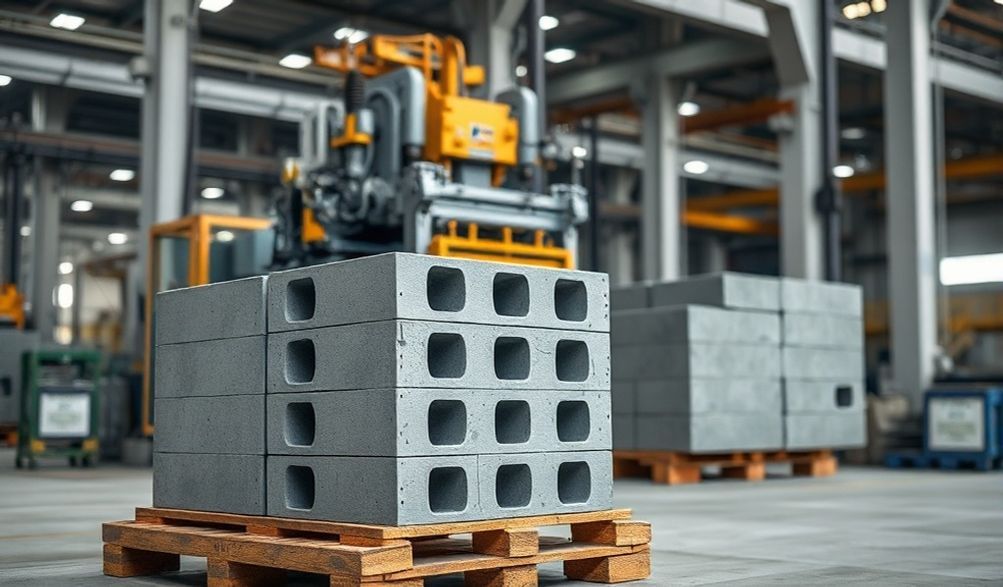
Lateres cavi, qui etiam unitates structurae concreti (CMUs) vel caudices cavi appellantur, suo consilio definiuntur: unum vel plura foramina magna vel inania (quae "medullae" vocantur) continent.
- Structurae Dispositio:Hi spatia typice constituunt 25% ad 50% totius areae sectionis transversalis lateris. Haec spatia per laterem a summo ad imum percurrunt.
- Consequentia Commoda:
- Levis:Multo leviores quam lateres solidi, facilius ac vilius transportari et tractari in situ possunt, laborem minuentes et onus structurale alleviantes.
- InsulatioCavi inane aeris loculi praestant optimam calorem ac sonum interclusionem, quae ad aedificia magis energiae efficientiora et quietiora ducunt.
- Utilitas:Nuclei facilem ducendorum canalium electricorum, tuborum aquaeductuum, et vectium ferreorum (ferramentorum) praebent, quae oblimari possunt ad vim addendam.
Quomodo Machina Operatur: Processus Fundamentalis
Cum consilia variantur, fundamentalis productio cycli per plerasque machinas constat.
- Alimentatio:Praemistae materiae crudae (mixtura cementi, harenae, cineris volatici, pulveris lapidei et aquae) in infundibulum machinae immittuntur.
- Miscens:Mixtor internus mixturam homogeneam constantemque praestat, quae ad lateris vim uniformem obtinendam magni momenti est.
- Comprimendo et Tremendo:Massa in formam (figuram lateris desiderati) demittitur. Machina deinde ingentem vim adhibet.pressura hydraulicaet alta frequentiavibratioHaec duplex actio cavitates aeris removet et materiam densissime compingit, quod lateri suam firmitatem structurae praebet.
- Ejectio et Sanatio:Laterculus recens et "viridis" e forma in palam vel machinam transfertur. Deinde ad locum curationis movetur, ubi per dies sub moderata umiditate et calore vires capit.
Primariae Applicationes in Constructione
Lateres producti sunt versatiles et adhibentur in:
* Aedificia Habitatoria:Ad onerandum et non onerandum parietes.
* Complexa Mercatoria:Officinae, horrea, et spatia venditoria.
* Paries Intercapedinis:Discordias inter structuras creare.
* Topiaria & Muri Terminales:Ad muros hortorum, saepes, aliaque opera foris.
Genera Machinarum Laterum Cavorum Faciendorum: Explicatio Diligens
Genus aptum eligere primum est consilium magnum. Machinae per operationem, capacitatem, et effectum digeruntur.
Operatione: Manualis, Semi-Automatica, et Plene Automata
-
Machina Manualia:Praecipue manubriis manualibus actum.
- CollocatioValde humilis sumptus initialis.
- Labor:Laboris intensitas alta, tarda, et effectus ab artificis peritia pendet.
- Output: Low (100-500 bricks per day).
- Idoneum Ad: Micro-enterprises, very small-scale projects, or regions with extremely low labor costs.
-
Semiautomaticae Machinae: Combine mechanical operation (like hydraulic pressure) with manual handling of bricks and pallets.
- Collocatio Moderate.
- Labor: Requires a small team (2-4 people) for operation and handling.
- Output: Medium (800-2500 bricks per 8-hour shift).
- Idoneum Ad: Small to medium businesses (SMBs) and startups with a steady demand.
-
Machinamenta Plena Automata: Computer-controlled systems that automate feeding, mixing, molding, stacking, and pallet return.
- CollocatioSumptus capitalis magnus.
- Labor: Minimal; often just 1-2 operators for monitoring.
- Output: High (3000-15,000+ bricks per shift).
- Idoneum Ad: Large-scale manufacturers, construction companies supplying major projects, and high-volume businesses.
By Production Capacity: Small, Medium, and Large Scale Plants
- Parva Scaena: Outputs up to 2,000 bricks per day. Often semi-automatic, suitable for local market supply.
- Medii Gradus: Outputs between 2,000 and 8,000 bricks per day. Can be robust semi-automatic or entry-level automatic lines.
- Large Scale Plants: Outputs exceeding 8,000 bricks per day. Always fully automatic production lines with conveyor systems and sometimes robotic palletizers.
By Brick Type and Size
Machines are configured with interchangeable molds to produce various products:
* Lateres Cavi Usitati: 4-inch, 6-inch, 8-inch, and 12-inch thicknesses.
* Massa Solida:Ad usus qui maximam oneris sustinendi facultatem requirunt.
* Lapides Strati & Pavimenta Internexa: For driveways and walkways.
* Formae Propriae: Curved blocks, chimney blocks, or lintels.
Specialized Machines: Mobile vs. Stationary Plants
- Plantae Stantes: The standard setup, installed in a fixed factory location.
- Machinae Laterum Mobilium Conficiendorum: Mounted on a trailer for easy transport. The key advantage is on-site production, eliminating transport costs for bricks and allowing immediate use. Ideal for large, remote construction projects like dams, highways, or large housing developments.
Key Benefits of Using a Hollow Brick Making Machine
Investing in this technology unlocks a cascade of advantages, from the balance sheet to the building site.
Commoditates Oeconomicae
- Lower Unit Cost: Producing in-house drastically reduces the cost per brick compared to purchasing from third-party suppliers.
- Altus Lucrum Margines: Creates a revenue stream by selling surplus bricks to the local market.
- Reduced Dependency: Shields your projects from market price fluctuations and supply chain delays of traditional bricks.
Construction & Performance Benefits
- Lightweight Nature: Eases construction speed and reduces dead load on the building foundation.
- Superior Insulatio: Thermal properties lower heating and cooling costs. Acoustic insulation enhances comfort in residential and commercial spaces.
- Proven Structural Strength: When produced to proper standards, hollow blocks offer excellent compressive strength for multi-story construction.
Environmental & Sustainability Benefits
- Utilitas Excrementorum: Can incorporate industrial by-products like fly ash (from coal plants) and slag, diverting them from landfills.
- Efficentia Opum The hollow design uses less raw material per unit volume than a solid block.
- Energy-Efficient End-Product: Buildings made with hollow bricks have a lower lifetime carbon footprint due to reduced energy consumption.
Business and Operational Benefits
- Celeritas Productionis Alta: Machines produce bricks far faster than manual or traditional methods.
- Qualitas Constans: Automated processes ensure every brick has identical dimensions, density, and strength, leading to better construction quality.
- Scalabilitas Negotiorum: You can start small and add capacity by upgrading machines or adding shifts as demand grows.
How to Choose the Right Machine: A Buyer’s Checklist
This decision should be driven by careful analysis, not impulse. Use this checklist to guide your evaluation.
Assess Your Business Needs & Goals
Answer these questions first:
* Target Market: Are you supplying a single project, local retailers, or large contractors?
* Daily Production Volume: What is your current and projected 3-year demand? Be realistic.
* Summa What is your total investment cap, including machine, installation, and working capital?
* Available Space & Power: Do you have a suitable factory space with a 3-phase electrical connection?
Critical Technical Specifications to Scrutinize
- Compaction Force (Tonnage): Measured in tons, this determines brick density and strength. For standard blocks, 100-150 tons is common; for pavers or high-strength blocks, 200+ tons may be needed.
- Tempus Cycli: The time to produce one brick or one mold of bricks. Faster cycles mean higher output.
- Postulatum Potentiae: Verify if it runs on standard 3-phase electricity or requires a diesel generator.
- Moldis Versatilitas: Does the supplier offer a range of mold options, and how easy/expensive is it to change them?
Quality and Durability Factors
- Compages The main frame should be made from heavy-duty steel plates and profiles, not lightweight sections.
- Componentes Notae Reputable brands for hydraulic pumps, valves, PLCs (for automatics), and vibrator motors indicate reliability.
- Corrosionis Defensio: Look for sandblasting and high-quality paint coating to protect against rust in humid production environments.
Manufacturer & After-Sales Support Evaluation
This is often more important than a slight price difference.
* Cautio: A minimum of 12 months on parts and workmanship is standard for reputable makers.
* Partes Subsidiae Praesto: Ensure common wear parts are readily available locally or can be shipped quickly.
* Auxilium Technicum: Does the company provide installation supervision, operator training, and troubleshooting support?
* Company Reputation: Research their history, ask for client references, and if possible, visit an existing plant using their machine.
Cost Analysis: Investment vs. Return on Investment (ROI)
Calculate a simple payback period:
1. Calculate your total investment (Machine + Installation + Initial Raw Material).
2. Estimate your monthly profit: (Selling Price per Brick – Production Cost per Brick) x Monthly Production Volume.
3. Payback Period (Months) = Total Investment / Monthly Profit.
A well-run operation with a suitable machine can often see a payback period of 12-24 months.
Operating and Maintaining Your Machine for Longevity
Your machine is a long-term asset. Proper operation and maintenance are non-negotiable for profitability and longevity.
Essential Raw Material Preparation
The quality of your bricks is directly tied to your raw material mix.
* Mix Ratios: A common starting mix is 1 part cement, 3 parts sand, and 3 parts stone dust/aggregate (1:3:3). Fly ash can replace 15-25% of the cement. Always conduct trial batches.
* Humiditas Contentus: The mix must have the right consistency—typically 8-10% water. Too dry causes weak bricks; too wet causes deformation.
* Qualitas Materiae Use clean, well-graded sand and aggregates free of clay, silt, or organic matter.
Daily Operation Best Practices
- Startup: Check oil levels, ensure the area is clear, and run the machine empty for a few minutes to warm up hydraulics.
- During Operation: Monitor brick formation, listen for unusual noises, and check for consistent vibration.
- Shutdown: Clean the hopper, mold, and platform thoroughly. Follow the manufacturer’s specific shutdown procedure.
Routine Maintenance Schedule
- Daily: Clean the machine, check for loose bolts, and inspect hydraulic hoses for leaks.
- Weekly: Lubricate all moving parts (pivots, guide rods) as per the manual. Check hydraulic oil level and condition.
- Monthly: Tighten all bolts and nuts on the frame and vibration table. Inspect mold liners for wear.
Troubleshooting Common Issues
- Poor Brick Strength: Likely causes are incorrect mix ratio, low cement content, insufficient compaction force, or improper curing.
- Surface Cracks: Usually caused by too much water in the mix, excessive vibration, or rapid drying during curing.
- Bricks Sticking in Mold: Often due to a worn or damaged mold liner, insufficient release agent, or a misaligned ejection system.
Frequently Asked Questions (FAQ) About Hollow Brick Making Machines
What is the average cost range for a hollow brick machine?
Prices vary dramatically based on automation and capacity. Manual machines can start from $2,000 – $8,000. Semi-automatic models typically range from XV decies – L decies. Fully automatic production lines begin around $60,000 and can exceed $250,000 for high-capacity plants. Always remember: specifications dictate the final price.
What raw materials can I use?
The most common materials are Portland cement, sand (river or crushed), stone dust (aggregate), and water. A key advantage is the ability to use industrial waste like cineres volantes (to replace cement) and slag. Some setups also allow for the use of recycled concrete aggregate.
How much space and what kind of power supply is needed?
You need space for three areas: the machine itself, raw material storage, and a curing yard. A small semi-automatic setup may require 1,500 – 3,000 sq. ft. Most industrial machines require a Triumphalis electrica copia (380V/415V). Mobile or remote options often use diesel power packs.
Is special training required to operate the machine?
While modern machines are designed for user-friendliness, comprehensive training from the supplier is crucial. Proper training ensures operator safety, maximizes production efficiency, and teaches essential daily maintenance to prevent costly breakdowns.
What is the typical lifespan of a well-maintained machine?
A high-quality hollow brick making machine that receives diligent, scheduled maintenance can have a productive lifespan of 10 to 15 years or more. The key factor is preventative care—neglect can reduce this lifespan by half.
Conclusio.
Selecting the right hollow brick making machine is a strategic decision that impacts your project’s cost, timeline, and quality, or your business’s profitability and growth trajectory. It requires balancing your immediate production needs with long-term goals, prioritizing machine quality and manufacturer support over the lowest initial price tag.
Our final expert recommendation is to conduct thorough due diligence. Request material tests from potential suppliers using your local raw materials to see the final product quality. Always calculate the Summa Possessionis, factoring in maintenance and potential downtime, not just the purchase price.
We encourage you to consult with multiple reputable manufacturers, ask for client references you can contact directly, and, if feasible, visit a working plant to see the machine in operation. This firsthand experience is invaluable.
By making an informed investment, you are not just purchasing a machine; you are acquiring the key technology to build a more profitable, efficient, and sustainable future in the ever-evolving construction industry.
<