
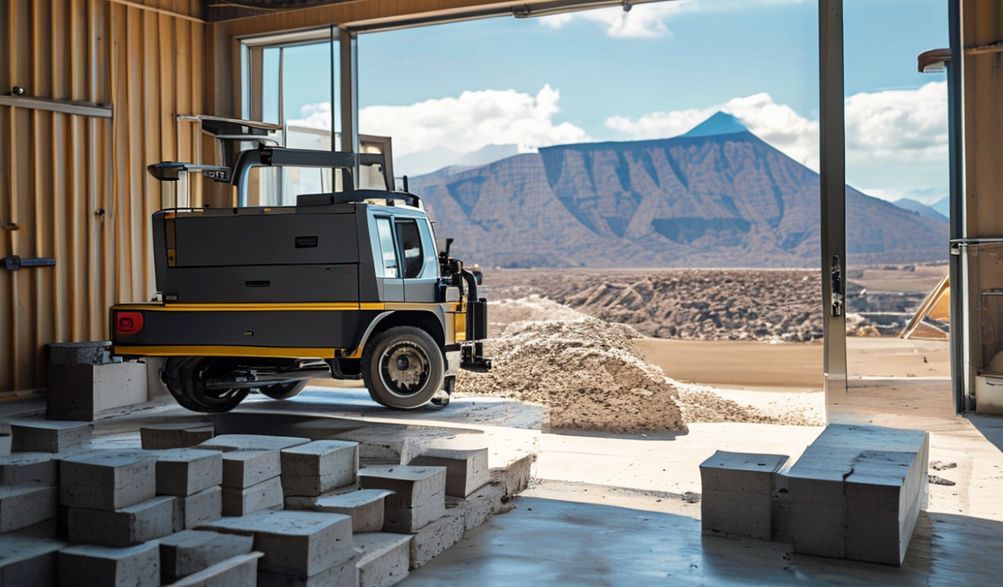
ကိပ်တောင်းမြို့တွင် အုတ်ခဲစက်များ ရှာဖွေရေး၊ ရွေးချယ်ရေးနှင့် ဝယ်ယူရေး လမ်းညွှန်ချက်
မိတ်ဆက်
Picture the scene: a new housing development breaking ground in Kraaifontein, a homeowner in Durbanville adding a boundary wall, or a municipal paving project in the Cape Town CBD. Each of these scenarios, repeated daily across the Western Cape, shares a common, fundamental need: a reliable supply of high-quality bricks and concrete blocks. For builders, contractors, and entrepreneurs, this demand represents a significant opportunity. Yet, it’s often met with familiar challenges—skyrocketing material costs, inconsistent quality from suppliers, and logistical delays that can bring a project to a standstill.
ဤသည်မှာ ဘလောက်ပြုလုပ်သည့်စက်တစ်လုံးကို ဗျူဟာမြောက်ဝယ်ယူခြင်းသည် ကိရိယာတစ်ခုဝယ်ယူခြင်းမှ အရေးပါသော စီးပွားရေးဆုံးဖြတ်ချက်တစ်ခုအဖြစ်သို့ ကူးပြောင်းရာနေရာဖြစ်သည်။ သို့သော် ကိပ်တောင်းရှိ ဈေးကွက်ကို လမ်းကြောင်းရှာဖွေရန် ခက်ခဲနိုင်သည်။ လက်နှိပ်စက်နှင့် အလိုအလျောက်အပြည့်အစုံစက်ရုံကြား မည်သို့ရွေးချယ်မည်နည်း။ မည်သည့်ရောင်းချသူက အရောင်းစကားသာမက စစ်မှန်သောအထောက်အပံ့ကို ပေးနိုင်သနည်း။ ကျွန်ုပ်တို့ၒေသဆိုင်ရာအခြေအနေတွင် အမှန်တကယ်ကုန်ကျစရိတ်များနှင့် ပြန်အမ်းငွေများကား အဘယ်နည်း။
This guide is designed to answer those questions. Compiled with insights from South Africa’s construction and machinery sectors, it serves as your comprehensive, locally-focused resource. Our goal is not to sell you a machine, but to empower you with the knowledge and critical considerations needed to make a confident, informed investment. We’ll focus specifically on the Cape Town market—factoring in our unique operational conditions, supplier landscape, and business environment—to help you build a stronger foundation for your projects or your business.
ဘလောက်ပြုလုပ်သည့်စက်များကို နားလည်ခြင်း- အမျိုးအစားများနှင့် အသုံးပြုမှုများ
ပေးသွင်းသူများကို ဆက်သွယ်မည့်အချိန်မတိုင်မီ ရရှိနိုင်သော စက်ပစ္စည်းအမျိုးအစားများကို နားလည်ထားရန် အရေးကြီးပါသည်။ သင့်ရွေးချယ်မှုသည် သင့်ထုတ်လုပ်နိုင်စွမ်း၊ လုပ်သားလိုအပ်ချက်များနှင့် စီးပွားရေးပုံစံကို အခြေခံအားဖြင့် ပုံဖော်ပေးမည်ဖြစ်ပါသည်။
လက်ဖြင့်အုတ်ခဲပြုလုပ်သည့်စက်များ
အစပြုလုပ်ငန်းရှင်များ၊ လူထုစီမံကိန်းများ သို့မဟုတ် သေးငယ်သော နေရာချထုတ်လုပ်မှုများအတွက် အကောင်းဆုံးဖြစ်သည်။
* စစ်ဆင်ရေးနှင့် ရလဒ်လူ့အားကို အသုံးပြု၍ လီဗာကို လှုပ်ရှားရပြီး ကွန်ကရစ်ကို ရောမွှေရသည်။ ထုတ်လုပ်မှုသည် ပုံမှန်အားဖြင့် ၈ နာရီတစ်ရက်တွင် ဘလောက် ၂၀၀ မှ ၅၀၀ အထိ ရှိသည်။
* Local Context: A low-cost starting point for someone supplying a local spaza shop with paving slabs or a small contractor producing blocks for a single housing project. Their simplicity is a key advantage in areas with limited access to skilled labour or unstable electricity.
* ရင်းနှီးမြှုပ်နှံမှု Significantly lower upfront cost, but higher physical labour intensity per block.
အခ်ိန္ပိုင္းအလိုအေလ်ာက္ ဘေလာက္ေရာင္းစက္မ်ား
This category represents the optimal balance for most growing construction businesses in the Western Cape.
* စစ်ဆင်ရေးနှင့် ရလဒ် These machines use a mechanical or hydraulic system to compress the concrete, but blocks are moved, cured, and palletized manually. Output can range from 800 to 3,000 blocks per day, depending on the model.
* The Sweet Spot: They offer a substantial productivity boost over manual machines without the capital outlay and complexity of a fully automated system. They are excellent for businesses supplying several small-to-medium contractors or retail outlets.
အလိုအလျောက် ဘလောက်ပြုလုပ်စက်
Designed for large-scale commercial production with minimal manual intervention.
* စစ်ဆင်ရေးနှင့် ရလဒ် From mixing and feeding to compression, curing, and stacking, the process is automated via a central control panel. Output can exceed 10,000 blocks per day.
* Investment Considerations: This is a major capital investment suited for established businesses supplying large construction firms, government tenders, or building material retailers across the Cape metro. They require stable power, skilled maintenance, and a consistent, high-volume market.
Mobile vs. Static Block Making Plants
This is a critical consideration for Cape Town’s geography.
* Static Plants: Set up at a fixed location, like a yard in Epping or Blackheath. Ideal for a centralised production hub with good transport links for distribution.
* Mobile Plants: Mounted on a trailer, these can be towed directly to a large construction site. The key advantage is eliminating transport costs for finished blocks—you produce exactly where they’re needed. For contractors working on multiple, sprawling sites across the Northern or Southern Suburbs, a mobile unit can be a game-changer for cost and efficiency.
Key Considerations Before Buying in Cape Town
Making the right choice requires honest assessment and local knowledge. Here are the key factors to weigh.
Assessing Your Production Needs
Start with a clear business plan.
* Calculate Output: Are you aiming to produce 1,000 blocks per day for a specific 6-month contract, or 5,000 per day for open market sales? Your target volume directly dictates the machine type.
* Ask Key Questions: Who is your customer? What block types do they use? A clear demand forecast prevents you from under-investing in an inadequate machine or over-investing in an expensive asset that sits idle.
Machine Specifications to Scrutinize
Look beyond the brochure. Key specs determine real-world performance.
* Pressure (Tonnage): Higher tonnage (e.g., 150-ton vs. 50-ton) produces denser, stronger blocks suitable for load-bearing walls.
* စက်ဝန်းအချိန် How many seconds to produce one block? Faster cycles mean higher output.
* Mold Versatility: Can the machine produce hollow blocks, maxi blocks, interlocking pavers, and kerbstones with quick mold changes? Flexibility allows you to respond to market demand.
* ပါဝါလိုအပ်ချက်များ This is critical in Cape Town. A machine requiring a high-voltage three-phase connection may be crippled by load-shedding without a substantial generator backup. Factor this into your operational cost model.
The Importance of Local Supplier Support
This cannot be overstated. A machine is a long-term asset, and your supplier is your long-term partner.
* Why Local Matters: A supplier with a warehouse, workshop, and technical team in the Western Cape can provide spare parts within hours, not weeks. They understand local conditions, from the composition of our sand to the impact of coastal air on machinery.
* Service is Key: Ensure the offer includes comprehensive operator training, a clear warranty (what’s covered and for how long?), and a responsive service contract. Ask for references from other local clients and follow up with them.
ကုန်ကြမ်းပစ္စည်းများ လိုက်ဖက်ညီမှု
Your machine is only as good as the concrete mix you feed it.
* Local Aggregates: The quality and gradation of sand from the Cape Flats or crusher dust from local quarries can vary. A reputable supplier should advise on mix designs (cement-to-aggregate ratios) optimized for your machine and these locally available materials to ensure consistent block quality and strength.
Finding Reputable Block Making Machine Suppliers in Cape Town
Navigating the supplier landscape requires diligence. Here’s where to look and what to look for.
Established Local Machinery Distributors
These companies often represent several international brands.
* အားသာချက်များ They usually have a showroom or demo site where you can see machines running. They have an established reputation to protect and often offer bundled service packages. Their track record in the region is verifiable.
Direct Manufacturers with Regional Offices
Some international manufacturers have sales and service offices in South Africa.
* Potential Advantages: You may get more direct access to technical expertise and potentially competitive pricing by buying closer to the source. Ensure, however, that their spare parts inventory and technical staff are based locally, not just a sales agent.
Evaluating Supplier Credentials
Create a checklist for every supplier you meet:
* Years in business in South Africa.
* A list of local client references (and actually call them).
* Details of their after-sales service team: size, location, response time commitment.
* Warranty documentation in clear, written terms.
* Availability of common spare parts in their Cape Town stock.
Red Flags to Avoid
Protect your investment by being wary of:
* Prices that seem too good to be true – they usually are, indicating inferior quality or hidden costs.
* Suppliers with only a P.O. Box or a mobile number, and no physical premises you can visit.
* Pressure to pay a large deposit upfront before any formal agreement is signed.
* Vague or evasive answers about service, warranties, or local references.
Cost Analysis & ROI for Your Block Making Business
Let’s translate this into financial planning. A transparent view of costs and returns is essential.
Breakdown of Investment Costs
The machine price is just one part of the capital outlay.
* Primary Cost: The block making machine itself.
* Ancillary Costs: Transport and installation, a concrete mixer (if not included), pallets for curing, site preparation (a level, solid concrete base is often needed), and initial raw material stockpile.
* Contingency: Always budget an extra 10-15% for unforeseen expenses.
Operational Costs in the Cape Town Context
Your ongoing monthly expenses will include:
* ပါဝါ Electricity costs or diesel for a generator—a major factor given Eskom’s tariffs and load-shedding schedules.
* ကုန်ကြမ်းပစ္စည်းများ Cement, sand, stone. Prices can fluctuate; building relationships with local quarries is wise.
* Labour: Operators and general assistants.
* Maintenance: A monthly reserve for wear parts like mixer blades, mold liners, and hydraulic seals.
* Transport/Delivery: Fuel and vehicle costs if delivering blocks to customers.
Calculating Your Potential Return on Investment (ROI)
While a detailed business plan is needed, a simplified model illustrates the potential.
* Revenue: Estimate based on local selling prices. For example, if a standard hollow block sells for R6.50 and your machine produces 2,000 blocks per day, your potential daily revenue is R13,000.
* Cost of Production: Subtract your daily operational costs (materials, labour, power, etc.) from the revenue to find your gross daily profit.
* ROI Timeline: Divide your total investment cost by your estimated average monthly gross profit. This gives you a rough number of months to recoup your initial investment. Remember: This is a projection. Success hinges on consistent production, market access, efficient operation, and managing costs.
Optimizing Your Block Production & Business Success
Your responsibility begins once the machine is installed. Follow these practices to ensure longevity and profitability.
Best Practices for Machine Operation & Maintenance
- Daily: Clean the machine thoroughly after each shift to prevent concrete buildup. Check hydraulic oil levels and for any leaks.
- Weekly: Inspect and tighten bolts and fittings. Grease all moving parts as per the manual.
- Preventative: Follow the supplier’s maintenance schedule religiously. Replacing a worn seal is far cheaper than repairing a failed hydraulic pump.
Ensuring Consistent Block Quality
Quality builds reputation and justifies your price.
* Mix Design: Be precise with your water-cement-aggregate ratios. Consistency is key.
* ကုသခြင်း Proper curing is vital for strength. In Cape Town’s often windy, dry climate, blocks must be kept moist under plastic sheeting for at least 3-7 days to prevent rapid moisture loss and cracking.
* Testing: Periodically test block strength. You can send samples to a local lab to verify they meet SABS standards (like SANS 1215), which is a powerful selling point.
Navigating the Local Market & Regulations
- Standards: Familiarise yourself with SANS standards for concrete masonry units. Producing to a known standard is a major market advantage.
- Business Basics: Ensure your business is properly registered with CIPC and SARS. Consider liability insurance.
- Marketing: Network with local builders, architects, and hardware stores. Showcase your quality and reliability. A small, consistent supply to a few loyal clients is better than erratic large orders.
FAQ Section
Q1: What is the average price range for a block making machine in Cape Town?
က: Prices vary dramatically. A basic manual machine can start from around R25,000, semi-automatic machines often range from R150,000 to R500,000, and fully automatic plants can start from R800,000 and go well into the millions. Always request a detailed quote that includes delivery, installation, and training.
Q2: Can I get financing for a block making machine in South Africa?
က: Yes, options exist. Many established suppliers offer in-house financing or have relationships with financial institutions that provide asset-based loans. Some government programs through the Department of Small Business Development or sector-specific SETAs may offer support for qualifying SMEs. It’s best to discuss this directly with suppliers and your bank.
Q3: How important is after-sales service, and what should it include?
က: It is arguably the most critical part of your purchase decision. A comprehensive service package should include: installation and commissioning supervision, thorough hands-on training for your operators, a clear warranty (typically 12 months on major components), and guaranteed access to spare parts with promised technical support response times.
Q4: What is the typical lead time from order to delivery in Cape Town?
က: For common semi-automatic models held in local stock, delivery could be within 2-4 weeks. For larger, customised, or fully automatic plants that may need to be imported, lead times can extend to 3-6 months. Always get a written, confirmed delivery schedule from your supplier before committing.
Q5: Are there specific block types more popular in the Western Cape construction market?
က: Yes, demand often focuses on:
* 190mm Hollow Blocks: The standard for load-bearing walls in house construction.
* Maxi Blocks (140mm): Popular for faster building and cost-efficiency.
* Interlocking Pavers & Slabs: High demand for landscaping, driveways, and patios, driven by the region’s focus on outdoor living and aesthetic property upgrades.
နိဂုံး
Investing in a block making machine in Cape Town is a significant step toward taking control of your supply chain or launching a profitable manufacturing business. The journey begins with a clear understanding of your own production needs, followed by meticulous research into the machines that meet them and the suppliers who will support you for years to come. Remember to factor in the full spectrum of costs—both initial and operational—and have a realistic plan for your market.
Use this guide as your foundational research. Let it equip you with the right questions. Then, take the crucial next steps: visit supplier showrooms, see machines in operation, and speak frankly with their existing customers. There is no substitute for firsthand observation and peer verification. By pairing the knowledge you’ve gained here with diligent, on-the-ground research, you can make an investment that doesn’t just produce blocks, but builds a solid and enduring foundation for your success in the Western Cape construction industry.
Ready to take the next step? We recommend creating a shortlist of potential suppliers from established industry directories and reaching out to them with the specific questions outlined in this guide. Investing in the right machinery is the first step toward building a solid foundation for your business.
<