
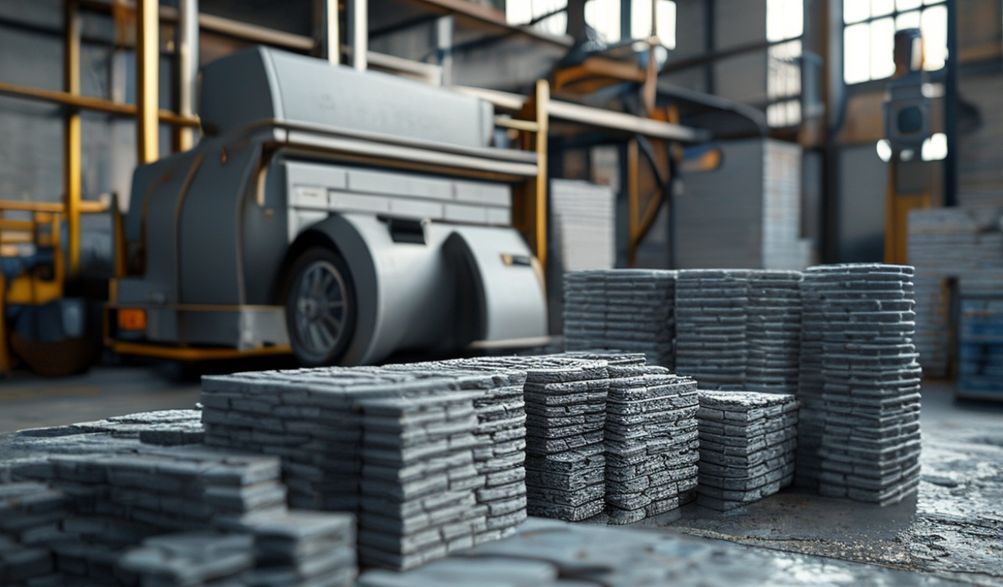
Fly Ash Brick Machine Price in 2026: A Complete Buyer’s Guide
ਪਰਿਚਯ
The global shift towards sustainable construction is accelerating. By 2026, the green building materials market is projected to grow exponentially, with fly ash bricks playing a starring role. These bricks, made from a byproduct of coal power plants, don’t just reduce industrial waste—they create stronger, more cost-effective building blocks for the future.
However, stepping into this promising industry requires a pivotal first investment: the fly ash brick machine. As you begin your search, you’ll encounter a dizzying array of options with price tags that vary wildly, from a few thousand dollars to several hundred thousand. This price confusion can stall promising projects. Is a cheaper machine a bargain, or a costly mistake? Is the most expensive option always the best?
This comprehensive guide is designed to cut through the confusion. We will demystify fly ash brick machine pricing for the 2026 market. Beyond just listing numbers, we’ll break down the exact factors that drive costs, compare machine types, and provide you with a clear framework for calculating your true Return on Investment (ROI). Our goal is to equip you with the expertise to make a confident, value-driven purchase that aligns with your business goals, not just to find the cheapest sticker price.
Drawing on over a decade of experience in construction machinery analysis and sustainable building solutions, this guide synthesizes technical specifications, current market trends, and practical financial advice to serve as your definitive resource.
Understanding What Drives Fly Ash Brick Machine Prices
The price of a fly ash brick machine is not arbitrary. It’s a direct reflection of its capability, efficiency, and longevity. Think of it as an equation where capacity, automation, and durability are the key variables. Understanding these components will help you decode any quote you receive.
Machine Type & Production Capacity
This is the most fundamental price driver. The machine’s core function—how many bricks it can produce with how much human intervention—sets the baseline cost.
- ਮੈਨੂਅਲ ਮਸ਼ੀਨਾਂ: These are the simplest, relying entirely on human labor for mixing, feeding, and compacting. They have the lowest output, typically up to 500-1000 bricks per day.
- ਸੈਮੀ-ਆਟੋਮੈਟਿਕ ਮਸ਼ੀਨਾਂ: This category offers the best balance for most small to medium enterprises (SMEs). Key processes like compaction and ejection are powered (hydraulically or mechanically), but feeding and brick removal may be manual. Capacities can range from 1,500 to 6,000 bricks per hour (BPH).
- ਪੂਰੀ ਤਰ੍ਹਾਂ ਆਟੋਮੈਟਿਕ ਪਲਾਂਟ: These are complete production lines. They feature automated material feeding, mixing, pressing, curing, and stacking. Requiring minimal human oversight, they are built for scale, with outputs starting from 8,000 BPH and going far beyond.
ਕੀਮਤ ਸੰਬੰਧ: Price scales almost directly with promised output. A machine rated for 2,000 BPH will cost significantly less than one rated for 10,000 BPH, assuming similar build quality.
Level of Automation & Technology
Automation is a major cost adder but also a long-term saver. This layer of technology determines operational smoothness and labor costs.
- ਕੰਟਰੋਲ ਸਿਸਟਮ: A basic relay panel is standard. A programmable logic controller (PLC) with a touchscreen interface adds cost but provides precision, diagnostics, and easier operation.
- Drive Systems: Mechanical systems are generally cheaper than hydraulic systems. However, hydraulic systems offer more power, consistent pressure (leading to higher quality bricks), and are often more durable, justifying their higher price.
- Integrated Systems: Features like automated pan mixers, conveyor belt feeders, and robotic stackers transform a machine into a plant. Each addition increases the initial investment but drastically reduces manual labor and improves consistency.
Build Quality & Key Components
Two machines with the same stated capacity can have very different price tags based on what they’re made of. This is where “hidden value” resides.
- ਫਰੇਮ ਅਤੇ ਬੰਦੋਬਸਤ The grade and thickness of the steel used in the frame determine its resistance to the constant stress of vibration and pressure. A heavier, well-welded frame costs more but ensures longevity.
- Critical Components: The brand and quality of the hydraulic pump, cylinders, valves, and the electric motor are crucial. Premium components from recognized manufacturers (e.g., Bosch Rexroth, Siemens, WEG) increase reliability and machine life, which is reflected in the price.
- Mold Precision: The mold is the heart of the brick. A high-grade, hardened steel mold machined to precise tolerances produces bricks with perfect dimensions and smooth edges. Cheaper, softer molds wear out faster and produce inferior bricks.
Brand Value & After-Sales Service
You’re not just buying a machine; you’re entering a partnership with a supplier. Established brands command a premium for a reason.
- Reputation & R&D: A manufacturer with a long track record has invested in refining their designs and processes. This proven reliability has value.
- ਸਰਵਿਸ ਨੈੱਟਵਰਕ: A comprehensive warranty, availability of spare parts, and the presence of trained service technicians in your region are critical. This support infrastructure is factored into the price of machines from reputable companies. A cheaper machine from a supplier with no local support can become a very expensive paperweight if it breaks down.
Fly Ash Brick Machine Price Ranges (2026 Market Overview)
Disclaimer: The following price ranges are indicative estimates for the 2026 market based on current trends and technological adoption. Final prices vary significantly based on specific configuration, customization, regional tariffs, and shipping costs. Always request a detailed, formal quotation from suppliers.
Manual Fly Ash Brick Machines
- ਕੀਮਤ ਸੀਮਾ: $1,500 – $5,000
- ਆਦਰਸ਼ ਲਈ: Micro-enterprises, startups testing the market, community-led projects, or regions with very low labor costs.
- ਫਾਇਦੇ ਅਤੇ ਨੁਕਸਾਨ:
- ਫਾਇਦੇ: Extremely low entry cost, simple operation with minimal technical knowledge required, low power consumption.
- ਨੁਕਸਾਨ: Very low production output, high labor intensity and cost per brick, inconsistent brick quality due to manual processes, physically demanding work.
Semi-Automatic Fly Ash Brick Machines
- ਕੀਮਤ ਸੀਮਾ: $10,000 – $40,000
- ਆਦਰਸ਼ ਲਈ: The sweet spot for most Small and Medium Enterprises (SMEs). Suitable for entrepreneurs and businesses with established local demand.
- ਮੁੱਲ ਪ੍ਰਸਤਾਵ: This range offers the best balance of affordability and productivity. You get a significant boost in output and consistency over manual machines without the capital leap required for full automation. Machines in the higher end of this range will feature better hydraulics, stronger frames, and more advanced control panels.
Fully Automatic Fly Ash Brick Plants
- ਕੀਮਤ ਸੀਮਾ: $60,000 – $300,000+
- ਆਦਰਸ਼ ਲਈ: Large-scale commercial production, industrial manufacturers supplying major construction projects, or businesses aiming for rapid market expansion.
- The Investment Scale: This is a serious capital expenditure. The price includes the integrated system: automated material handling, high-speed pressing stations, controlled curing chambers, and palletizing systems. The payoff is in massive, consistent output with a very low per-brick labor cost, making it highly competitive for large contracts.
Beyond the Sticker Price: Calculating Total Cost of Ownership (TCO)
The invoice price is just the first chapter in your machine’s financial story. A savvy buyer plans for the Total Cost of Ownership (TCO)—all expenses from purchase to decommissioning.
Initial Investment Breakdown
The first check you write includes more than just the machine.
* ਮਸ਼ੀਨ ਦੀ ਮੂਲ ਕੀਮਤ: The cost of the unit itself.
* ਇੰਸਟਾਲੇਸ਼ਨ ਅਤੇ ਕਮਿਸ਼ਨਿੰਗ Fees for technician travel, on-site setup, and calibration. This may or may not be included.
* Foundation & Utilities: Cost of preparing the site (concrete foundation) and connecting power (may require upgraded electrical lines).
* Initial Spare Parts Kit: A recommended inventory of common wear parts (seals, gaskets, filter elements).
Operational Costs (The Daily Grind)
These are the recurring costs that determine your profitability.
* ਪਾਵਰ ਖਪਤ: Calculate based on the total KW rating of the motors and your local electricity tariff. A more efficient machine may have a higher price but lower running costs.
* ਮਜ਼ਦੂਰੀ: Even semi-automatic machines require operators and helpers for feeding and brick handling. Factor in wages.
* Raw Material Handling: Cost of transporting and storing fly ash, cement, and other raw materials.
* Preventive Maintenance: Regular costs for lubricants, filter changes, and minor part replacements to prevent major breakdowns.
The Importance of ROI Calculation
This is your ultimate financial compass. A simplified framework:
- Total Investment: Sum of all initial costs (Machine + Installation + Foundation).
- Monthly Operational Cost: Sum of all recurring costs (Power + Labor + Materials + Maintenance).
- Monthly Revenue: (Number of bricks produced per month) x (Sale price per brick).
- Monthly Gross Profit: Monthly Revenue – Monthly Operational Cost.
- Simple Payback Period: Total Investment / Monthly Gross Profit = Number of months to break even.
Example: If your total investment is $25,000 and your monthly gross profit is $2,500, your payback period is 10 months. After that, the profit is largely clear.
How to Get the Best Value for Your Investment
Armed with knowledge, your buying process should be strategic. Follow this actionable advice.
Define Your Requirements Clearly
Avoid the trap of buying what a salesperson wants to sell. Answer these questions first:
* ਮਾਰਕੇਟ ਮੰਗ: What is the current and projected demand in your target area?
* ਕੱਚਾ ਮਾਲ: Is there a consistent, affordable supply of quality fly ash nearby?
* Financial Capacity: What is your realistic budget, including a buffer for setup and initial operations?
* Production Goal: Be specific. “I need to produce 5,000 bricks per day to fulfill Contract A and have surplus for the local market.”
Supplier Vetting Checklist
Not all suppliers are created equal. Due diligence is non-negotiable.
* Company History: How long have they been manufacturing these machines?
* Client References: Ask for contacts of past buyers, preferably in a similar climate or region. Call them.
* Factory Visit: If feasible, visit the manufacturing unit to assess build quality and scale.
* ਸਰਵਿਸ ਨੈੱਟਵਰਕ: Confirm the availability and response time of technical support in your location.
Key Questions to Ask Before Buying
During negotiations, get clear, written answers to these questions:
1. “What is explicitly included in this quoted price? (Installation? Training? Initial spares? Delivery?)”
2. “Can you provide a detailed breakdown of the warranty? What is covered on the frame, hydraulics, and electrical systems?”
3. “Do you provide comprehensive on-site training for our operators and maintenance staff?”
4. “What is the guaranteed lead time for critical spare parts, and are they stocked locally?”
5. “Can the machine be easily upgraded in the future (e.g., adding a feeder)?”
Frequently Asked Questions (FAQ)
Q1: What is the cheapest fly ash brick machine available?
A: The absolute cheapest options are manual machines, often found at the lower end of the $1,500-$5,000 range. However, “cheapest” must be weighed against very high labor costs and low output. It’s only a viable option if your labor costs are minimal and your production goals are extremely modest.
Q2: Can I get a good quality semi-automatic machine under $20,000?
A: Yes, it is possible to find basic, standard-capacity semi-automatic models from reputable manufacturers in this range for 2026. Be sure to scrutinize the specifications—particularly the motor power, hydraulic brand, and steel thickness—and verify the supplier’s credentials thoroughly.
Q3: How much does it cost to run a fly ash brick machine per day?
A: For a typical semi-automatic machine (15-20 HP motor), expect power costs of $10-$25 per 8-hour shift, depending on local rates. Add 2-3 laborers ($40-$80 total) and minor consumables. A rough daily operational estimate could range from $60 to $120, excluding raw materials.
Q4: Are more expensive machines always better?
A: Not necessarily. “Better” is defined by your needs. A $200,000 fully automatic plant is a terrible investment if you only need 3,000 bricks a day. The best machine is the one that most efficiently and reliably meets your specific production target at the lowest Total Cost of Ownership.
Q5: Does the price include molds? How much do additional brick mold designs cost?
A: A standard mold for a common brick size (e.g., 4″x8″x16″) is almost always included in the base price. Custom molds for different shapes (interlocking, pavers) or sizes are an additional cost, typically ranging from $500 to $2,500 per mold set, depending on complexity.
Conclusion
Navigating the fly ash brick machine market requires looking beyond the initial price tag. As we’ve explored, the true cost is a composite of production capacity, technological automation, uncompromising build quality, and the invaluable peace of mind that comes with strong after-sales support. Your investment should be guided by a clear business plan and a rigorous ROI analysis, not just the allure of the lowest upfront cost.
Prioritize suppliers who act as partners, offering robust training and local service. This support is the bedrock of long-term productivity and profitability. By making an informed, value-driven decision, you’re not just purchasing a piece of machinery—you’re laying the foundation for a sustainable and successful business that contributes to a greener built environment.
Ready to move forward?
* For Beginners: Start by defining your project specifics. Use the ROI framework in this guide to create your first financial model.
* For Serious Buyers: It’s time to engage with suppliers. Use the vetting checklist and key questions provided here to conduct informed discussions and secure quotations that offer true, long-term value.
We are committed to empowering your journey with unbiased, expert information to help build a more efficient and sustainable construction industry.
<