
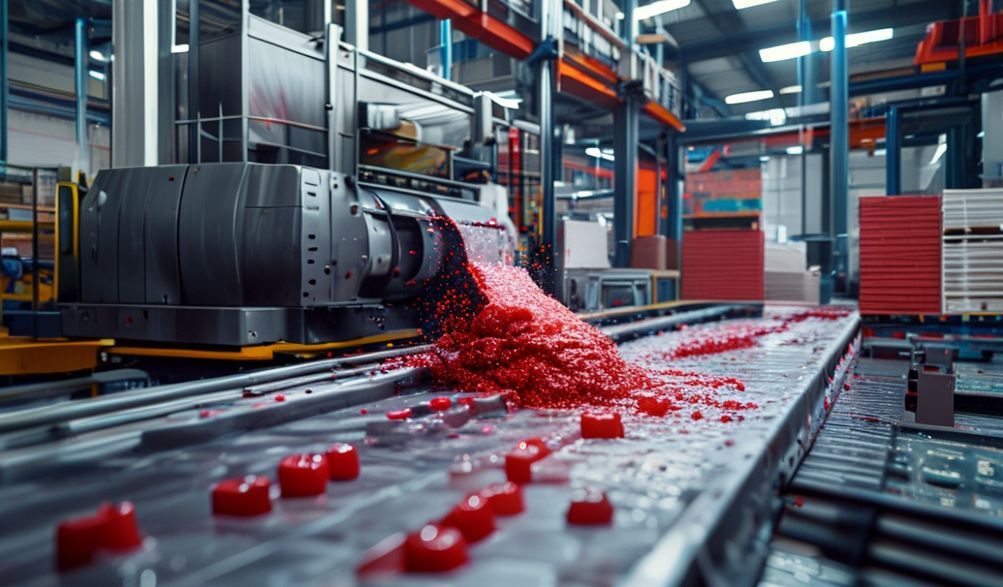
The Ultimate Guide to Making Concrete Blocks: Machines, Process & Why Choose FUDA Factory
ਪਰਿਚਯ
From towering skyscrapers to humble family homes, the global construction industry is fundamentally built on a simple, yet indispensable component: the concrete block. Its durability, fire resistance, and cost-effectiveness make it a cornerstone of modern development. However, behind every consistent, high-quality block lies a critical, often overlooked factor—the reliability and sophistication of the machinery that produces it. The choice of your block-making machine is the choice of your business’s foundation.
With over two decades of deep immersion in the design, fabrication, and operation of concrete block production lines, this guide is written from the factory floor upward. At FUDA, we’ve witnessed the evolution of block-making technology firsthand and have helped countless businesses, from ambitious startups to large-scale industrial plants, navigate their investment. Our legacy is built on turning raw potential into solid, profitable reality.
Many entrepreneurs and construction firms face significant hurdles when entering block manufacturing or upgrading their facilities. Common pain points include machinery that delivers inconsistent block density, leading to failed quality inspections; hidden operational costs from high energy consumption and frequent breakdowns; and the frustrating lack of accessible technical support when a critical machine halts production. Scalability is another major challenge—a machine that meets today’s needs may become a bottleneck tomorrow.
This comprehensive guide aims to demystify the entire ecosystem of making concrete blocks machine technology and production. We will walk you through the core principles of block manufacturing, break down the types of machines available, detail the modern production process, and, most importantly, outline what truly separates a mere equipment supplier from a strategic partner. By the end, you’ll understand why a partnership with an expert ਫੂਦਾ ਇੱਟ ਬਣਾਉਣ ਦਾ ਕਾਰਖਾਨਾ is a decision that blends unparalleled technical knowledge with practical, on-the-ground experience for long-term success.
Understanding Concrete Block Manufacturing: Core Principles
Before investing in machinery, it’s essential to understand what you’re producing. The science behind a concrete block determines the machine requirements and ultimately, your market success.
The Composition of a Quality Concrete Block
A block is far more than just cement. It’s a precise matrix of materials, each playing a vital role:
* ਸੀਮਿੰਟ: The binder, typically Portland cement, that holds the mix together.
* Aggregates: These provide bulk and strength. They include:
* Fine aggregates (like sand) to fill voids.
* Coarse aggregates (like gravel or crushed stone) for structural integrity.
* Supplementary materials (like fly ash or slag) which can enhance workability, reduce cost, and improve sustainability.
* ਪਾਣੀ Activates the cement hydration process. The water-to-cement ratio is critical—too little weakens the block, too much reduces strength and increases shrinkage.
ਦmix design—the specific ratios of these components—is a formula for your final product. It directly dictates:
* ਸੰਕੁਚਨ ਸ਼ਕਤੀ: Higher cement content typically increases strength.
* Weight & Density: Influenced by aggregate type and size.
* ਲਾਗਤ Using industrial by-products like fly ash can significantly reduce material expenses.
Key Properties of Construction-Grade Blocks
Your machine must be capable of producing blocks that meet stringent performance standards. Key properties include:
* ਸੰਕੁਚਨ ਸ਼ਕਤੀ: The primary measure of a block’s ability to bear load, expressed in MPa (Megapascals) or psi. Residential blocks may require 5-15 MPa, while industrial blocks demand much higher.
* Density: Affects weight, thermal, and acoustic properties. Ranges from lightweight to normal weight.
* Water Absorption: Lower absorption generally indicates better durability and frost resistance.
* ਆਕਾਰੀ ਸਹਿਣਸ਼ੀਲਤਾ: Consistency in size (length, height, width) is crucial for efficient, quality bricklaying.
Reputable manufacturers adhere to international standards (such as ASTM in the US or ISO standards globally) which define testing methods and minimum requirements for these properties.
Types of Machines for Making Concrete Blocks: A Detailed Breakdown
The market offers a spectrum of machinery, from simple manual setups to fully integrated automated plants. The right choice depends entirely on your production goals, budget, and labor market.
ਮੈਨੂਅਲ ਅਤੇ ਸੈਮੀ-ਆਟੋਮੈਟਿਕ ਬਲਾਕ ਬਣਾਉਣ ਵਾਲੀਆਂ ਮਸ਼ੀਨਾਂ
- ਆਦਰਸ਼ ਲਈ: Small-scale projects, community-based building, startups with very limited capital, or producing specialty blocks in low volume.
- ਉਹ ਕਿਵੇਂ ਕੰਮ ਕਰਦੇ ਹਨ: Manual machines require operators to fill molds, engage a lever for compaction, and remove blocks by hand. Semi-automatic versions use a mechanical or hydraulic press with manual feeding and block removal.
- ਫਾਇਦੇ:
- ਬਹੁਤ ਹੀ ਘੱਟ ਸ਼ੁਰੂਆਤੀ ਨਿਵੇਸ਼।
- Simple to understand and operate.
- ਘੱਟ ਸਾਂਭ-ਸੰਭਾਲ ਦੀ ਲਾਗਤ।
- ਨੁਕਸਾਨ:
- Labor-intensive, leading to higher per-block labor costs.
- Lower output and production consistency.
- Highly dependent on operator skill.
ਪੂਰੀ ਤਰ੍ਹਾਂ ਆਟੋਮੈਟਿਕ ਬਲਾਕ ਬਣਾਉਣ ਵਾਲੀਆਂ ਮਸ਼ੀਨਾਂ
This is the heart of modern, high-volume block production and represents the core of what a professional ਫੂਦਾ ਇੱਟ ਬਣਾਉਣ ਦਾ ਕਾਰਖਾਨਾ supplies.
* ਉਹ ਕਿਵੇਂ ਕੰਮ ਕਰਦੇ ਹਨ: These are complete systems. They integrate raw material batching, mixing, automatic molding via high-frequency vibration and hydraulic pressure, block transfer, and sometimes even automated curing and palletizing.
* ਫਾਇਦੇ:
* ਉੱਚ ਆਉਟਪੁੱਟ Can produce thousands of blocks per hour.
* ਸੁਪੀਰੀਅਰ ਸਥਿਰਤਾ: Automated processes ensure every block has identical dimensions, density, and strength.
* Low Labor Cost: Requires only a few operators to monitor the system.
* ਕਾਰਗੁਜ਼ਾਰੀ Optimized for continuous production with minimal waste.
* ਨੁਕਸਾਨ:
* Higher capital investment upfront.
* Requires reliable utilities (power, water).
* Needs basic technical knowledge for maintenance.
When evaluating an automatic brick making plant, key components to look for include the robustness of the ਬਲਾਕ ਮੋਲਡਿੰਗ ਮਸ਼ੀਨ, the precision of the hydraulic system, and the intelligence of the PLC control panel.
ਮੋਬਾਇਲ ਬਲਾਕ ਮੇਕਿੰਗ ਮਸ਼ੀਨਾਂ
- ਆਦਰਸ਼ ਲਈ: Large, remote construction sites (e.g., dams, remote housing projects) where transporting finished blocks is cost-prohibitive.
- ਫਾਇਦਾ: Produce blocks directly on-site, dramatically reducing logistics costs and material waste.
Specialized Machines for Paving Slabs, Hollow Blocks, and Interlocking Blocks
The versatility of a production line is often defined by its molds and machine adaptability.
* Paving Slab Machines: Equipped with molds for various patio, sidewalk, and landscaping slab designs. Often feature color feeders for surface coating.
* Hollow Block Machines: Produce standard hollow blocks for structural walls. The machine must precisely form the voids, which reduce weight and improve insulation.
* Interlocking Block Machines: Create blocks with designed ridges and grooves that lock together without mortar, ideal for retaining walls and some construction systems.
The Complete Block Production Process at a Modern Factory
A seamless production process is what transforms raw materials into pallets of market-ready blocks. Here’s how it works in a well-designed plant.
Step 1: Raw Material Handling & Batching
Precision starts here. Aggregates and cement are stored in silos or hoppers. Automated weighing systems (batchers) measure out exact quantities according to the mix design. Even a small error here can compromise an entire batch.
Step 2: Mixing
The batched materials are conveyed to a mixer—typically a pan mixer or planetary mixer for homogeneity. Water is added in precise amounts. The goal is a uniform, workable concrete mix with no dry pockets, ensuring consistent block quality from the first to the last in a cycle.
Step 3: Molding/Compacting
This is the core function of the making concrete blocks machine. The mixed concrete is fed into the machine’s mold box. The machine then employs a powerful combination:
1. ਵਾਈਬ੍ਰੇਸ਼ਨ High-frequency vibrations fluidize the concrete, allowing it to flow into every corner of the mold.
2. ਦਬਾਅ A hydraulic press head then applies substantial pressure (measured in tons) to compact the mix, remove air voids, and form a dense, strong block.
The molded block is then ejected onto a pallet or conveyor.
Step 4: Curing
Freshly molded blocks are “green” and very weak. Curing gives them strength.
* Steam Curing (Kiln Curing): Blocks are moved into a curing chamber where they are exposed to controlled heat and steam. This accelerates the hydration process, allowing blocks to achieve handling strength in 8-24 hours and high strength in days instead of weeks.
* Natural Curing: Blocks are stored in a moist environment for several weeks. This is lower cost but ties up significant space and capital for a much longer time.
Step 5: Palletizing & Storage
Once cured, blocks are automatically or manually stacked onto wooden or steel pallets, wrapped for stability, and moved to the storage yard to await shipment. Proper handling here prevents chipping and damage.
Why Partner with a Professional Factory? The FUDA Advantage
Purchasing a machine is a transaction. Partnering with an expert factory is an investment in your business’s future infrastructure. Here’s what sets FUDA apart.
In-House Engineering & Machine Fabrication Expertise
We are not assemblers; we are manufacturers. Our ਮਾਹਰਤਾ is embedded in our process:
* Our R&D team designs machines for durability and efficiency.
* We fabricate key frames and components in our own workshop using high-grade steel and precision CNC machinery.
* Every hydraulic circuit, vibration motor, and control system is selected and integrated based on decades of performance data.
End-to-End Project Support: From Blueprint to Production
Our ਅਨੁਭਵ means we handle more than just the machine delivery:
* Site Planning: We help design your factory layout for optimal material and product flow.
* ਇੰਸਟਾਲੇਸ਼ਨ ਅਤੇ ਕਮਿਸ਼ਨਿੰਗ Our engineers supervise assembly and ensure the plant runs to specification.
* ਵਿਆਪਕ ਸਿਖਲਾਈ We train your operators on running, maintaining, and performing basic troubleshooting on the entire line.
Customization for Your Specific Market Needs
A one-size-fits-all machine rarely fits perfectly. We adapt:
* Local Materials: We can calibrate machines for the properties of your locally available sand, aggregate, or fly ash.
* Block Specifications: Need a unique block size or shape? We design and manufacture the custom molds.
* Production Goals: We scale the solution, from a semi-automatic line to a turnkey fully automatic plant.
Robust After-Sales Service & Parts Supply
This is the bedrock of ਭਰੋਸੇਯੋਗਤਾ. We build partnerships, not just sales.
* A dedicated technical support team is available for remote diagnostics.
* We maintain a comprehensive inventory of wear parts and components for fast shipment.
* Our service engineers are available for on-site visits, ensuring your productivity never grinds to a halt for long.
Critical Factors When Investing in a Block Making Machine
Arm yourself with the right questions before making a decision.
Assessing Your Production Capacity Requirements
Be realistic about your current market and growth projections. Calculate your required daily output in blocks/shift. Choose a machine that can meet peak demand with about 80% utilization, allowing room for maintenance and growth.
Total Cost of Ownership: Beyond the Initial Purchase Price
The cheapest machine can be the most expensive. Consider:
* ਊਰਜਾ ਦੀ ਖਪਤ: Efficient motors and hydraulics save thousands in electricity.
* ਰੱਖ-ਰਖਾਅ ਦਾ ਖਰਚਾ: Robustly built machines with accessible components cost less to maintain.
* ਮਜ਼ਦੂਰੀ ਦਾ ਖਰਚਾ: A higher level of automation reduces long-term payroll expenses.
* Block Rejection Rate: A precise, stable machine produces fewer waste blocks.
ਮੁੱਖ ਮਸ਼ੀਨ ਸਪੈਸੀਫਿਕੇਸ਼ਨਾਂ ਦੀ ਜਾਂਚ ਕਰਨ ਲਈ
- ਸਾਈਕਲ ਟਾਈਮ: How many seconds to produce one mold of blocks? Faster isn’t always better if it sacrifices block density.
- ਦਬਾਅ ਬਲ: Measured in tons. Higher pressure generally produces denser, stronger blocks.
- Motor Power & Vibration Frequency: Critical for effective compaction.
- ਆਟੋਮੇਸ਼ਨ ਪੱਧਰ: PLC control with a touchscreen interface allows for easier operation and recipe changes.
The Importance of Supplier Credentials and Client References
- Visit the Factory: Always insist on visiting the manufacturer’s facility. Assess their fabrication capability and quality control.
- Check Certifications: Look for ISO quality management certifications.
- Talk to Existing Clients: Ask the supplier for references, and actually contact them. Ask about machine performance, block quality, and the quality of after-sales support.
FAQ Section
Q1: What is the average production output of a fully automatic FUDA block making machine?
A: Output varies by model and block type. For example, our mid-range FUDA-1000 series can produce between 8,000 to 12,000 standard hollow blocks (400x200x200mm) per 8-hour shift, depending on the specific cycle time configuration.
Q2: Can your machines use fly ash or other alternative materials?
A: Absolutely. Our machines are engineered to handle a wide range of mix designs. Incorporating fly ash or slag is an excellent way to reduce material costs and environmental impact. We can customize the mixing system to ensure perfect homogeneity with these materials.
Q3: What kind of training do you provide for machine operators?
A: We provide comprehensive on-site training covering safe machine operation, daily and weekly maintenance routines, basic troubleshooting for common issues, and understanding the control system. We ensure your team is confident and productive before our engineers depart.
Q4: How do you ensure the quality and durability of the FUDA machines?
A: Quality is built in. We use certified raw materials (like grade 45 steel), precision-machined components, and brand-name electrical and hydraulic parts. Every machine undergoes a rigorous multi-stage inspection and a 72-hour continuous test run under load before it is approved for shipment.
Q5: What is the lead time for setting up a complete block production line?
A: For a standard configured line, lead time is typically 45-60 days from order confirmation. For large, fully customized turnkey projects, it may extend to 90 days. We provide a detailed project timeline and maintain clear communication at every stage.
Conclusion
Successful concrete block manufacturing is a triad: a deep understanding of the material science, the selection of efficient and robust machinery, and—most critically—a partnership with a factory that offers genuine expertise and unwavering support. It’s this partnership that transforms a capital investment into a thriving, profitable enterprise.
At FUDA, we view every project through this lens. We are not just equipment suppliers; we are solution architects and long-term partners invested in your productivity and growth. Our goal is to provide you with the reliable industrial foundation upon which you can build a successful business, contributing to the quality construction and sustainable development of your community.
The right machine, backed by the right team, doesn’t just make blocks—it builds futures.
Ready to build the foundation of your block manufacturing business on expertise and reliable machinery? Contact the FUDA engineering team today for a free, no-obligation consultation and factory layout proposal. Let’s discuss your project goals and how our proven solutions can make them a reality.
<