
Umuyoboro w'ibanze wo Guhitamo Mashini Ikora Amatara Yaka Cyane mu 2026
Intangamarara
Inganda z’ubwubatsi ku isi ziteganyijwe ko zizagerera kuri dolar’i miriyari 15.2 mu mwaka wa 2026, bitewe n’imijyi ikura cyane, kuvugurura ibikorwa remezo, ndetse n’ubusabe bw’amazu. Mu ruhande rw’ubu bukungu hari ikintu k’ibanze: ibikoresho byo kubaka bihendutse, biramba, kandi biboneka byoroshye. Amatafari ya sima akomeje kuba umusingi w’ubwubatsi bwa none, kandi imashini izitunganya iriho akamaro kadasanzwe kurusha ibindi.
Ku bubatsi, bakorana amasezerano, n’abacuruzi, ikibazo kirahagaze. Ni gute wahitamo ibikoresho byiringiro, by’ubushobozi, kandi bigira akamaro ku giciro? Iterambere ribi rishobora gutera gutinda mu mushinga, ubwiza bw’amabuye budahindutse, n’igihe cy’akazi gisenye. Isoko ryuzuye amahitamo, bituma icyemezo kiba cyinshinjije.
Iki ni bwo igitekerezo cya"mashini ikora amatafari igurishwa cyane"ikintu cy'ingenzi mu gucunga neza ibyo utunze ni ugutegura umushinga utandukanye, kugira ngo ibyago byo gutakaza amafaranga bigabanywe.
Nk'umusesenguzi mukuru w'inganda, iyi nyoborabikorwa ishingiye ku bisobanuro by'ikoranabuhanga, imikurire y'isoko, n'ubumenyi bwimbitse bw'ibyo gutandukanya ikintu gishiraho n'ikiguzi cy'ukuri. Tuzasobanura amagambo y'ibanga, tugereranye ibiranga by'ingenzi, kandi tukaguhimba urwego rusobanutse rwo gufata umwanzuro. Mu mpera, uzamenya neza uko wamenya ubwoko bukwiye bw'imashini, ibiranga byo kudasibwa ugomba gusaba, n'uburyo bwo guhitamo umucuruzi wizewe uzakorana igihe kirekire.
What is a Block Making Machine and Why is it a “Hot Sale” Item?
Core Function and Outputs
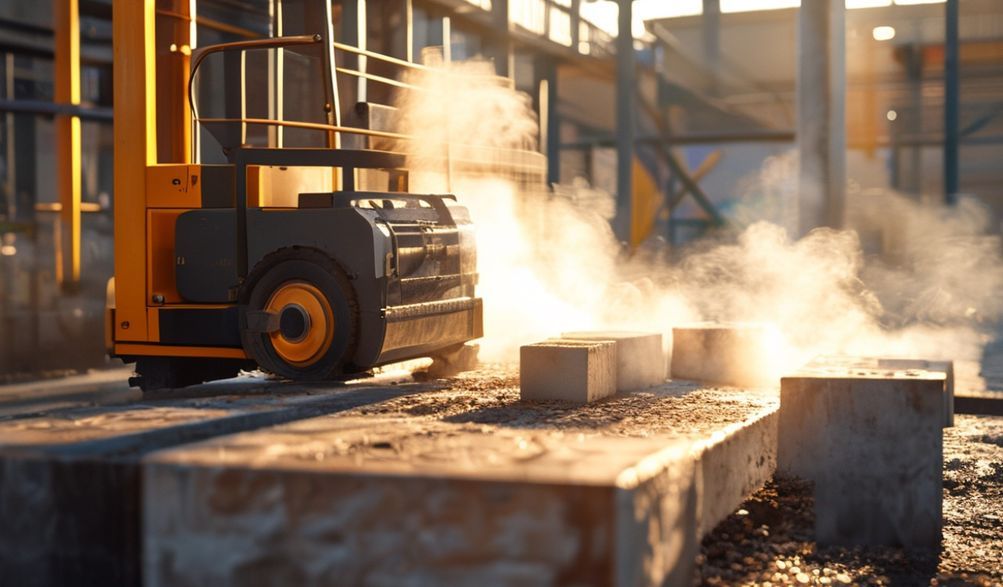
A block making machine is a precision-engineered device designed to compress and mold raw materials into standardized, high-density blocks. By applying vibration and hydraulic pressure to a mixture of cement, aggregates (like sand or gravel), and water, it produces uniform construction components.
These machines are incredibly versatile, capable of producing:
* Amakaduriro: For load-bearing walls, offering excellent strength-to-weight ratios.
* Ibirindiro by'umwimerere: For foundations, pavements, and robust structures.
* Amakara yo gupaka (Ahuze cyangwa Bisanzwe): For driveways, walkways, and public spaces.
* Curbstones and Specialty Blocks: For landscaping and civil engineering projects.
Decoding the “Hot Sale” Phenomenon
When a model is consistently tagged as a “hot sale,” it points to several key market-driven factors:
- Responding to Surging Market Demand: Global infrastructure and housing projects are creating relentless demand for building materials. Machines that enable efficient, localized block production are in high demand.
- Superior Value Proposition: “Hot sale” models rarely are the cheapest or the most expensive. They hit the sweet spot—offering robust productivity, reliable performance, and a competitive price point that delivers a faster return on investment.
- Proven Track Record & Network Effect: High sales volume creates a virtuous cycle. It means more machines are in operation globally, leading to greater availability of user feedback, spare parts, and technician familiarity. You’re investing in a platform with established support.
Types of Hot Sale Block Making Machines
By Operation: Manual, Semi-Automatic, and Fully Automatic
Your choice here dictates your capital outlay, labor needs, and scale.
-
Imashini z'ibikorwa by'amaboko:
- Gutanga.Igiciro cyo mbere gito.
- Umurimo: Highly labor-intensive; requires significant physical effort for mixing, feeding, and block removal.
- Ibisohoka:Hasi (urugero: 500-1,000 ibyumba ku munsi).
- Byiza Kuri: Micro-enterprises, very small-scale projects, or regions with very low labor costs.
-
Imitungo Imigendeshwa n'ikiremwamuntu:
- Gutanga. Moderate cost; the most popular “hot sale” category.
- Umurimo: Mechanizes the critical compression and vibration processes. Labor is needed for feeding raw material and removing finished blocks.
- Ibisohoka: Medium to High (e.g., 2,000-8,000 blocks per 8-hour shift).
- Byiza Kuri: Small to medium-sized block yards, growing construction businesses, and entrepreneurs. Offers the best balance.
-
Imashini Zikora Byikoresho Zishobora Kwikorera Ubwabyo.
- Gutanga.Gutanga amafaranga menshi.
- Umurimo: Minimal; computer-controlled with automated material batching, block molding, curing, and stacking.
- Ibisohoka: Very High (e.g., 10,000-30,000+ blocks per shift).
- Byiza Kuri: Large-scale block manufacturing plants and major construction companies with constant, high-volume demand.
By Mobility: Stationary vs. Mobile Block Machines
- Imashini Zihagaze Set up in a fixed location (a factory or yard). They are generally more robust, offer higher production capacities, and are connected to permanent power and material supply lines.
- Imashini Zigendeshwa: Mounted on a trailer or wheels. The key advantage is the ability to produce blocks directly on a construction site, eliminating transport costs for finished blocks. Output is typically lower than stationary models.
By Block Output System: Static (Egg-Laying) vs. Moving (Pallet-Circulating)
- Static (“Egg-Laying”) Machines: The machine itself moves on wheels over a concrete floor, depositing (or “laying”) blocks in rows. They require a large, flat curing area. Simpler design, often more affordable.
- Moving (Pallet-Circulating) Machines: The machine is stationary. It uses a continuous circuit of steel or wooden pallets. The block is formed on a pallet, which then moves through the machine for curing and stacking. This allows for a much smaller footprint and higher levels of automation.
Key Features to Look for in a Top-Performing Machine
Core Performance Metrics
- Ubushobozi bwo gukora: Don’t just look at “blocks per hour.” Assess realistic “blocks per shift” (8-10 hours) accounting for mold changes and maintenance. Match this to your business plan.
- Igihe cyo gukora The time to complete one molding cycle (filling, compacting, ejecting). A faster cycle time means higher potential output.
- Block Size & Type Versatility: A key value driver. Can the machine easily switch molds to produce different block types (e.g., from hollow blocks to pavers)? Look for a quick-change mold system and check the range of available mold sizes.
Build Quality and Durability Components
This is where quality manufacturers distinguish themselves.
- Imiterere y'Igishushanyo: Seek out heavy-duty, welded steel frames. Avoid lightweight, bolted-together frames that can warp under constant vibration and pressure.
- Sisitemu yo Gutengurwa: The soul of a good block machine. High-frequency, dual-axis (or multi-axis) vibration systems ensure optimal compaction, resulting in blocks with higher density, strength, and a smooth finish.
- Sisitemu ya Hydraulique: Look for reputable brand-name pumps, valves, and cylinders. A robust hydraulic system delivers consistent pressure for uniform block quality and is less prone to leaks and failures.
- Sisteme yo Gucunga Modern semi-automatic and automatic machines use Programmable Logic Controllers (PLCs). A user-friendly PLC touchscreen interface allows for precise control over vibration time, pressure, and cycle parameters.
Efficiency and Cost-Saving Features
- Gukoresha ingufu: Electric motors are cleaner and more efficient for fixed locations. Diesel options provide autonomy for sites without grid power. Compare power ratings.
- Gukoresha neza ibikoresho bitari byakozwe. A well-designed machine will have minimal spillage and produce blocks with consistent weight and composition, reducing material waste.
- Umutekano wo Gukoresha Imashini Even in semi-automatic models, features like automatic pallet feeders or stackers can significantly reduce labor costs and increase output per worker.
Top Applications for Your Block Making Machine
- Commercial Construction Projects: Producing blocks on-demand for shopping malls, office complexes, and industrial warehouses.
- Residential Building and Housing Developments: Supplying the core material for affordable housing projects, subdivisions, and individual home construction.
- Paving and Landscaping Businesses: Diversifying revenue by manufacturing interlocking pavers, curbstones, and garden retaining wall blocks.
- Starting a Block Manufacturing Business: Supplying local builders, contractors, and DIY markets, becoming a central supplier in your community.
How to Choose the Right Supplier: A Trust Checklist
The machine is only half the equation. The supplier is your long-term partner.
Evaluating Manufacturer Expertise & Experience
- How many years have they been designing and building block machines?
- Do they have in-house R&D and engineering teams?
- Can they provide industry certifications or quality management system credentials (e.g., ISO)?
Assessing Authoritativeness and Reputation
- Client Evidence: Request genuine testimonials, video case studies, or contact references for similar projects.
- Industry Presence: Do they participate in major international construction or machinery trade shows?
- Digital Footprint: Research independent reviews, forum discussions, and their overall online reputation.
Ensuring After-Sales Trustworthiness
- Warranty: A comprehensive warranty (e.g., 1-2 years on core components) is a sign of confidence.
- Ubufasha bwa tekiniki Is support available in your language/time zone? Do they offer detailed manuals, video tutorials, and remote diagnostic assistance?
- Ibigabanyabugenamashini: Guarantee of spare parts availability for a minimum of 10 years. Ask for a sample parts price list.
- Ibiganiro: Will they provide thorough operational and safety training, either on-site or at their factory?
Cost Analysis and ROI Expectations
Breaking Down the Investment
The total cost includes:
* Machine Price (FOB or CIF)
* Shipping, Insurance, and Customs Duties
* Installation & Commissioning (foundation, power hookup)
* Initial Raw Material Inventory
* Labor for Operation
Factors Influencing the Price of a “Hot Sale” Machine
- Umutekano wo Gukoresha Imashini The single biggest cost driver.
- Brand Premium: Established brands with proven reliability command higher prices.
- Guhindura Specific mold requirements or special features add cost.
- Included Services: Training, extended warranty, and a starter pack of spare parts affect the final quote.
Projecting Your Return on Investment (ROI)
Use a simple framework:
1. Daily Output: Estimate conservative production (blocks/day).
2. Revenue: Multiply by your local selling price per block.
3. Daily Operational Cost: Include raw materials, labor, power, and a maintenance reserve.
4. Daily Gross Profit: Revenue minus Operational Cost.
5. Payback Period: Total Investment / Daily Gross Profit = Approximate days to recover your investment.
Urugero: A $50,000 machine generating a daily gross profit of $500 has a simple payback period of about 100 working days.
Maintenance Tips for Longevity and Peak Performance
Proactive maintenance is cheaper than reactive repairs.
- Buri munsi: Clean the machine thoroughly after each shift. Check hydraulic fluid levels and for any visible leaks. Lubricate all moving points as per the manual.
- Buri cyumweru: Inspect mold liners, vibration motors, and hydraulic hoses for wear. Tighten any loose bolts on the frame and vibration table.
- Monthly: Check the alignment of the machine. Test the pressure settings. Inspect electrical connections.
Common Wear Parts: Mold liners, vibration motor bearings, hydraulic seals, and conveyor belts (on automatic models). Keep a critical spares kit on hand.
Troubleshooting: Common issues like blocks sticking in the mold often point to worn liners or incorrect mix design. Poor block strength can result from insufficient vibration time or low-pressure settings. Always consult your manual first.
Bibazo Byinshi Byibazwa (FAQ)
Q1: What is the average production capacity of a semi-automatic hot sale block machine?
A: Capacities vary widely, but a popular mid-range semi-automatic model typically produces between 3,000 to 6,000 standard hollow blocks in an 8-hour shift, depending on block size and operator efficiency.
Q2: Can one machine produce different types and sizes of blocks?
A: Yes, most quality machines are designed for versatility. The key is the quick-change mold system. You can purchase different mold sets for hollow blocks, solid blocks, and pavers, allowing you to switch production in under an hour.
Q3: What is the typical lead time from order to delivery for these machines?
A: For standard “hot sale” models, lead times typically range from 30 to 60 days after order confirmation, factoring in production, testing, and sea freight. Customized machines or complex orders will take longer.
Q4: How much space is required to install and operate a medium-capacity block making plant?
A: You need space for the machine itself, raw material storage (sand, cement, aggregate), a mixing area, and a curing area for fresh blocks. A minimum of 1,000 to 2,000 square meters (10,000-20,000 sq ft) is recommended for smooth operation.
Q5: What are the most important safety precautions when operating this machinery?
A: Always wear appropriate PPE (safety glasses, gloves, steel-toe boots). Never place hands in the mold area during operation. Ensure all safety guards are in place. Lock out power before performing any maintenance. Receive proper training before operating.
Q6: Are there financing options available from suppliers?
A: Many established suppliers offer financing partnerships or can guide you toward export credit agencies or leasing options. It’s always a question worth asking during the quotation process.
Ibyo byose
Choosing a hot sale block making machine is a significant decision that hinges on three pillars: understanding the type of machine that matches your operational scale, scrutinizing the performance and durability features that guarantee productivity, and, most critically, selecting a reputable and supportive supplier.
Remember, “hot sale” signifies market validation, but it is not a substitute for your due diligence. Your investment’s long-term success depends as much on the machine’s robust construction as it does on the supplier’s after-sales service, parts availability, and technical support.
Ready to compare specifications and get a quote from trusted suppliers? Contact our industry experts today for personalized guidance tailored to your specific project needs and location.
Download our free comprehensive checklist for evaluating block making machine suppliers to ensure you ask all the right questions.
Investing in the right equipment today is more than a purchase; it’s about future-proofing your construction capabilities or your manufacturing business. The right machine becomes a reliable partner, scaling with your ambitions and building the foundation for your growth, block by solid block.
<