
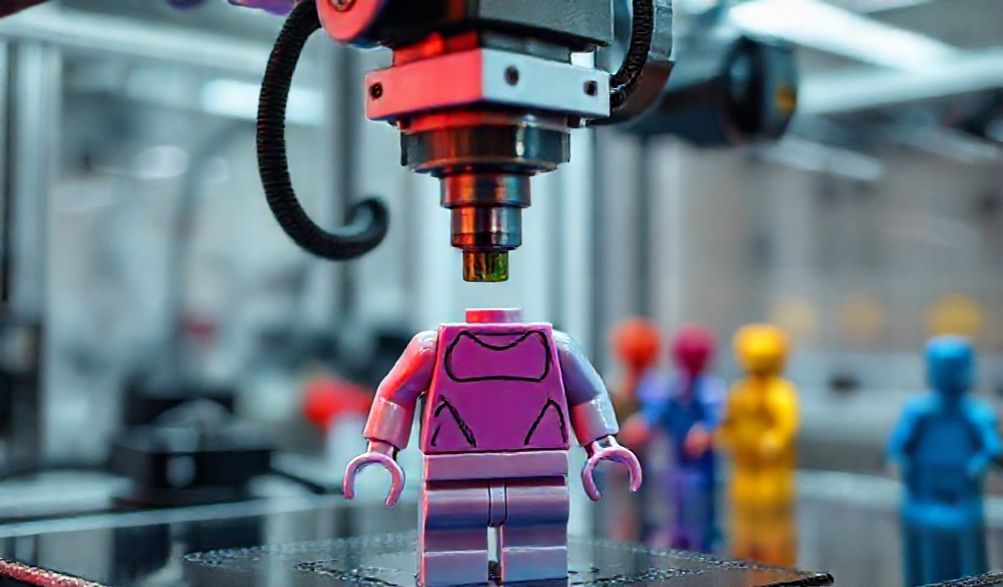
The Ultimate Guide to Custom Figure Brick Printing Machines: From Concept to Creation
Imagine holding a physical, brick-built model of your company’s mascot, a character from your unpublished novel, or a perfect miniature of your pet. This is no longer a fantasy reserved for large toy corporations. The bridge between digital imagination and tangible, collectible brick models now exists, thanks to custom figure brick printing machines. This transformative technology is unlocking new realms of creativity and commerce for hobbyists, small businesses, educators, and marketers alike.
This guide serves as your comprehensive, trustworthy resource for understanding this innovative field. We’ll demystify how the technology works, explore its profound benefits, and provide expert, actionable advice on navigating your options—whether you’re looking to use a service or make a significant investment in equipment.
What is a Custom Figure Brick Printing Machine?
At its core, a custom figure brick printing machine is a specialized device that applies full-color, high-detail graphics directly onto the surface of standard construction brick elements. It’s the key to moving beyond the limited palette of mass-produced bricks, enabling truly one-of-a-kind creations.
Teknoolojiyada Aasaasiga ah ee Sharaxay
The process is a sophisticated blend of digital design and precise manufacturing. While methods vary, the workflow typically follows these stages:
- Digital Model Preparation: It all starts with a 3D model. Using software like Blender, Maya, or specialized brick-design tools, a creator designs their figure or element. This model must be “print-ready,” meaning it’s a watertight mesh with due consideration for structural stability and the placement of graphics.
- Specialized Printing Process: The prepared model data is sent to the printer. The most common technology for full-color brick printing is a form of binder jettingamahigh-resolution inkjet printing.
- A standard, single-color brick (the “substrate”) is placed in the machine.
- The printer’s inkjet array deposits microscopic droplets of colored binder or ink onto the brick’s surface, building up the graphic layer by layer.
- Between layers, a curing step (often using UV light or heat) solidifies the ink, ensuring durability and color vibrancy.
- Post-Processing: Once printing is complete, the brick may undergo additional steps, such as the application of a clear protective coating to enhance scratch resistance and UV protection, ensuring the figure can be handled and displayed.
Beyond Standard Brick Molding
It’s crucial to differentiate this from injection molding, which creates the physical brick shapes. Printing does not change the brick’s form; it decorates it. This means:
* Infinite Customization: Any graphic, pattern, or photo can be reproduced.
* No Minimum Quantity: You can print one single, unique piece cost-effectively.
* Standard Compatibility: Printed bricks maintain their clutch power and fit seamlessly with existing brick systems.
Common Outputs and Applications
The possibilities are vast, but common outputs include:
* Custom Minifigures: Unique characters for tabletop gaming, personalized gifts, or corporate avatars.
* Artistic Tilework: Creating mosaic-style artwork, custom baseplates for dioramas, or branded signage.
* Bespoke Architectural Details: Unique windows, wall textures, or decorative elements for architectural models.
* Prototype Elements: Designers and inventors can test new brick concepts or colors before committing to expensive mass molding.
* Personalized Gifts & Promotional Items: From wedding cake toppers to keychain figures with a company logo.
Key Benefits of Investing in Custom Brick Printing Technology
This technology isn’t just a novelty; it offers tangible strategic advantages for creators and businesses.
Unmatched Personalization and Creativity
The primary benefit is the utter dissolution of design constraints. Want a minifigure with your friend’s face, your startup’s logo on a brick, or a tile with a map of your hometown? It’s possible. This empowers:
* Hobbyists to bring their original characters and worlds to life.
* Educators to create engaging, customized learning aids.
* Artists to explore a new, tactile medium.
Small-Batch & On-Demand Production
This is a game-changer for economic viability. You no longer need to order 10,000 units from a factory to make a project feasible.
* Prototype Freely: Test designs with real, printed bricks before any major investment.
* Launch Limited Editions: Create exclusive, numbered runs for collectors without massive upfront inventory costs.
* Validate Market Demand: Gauge interest in a new product line with a small, cost-effective batch.
Enhanced Brand Engagement and Revenue Streams
For businesses, custom bricks are a powerful tactile marketing tool and a potential new profit center.
* Memorable Marketing: A custom-printed brick model is a physical, interactive touchpoint that stands out far more than a brochure.
* Premium Corporate Gifts: Clients remember a unique, branded model on their desk.
* New Product Lines: Toy companies, museums, and sports teams can offer personalized fan merchandise or commemorative models on demand.
Critical Considerations Before You Buy or Use a Service
Jumping in requires careful thought. An informed decision protects your investment and ensures project success.
Technical Specifications to Scrutinize
If evaluating machines, look beyond the marketing. Key specs include:
* Print Resolution (DPI): Higher DPI means finer detail and smoother color gradients. Industrial machines often exceed 600 DPI.
* Color Gamut & Fidelity: Can the machine accurately reproduce the specific colors in your design, especially brand colors (PMS matches)?
* Compatible Substrates: Not all plastics or brick surface textures accept ink equally. Ensure the machine is calibrated for the brick brand/type you plan to use.
* Production Speed & Throughput: How many bricks or figures can it produce per hour? This is critical for calculating ROI.
* Machine Footprint & Utilities: Do you have the space, power, and ventilation required for an industrial printer?
The Software and Design Workflow
The machine is only part of the ecosystem. The digital workflow is equally important.
* 3D Modeling Skill: Proficiency in 3D software is non-negotiable for creating original models.
* File Preparation (UV Mapping): This is the process of “wrapping” your 2D graphic onto the 3D model digitally. Poor UV mapping leads to distorted prints.
* Color Management: Ensuring the colors on your screen match the printer’s output requires calibration and sometimes specialized software.
Cost Analysis: Capex vs. Opex
This is the fundamental financial decision.
* Capital Expenditure (Capex): Purchasing or leasing an industrial-grade machine. Costs can range from tens of thousands to hundreds of thousands of dollars. Add costs for maintenance, operator training, ink, and approved bricks.
* Operational Expenditure (Opex): Using a professional printing service. You pay per piece or project, with no upfront hardware cost. This converts a fixed capital cost into a variable production cost, offering tremendous flexibility, especially for low-volume or sporadic needs.
How to Choose the Right Solution for Your Needs
Your ideal path depends entirely on your scenario, scale, and expertise.
Scenario 1: The Hobbyist & Small Creator
For individuals or very small teams, using a professional printing service is almost always the recommended starting point.
* Qaabka Xulashada:
* Quality Samples: Always order a physical sample before a large project.
* Transparent Pricing & MOQs: Look for clear pricing models and low minimum order quantities (even single figures).
* Design Guidelines: A good service provides clear specs for file formats, color spaces, and model requirements.
* Turnaround Time & Communication: Assess their responsiveness and realistic timelines.
Scenario 2: The Small to Medium Business (SMB)
Businesses with consistent demand face a closer call between service partners and entry-level industrial machines.
* Calculate Your Volume Threshold: Project your annual brick print volume. At a certain point, the cost of outsourcing may justify the capex of a machine.
* Consider Consistency & Control: Owning the process ensures quality control and protects proprietary designs.
* Evaluate Hybrid Models: Some businesses start with a service to validate demand and later invest in equipment for core product lines.
Scenario 3: The Large-Scale Manufacturer or Enterprise
For integration into existing production, the focus shifts to industrial-grade solutions.
* Machine Selection: Prioritize reliability, speed, and integration capabilities with automation (e.g., robotic brick handling).
* Vendor Support & R&D: Choose a manufacturer with a strong track record, comprehensive service agreements, and a roadmap for future technology upgrades.
* Qiimaha Guud ee La Iska Leeyahay (TCO): Analyze all long-term costs, not just the purchase price.
Vetting Manufacturers and Service Providers
Regardless of your path, due diligence is key. Use this checklist:
* Company History & Portfolio: How long have they been in business? Review their past work.
* Client Testimonials & Case Studies: Seek independent feedback.
* Warranty & Support Terms: Understand what’s covered and for how long.
* Transparency: Will they provide sample prints, detailed specs, or even a facility tour? Reputable companies have nothing to hide.
FAQ: Your Questions on Custom Brick Printing, Answered
Q: Is the print durable? Will it scratch or fade?
A: When done correctly with specialized, cured inks and protective top-coats, the print is highly durable for display purposes. It can withstand careful handling. However, like any printed surface, it is not indestructible; aggressive scratching or prolonged direct sunlight exposure can cause damage. Quality matches or exceeds that of commercially printed brick elements.
Q: Can I print on any brick brand or type?
A: No. Printers are typically calibrated for specific plastics (like ABS) and surface textures. Using an unapproved substrate can lead to poor ink adhesion, color shifts, or damage to the print head. Always use bricks approved or supplied by your service provider or machine manufacturer.
Q: What’s the minimum order quantity (MOQ) for services?
A: This varies dramatically. Some hobbyist-focused services offer MOQs of one piece. For more complex business projects, MOQs might start at 50-100 units. The best approach is to have a clear project brief and request quotes from several providers.
Q: How do I prepare my 3D model for printing?
A: At a high level, you need: 1) A watertight 3D mesh (no holes or non-manifold edges), 2) A file in a supported format (typically .stl, .objama.vox), and 3) Proper UV mapping if applying complex textures. Most reputable service providers offer detailed design guidelines—follow them meticulously.
Q: Are there legal issues with printing copyrighted characters?
A: Yes, this is critically important. Printing trademarked or copyrighted designs (e.g., superheroes, movie characters, branded logos you don’t own) for sale or distribution without a license is intellectual property infringement. It is illegal and unethical. This guide strongly advises focusing on original creations or securing the appropriate licenses from rights holders.
The Future of Custom Brick Fabrication
The technology is rapidly evolving. We can expect:
* Advanced Materials: Printing on sustainable, recycled, or even biodegradable brick substrates.
* AI Integration: AI tools that automatically optimize 3D models for printability and structural integrity.
* Platform Democratization: More seamless, cloud-based “design-to-print” platforms that lower the technical barrier to entry.
* Dhererka La Xoojiyey: New ink and coating chemistries for even greater wear and fade resistance.
The overarching trend is clear: the power to create custom physical objects from digital ideas is becoming more accessible, efficient, and sustainable.
Gabagabo
Custom figure brick printing machines represent a powerful convergence of creativity and technology. They are tools for personal expression, business innovation, and educational engagement. Your journey starts by defining a clear project, honestly assessing your volume, expertise, and budget.
The core decision—opting for the flexibility of a professional service or the control of an in-house machine—should be guided by scale and strategic goals. Whatever path you choose, partner with reputable sources that prioritize quality, transparency, and support. Start by reaching out for a sample or a quote. Take that first step in turning your unique concept into a tangible, brick-built reality.
<