
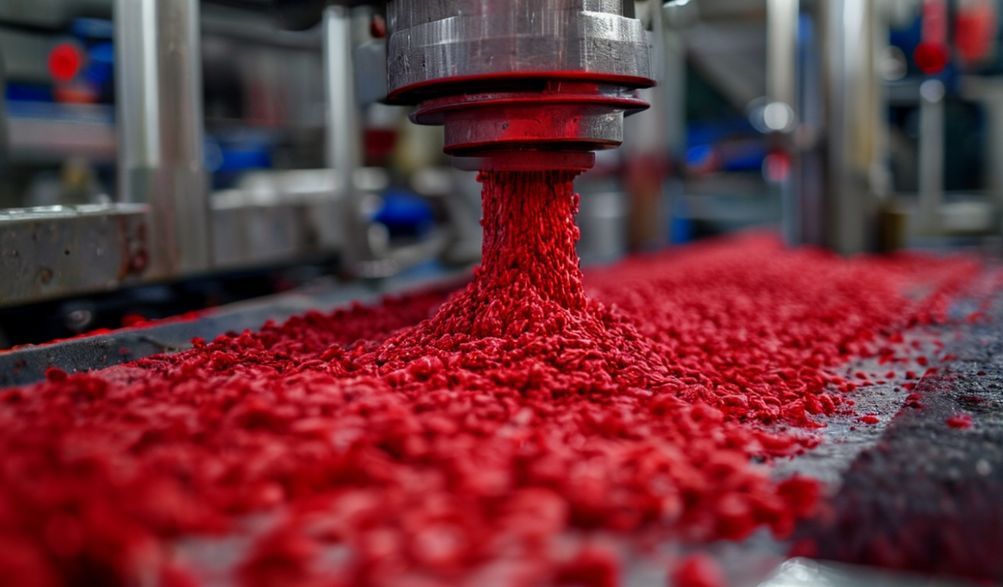
Your Ultimate Guide to Choosing a Clay Brick Machine Manufacturer: Spotlight on FUDA Block Making Factory
Муқаддима
The global construction landscape is built on a foundation of durability and sustainability. As demand for robust, eco-friendly building materials rises, the humble clay brick remains a timeless champion. However, behind every consistent, high-quality brick is a piece of equally reliable machinery. Choosing the right clay brick machine manufacturer is not merely a purchase; it’s a pivotal capital investment that will define your production capacity, product quality, and return on investment for years to come.
This guide is built on an analysis of industry manufacturing processes, machinery specifications, and operational best practices. We’ll dissect the critical factors that separate market leaders from the rest, providing you with a concrete framework for evaluation. As part of this objective analysis, we will examine Фабрикаи сохтмони блокҳои Фуда as a case study—a specific example of a manufacturer in this competitive space—to illustrate what to look for and the questions you must ask. Our goal is to arm you with the knowledge to make a confident, informed decision that ensures the long-term success of your brick production project.
Фаҳмидани мошинаҳои истеҳсоли хишти хомӣ
Before evaluating manufacturers, a firm grasp of the machinery itself is essential. The right machine type depends entirely on your target output, product mix, and level of automation.
Types of Clay Brick Machines
The spectrum of machinery ranges from basic to highly sophisticated:
- Дастӣ ва ним-автоматӣ мошинҳо: Ideal for small-scale operations, rural projects, or specialized artisanal production. These require significant manual labor for feeding, molding, and brick removal. Output is lower, but the initial investment is minimal.
- Машинаҳои пурра автоматӣ: The backbone of modern, commercial brick plants. These systems automate the entire process—from raw material feeding to brick stacking—requiring minimal human intervention. They offer high output, exceptional consistency, and better control over labor costs.
Furthermore, the core forming technology is crucial:
- Extruders: Clay mix is forced through a die to create a continuous column of material, which is then cut into individual bricks. This is the dominant method for producing hollow blocks, perforated bricks, and certain solid bricks. A vacuum chamber in the extruder is critical for removing air, resulting in denser, stronger bricks.
- Presses (or Molding Machines): These use high mechanical or hydraulic pressure to compact clay into a mold. They are often used for producing high-density paving bricks, interlocking blocks, and specially shaped bricks where precise dimensions and sharp edges are required.
Key Components of a Modern Block Making Plant
A complete plant is more than just the forming machine. It’s an integrated system:
- Омодасозии Маводи Хом: Crushers, rollers, and feeders to break down and size the raw clay.
- Омехта кардан ва ҳарорат додан: Mixers (often double-shaft) blend clay with water and additives to achieve uniform plasticity. Pug mills further homogenize and de-air the mixture.
- Ташкил кардан The heart of the plant—the brick machine (extruder or press).
- Cutting & Setting: An automatic cutter slices the extruded column, and a setting machine (or robotic arm) places green bricks onto dryer cars with minimal deformation.
- Drying & Curing: A controlled drying chamber removes moisture before the bricks enter a kiln for firing.
- Handling & Palletizing: Systems for automatically stacking and packaging fired bricks.
The Importance of Automation in Modern Production
Automation is no longer a luxury; it’s a driver of profitability. Industry practice shows that automated lines deliver:
* Беҳамтонии устувор: Programmable Logic Controllers (PLCs) ensure every brick has identical dimensions, density, and weight.
* Самараи баландтар: Continuous operation with faster cycle times maximizes output per shift.
* Reduced Labor Dependency & Cost: One operator can often manage what previously required a large crew, mitigating labor shortages and skill gaps.
* Масштабпазирӣ: Automated systems are easier to integrate with upstream and downstream equipment, allowing for future expansion.
Critical Factors When Selecting a Clay Brick Machine Manufacturer
Moving beyond brochures and websites requires a disciplined evaluation. Here are the non-negotiable factors to scrutinize.
Assessing Manufacturing Expertise & Technical Capability
A manufacturer’s pedigree is your first indicator of reliability.
* History & Track Record: How long have they been building brick machinery? A company with decades of experience has likely encountered and solved myriad production challenges.
* R&D & Engineering Strength: Do they have an in-house engineering team? Can they provide custom solutions for your specific local clay or a unique brick design? This capability is crucial for troubleshooting and optimizing your production.
* Client Portfolio: Ask for references from projects in a climate or market similar to yours. A manufacturer with a global footprint has proven adaptability.
Machine Quality, Specifications, and Performance
The devil is in the technical details. Demand precise specifications.
* Construction & Components: What grade of steel is used in the frame and critical parts? Are wear-resistant liners used in the extrusion chamber? Recognizable, quality component brands (for hydraulics, PLCs, motors) are a good sign of longevity.
* Performance Metrics: Focus on:
* Вақти даврӣ: Seconds per brick or blocks per minute.
* Иқтидори баромад Realistic bricks per 8-hour shift, not theoretical maximums.
* Extrusion Pressure or Compaction Force: Measured in tons or bars, this directly impacts brick density.
* Истифодаи барқ: A key part of your ongoing operating costs.
* Standard Features: Does the base model include a vacuum system, automatic cutter, and PLC control, or are these costly add-ons?
After-Sales Support: The Make-or-Break Factor
This is where many projects fail. The best machine is useless without support.
* Насб ва ба кор даровардан: Will they send a supervisor to your site to ensure correct setup and initial production?
* Таълими ҳамаҷониба Operator and maintenance training is mandatory. Are manuals and software interfaces available in your local language?
* Spare Parts Supply: How quickly can they ship wear parts (like augers, dies, liners)? Is there a local warehouse or agent? Request a sample spare parts catalog and price list upfront.
* Дастгирии техникӣ: Is remote troubleshooting (via phone, video) available? What is the guaranteed response time?
Evaluating Total Cost of Ownership (TCO)
The cheapest machine can become the most expensive. TCO includes:
1. Initial Purchase Price.
2. Shipping, Insurance, and Customs.
3. Installation & Foundation Costs.
4. Utility Connections (High-power electrical, water).
5. Energy Consumption over the machine’s lifespan.
6. Annual Maintenance and Spare Parts costs.
7. Potential Downtime Costs from unreliable service.
A machine with a 20% higher price tag but 30% lower energy use and a proven 50% longer lifespan offers a far superior TCO.
An In-Depth Look at FUDA Block Making Factory
As a case study, let’s apply the above framework to Фабрикаи сохтмони блокҳои Фуда. Note: This analysis is based on typical public information from manufacturers in this segment and should be supplemented by your direct due diligence.
Company Profile and Industry Positioning
FUDA presents itself as a specialized manufacturer of block making machinery, with a focus on providing cost-effective solutions. Typically, such manufacturers are based in major industrial regions with export-oriented operations, serving markets in Southeast Asia, Africa, the Middle East, and South America. Their positioning often highlights a balance between automation capability and affordability.
Product Range and Technical Highlights
Based on common industry models from similar manufacturers, a company like FUDA would likely offer:
* A range of clay brick machines from semi-automatic to fully automatic models.
* Core products might include vacuum extruders for hollow and solid blocks, with options for different die sizes.
* Technical features could encompass PLC control systems, frequency converters for energy savings, and hardened steel components for key wear parts.
* Output specifications would vary by model, with mid-range automatic machines potentially offering capacities in the range of 10,000 to 20,000 standard bricks per 8-hour shift.
Analyzing FUDA’s Value Proposition
A balanced view is essential for any manufacturer under consideration.
-
Potential Strengths:
- Нархгузории рақобатӣ: Often a primary advantage, making automation more accessible for budget-conscious projects.
- Мутобиқшавӣ Some manufacturers in this category offer reasonable flexibility for different brick sizes and basic clay types.
- Simplified Technology: Machines may be designed for easier operation and maintenance in diverse environments.
-
Key Considerations to Verify:
- Depth of Global Support: The extent and responsiveness of their after-sales network outside their home country is a critical verification point. How many service engineers do they have for international clients?
- Level of Customization: While adaptable, their capacity for deep engineering customization for highly specific mineral compositions or complex products should be confirmed.
- Material of Construction: Precise details on steel grades, hardness of liners, and brand of critical components must be requested and compared against premium manufacturers.
How to Vet FUDA (or Any Manufacturer)
Do not rely on marketing alone. Take these actionable steps:
1. Дархости истинодҳои минтақавӣ: Ask for 2-3 contactable clients who have operated their machine for over 2 years in a country near you.
2. Demand a Detailed Parts List: Scrutinize the bill of materials for brand names and material specifications of all major components.
3. Insist on a Live Demonstration: A video call showing a machine in operation at their factory or a client’s site is invaluable. Observe brick quality, cycle rhythm, and operator interaction.
4. Review Warranty Terms Meticulously: What is covered (parts, labor)? For how long? What are the terms for warranty claims? Is it an on-site warranty or a “return to factory” warranty?
Beyond the Machine: Ensuring Project Success
Your responsibility extends beyond selecting a manufacturer.
Raw Material Compatibility Testing
This is the single most important pre-purchase step. You must test your local clay. Send 100-200kg of your representative clay sample to the shortlisted manufacturer. They should run it through their laboratory or pilot machine and provide you with:
* Sample bricks.
* Data on optimal moisture content and mixing formula.
* Confirmation that their machine can process it efficiently.
* An estimate of final brick strength and quality.
Factory Layout and Power Requirements
Engage a local engineer early. The manufacturer should provide:
* Detailed foundation drawings with load specifications.
* Overall plant layout for material flow.
* Complete utility requirements (total connected power in kW, water needs, compressed air).
The Role of Skilled Operation and Maintenance
Even the best machine is a tool. Its output depends on the skill of its users. Budget for and prioritize the training provided by the manufacturer. Develop a simple, daily maintenance checklist for your operators to prevent minor issues from becoming major breakdowns.
Frequently Asked Questions (FAQ)
Q1: What is the average production capacity of a mid-range automatic clay brick machine?
A: A typical mid-range, fully automatic clay brick machine can produce between 10,000 and 30,000 standard equivalent bricks per 8-hour shift. The exact number depends on the brick size (solid vs. hollow), machine cycle time, and the efficiency of the entire production line setup.
Q2: How important is after-sales service, and what should it include?
A: It is critical—often more important than a slight difference in machine price. Essential service must include supervised installation & commissioning, hands-on operator training, comprehensive maintenance manuals (in your language), a clear spare parts catalog with local availability, and access to remote technical support.
Q3: Can machines from a manufacturer like FUDA handle different types of clay?
A: Most quality machines have adjustable parameters (moisture, extrusion speed, vacuum level). However, the mineral composition, plasticity, and shrinkage properties of your specific clay must be tested with the manufacturer. They should be able to recommend machine settings or minor modifications for optimal results with your material.
Q4: What is the typical lead time for delivery and installation?
A: Generally, expect 30 to 90 days from order confirmation to delivery at your port, depending on machine customization and the manufacturer’s production schedule. Installation and commissioning can add another 2-4 weeks, contingent on your site readiness.
Q5: What are the key certifications or standards I should look for in the machinery?
A: Primarily, look for Нишони СЕ (indicating compliance with EU health, safety, and environmental standards), which is essential for export to many regions. The manufacturer’s factory should ideally hold ISO 9001 quality management certification. Also, ensure the machine complies with your country’s local industrial safety and electrical standards.
Conclusion
Selecting a clay brick machine manufacturer is a strategic decision that hinges on a holistic view of Total Cost of Ownership, unwavering after-sales support, and proven technical compatibility with your raw materials. While manufacturers like Фабрикаи сохтмони блокҳои Фуда represent a segment of the market offering specific value propositions, their suitability for your project can only be determined through rigorous, objective due diligence.
Our final recommendation is to shortlist 3-5 manufacturers across different market positions. Request detailed, specification-heavy proposals from each, and use the framework in this guide to compare them side-by-side. Prioritize a factory visit or a live video demonstration above all else—there is no substitute for seeing “Experience” and “Expertise” in action. Consult with independent industry experts, conduct definitive clay tests, and make your investment decision based on data, not just price, to build a foundation for sustainable, profitable growth.
<