
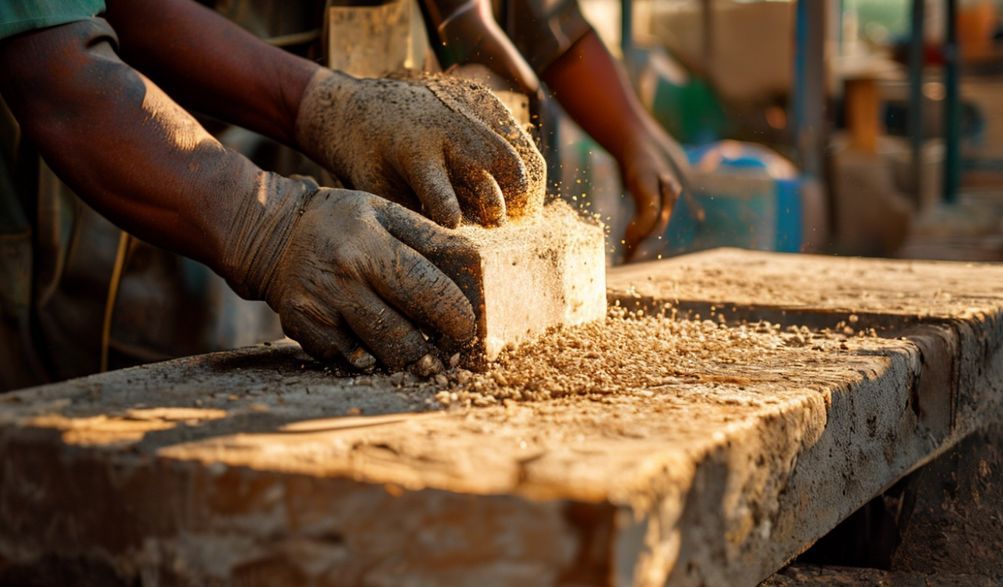
คู่มือฉบับสมบูรณ์สำหรับเครื่องอัดบล็อกคอนกรีตแบบใช้มือในไนจีเรีย | ข้อมูลเชิงลึกจากโรงงานผลิตบล็อก FUDA
บทนำ
คุณคือผู้รับเหมาก่อสร้างในลากอส พร้อมเริ่มโครงการใหม่ หรือคุณอาจเป็นนักธุรกิจในอาบูจา ที่มองเห็นโอกาสในภาคการก่อสร้างที่เติบโตอย่างต่อเนื่อง คุณได้รับใบเสนอราคา และรายการราคาคอนกรีตบล็อกทำให้คุณหยุดคิด ราคาสูง จัดส่งไม่สม่ำเสมอ และคุณภาพจากผู้จัดจำหน่ายแต่ละรายแตกต่างกันอย่างมาก สถานการณ์นี้เป็นเรื่องปกติมากในไนจีเรีย ที่ซึ่งความต้องการที่อยู่อาศัยและโครงสร้างพื้นฐานราคาย่อมเยา ยังคงต้องเผชิญกับความท้าทายด้านต้นทุนและความพร้อมของวัสดุ
ปัญหาหลักคือการพึ่งพา การพึ่งพาบล็อกที่ซื้อมานั้นผูกไทม์ไลน์และงบประมาณของโครงการของคุณกับความผันผวนของตลาดและความน่าเชื่อถือของบุคคลที่สาม แต่ถ้าคุณสามารถควบคุมได้ล่ะ? ถ้าคุณสามารถผลิตบล็อกคุณภาพสูงและคุ้มค่าได้อย่างแม่นยำในเวลาที่คุณต้องการและในสถานที่ที่คุณต้องการล่ะ?
ทางออกอยู่ที่อุปกรณ์ที่มีประสิทธิภาพแต่เรียบง่าย นั่นคือเครื่องอัดบล็อกแบบใช้มือ สำหรับโครงการก่อสร้างขนาดเล็กถึงกลาง การสร้างบ้านส่วนตัว หรือการเริ่มต้นธุรกิจจัดหาบล็อก เครื่องมือนี้เป็นตัวเปลี่ยนเกม มันแสดงถึงการเปลี่ยนจากการเป็นผู้บริโภคไปสู่ผู้ผลิต ซึ่งให้ความยืดหยุ่นที่เหนือชั้นและช่วยประหยัดต้นทุนได้อย่างมาก
ในตลาดไนจีเรีย มีชื่อหนึ่งที่สร้างชื่อเสียงจากการให้โซลูชันที่แข็งแกร่งและน่าเชื่อถือ:โรงงานผลิตบล็อกฟูดาด้วยประสบการณ์หลายปีในการดำเนินงานในสภาพแวดล้อมการก่อสร้างเฉพาะของไนจีเรีย FUDA เข้าใจถึงความต้องการเฉพาะด้านสำหรับความทนทาน ความสะดวกในการใช้งาน และการสนับสนุนหลังการขาย
คู่มือนี้มีเป้าหมายที่จะเป็นแหล่งข้อมูลที่ครอบคลุมสำหรับคุณ เราจะก้าวข้ามการเสนอขายทั่วไป เพื่อมอบข้อมูลเชิงลึกจากผู้เชี่ยวชาญที่เชื่อถือได้และปฏิบัติได้จริง คุณจะได้เรียนรู้ว่าเครื่องจักรเหล่านี้ทำงานอย่างไร เหตุใดจึงเหมาะสมเชิงกลยุทธ์สำหรับไนจีเรีย ควรพิจารณาคุณสมบัติใดบ้าง และการร่วมมือกับผู้ผลิตที่มีชื่อเสียงเช่น FUDA จะช่วยปูทางสู่ความสำเร็จได้อย่างไร มาสำรวจกันว่าการลงทุนในเครื่องทำบล็อกคอนกรีตแบบใช้มือในไนจีเรียโดยเฉพาะอย่างยิ่งจากโรงงานผลิตบล็อกฟูดาสามารถเสริมพลังให้กับเป้าหมายการก่อสร้างหรือกิจการทางธุรกิจของคุณ
เครื่องจักรทำบล็อกแบบมือถือคืออะไรและทำงานอย่างไร?
หัวใจสำคัญของเครื่องอัดบล็อกแบบใช้มือคือเครื่องมือแห่งการเสริมพลัง มันเป็นอุปกรณ์ที่ขับเคลื่อนด้วยแรงมนุษย์ ออกแบบมาเพื่อเปลี่ยนส่วนผสมของซีเมนต์ ทราย และหินแกรนิตให้กลายเป็นบล็อกคอนกรีตที่มีความแม่นยำ แน่นทึบ และทนทาน ซึ่งแตกต่างจากเครื่องอัตโนมัติตรงที่ไม่ต้องการไฟฟ้าหรือเครื่องยนต์ดีเซล ทำให้เหมาะสำหรับสถานที่ห่างไกลหรือพื้นที่ที่มีแหล่งจ่ายไฟไม่เสถียร
คำจำกัดความพื้นฐานและองค์ประกอบหลัก
เครื่องอัดบล็อกคอนกรีตแบบใช้มือเป็นอุปกรณ์กลไกที่ทำงานโดยใช้คันโยกมือ หน้าที่หลักคืออัดส่วนผสมคอนกรีตกึ่งแห้งลงในแม่พิมพ์ เพื่อขึ้นรูปบล็อกที่มีขนาดและรูปร่างเฉพาะ
ส่วนประกอบสำคัญที่คุณควรตรวจสอบคุณภาพ ได้แก่
- กรอบ The heavy-duty steel skeleton of the machine. A robust frame ensures stability during the high-pressure compaction process and guarantees longevity.
- Mold or Mould Box: This is the cavity that gives the block its shape (e.g., 9-inch hollow, 6-inch solid). Quality molds are made from hardened steel to resist wear from abrasive concrete.
- ระบบการบดอัด This is the core of the machine. It can be:
- Lever & Press System: Uses a long lever and a pressing head to apply direct pressure.
- Manual Vibrator System: Uses a hand-cranked vibrator to settle and densify the mix within the mold.
- Pallet: A flat, metal or wooden plate that sits under the mold. The block is formed on this pallet, which is then used to transport the fresh block to the curing area.
The Step-by-Step Production Process
The beauty of the process is its simplicity. Here’s how you go from raw materials to a finished block:
- การผสม Combine your aggregates (sharp sand, granite) and cement in the correct ratio (e.g., 1:3:6 for a standard mix) with just enough water to achieve a “semi-dry” consistency—the mix should hold its shape when squeezed.
- Filling the Mold: Place the empty mold box on the pallet, which is positioned on the machine’s table. Shovel the mixed concrete into the mold cavities, slightly overfilling them.
- การบดอัด: This is the critical step. You engage the machine’s compaction mechanism (pulling the lever or cranking the vibrator). This action compresses the mix, removing air pockets and creating a dense, strong block.
- Stripping & Curing: Once compacted, you release the mold box and lift it straight off, leaving the freshly formed block on the pallet. The block is then carefully moved to a shaded, damp curing area where it will gain strength over 14-28 days.
ประเภทของบล็อกที่คุณสามารถผลิตได้
Versatility is a major advantage. With interchangeable molds, a single machine can produce various block types to meet different project needs:
- 9-inch and 6-inch Hollow Blocks: The standard for load-bearing walls in building construction.
- บล็อกแข็ง Used for foundations, pillars, and areas requiring extreme strength.
- แผ่นคอนกรีตบล็อกประสาน For driveways, walkways, and landscaping projects.
- Curved or Specialty Blocks: Some machines offer molds for decorative or specific architectural needs.
Why Choose a Manual Block Machine for Your Nigerian Project or Business?
In the context of Nigeria’s construction industry and economic climate, the manual block machine isn’t just a tool; it’s a strategic asset. Here’s why it’s an exceptionally smart choice.
Significant Cost Savings & ROI
The financial argument is compelling. By producing your own blocks, you eliminate the middleman’s markup.
- For Personal Projects: You can reduce the cost of blocks for your building by 30-50%, depending on local material prices. This direct saving can make the difference between stalling a project and completing it.
- For Business Ventures: The profit margins in block supply are significant. A simple calculation of cost of production (cement, aggregates, labor) versus the prevailing market selling price reveals a healthy return on investment (ROI). The machine can pay for itself within a few months of consistent operation.
Unmatched Flexibility and Control
You are no longer at the mercy of suppliers.
- การผลิตตามความต้องการ Produce blocks exactly when you need them, keeping your project on schedule.
- การควบคุมคุณภาพ You control the mix design. You decide the cement grade, the aggregate quality, and the compaction level, ensuring every block meets your strength standard.
- การปรับแต่ง Need a specific type of block for a unique design? With the right mold, you can produce it yourself without placing a costly custom order.
Low Operational Cost & Maintenance
This is a critical advantage in Nigeria.
- Zero Fuel/Electricity Costs: Basic models require no power. This makes them immune to generator expenses, fuel price hikes, and power grid failures (PHCN).
- Simple Mechanics: With fewer moving parts than automated machines, there is less that can go wrong. Maintenance typically involves cleaning and occasionally tightening bolts or lubricating hinges.
- Easy & Affordable Repairs: If a part does wear out, replacements are generally inexpensive and can often be fabricated locally by a welder or mechanic.
Building Empowerment and Local Capacity
Choosing a manual machine aligns with broader positive impacts.
- การสร้างงาน A small block production operation can employ 2-4 people for mixing, operation, and curing management.
- Skill Development: It fosters valuable technical and entrepreneurial skills within the community.
- Supporting Local Industry: By purchasing from a Nigerian-based manufacturer like FUDA, you invest in the local economy and manufacturing sector, creating a virtuous cycle of growth.
Key Features to Look for in a Quality Manual Block Machine (Expert Buying Guide)
Not all manual machines are created equal. Based on industry observations and field testing in Nigerian conditions, here are the non-negotiable features to scrutinize before you buy.
Robust Construction and Material Quality
This is paramount. The machine must withstand the rigors of daily use.
- กรอบ Look for a frame made from thick, reinforced steel sections (minimum of 4mm thickness). Avoid lightweight, hollow frames that will bend or warp.
- วัสดุแม่พิมพ์ The mold must be made from hardened or high-carbon steel. A soft steel mold will deform quickly, ruining block dimensions and making stripping difficult. Ask about the steel grade and hardening process.
Mold Versatility and Changeover Ease
Your business or project needs may evolve.
- แม่พิมพ์ที่สามารถเปลี่ยนได้ Ensure the manufacturer offers a range of compatible molds for different block types.
- Simple Changeover: The process of swapping one mold for another should be straightforward, requiring only basic tools like a spanner. This allows you to switch production quickly based on demand.
Efficient Compaction Mechanism
The strength of your block depends entirely on effective compaction.
- Lever Systems: Provide direct, high-pressure compaction. Check the leverage ratio—a longer lever means easier operation and greater pressure.
- Vibrator Systems: Use vibration to settle the mix. A good manual vibrator should have a sturdy crank and generate ample vibration frequency. Some machines combine a lever press with a vibrator for optimal results.
- Test It: If possible, ask for a live demonstration. Feel how much effort is required to operate the machine and inspect the density of the resulting test block.
Output Capacity and Ergonomics
Set realistic expectations and prioritize operator comfort.
- Realistic Output: A skilled two-person team can typically produce 300-600 blocks in an 8-hour day, depending on the block size and machine design. Beware of exaggerated claims.
- Ergonomic Design: The levers should be positioned to allow for efficient force application without excessive bending or straining. Smooth operation reduces operator fatigue, which is crucial for maintaining consistent daily output.
Spotlight on FUDA Block Making Factory: A Trusted Partner in Nigeria
When investing in machinery, the manufacturer’s reputation is as important as the product’s specs. FUDA Block Making Factory has established itself as a credible authority in the Nigerian block machine market.
FUDA’s Legacy and Local Expertise
FUDA isn’t a fly-by-night importer. They have built their operations with an understanding of Nigeria’s specific challenges—from climate and material variations to the need for durable, serviceable equipment. Their experience means their machines are not just generic copies but are often adapted for better performance in local conditions.
The FUDA Manual Machine Product Range
While specific models may vary, FUDA typically offers a lineup of manual machines characterized by:
- Heavy-Duty Fabrication: Their machines are known for their solid build, using quality steel to ensure a long service life.
- Optimized Design: Features are often tailored for the Nigerian user, considering ease of operation and maintenance.
- Comprehensive Mold Options: They usually provide a wide selection of standard and specialty molds to cater to diverse customer needs.
Beyond the Machine: FUDA’s Support System
This is where a reputable supplier truly shines and builds trust. FUDA’s value extends beyond the point of sale.
- การสนับสนุนหลังการขาย: They typically offer guidance on machine operation and basic block production techniques.
- ความพร้อมของอะไหล่ As a factory with a local presence, they are a reliable source for genuine spare parts like mold liners, springs, or levers, preventing long downtimes.
- Technical Knowledge: Their team can often provide practical advice on mix designs and troubleshooting common production issues.
Real-World Applications: Where FUDA Machines Are Used
From field observations and user reports, FUDA machines are commonly found in:
- Individual Home Builders: Producing blocks for their personal housing projects across states.
- Small-Scale Block Suppliers: Running profitable micro-businesses supplying estates and local builders.
- Cooperative Housing Projects: Where communities come together to produce blocks for multiple buildings.
- Educational Institutions & Government Projects: For small-scale construction and maintenance work.
Practical Considerations Before You Buy in Nigeria
Success with a manual block machine requires planning. Here’s what you need to think about before making your purchase.
Sourcing Raw Materials: Cement, Sand, and Granite
Your block quality starts here.
- ซีเมนต์: Stick to reputable brands (Dangote, BUA, Lafarge) and ensure you store it in a dry place to prevent pre-hardening.
- มวลรวม: Use clean, sharp sand (not muddy river sand) and hard granite. The aggregate size should be consistent for a good mix. Source from reliable quarries.
- Mix Design: A common, strong mix ratio is 1 part cement to 3 parts sand to 6 parts granite (1:3:6). Adjust based on your strength requirements and aggregate quality. Always conduct test batches.
Site Requirements and Workflow Planning
You need more than just a spot for the machine.
- Production Area: A shaded, level concrete floor (about 4m x 4m) for the machine and mixing.
- Curing Area: A much larger, shaded space where blocks can be stacked and kept moist (by sprinkling water) for at least 14 days. This area must be protected from rain and direct sun.
- Raw Material Storage: Dry, covered space for cement and aggregates.
Skill Level Required and Training
Don’t be intimidated. Operating the machine is a learnable skill.
- Basic Training: A competent trainer (from the supplier or an experienced operator) can teach the basics in a day or two.
- Key Skills: Learning the right water content in the mix and mastering the compaction technique are the most crucial elements for producing strong, well-formed blocks.
Calculating Your Break-Even Point and Profitability
Do the math to see the potential.
- Calculate Cost Per Block: (Cost of Cement per bag / Number of blocks per bag) + Cost of Sand & Granite + Labor + Overhead.
- Determine Selling Price: Check the current market price for the block type in your area.
- Project Daily Output: Be conservative (e.g., 400 blocks/day).
- Analyze: (Selling Price – Cost Price) x Daily Output = Estimated Daily Gross Profit. Use this to calculate how long it will take to recoup your investment in the machine and startup costs.
Frequently Asked Questions (FAQ) About Manual Block Machines in Nigeria
Q1: How many blocks can I produce in a day with a manual machine?
A: With a skilled two-person team, you can realistically produce between 300 to 600 blocks in an 8-hour workday. Output depends on block size (6-inch blocks are faster than 9-inch), operator efficiency, and workflow organization.
Q2: What is the ideal concrete mix for strong, durable blocks in Nigeria’s climate?
A: A mix ratio of 1:3:6 (cement:sharp sand:granite) is a standard and reliable starting point for general construction. For maximum strength (e.g., for foundations), a richer mix like 1:2:4 can be used. Always use clean water and ensure the mix is semi-dry, not soggy.
Q3: Can I start a block molding business with just one manual machine?
A: Absolutely. Many successful small-scale block supply businesses begin with a single manual machine, two laborers, and a strategic location. It’s a low-capital entry point into the construction materials market. Focus on consistent quality and reliable service to build a customer base.
Q4: How does a manual machine compare to an electric or diesel block machine?
A: Manual machines are far cheaper to purchase and operate (no fuel/electricity costs) and are easier to maintain. However, automatic machines have a much higher output (thousands of blocks per day) and require less physical labor. The choice depends on your capital, scale of production, and access to power.
Q5: What kind of after-sales support does FUDA offer, and are spare parts readily available?
A: Based on their established presence, FUDA typically provides basic operational guidance and troubleshooting support. A key advantage is their local stock or ability to fabricate spare parts like molds, levers, and pins, which minimizes downtime compared to waiting for imported parts.
Q6: What are the most common mistakes beginners make and how can I avoid them?
A: The top mistakes are: 1) Too much water in the mix, leading to weak, cracking blocks. Use a semi-dry mix. 2) Insufficient compaction, resulting in crumbly blocks. Apply full, firm pressure every time. 3) Poor curing, allowing blocks to dry out too fast. Keep them shaded and damp for at least two weeks.
สรุป
Investing in a manual block making machine is a decisive step toward construction independence and financial opportunity in Nigeria. As we’ve explored, the benefits are clear: dramatic cost savings, complete control over quality and schedule, low running costs, and the potential to build a profitable enterprise.
This guide has provided you with the expert insights and practical knowledge needed to make an informed decision. You now understand the mechanics, the key features of a quality machine, and the crucial planning required for success.
Choosing the right equipment partner is the final, critical piece of the puzzle. Opting for a reputable, experienced, and locally-present manufacturer like โรงงานผลิตบล็อกฟูดา mitigates risk. It ensures you get a machine built for Nigerian conditions, backed by accessible support and spare parts—factors that are essential for long-term, trouble-free operation.
Take the next step in your building or business journey. Conduct your due diligence, visit showrooms if possible, and see the machines in action. Contact FUDA Block Making Factory today for a detailed consultation, a competitive price quote, or to schedule a live demonstration. Transform your potential into production, and start building your future, one block at a time.
<