
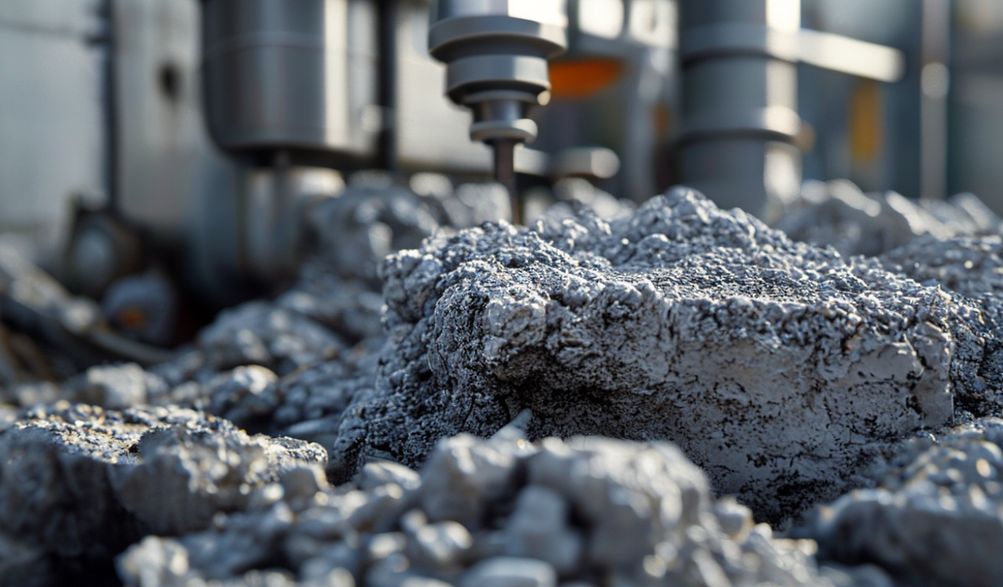
Экологияны Горатмак Кирпич Машиналарының Ахыргы Голланмасы: Төвшөк Гелжек Гурмак
Dünýä gurluşyk senagaty her ýylda 2.2 milliard tonna çyglyk döredýär. Şol bir wagtyň özünde, adaty bişirilen kerpiç sektory çyglygyň "sessiz devi" bolup, diňe bişirilýän peçlerden her ýylda takmynan 1.4 trillion funt uglerod ýazylymlaryna sebäp bolýar. Bu çyglyk we ýazylym ikilik krizisi, dünýämizi nädip gurýandygymyzy esasdan täzeden oýlap görmäge mejbur edýär.
Esasy mesele, adaty kerpiç öndürişinde ýatýar: bu, güýçli energiýa sarp edýän, mümkin bolan ýokary gat topragyny sarp edýän, uly kölemde gaz-ýuwaş gazlary çykarýan we “al-ýasa-at” modelini döredýän proses. Emma çözgüt, aradan aýyrmak isleýän zyýanly çygly akymlarymyzdan özüni görkezýär. Bu ýerde,Экологияны горайландырмак кирпич машинасы—senagat wea gurluşyk guryndylaryny berk, ýokary hilli gurluşyk materiallaryna öwürýän öwrüji tehnologiýa.
Bu gollanma, öňdebaryjy pikirleýän kärhanalary, gurluşyk hünärmenlerini we ekologiýa ýörelgesine eýe bolan maýa goýujylary üçin giňişleýin, hünärli syn bolup hyzmat edýär. Biziň maksadymyz, bu ýaşyl tehnologiýany aňsatlaşdyrmak we täsirli kararlary kabul etmek üçin zerur düşünjeleri bermekdir. Siz maşynlaryň dürli görnüşleri, olaryň uly peýdalary, taslamanyz üçin dogry maşyny nädip saýlamaly, amaly maýa goýumdan yzygiderli gelir we bu senagatyň geljekki ugurlary barada öwrenersiňiz. Geliň, dowamly geljeği gurýarken, nädip peýdaly gurmalydygyny gözden geçireýin.
Экологияны горайландырма кирпич машинасы деген эмне?
БирЭкологияны горайландырмак кирпич машинасыBu, ýokary temperaturaly peçde gowyşmaga zerurlyk bolmazdan kerpiç, plitka we bloklary öndürmek üçin niýetlenen önümçilik enjamydyr. Bu enjamlaryň esasy hammaddesi hökmünde taze gyl we şel ýerine dürli önümçilik galyndylary we peýdalanma önümleri ulanylýar.
Esasy prinsip, gysyş we gowylandyryş prosesine esaslanýar. Kömür elektrik stansiýalaryndan alnan kül (fly ash), polat önümçiliginden alnan şlak, daş tozunyň we gaýtadan işlenilýän gurluşyk we dargatma (C&D) galyndylarynyň ýaly materiallar, kiçi göterimde baglaýjy maddalar (sement ýa-da aky ýaly) we suw bilen garyşdyrylýar. Bu garyndy, soňra maşynyň kalypynda güýçli mehaniki basyş astyna düşürilýär we ýygy, bitewi şekle gysylýar. Soňky berkligi, baglaýjylary işjeňleşdirýän we köplenç geleneksel kerpiçleriň gurluş standartlaryna ýetýän ýa-da ony geçýän önümi döredýän gowylandyryş (bug bilen (awtoklaw), gidratasiýa ýa-da tebigy usullaryň biri) arkaly gazanylýar.
Bu tehnologiýa materiallaryň ylmy we gurluşyk inženerligine berk düşünilýär we ýykyjy çykaryşdan akylly, aýlawly material sintezine geçişi görkezýär.
Экологиялык таза кышмашына машиналарының пайдаланылуының негизги артықчылықтары
Bu tehnologiýany kabul etmek diňe ekologiýa üçin bir hereket däl; bu köp taraply üstünlikleri bolan strategiki karardyr.
Çaltasyň Çuňňur Täsiri
- Kömekçilik:Bu maşynlar gurluşykda tegelek ykdysadyýetiň esasyny düzýär. Olar millionlarça tonna senagat goşmaça önümlerini we gurluşyk-güýç we demirgazyk pudaklarynyň galyndylaryny daşyýan zyňanlardan gaýtaryp, bir ýükden gymmatly aktiv öwürýär.
- Resurslary gorap saklamak:Toprak gatyşygy gazylmagynyň zerurlygyny aýyrmak bilen olar, üstüňki topragyň sarp edilmegini we oba hojalyk degradasiýasynyň öňüni alýar. Şeýle hem, olar täze agrega materiallarynyň gazylmagyna bolan talaby ep-esli azaldýar.
- Karbon Iziniň Azaldylmagy:Fossil ýakylan peçiň ýoklugy iň möhüm faktor. Öndüriş, adaty gary kil kerpiç öndürişi bilen deňeşdirilende, CO2 çykaryşyny 80-90% çenli azaltdyp biler.
- Energetika samsady:Tutuşdyryşdan başlap, gatyşdyrmak we pes basyşly bug bilen bejerilmegine çenli bolan bu proses, geleneksel kerpiç peçiniň ýokary we uzaga çeken temperaturalaryny saklamak bilen deňeşdirilende, has az energiýa sarp edýär.
Иктисадиýet we Ýerine Ýetiriş Üstünlikleri
- Ыйсаплылык:Çig material bahalary örän pes, sebäbi esasy girdejiler köplenç minimal ýa-da hatda tertip tölegleri arkaly (töleg tölegleri arkaly) minimal bahadan alynýan galyndylardyr. Köp hökümetler ýaşyl tehnologiýalary ulanýan işewürler üçin subsidiýalar, salgyt gowşaklyklary ýa-da grantlar hem hödürleýär.
- Üstün Haryt SypatlyÖndürilen kerpiçler diňe ekologiýa üçin amatly däl, eýsem ýokary işjeňlikli. Peýdalary:
- Ýokary Gysmaýylyk Güýji:Ýük daşamaklyk diwarlar üçin ýararlý.
- Örän Uzyn Ömürlilik: Consistent quality and resistance to weathering.
- Better Thermal Insulation: Leading to energy savings in buildings.
- Ýangma Garşylygy: Non-combustible nature enhances building safety.
- Eşsiz Ölçeg & Görnüş: Reduces mortar use and construction time.
- Growing Business Opportunity: There is surging demand for sustainable building materials driven by green building certifications like LEED (Leadership in Energy and Environmental Design) and BREEAM. Using these bricks can earn critical points for such certifications, making them highly attractive to developers and architects.
Types of Environmental Protection Brick Machines
Choosing the right machine depends on your target product and production scale. They are typically categorized in two ways.
By Production Process
- Hydraulic Press Machines: These use high-pressure hydraulic force to compact the raw material mix in a mold. Ideal for producing very high-density and high-strength bricks, such as fly ash bricks or concrete solid blocks. They offer excellent dimensional accuracy and surface finish.
- Steam Curing (Autoclave) Machines: This process is used for manufacturing lightweight Aerated Autoclaved Concrete (AAC) blocks. A mixture of silica-rich material (like fly ash), lime, cement, and an expansion agent is poured into a mold. After initial setting, the large cake is wire-cut into blocks and hardened in a high-pressure steam autoclave, resulting in lightweight, insulating blocks.
- Vibration Compaction Machines: These machines use high-frequency vibration combined with pressure to compact concrete mix into molds. They are the standard for producing interlocking paving blocks, hollow blocks, and kerbstones. The vibration ensures the mix fills the mold completely, eliminating voids.
By Degree of Automation
- Doly Awtomatik Maşynlar: These are complete production lines with automated material feeding, mixing, molding, curing, and palletizing. They require minimal manual labor, ensure consistent quality, and have very high output. The investment is significant but justified for large-scale, commercial operations.
- Ýary-awtomatik maşynlar: A balanced option where core processes like mixing and compaction are mechanized, but tasks like feeding raw materials or removing finished bricks may be manual. They offer a good compromise between output, quality, and initial investment, suitable for small to medium enterprises.
- Manual / Small-Scale Machines: These are simple, often mobile machines operated by a lever or small motor. They have low output but require very low capital and are perfect for community-led projects, rural entrepreneurship, or producing bricks for a specific, small-scale construction project.
How to Choose the Right Machine for Your Needs
Selecting a machine is a critical decision. A systematic approach will ensure your investment is sound.
Assess Your Raw Material Availability
Your local waste streams should dictate your technology choice. Conduct a thorough survey:
* Is there a thermal power plant nearby providing abundant fly ash? (Opt for a hydraulic press).
* Is there abundant construction debris or quarry dust? (A vibration compaction machine may be ideal).
* Securing a consistent, low-cost supply of your primary raw material is the first step to profitability.
Öndüriş maksatlaryňyzy kesgitleň.
Ask yourself key questions:
* What is your required daily or monthly output (in bricks/blocks)?
* What specific products do you want to make? (Solid bricks, hollow blocks for construction, paving slabs, interlocking blocks?)
* What is your available factory space, ceiling height, and power supply capacity?
* What is the local market demand and price point for these products?
Evaluate Machine Specifications & Supplier
Key Technical Specs to Scrutinize:
* Басым (Тоннаж): Higher pressure generally yields denser, stronger bricks.
* Sikl wagty: Time taken to produce one brick/block; determines output capacity.
* Kalyp Ýagdaýy: Can the machine produce different sizes/shapes with mold changes?
* Elektrik energiýasy sarp edişi: Rated in kW; impacts operational costs.
Supplier Vetting (The Most Critical Step):
Your machine’s performance hinges on the supplier’s expertise and integrity. Prioritize:
* Söýgüli yzygiderlilik: Request a list of client references and, crucially, visit existing operational plants.
* Technical Expertise & Support: Ensure they provide comprehensive installation, training, and have a responsive after-sales service team.
* Quality & Certifications: The machine itself should be robustly built and comply with industrial safety and quality standards. Supplier certifications are a positive signal.
Analyze Investment & Return (ROI)
Create a detailed financial model.
* Capital Costs: Machine price, installation, mold costs, raw material handling equipment (crushers, screens, mixers).
* Amalýat çykdajylary: Raw materials, binding agents (cement/lime), labor, utilities (power, water), maintenance.
* Revenue & ROI: Project revenue based on your production capacity, selling price, and market uptake. Payback periods can range from 1 to 4 years, heavily influenced by scale, automation level, and local market dynamics.
The Production Process: From Waste to Building Block
Understanding the workflow underscores the efficiency of this technology.
- Raw Material Collection & Preparation: Incoming waste (e.g., C&D waste) is sorted, crushed, and screened to achieve a consistent particle size. Industrial by-products like fly ash may require only storage and drying.
- Precise Mixing & Batching: The prepared raw material is batched by weight or volume into a mixer. Precise amounts of binding agent (e.g., 5-10% cement) and water are added. Chemical additives for faster setting or coloring may be included.
- Гыпланмак & Ыгырмак: The homogeneous mix is fed into the machine’s mold chamber. Here, it is subjected to intense pressure (hydraulic or vibratory) for a set duration, forming a compact, green brick.
- Gowulama: The “green” bricks are carefully stacked and cured. Methods include:
- Steam Curing: In a chamber for 8-12 hours for rapid strength gain.
- Water Sprinkling: For 14-21 days.
- Natural Curing: Simply allowing them to set in ambient conditions for 28 days.
- Quality Testing & Storage: Samples are tested for compressive strength, water absorption, and dimensional tolerance as per standards (ASTM, IS, etc.). Once passed, the bricks are packaged and stored for dispatch.
FAQs About Environmental Protection Brick Machines
Q1: What are the main raw materials used?
A: The most common are industrial by-products like fly ash, bottom ash, blast furnace slag, and steel slag. Other sources include quarry dust, recycled concrete aggregate (RCA), crushed glass, certain non-hazardous mine tailings, and even processed plastic waste in specific composite applications.
Q2: Are bricks from these machines as strong as traditional clay bricks?
A: Absolutely. When produced correctly, they conform to and often exceed national and international building standards (e.g., ASTM C90, IS 2185). Fly ash bricks, for instance, typically have higher compressive strength and lower water absorption than Class 10 clay bricks, while being lighter and providing better thermal insulation.
Q3: What is the typical payback period for such an investment?
A: It varies widely from 1 to 4 years. Key factors are the scale of operation (fully automatic plants see faster ROI at high volume), the cost and availability of local raw materials, the selling price of the finished bricks in your market, and operational efficiency. A detailed, location-specific business plan is non-negotiable.
Q4: Do these machines require special technical skills to operate?
A: Reputable suppliers provide comprehensive training for operators and maintenance staff. Semi- and fully-automatic machines are designed for user-friendly operation, often with PLC (Programmable Logic Controller) panels. The essential skills relate to routine maintenance, basic troubleshooting, and strict adherence to the mixing formula.
Q5: How does this contribute to green building certifications?
A: Directly and significantly. Systems like LEED award points for using recycled-content materials, regional materials, and innovation in design. Bricks made from post-industrial recycled content are a direct pathway to earning these points, making a construction project more sustainable and more valuable in the marketplace.
The Future of Sustainable Construction Machinery
The evolution of Environmental Protection Brick Machines is accelerating, driven by digitalization and deeper circular economy principles. Key trends include:
* IoT Integration: Sensors on machines will provide real-time data on production parameters, machine health, and output quality, enabling predictive maintenance and optimal efficiency.
* AI & Automation: Advanced vision systems and AI will automate quality control, instantly rejecting sub-standard products and adjusting mix proportions in real-time.
* Material täzelikleri Machines will adapt to process newer, more complex waste streams, such as higher percentages of mixed plastic waste or novel mineral composites.
* Policy Drivers: As global carbon pricing and extended producer responsibility (EPR) schemes become widespread, the economic incentive to adopt this waste-to-resource technology will become irresistible.
Netije
TheЭкологияны горайландырмак кирпич машинасы is far more than just a piece of factory equipment; it is a catalyst for a fundamental shift in the construction paradigm. It enables a true circular economy, turning the sector’s waste problem into its most promising solution. The value proposition is a powerful triple-win: unparalleled environmental stewardship through waste diversion and carbon reduction, compelling economic viability via low input costs and high-value output, and superior building performance that meets modern engineering standards.
The technology’s track record is proven, and its future is integral to sustainable development. The next step is action. We encourage you to conduct a localized feasibility study, reach out to reputable suppliers for detailed consultations, and, most importantly, visit an operational plant. See the process firsthand, speak with the operators, and witness how industrial waste is transformed into the very building blocks of a greener, more resilient future.
<