
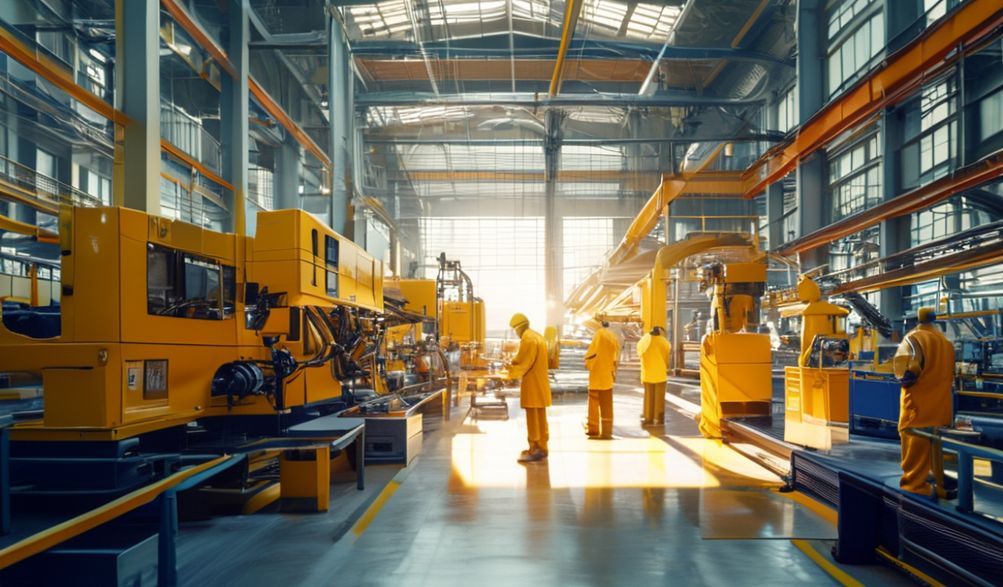
Sa Loob ng Isang Nangungunang Pabrika ng Makina ng Paggawa ng Bloke sa Tsina: Isang Masusing Paglalayag sa FUDA Block Making Factory
Panimula
Ang pandaigdigang industriya ng konstruksiyon ay isang napakalaking makina ng pag-unlad, nagbabago ng mga skyline at nagtatayo ng mga komunidad. Sa sentro ng pagsulong na ito ay matatagpuan ang isang pangunahing, ngunit madalas na hindi nakikitang, sangkap: ang simpleng bloke ng kongkreto. At sa likod ng bawat pare-pareho at de-kalidad na bloke ay may isang sopistikadong makina. Sa loob ng mga dekada, ang Tsina ay nagpatatag ng kanyang puwesto bilang pangunahing kapangyarihan sa pagmamanupaktura ng mundo, at ang sektor ng mga makina ng paggawa ng bloke ay isang pangunahing halimbawa ng dominansyang ito.
Para sa mga mamimili, inhinyero, at negosyante sa buong mundo, ang paglalayag sa malawak na dagat ng mga supplier mula sa Tsina ay maaaring nakakabagabag. Ang merkado ay puno ng mga pagpipilian, mula sa maliliit na talyer hanggang sa malalawak na industriyal na kompleks. Ang hamon ay hindi ang paghahanap ng mga ito, kundi...atagapagtustos; ito ay nagtutukoyang tamakasosyo—isang nagtataglay ng matatag na inhinyeriya, maaasahang suporta pagkatapos ng pagbebenta, at malinaw na operasyon.
Ang artikulong ito ay tumatalakay nang direkta sa pamamagitan ng pagbibigay ng komprehensibo at analitikal na pangkalahatang-ideya ng pabrikang FUDA block making. Susuriin natin ang saklaw ng operasyon nito, mga kagamitang ginagamit, at ang mga prinsipyo sa pagmamanupaktura na nagpapakilala dito. Layunin naming bigyan ka ng isang kongkretong case study at kritikal na balangkas upang makagawa ng isang maalam na desisyon sa pagkuha ng suplay, maging sa pakikipag-ugnayan sa FUDA o sa anumang iba pang tagagawa. Ang pagsusuring ito ay batay sa mga pamantayan ng industriya, mga prinsipyo sa pagmamanupaktura, at ang mga pangunahing salik na naghihiwalay sa mga nangungunang pabrika sa iba.
Pag-unawa sa Larangan ng Makina ng Paggawa ng Bloke sa Tsina
Bago tukuyin ang isang partikular na pabrika, mahalagang maunawaan muna ang ekosistemang pinagtatrabahuhan nito. Ang papel ng Tsina sa pandaigdigang suplay ng makinarya ay hindi nagkataon lamang; ito ay bunga ng mga sistemikong bentahe.
Bakit ang Tsina ang Pambansang Sentro ng Paggawa ng Makinaryang Pang-bloke
Maraming magkakaugnay na salik ang nagpatibay sa pamumuno ng Tsina:
- Mga Ekonomiya ng Eskala:Ang napakalaking dami ng pangangailangan mula sa loob at labas ng bansa ay nagbibigay-daan sa mga pabrika na makamit ang antas ng produksyon na lubhang nagpapababa sa gastos bawat yunit, na nagdudulot ng pakinabang sa mga mamimili sa buong mundo.
- Mga Ganap na Supply Chain:Ang buong mga kumpol ng industriya ay nakatuon sa mga bahagi tulad ng mga sistemang haydroliko, mga kontroler ng PLC, paggawa ng bakal, at paggawa ng molde. Lumilikha ito ng isang episyente at pinagsamang network kung saan madaling makukuha ang mga piyesa.
- Technological Adoption: Chinese manufacturers have rapidly moved from imitation to innovation. Many leading factories now invest heavily in R&D, incorporating IoT sensors, energy-efficient drives, and user-friendly touchscreen interfaces into their machines.
Key Types of Machines Produced
A comprehensive factory typically offers a diverse range to meet different project scales and product types:
- Mga Makina ng Paggawa ng Kongkretong Bloke: The core category. This includes:
- Vibrated Press Machines: Use vibration and pressure to compact concrete in molds. Ideal for solid, hollow, and paving blocks.
- Fully Hydraulic Machines: Offer higher pressure and precision for superior block density and surface finish.
- Mga Halaman na Nakatigil: High-output systems for large-scale, fixed-location production yards.
- Mobile Block Machines: Self-contained units on wheels for on-site production, eliminating transport costs for finished blocks.
- Paver Block Making Machines: Specialized for producing interlocking paving stones, curb stones, and landscape products in various colors and textures.
- Mga Makina ng Interlocking Brick: Designed specifically for producing soil or cement-stabilized interlocking blocks, popular in cost-effective housing projects.
- AAC Block Production Lines: Represent the high-end, involving autoclaved aerated concrete (AAC) for lightweight, insulating blocks. This indicates a factory’s capability to supply complete plant solutions, not just single machines.
Spotlight on FUDA Block Making Factory: Capabilities and Scale
As an example of a well-established player, let’s analyze the typical profile and offerings of a factory like FUDA. This examination provides a benchmark for what to expect from a reputable supplier.
Company Profile and Manufacturing Philosophy
Factories like FUDA often position themselves as integrated manufacturers with decades of experience. The philosophy usually centers on:
- Vertical Integration: Controlling key production stages—from steel cutting and welding to assembly and testing—in-house to ensure quality consistency.
- Client-Centric Innovation: Developing machines tailored to use locally available raw materials (like fly ash or specific aggregates) in different markets.
- Global Vision: Designing machines that meet not only Chinese standards but also international safety and performance expectations for export.
Core Product Range and Technical Specifications
A factory’s catalog tells a story of its technical breadth. Key product lines often include:
- Ganap na Awtomatikong Makina ng Paggawa ng Bloke: The flagship model. A complete system with automatic batching, mixing, conveying, block molding, curing, and pallet return. Output can range from 10,000 to over 30,000 standard blocks per 8-hour shift.
- Multifunctional Paver Machine: A versatile hydraulic press capable of producing hundreds of different paver, curb, and garden slab designs by simply changing the mold. High-pressure systems ensure sharp edges and dense products.
- Mobile Block Machine: A self-powered, towable unit perfect for decentralized construction projects. It can produce blocks directly at the building site.
Critical Technical Considerations:
When reviewing specs, focus on:
* Oras ng Ikot: How many seconds for one molding cycle? This dictates hourly output.
* Pressure (Kn or Tonnage): Higher hydraulic pressure yields stronger, denser blocks.
* Mga Pangangailangan sa Kuryente: Voltage (e.g., 380V/50Hz) and total installed power (KW).
* Maraming Gamit na Molde: The range of block sizes and types (hollow, solid, insulated) a single machine can produce.
* Antas ng Automation: From semi-automatic (manual feeding) to fully automatic (robotic pallet handling).
Expert Note: Always request the most current, detailed specification sheet directly from the factory for the specific model you’re considering, as configurations and capabilities are frequently updated.
Research, Development, and Quality Control Processes
The behind-the-scenes processes truly differentiate a manufacturer.
- Pokus sa R&D: Leading factories invest in:
- Energy-saving systems like variable frequency drives (VFDs) on motors.
- Durable component selection (e.g., renowned brand hydraulics, Siemens PLCs).
- Ergonomic and safe operator interfaces.
- Quality Control Pipeline: A rigorous QC system is non-negotiable. It should cover:
- Inspeksyon ng Papasok na Materyal: Certifying steel grades and component quality.
- Inspeksyon Habang Proseso: Precision checks during machining and welding.
- Pagsusuri Bago ang Pagpapadala: Every machine should undergo a no-load and loaded test run at the factory, producing sample blocks for verification.
- Mga Sertipikasyon: While not a sole guarantee, ISO 9001 certification indicates a structured quality management system is in place.
What to Look for When Evaluating a Block Making Factory in China
Use the following framework to assess any potential supplier, moving beyond marketing claims to tangible evidence.
Hallmarks of a Reliable Manufacturer (Beyond the Brochure)
- In-House Manufacturing vs. Trader: Verify this through live video tours. Can they show you their workshop, assembly line, and painting booth in real-time? Traders often have only showrooms or stockyards.
- Transparency: A trustworthy factory will openly discuss its strengths and limitations, provide clear answers to technical questions, and share unedited client testimonials or project videos.
- After-Sales Structure: Clarify upfront: What is the warranty period (typically 12-18 months)? Is there a detailed spare parts list with prices? What is the protocol for technical support?
The Importance of Customization and Technical Support
Your local conditions are unique. A good partner will adapt.
- Material Adaptation: Can they adjust mixer designs or vibration parameters for your specific sand/cement/aggregate mix or for using industrial by-products like fly ash?
- Comprehensive Support: Expect a package including:
- Foundation layout drawings.
- Electrical wiring diagrams.
- Detailed operation and maintenance manuals.
- Access to video training libraries.
- Availability of engineers for remote troubleshooting via video call.
Navigating the Sourcing Process: From Inquiry to Installation
A smooth procurement journey requires careful planning and clear communication.
Effective Communication with Chinese Factories
- The Perfect Inquiry: Provide a detailed project brief:
- Desired block types, sizes, and compressive strength.
- Target daily output in 8-hour shifts.
- Details of your local raw materials.
- Available power supply on site.
- Your preferred level of automation.
- The Contract: Ensure it explicitly states:
- Incoterms (e.g., FOB Shanghai, CIF Durban).
- Payment terms breakdown (e.g., 30% deposit, 70% before shipment).
- Delivery timeline.
- Warranty terms and scope.
- List of included and excluded items (e.g., Are spare tool kits included?).
Logistics, Shipping, and Commissioning
- Shipping: Standard machines are disassembled, crated, and shipped in 40ft HQ containers. The factory should handle export documentation (Packing List, Commercial Invoice, Bill of Lading, Certificate of Origin).
- Commissioning: Upon arrival, the factory typically dispatches an engineer (with costs—travel, accommodation, daily fee—usually covered by the buyer) to supervise assembly, installation, calibration, and on-site training for your operators. This step is critical for a successful start-up.
Mga Madalas Itanong (FAQ)
Q1: What is the typical price range for a block making machine from a factory like FUDA?
Isalin ang teksto sa Filipino. I-output LAMANG ang isinalin na teksto. There is no single “typical” price. A small manual machine may start around \$15,000, while a large, fully automatic production line can exceed \$200,000. The final price depends on automation level, output capacity, configuration (with or without mixer, pallet feeder, etc.), and chosen components. Always obtain a formal, itemized quotation based on your specific requirements.
Q2: Can the factory provide molds for custom block designs?
Isalin ang teksto sa Filipino. I-output LAMANG ang isinalin na teksto. Yes, reputable factories with in-house mold workshops specialize in this. You will need to provide detailed drawings or a sample block. They will design and CNC-machine the mold, typically with an additional cost and a lead time of 2-4 weeks. This is a key service to inquire about.
Q3: How do I verify the credibility of a block making machine factory in China?
Isalin ang teksto sa Filipino. I-output LAMANG ang isinalin na teksto. Employ a multi-point check:
* Business Verification: Use Alibaba’s “Onsite Check” or “Supplier Assessment” reports, or ask for a copy of their business license.
* Client References: Ask for contact information for 2-3 past clients in a region similar to yours and follow up.
* Visual Evidence: Request a live video call tour of the factory floor and a video of the exact machine model in operation, not just promotional clips.
* Certification Check: Ask for copies of ISO or other quality certificates.
Q4: What after-sales service can I expect?
Isalin ang teksto sa Filipino. I-output LAMANG ang isinalin na teksto. Standard professional service includes:
1. Provision of all technical documentation (manuals, drawings, diagrams).
2. Lifetime free remote guidance via WhatsApp, Zoom, or email.
3. A guaranteed supply of wear parts and a clear spare parts catalog.
4. Option for dispatch of engineers for on-site service (at the buyer’s expense for travel and labor).
Clarify response time commitments for urgent technical issues.
Konklusyon
Selecting a block making machine factory is a strategic decision that impacts your project’s profitability, product quality, and operational longevity. Success hinges on partnering with a manufacturer that demonstrates not just technical capability, but also operational transparency and a genuine commitment to partnership.
Factories like FUDA exemplify the high level of capability available in the Chinese market—showcasing scale, technological integration, and a global outlook. However, this spotlight serves as a template for evaluation, not an endorsement. The principles of due diligence remain paramount.
Use the criteria outlined here—assessing manufacturing depth, R&D focus, quality control, and after-sales structure—to vet any potential supplier. Prepare your project specifications with clarity, engage in detailed technical discussions with shortlisted factories, and, wherever possible, prioritize a physical or comprehensive virtual factory inspection. This diligent approach is your best investment in securing a machine that will build the foundation of your success for years to come.
<