
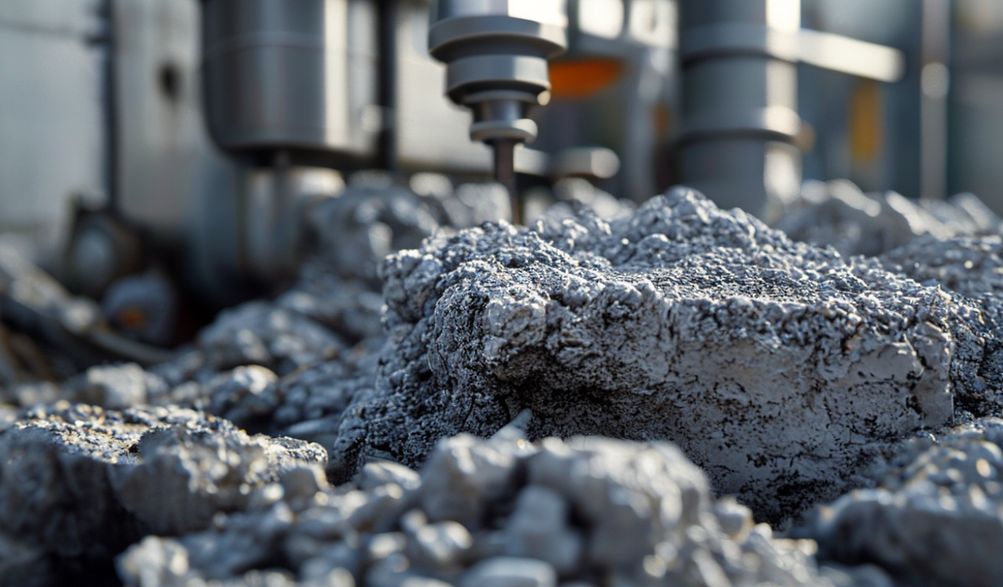
The Ultimate Guide to Environmental Protection Brick Machines: Building a Sustainable Future
The global construction industry generates a staggering 2.2 billion tonnes of waste annually. Simultaneously, the traditional fired clay brick sector is a silent giant of pollution, responsible for an estimated 1.4 trillion pounds of carbon emissions each year from kiln firing alone. This dual crisis of waste and emissions is forcing a fundamental rethinking of how we build our world.
The core problem lies in conventional brick manufacturing: an energy-intensive process that consumes fertile topsoil, emits significant greenhouse gases, and creates a linear “take-make-dispose” model. The solution, however, is emerging from the very waste streams we seek to eliminate. Enter the Environmental Protection Brick Machine—a transformative technology that turns industrial and construction debris into durable, high-performance building materials.
This guide serves as a comprehensive, expert overview for forward-thinking entrepreneurs, construction professionals, and eco-conscious investors. Our goal is to demystify this green technology, providing the insights needed to make informed, impactful decisions. You will learn about the different types of machines, their profound benefits, how to select the right one for your project, the realistic return on investment, and the future trends shaping this industry. Let’s explore how to build profitably while building a sustainable future.
What is an Environmental Protection Brick Machine?
An Environmental Protection Brick Machine is a specialized piece of manufacturing equipment designed to produce bricks, pavers, and blocks without the need for high-temperature kiln firing. Instead of using virgin clay or shale, these machines utilize a variety of industrial by-products and waste materials as their primary raw inputs.
The core principle hinges on a process of compaction and curing. Materials like fly ash (from coal plants), slag (from steel production), quarry dust, and recycled construction & demolition (C&D) waste are mixed with a small percentage of a binding agent, such as cement or lime, and water. This mixture is then subjected to intense mechanical pressure within the machine’s mold, compacting it into a dense, coherent shape. The final strength is achieved through curing—either by steam (autoclaving), hydration, or natural methods—which activates the binders to create a product that often meets or exceeds the structural standards of traditional bricks.
This technology is firmly rooted in material science and civil engineering, representing a shift from destructive extraction to intelligent, circular material synthesis.
Key Benefits of Using Eco-Friendly Brick Machinery
Adopting this technology is not merely an environmental gesture; it’s a strategic decision with multifaceted advantages.
Profound Environmental Impact
- Paggamit ng Basura: These machines are the cornerstone of a circular economy in construction. They divert millions of tonnes of industrial by-products and C&D waste from overflowing landfills, transforming a liability into a valuable asset.
- Pangangalaga ng Yaman: By eliminating the need for topsoil excavation, they prevent topsoil depletion and agricultural degradation. They also significantly reduce the demand for quarrying virgin aggregates.
- Carbon Footprint Reduction: The absence of the fossil fuel-fired kiln is the most significant factor. Production can reduce CO2 emissions by up to 80-90% compared to conventional clay brick manufacturing.
- Enerhiyang Mabisâ: The entire process—from mixing to compaction to low-pressure steam curing—consumes far less energy than maintaining the extreme, sustained temperatures of a traditional brick kiln.
Economic & Performance Advantages
- Pagiging Epektibo sa Gastos: Raw material costs are drastically lower, as the primary inputs are often waste products procured at minimal or even negative cost (via tipping fees). Many governments also offer subsidies, tax breaks, or grants for businesses adopting green technologies.
- Superior na Kalidad ng Produktong: The bricks produced are not just eco-friendly; they are high-performance. Benefits include:
- Mataas na Lakas ng Kompresyon: Suitable for load-bearing walls.
- Excellent Durability: Consistent quality and resistance to weathering.
- Better Thermal Insulation: Leading to energy savings in buildings.
- Pagiging Matibay sa Apoy: Non-combustible nature enhances building safety.
- Parehong Sukat at Hugis: Reduces mortar use and construction time.
- Growing Business Opportunity: There is surging demand for sustainable building materials driven by green building certifications like LEED (Leadership in Energy and Environmental Design) and BREEAM. Using these bricks can earn critical points for such certifications, making them highly attractive to developers and architects.
Types of Environmental Protection Brick Machines
Choosing the right machine depends on your target product and production scale. They are typically categorized in two ways.
By Production Process
- Mga Makina ng Hydraulic Press These use high-pressure hydraulic force to compact the raw material mix in a mold. Ideal for producing very high-density and high-strength bricks, such as fly ash bricks or concrete solid blocks. They offer excellent dimensional accuracy and surface finish.
- Steam Curing (Autoclave) Machines: This process is used for manufacturing lightweight Aerated Autoclaved Concrete (AAC) blocks. A mixture of silica-rich material (like fly ash), lime, cement, and an expansion agent is poured into a mold. After initial setting, the large cake is wire-cut into blocks and hardened in a high-pressure steam autoclave, resulting in lightweight, insulating blocks.
- Vibration Compaction Machines: These machines use high-frequency vibration combined with pressure to compact concrete mix into molds. They are the standard for producing interlocking paving blocks, hollow blocks, and kerbstones. The vibration ensures the mix fills the mold completely, eliminating voids.
By Degree of Automation
- Ganap na Awtomatikong Makina: These are complete production lines with automated material feeding, mixing, molding, curing, and palletizing. They require minimal manual labor, ensure consistent quality, and have very high output. The investment is significant but justified for large-scale, commercial operations.
- Semi-Automatikong Makina: A balanced option where core processes like mixing and compaction are mechanized, but tasks like feeding raw materials or removing finished bricks may be manual. They offer a good compromise between output, quality, and initial investment, suitable for small to medium enterprises.
- Manual / Small-Scale Machines: These are simple, often mobile machines operated by a lever or small motor. They have low output but require very low capital and are perfect for community-led projects, rural entrepreneurship, or producing bricks for a specific, small-scale construction project.
How to Choose the Right Machine for Your Needs
Selecting a machine is a critical decision. A systematic approach will ensure your investment is sound.
Assess Your Raw Material Availability
Your local waste streams should dictate your technology choice. Conduct a thorough survey:
* Is there a thermal power plant nearby providing abundant fly ash? (Opt for a hydraulic press).
* Is there abundant construction debris or quarry dust? (A vibration compaction machine may be ideal).
* Securing a consistent, low-cost supply of your primary raw material is the first step to profitability.
Tukuyin ang Iyong mga Layunin sa Produksyon
Ask yourself key questions:
* What is your required daily or monthly output (in bricks/blocks)?
* What specific products do you want to make? (Solid bricks, hollow blocks for construction, paving slabs, interlocking blocks?)
* What is your available factory space, ceiling height, and power supply capacity?
* What is the local market demand and price point for these products?
Evaluate Machine Specifications & Supplier
Key Technical Specs to Scrutinize:
* Puwersa (Tonelahe): Higher pressure generally yields denser, stronger bricks.
* Oras ng Ikot: Time taken to produce one brick/block; determines output capacity.
* Maraming Gamit na Molde: Can the machine produce different sizes/shapes with mold changes?
* Konsumo ng Kuryente: Rated in kW; impacts operational costs.
Supplier Vetting (The Most Critical Step):
Your machine’s performance hinges on the supplier’s expertise and integrity. Prioritize:
* Subok na Rekord ng Tagumpay: Request a list of client references and, crucially, visit existing operational plants.
* Technical Expertise & Support: Ensure they provide comprehensive installation, training, and have a responsive after-sales service team.
* Quality & Certifications: The machine itself should be robustly built and comply with industrial safety and quality standards. Supplier certifications are a positive signal.
Analyze Investment & Return (ROI)
Create a detailed financial model.
* Capital Costs: Machine price, installation, mold costs, raw material handling equipment (crushers, screens, mixers).
* Mga Gastos sa Pagpapatakbo: Raw materials, binding agents (cement/lime), labor, utilities (power, water), maintenance.
* Revenue & ROI: Project revenue based on your production capacity, selling price, and market uptake. Payback periods can range from 1 to 4 years, heavily influenced by scale, automation level, and local market dynamics.
The Production Process: From Waste to Building Block
Understanding the workflow underscores the efficiency of this technology.
- Raw Material Collection & Preparation: Incoming waste (e.g., C&D waste) is sorted, crushed, and screened to achieve a consistent particle size. Industrial by-products like fly ash may require only storage and drying.
- Precise Mixing & Batching: The prepared raw material is batched by weight or volume into a mixer. Precise amounts of binding agent (e.g., 5-10% cement) and water are added. Chemical additives for faster setting or coloring may be included.
- Paghubog at Pagpiga: The homogeneous mix is fed into the machine’s mold chamber. Here, it is subjected to intense pressure (hydraulic or vibratory) for a set duration, forming a compact, green brick.
- Pagpapagaling: The “green” bricks are carefully stacked and cured. Methods include:
- Steam Curing: In a chamber for 8-12 hours for rapid strength gain.
- Water Sprinkling: For 14-21 days.
- Natural Curing: Simply allowing them to set in ambient conditions for 28 days.
- Quality Testing & Storage: Samples are tested for compressive strength, water absorption, and dimensional tolerance as per standards (ASTM, IS, etc.). Once passed, the bricks are packaged and stored for dispatch.
FAQs About Environmental Protection Brick Machines
Q1: What are the main raw materials used?
A: The most common are industrial by-products like fly ash, bottom ash, blast furnace slag, and steel slag. Other sources include quarry dust, recycled concrete aggregate (RCA), crushed glass, certain non-hazardous mine tailings, and even processed plastic waste in specific composite applications.
Q2: Are bricks from these machines as strong as traditional clay bricks?
A: Absolutely. When produced correctly, they conform to and often exceed national and international building standards (e.g., ASTM C90, IS 2185). Fly ash bricks, for instance, typically have higher compressive strength and lower water absorption than Class 10 clay bricks, while being lighter and providing better thermal insulation.
Q3: What is the typical payback period for such an investment?
A: It varies widely from 1 to 4 years. Key factors are the scale of operation (fully automatic plants see faster ROI at high volume), the cost and availability of local raw materials, the selling price of the finished bricks in your market, and operational efficiency. A detailed, location-specific business plan is non-negotiable.
Q4: Do these machines require special technical skills to operate?
A: Reputable suppliers provide comprehensive training for operators and maintenance staff. Semi- and fully-automatic machines are designed for user-friendly operation, often with PLC (Programmable Logic Controller) panels. The essential skills relate to routine maintenance, basic troubleshooting, and strict adherence to the mixing formula.
Q5: How does this contribute to green building certifications?
A: Directly and significantly. Systems like LEED award points for using recycled-content materials, regional materials, and innovation in design. Bricks made from post-industrial recycled content are a direct pathway to earning these points, making a construction project more sustainable and more valuable in the marketplace.
The Future of Sustainable Construction Machinery
The evolution of Environmental Protection Brick Machines is accelerating, driven by digitalization and deeper circular economy principles. Key trends include:
* IoT Integration: Sensors on machines will provide real-time data on production parameters, machine health, and output quality, enabling predictive maintenance and optimal efficiency.
* AI & Automation: Advanced vision systems and AI will automate quality control, instantly rejecting sub-standard products and adjusting mix proportions in real-time.
* Pagbabago sa Materyales: Machines will adapt to process newer, more complex waste streams, such as higher percentages of mixed plastic waste or novel mineral composites.
* Policy Drivers: As global carbon pricing and extended producer responsibility (EPR) schemes become widespread, the economic incentive to adopt this waste-to-resource technology will become irresistible.
Konklusyon
AngEnvironmental Protection Brick Machine is far more than just a piece of factory equipment; it is a catalyst for a fundamental shift in the construction paradigm. It enables a true circular economy, turning the sector’s waste problem into its most promising solution. The value proposition is a powerful triple-win: unparalleled environmental stewardship through waste diversion and carbon reduction, compelling economic viability via low input costs and high-value output, and superior building performance that meets modern engineering standards.
The technology’s track record is proven, and its future is integral to sustainable development. The next step is action. We encourage you to conduct a localized feasibility study, reach out to reputable suppliers for detailed consultations, and, most importantly, visit an operational plant. See the process firsthand, speak with the operators, and witness how industrial waste is transformed into the very building blocks of a greener, more resilient future.
<