
Hướng Dẫn Toàn Diện Về Máy Làm Gạch & Cách Tìm Nhà Máy Uy Tín Như FUDA
Giới thiệu
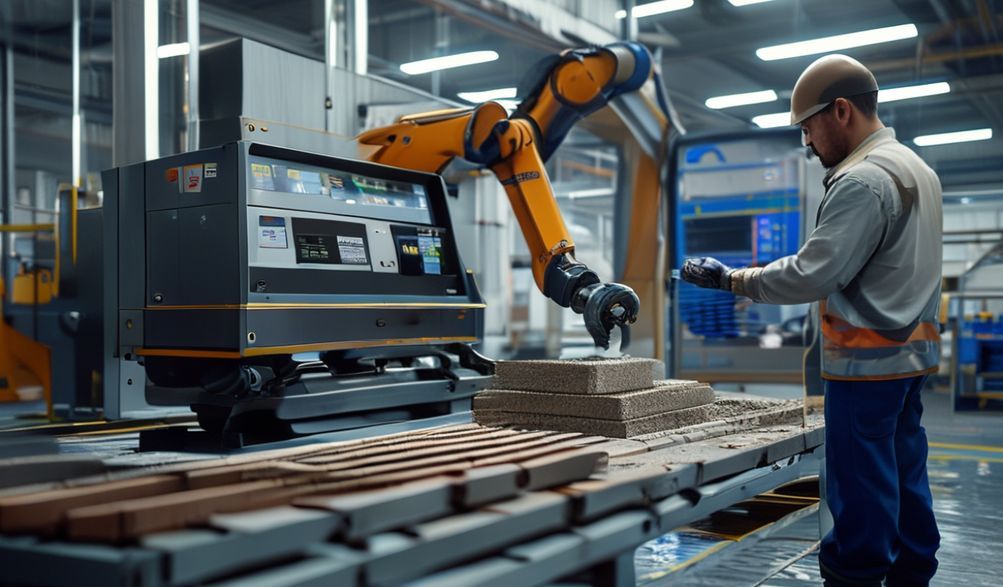
Sự bùng nổ xây dựng toàn cầu chưa có dấu hiệu chậm lại. Từ nhà ở đô thị đến cơ sở hạ tầng quan trọng, nhu cầu về vật liệu xây dựng bền, đồng nhất và giá cả phải chăng là vô cùng lớn. Trọng tâm của việc đáp ứng nhu cầu này nằm ở một công nghệ quan trọng: máy gạch block. Những chiếc máy này là động cơ của sản xuất vật liệu xây dựng hiện đại, biến nguyên liệu thô thành những khối gạch chính xác, chắc chắn với hiệu quả mà lao động thủ công không bao giờ sánh kịp.
Tuy nhiên, đối với chủ doanh nghiệp hoặc quản lý dự án, việc định hướng trong thế giới máy móc sản xuất gạch có thể gây khó khăn. Thị trường tràn ngập các lựa chọn, và rủi ro rất cao. Chọn sai máy hoặc hợp tác với nhà cung cấp không đáng tin cậy có thể dẫn đến thời gian ngừng hoạt động gây tổn hại, chất lượng sản phẩm kém và lợi tức đầu tư thảm hại. Thách thức cốt lõi là vượt qua những thông tin nhiễu loạn để tìm ra nhà sản xuất ưu tiên chất lượng, độ bền và quan hệ đối tác lâu dài hơn là chỉ chốt giao dịch.
Trong các cuộc thảo luận trong ngành, những cái tên như"NHÀ MÁY SẢN XUẤT GẠCH FUDA"常常作为基准出现。它们代表了可靠、成熟的制造商应具备的标准:经过验证的工程能力、全面的支持以及致力于客户成功的承诺。本指南是您的全面资源。我们将解析砌块成型机技术,概述选择时的关键因素,并提供详细框架,帮助您识别顶级工厂。我们的目标是让您掌握基于经验、专业、权威和信任(E-E-A-T)原则的专业知识,从而做出自信且明智的投资决策,为未来多年的生产力提供动力。
Tìm Hiểu Về Máy Sản Xuất Gạch: Các Loại và Ứng Dụng
Trước khi đánh giá các nhà máy, bạn phải hiểu rõ bản thân máy móc. Kiến thức nền tảng này là chìa khóa để truyền đạt nhu cầu của bạn và đánh giá chuyên môn của nhà sản xuất.
Nguyên lý hoạt động cốt lõi: Cách thức hoạt động của máy sản xuất khối xây dựng
虽然设计各不相同,但大多数制砖机都遵循核心的生产周期:
- Pha trộn:Nguyên liệu thô (xi măng, cốt liệu, cát, nước) được pha trộn chính xác trong máy trộn.
- Cho ăn & Tạo khuôn: The mixed concrete is fed into a mold box on the machine.
- Nén chặt & Rung động: The machine applies high-pressure compaction and intense vibration. This force removes air pockets and ensures the concrete is densely packed into the mold, which is critical for the block’s final strength.
- Tháo khuôn: The newly formed block is ejected from the mold onto a pallet or the plant floor.
- Chữa bệnh: The blocks are moved to a curing area (often a rack or chamber) where they gain strength under controlled temperature and humidity before being ready for use.
A key initial distinction is between tĩnh (stationary) plants, which produce blocks in a fixed location for transport, and di động machines, which can be moved around a site to produce blocks exactly where they are needed.
A Breakdown of Common Machine Types
-
Máy Thủ Công/Bán Tự Động:
- Tốt Nhất Cho: Startups, very small-scale projects, or regions with very low labor costs.
- Hoạt động: Require significant manual labor for feeding, molding, and block removal. Output is low.
- Đầu tư: Lowest upfront cost, but higher long-term labor costs and inconsistent output quality.
-
Máy Làm Gạch Tự Động Hoàn Toàn:
- Tốt Nhất Cho: Medium to large-scale factories, high-volume production (like those operated by major suppliers).
- Hoạt động: Entire process—from feeding and compaction to demolding and pallet stacking—is automated via PLC controls. They offer exceptional consistency, high output, and minimal manual intervention.
- Đầu tư: Higher initial cost, but superior efficiency, lower per-unit cost, and consistent quality. This is the category where factories like FUDA typically excel.
-
Máy đúc khối di động:
- Tốt Nhất Cho: Large construction sites, remote projects, or producing blocks directly where they will be used.
- Lợi thế: Eliminates transportation costs for finished blocks. They are self-contained, often with a small mixer and diesel engine.
-
Máy Móc Chuyên Dụng:
- These are engineered for specific products beyond standard blocks, such as:
- Máy Sản Xuất Gạch Lát Liên Kết: For producing paving stones that lock together without mortar.
- Máy Sản Xuất Gạch Rỗng: For creating lightweight blocks with high insulation properties.
- Curbstone & Kerb Machines: For heavy-duty landscape and road edging.
Key Outputs: What Can You Produce?
The right machine, with the correct molds, can produce a diverse product catalog:
* Khối Bê Tông Đặc và Rỗng:Xương sống của công trình xây dựng gạch đá.
* Đá lát và Gạch lát liên khối For driveways, walkways, and public spaces.
* Gạch Tro Bay: An eco-friendly alternative using a industrial by-product.
* AAC Blocks: Autoclaved Aerated Concrete blocks, which are very light and offer excellent insulation (require a separate, specialized plant).
Critical Factors When Choosing a Block Making Machine
Selecting a machine is not about finding the most powerful one; it’s about finding the phải one for your specific operation.
Assessing Your Production Needs (The First Step)
Answer these questions before looking at any brochure:
* What is your required daily or hourly output in blocks/pavers?
* What specific block types and sizes will you produce most often?
* What is your available factory space and ceiling height?
* What is your realistic budget, including shipping, installation, and training?
* What is the skill level of your available operators?
Machine Specifications and Build Quality
This is where engineering excellence becomes non-negotiable.
- Độ bền: The machine frame must be made from heavy-duty, reinforced steel to withstand years of constant vibration and pressure. Look for high-quality, wear-resistant steel molds.
- Hệ thống thủy lực: This is the powerhouse. A robust, reliable hydraulic system with stable pressure ensures consistent compaction and smooth operation. Ask about the brand of pumps and valves—reputable components are a good sign.
- Hệ thống Rung The secret to a strong block. Systems can be single or dual-vibration (on the table and in the mold head). A powerful, well-balanced vibration system is essential for achieving high density and compressive strength.
- Hệ Thống Điều Khiển: From basic PLCs to full-color touchscreen interfaces. A good control system allows for precise adjustment of vibration time, pressure, and cycle times, and provides diagnostic information.
Beyond the Machine: Support & Total Cost of Ownership
The machine’s price tag is just the entry fee. The real cost is in its operation over 5-10 years.
- Dịch vụ hậu mãi: A factory’s commitment is tested sau the sale. What is their warranty policy (e.g., 1 year on parts, 6 months on labor)? Do they offer remote troubleshooting? How quickly can they dispatch a technician or spare parts?
- Sẵn có Phụ tùng Thay thế: Ensure common wear parts (hydraulic seals, vibration motors, mold liners) are readily available and reasonably priced. A factory with a large installed base is often better at this.
- Chi phí vận hành: Consider energy consumption (electric vs. diesel), required maintenance schedules, and the need for operator training. A slightly more expensive but energy-efficient machine can save thousands in the long run.
How to Identify a Top-Tier Block Making Machine Factory
A great machine comes from a great factory. Here’s how to separate the market leaders from the rest.
Hallmarks of a Reputable Manufacturer
- Transparency: They provide clear, detailed specifications—not just output per hour, but cycle time, installed power, machine weight, and pressure figures. They are upfront about pricing structures and willing to share their company history.
- Experience & Portfolio: Longevity matters. A factory with 15+ years of experience has likely seen and solved countless operational challenges. Ask for a client portfolio with projects in various climates and markets.
- Chuyên Môn Nội Bộ: The best factories control the entire process. They have their own R&D team for improvements, skilled welding and assembly lines, and stringent Quality Control (QC) that inspects components from sourcing to final testing.
The Factory Visit (Virtual or Physical): What to Look For
If possible, always visit. A virtual tour is a good alternative if travel isn’t feasible.
- Production Floor: Is it organized, clean, and safe? Look at the quality of welding on machine frames—it should be smooth, even, and robust.
- Kiểm soát chất lượng: Ask to see their QC checks. Are components inspected upon arrival? Is there a testing area where finished machines are run under load before shipment?
- Client Proof: Request to see videos of their machines in operation at a client’s site. Ask for contact information for 2-3 past clients in a region similar to yours and actually call them.
Evaluating Certifications and Standards
While not a guarantee, certifications indicate a structured approach to quality.
* ISO 9001: Demonstrates a commitment to standardized quality management processes.
* Dấu CE: Essential for exporting to Europe, indicating the machine meets EU safety, health, and environmental requirements.
* Local Standards: Ensure the machine complies with the safety and performance regulations of your country.
Spotlight on Industry Standards: What a Factory Like FUDA Represents
When buyers reference a specific name like “FUDA brick making factory,” they are often pointing to an archetype of a reliable supplier. Let’s analyze what that represents in the broader market.
The Importance of Established Factories in the Supply Chain
Factories with a strong, long-standing reputation become pillars of the industry. They:
* Set Benchmarks for machine durability and performance that others follow.
* Drive Innovation by investing in R&D to improve efficiency and product range.
* Build Trust through transparency, which raises the standard for all suppliers.
Key Offerings of Leading Factories
These are the services that differentiate a true partner from a simple vendor:
* Tùy chỉnh: Can they modify a standard machine to work perfectly with your local sand or aggregate? Can they engineer a unique mold for a special product design?
* Comprehensive Solutions: They don’t just sell a machine; they sell a production system. This includes plant layout design, raw material ratio consultancy, and mold design services.
* Training & Commissioning: They send engineers to your site to assemble the machine, calibrate it, and train your operators on its use, maintenance, and safety protocols.
Conducting Due Diligence on Any Supplier
It is crucial to state: “FUDA” is used here as an example of the qualities to seek. You must apply this rigorous checklist to every potential supplier you consider.
1. Online Deep Dive: Search beyond their website. Look for news, industry forum mentions, and video reviews.
2. Xác minh tính hợp pháp của doanh nghiệp Check their business license, export license (if applicable), and physical address.
3. Analyze Reviews Critically: Read customer reviews on B2B platforms like Alibaba, but also search for the company name on Google and YouTube for unfiltered perspectives.
4. Verify Export History: An established factory will have a history of shipping containers worldwide. They should be able to provide examples.
Các Câu Hỏi Thường Gặp (FAQ)
Q1: What is the average cost range for a block making machine?
A: Prices vary dramatically. A small manual machine can start at a few thousand dollars. A mid-range semi-automatic system may cost $25,000 – $50,000. Large, fully automatic production lines from top factories can range from $80,000 to over $300,000. Always get itemized quotes based on your specific requirements.
Q2: Can one machine produce different types of blocks and pavers?
A: Absolutely. This is achieved by changing the mold (the steel box that forms the block). Most factories offer a wide catalog of standard molds. However, factor in the cost of additional molds and the time required to change them over on the machine.
Q3: What are the most common after-sales services a good factory should provide?
A: At minimum: A clear warranty, detailed operation and maintenance manuals in your language, remote support via video call, and a reliable supply of spare parts. The best offer on-site installation, commissioning, and training.
Q4: How important is a local agent or support presence?
A: Extremely valuable. A local agent can facilitate communication, help with customs clearance, provide faster on-ground service, and understand local market conditions. It’s a strong indicator that the factory is invested in your region.
Q5: What raw materials can be used with these machines?
A: Standard machines use a mix of cement, sand (river or crushed), and aggregate (stone chips). Many modern machines are designed to efficiently use industrial by-products like fly ash or slag, which can reduce cost and environmental impact. Some specialized machines can process waste materials like construction debris.
Conclusion
Investing in a block making machine is a pivotal decision that will shape your business’s productivity and profitability for a decade or more. As we’ve explored, this decision hinges on two pillars: a deep understanding of your own technical needs and the crucial task of partnering with a factory you can trust.
Remember, the cheapest option is often the most expensive in the long run when faced with downtime and poor output. Prioritize factories that demonstrate tangible Kinh nghiệm through a global portfolio, Chuyên môn in their engineering and support, Tính thẩm quyền through industry recognition and standards compliance, and Đáng tin cậy through transparent dealings and verifiable client testimonials.
Use this guide as your checklist. Before you request a single quotation, prepare a detailed project specification sheet outlining your output goals, product mix, and site conditions. Then, approach your shortlist of factories not just as a buyer, but as a partner seeking a long-term relationship. By doing so, you’ll secure more than just a machine; you’ll secure the foundation for your future growth.
<