
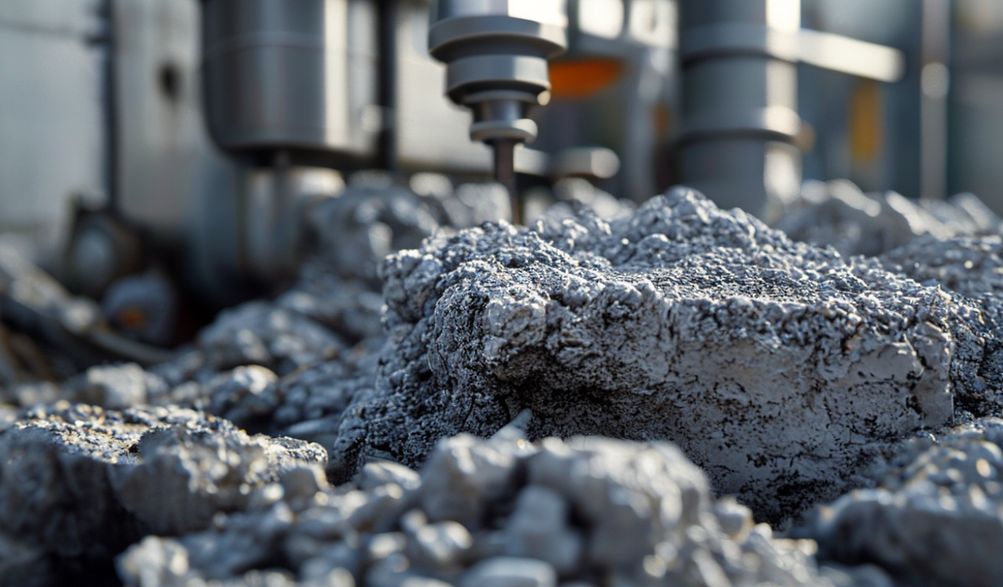
Hướng Dẫn Toàn Diện Về Máy Sản Xuất Gạch Bảo Vệ Môi Trường: Xây Dựng Tương Lai Bền Vững
Ngành xây dựng toàn cầu thải ra một lượng chất thải khổng lồ lên tới 2,2 tỷ tấn mỗi năm. Đồng thời, lĩnh vực gạch đất sét nung truyền thống là một "gã khổng lồ" gây ô nhiễm thầm lặng, chỉ riêng việc nung lò đã thải ra khoảng 1,4 nghìn tỷ pound khí carbon mỗi năm. Cuộc khủng hoảng kép về chất thải và khí thải này đang buộc chúng ta phải suy nghĩ lại một cách căn bản về cách thức xây dựng thế giới.
Vấn đề cốt lõi nằm ở quy trình sản xuất gạch truyền thống: một quá trình tiêu tốn nhiều năng lượng, tiêu thụ lớp đất mặt màu mỡ, thải ra lượng lớn khí nhà kính và tạo ra mô hình tuyến tính "khai thác - sản xuất - vứt bỏ". Tuy nhiên, giải pháp đang dần hình thành từ chính những dòng chất thải mà chúng ta muốn loại bỏ. Đó chính làMáy Sản Xuất Gạch Bảo Vệ Môi Trườngmột công nghệ đột phá biến chất thải công nghiệp và xây dựng thành vật liệu xây dựng bền vững, hiệu suất cao.
Hướng dẫn này đóng vai trò là một cái nhìn tổng quan toàn diện và chuyên sâu dành cho các doanh nhân có tầm nhìn, chuyên gia xây dựng và nhà đầu tư có ý thức sinh thái. Mục tiêu của chúng tôi là làm sáng tỏ công nghệ xanh này, cung cấp những hiểu biết cần thiết để đưa ra các quyết định sáng suốt và có tác động. Bạn sẽ tìm hiểu về các loại máy móc khác nhau, những lợi ích sâu sắc của chúng, cách lựa chọn thiết bị phù hợp cho dự án, tỷ suất lợi nhuận thực tế trên vốn đầu tư, cũng như các xu hướng tương lai đang định hình ngành công nghiệp này. Hãy cùng khám phá cách xây dựng lợi nhuận bền vững song song với việc kiến tạo một tương lai bền vững.
Máy sản xuất gạch bảo vệ môi trường là gì?
MộtMáy Sản Xuất Gạch Bảo Vệ Môi Trườnglà một thiết bị sản xuất chuyên dụng được thiết kế để sản xuất gạch, đá lát và khối xây mà không cần nung ở nhiệt độ cao. Thay vì sử dụng đất sét nguyên khai hoặc đá phiến sét, các máy này tận dụng nhiều loại phụ phẩm công nghiệp và vật liệu thải làm nguyên liệu đầu vào chính.
Nguyên lý cốt lõi xoay quanh quá trình nén chặt và đóng rắn. Các vật liệu như tro bay (từ nhà máy nhiệt điện), xỉ (từ sản xuất thép), bụi mỏ đá, và chất thải xây dựng & phá dỡ (C&D) tái chế được trộn với một tỷ lệ nhỏ chất kết dính, như xi măng hoặc vôi, và nước. Hỗn hợp này sau đó chịu áp lực cơ học mạnh trong khuôn của máy, nén chặt thành hình dạng đặc chắc, đồng nhất. Độ bền cuối cùng đạt được thông qua quá trình đóng rắn—bằng hơi nước (hấp áp), thủy hóa, hoặc phương pháp tự nhiên—giúp kích hoạt chất kết dính để tạo ra sản phẩm thường đáp ứng hoặc vượt tiêu chuẩn kết cấu của gạch truyền thống.
Công nghệ này bắt nguồn vững chắc từ khoa học vật liệu và kỹ thuật xây dựng, đại diện cho sự chuyển dịch từ khai thác phá hủy sang tổng hợp vật liệu thông minh, tuần hoàn.
Lợi ích chính của việc sử dụng máy sản xuất gạch thân thiện với môi trường
Việc áp dụng công nghệ này không chỉ đơn thuần là một cử chỉ vì môi trường; đó là một quyết định chiến lược với những lợi thế đa chiều.
Tác Động Môi Trường Sâu Sắc
- Tận Dụng Chất Thải:Những cỗ máy này là nền tảng của nền kinh tế tuần hoàn trong xây dựng. Chúng chuyển hướng hàng triệu tấn phụ phẩm công nghiệp và chất thải xây dựng khỏi các bãi chôn lấp đang quá tải, biến một gánh nặng thành tài sản có giá trị.
- Bảo tồn Tài nguyênBằng cách loại bỏ nhu cầu đào xới lớp đất mặt, chúng ngăn chặn sự suy kiệt lớp đất mặt và suy thoái nông nghiệp. Chúng cũng giảm đáng kể nhu cầu khai thác các vật liệu tổng hợp nguyên sinh.
- Giảm Thiểu Dấu Chân Carbon:Việc không sử dụng lò nung nhiên liệu hóa thạch là yếu tố quan trọng nhất. Sản xuất có thể giảm phát thải CO2 lên đến 80-90% so với sản xuất gạch đất sét thông thường.
- Hiệu suất Năng lượng:Toàn bộ quy trình—từ trộn, đầm nén đến xử lý hơi nước áp suất thấp—tiêu thụ năng lượng ít hơn nhiều so với việc duy trì nhiệt độ cao và liên tục trong lò gạch truyền thống.
Lợi thế Kinh tế và Hiệu suất
- Hiệu quả Chi phí:Chi phí nguyên liệu thô thấp hơn đáng kể, do các đầu vào chính thường là sản phẩm phế thải được thu mua với chi phí tối thiểu hoặc thậm chí chi phí âm (thông qua phí xử lý). Nhiều chính phủ cũng cung cấp trợ cấp, ưu đãi thuế, hoặc tài trợ cho các doanh nghiệp áp dụng công nghệ xanh.
- Chất Lượng Sản Phẩm Vượt Trội:Những viên gạch được sản xuất không chỉ thân thiện với môi trường; chúng còn có hiệu suất cao. Lợi ích bao gồm:
- Độ Bền Nén Cao:Phù hợp cho tường chịu lực.
- Độ bền vượt trội:Chất lượng ổn định và khả năng chống chịu thời tiết.
- Cách nhiệt tốt hơn:Dẫn đến tiết kiệm năng lượng trong các tòa nhà.
- Khả năng chống cháy:Tính chất không cháy nâng cao an toàn cho công trình xây dựng.
- Kích thước và Hình dạng Đồng nhấtGiảm thiểu việc sử dụng vữa và thời gian thi công.
- Cơ Hội Kinh Doanh Đang Phát Triển:Nhu cầu về vật liệu xây dựng bền vững đang tăng mạnh nhờ các chứng nhận công trình xanh như LEED (Leadership in Energy and Environmental Design) và BREEAM. Việc sử dụng những loại gạch này có thể giúp tích lũy điểm quan trọng cho các chứng nhận đó, khiến chúng trở nên cực kỳ hấp dẫn đối với các nhà phát triển và kiến trúc sư.
Các Loại Máy Sản Xuất Gạch Bảo Vệ Môi Trường
Choosing the right machine depends on your target product and production scale. They are typically categorized in two ways.
By Production Process
- Máy Ép Thủy Lực: These use high-pressure hydraulic force to compact the raw material mix in a mold. Ideal for producing very high-density and high-strength bricks, such as fly ash bricks or concrete solid blocks. They offer excellent dimensional accuracy and surface finish.
- Steam Curing (Autoclave) Machines: This process is used for manufacturing lightweight Aerated Autoclaved Concrete (AAC) blocks. A mixture of silica-rich material (like fly ash), lime, cement, and an expansion agent is poured into a mold. After initial setting, the large cake is wire-cut into blocks and hardened in a high-pressure steam autoclave, resulting in lightweight, insulating blocks.
- Vibration Compaction Machines: These machines use high-frequency vibration combined with pressure to compact concrete mix into molds. They are the standard for producing interlocking paving blocks, hollow blocks, and kerbstones. The vibration ensures the mix fills the mold completely, eliminating voids.
By Degree of Automation
- Máy Móc Tự Động Hoàn Toàn: These are complete production lines with automated material feeding, mixing, molding, curing, and palletizing. They require minimal manual labor, ensure consistent quality, and have very high output. The investment is significant but justified for large-scale, commercial operations.
- Máy Bán Tự Động: A balanced option where core processes like mixing and compaction are mechanized, but tasks like feeding raw materials or removing finished bricks may be manual. They offer a good compromise between output, quality, and initial investment, suitable for small to medium enterprises.
- Manual / Small-Scale Machines: These are simple, often mobile machines operated by a lever or small motor. They have low output but require very low capital and are perfect for community-led projects, rural entrepreneurship, or producing bricks for a specific, small-scale construction project.
How to Choose the Right Machine for Your Needs
Selecting a machine is a critical decision. A systematic approach will ensure your investment is sound.
Assess Your Raw Material Availability
Your local waste streams should dictate your technology choice. Conduct a thorough survey:
* Is there a thermal power plant nearby providing abundant fly ash? (Opt for a hydraulic press).
* Is there abundant construction debris or quarry dust? (A vibration compaction machine may be ideal).
* Securing a consistent, low-cost supply of your primary raw material is the first step to profitability.
Define Your Production Goals
Ask yourself key questions:
* What is your required daily or monthly output (in bricks/blocks)?
* What specific products do you want to make? (Solid bricks, hollow blocks for construction, paving slabs, interlocking blocks?)
* What is your available factory space, ceiling height, and power supply capacity?
* What is the local market demand and price point for these products?
Evaluate Machine Specifications & Supplier
Key Technical Specs to Scrutinize:
* Áp lực (Tấn lực): Higher pressure generally yields denser, stronger bricks.
* Thời gian chu kỳ: Time taken to produce one brick/block; determines output capacity.
* Tính Linh Hoạt của Khuôn Mẫu: Can the machine produce different sizes/shapes with mold changes?
* Tiêu thụ điện năng: Rated in kW; impacts operational costs.
Supplier Vetting (The Most Critical Step):
Your machine’s performance hinges on the supplier’s expertise and integrity. Prioritize:
* Hồ sơ thành tích đã được chứng minh: Request a list of client references and, crucially, visit existing operational plants.
* Technical Expertise & Support: Ensure they provide comprehensive installation, training, and have a responsive after-sales service team.
* Quality & Certifications: The machine itself should be robustly built and comply with industrial safety and quality standards. Supplier certifications are a positive signal.
Analyze Investment & Return (ROI)
Create a detailed financial model.
* Capital Costs: Machine price, installation, mold costs, raw material handling equipment (crushers, screens, mixers).
* Chi phí vận hành: Raw materials, binding agents (cement/lime), labor, utilities (power, water), maintenance.
* Revenue & ROI: Project revenue based on your production capacity, selling price, and market uptake. Payback periods can range from 1 to 4 years, heavily influenced by scale, automation level, and local market dynamics.
The Production Process: From Waste to Building Block
Understanding the workflow underscores the efficiency of this technology.
- Raw Material Collection & Preparation: Incoming waste (e.g., C&D waste) is sorted, crushed, and screened to achieve a consistent particle size. Industrial by-products like fly ash may require only storage and drying.
- Precise Mixing & Batching: The prepared raw material is batched by weight or volume into a mixer. Precise amounts of binding agent (e.g., 5-10% cement) and water are added. Chemical additives for faster setting or coloring may be included.
- Đúc khuôn & Nén chặt The homogeneous mix is fed into the machine’s mold chamber. Here, it is subjected to intense pressure (hydraulic or vibratory) for a set duration, forming a compact, green brick.
- Chữa bệnh: The “green” bricks are carefully stacked and cured. Methods include:
- Steam Curing: In a chamber for 8-12 hours for rapid strength gain.
- Water Sprinkling: For 14-21 days.
- Natural Curing: Simply allowing them to set in ambient conditions for 28 days.
- Quality Testing & Storage: Samples are tested for compressive strength, water absorption, and dimensional tolerance as per standards (ASTM, IS, etc.). Once passed, the bricks are packaged and stored for dispatch.
FAQs About Environmental Protection Brick Machines
Q1: What are the main raw materials used?
A: The most common are industrial by-products like fly ash, bottom ash, blast furnace slag, and steel slag. Other sources include quarry dust, recycled concrete aggregate (RCA), crushed glass, certain non-hazardous mine tailings, and even processed plastic waste in specific composite applications.
Q2: Are bricks from these machines as strong as traditional clay bricks?
A: Absolutely. When produced correctly, they conform to and often exceed national and international building standards (e.g., ASTM C90, IS 2185). Fly ash bricks, for instance, typically have higher compressive strength and lower water absorption than Class 10 clay bricks, while being lighter and providing better thermal insulation.
Q3: What is the typical payback period for such an investment?
A: It varies widely from 1 to 4 years. Key factors are the scale of operation (fully automatic plants see faster ROI at high volume), the cost and availability of local raw materials, the selling price of the finished bricks in your market, and operational efficiency. A detailed, location-specific business plan is non-negotiable.
Q4: Do these machines require special technical skills to operate?
A: Reputable suppliers provide comprehensive training for operators and maintenance staff. Semi- and fully-automatic machines are designed for user-friendly operation, often with PLC (Programmable Logic Controller) panels. The essential skills relate to routine maintenance, basic troubleshooting, and strict adherence to the mixing formula.
Q5: How does this contribute to green building certifications?
A: Directly and significantly. Systems like LEED award points for using recycled-content materials, regional materials, and innovation in design. Bricks made from post-industrial recycled content are a direct pathway to earning these points, making a construction project more sustainable and more valuable in the marketplace.
The Future of Sustainable Construction Machinery
The evolution of Environmental Protection Brick Machines is accelerating, driven by digitalization and deeper circular economy principles. Key trends include:
* IoT Integration: Sensors on machines will provide real-time data on production parameters, machine health, and output quality, enabling predictive maintenance and optimal efficiency.
* AI & Automation: Advanced vision systems and AI will automate quality control, instantly rejecting sub-standard products and adjusting mix proportions in real-time.
* Đổi mới Vật liệu: Machines will adapt to process newer, more complex waste streams, such as higher percentages of mixed plastic waste or novel mineral composites.
* Policy Drivers: As global carbon pricing and extended producer responsibility (EPR) schemes become widespread, the economic incentive to adopt this waste-to-resource technology will become irresistible.
Conclusion
CáiMáy Sản Xuất Gạch Bảo Vệ Môi Trường is far more than just a piece of factory equipment; it is a catalyst for a fundamental shift in the construction paradigm. It enables a true circular economy, turning the sector’s waste problem into its most promising solution. The value proposition is a powerful triple-win: unparalleled environmental stewardship through waste diversion and carbon reduction, compelling economic viability via low input costs and high-value output, and superior building performance that meets modern engineering standards.
The technology’s track record is proven, and its future is integral to sustainable development. The next step is action. We encourage you to conduct a localized feasibility study, reach out to reputable suppliers for detailed consultations, and, most importantly, visit an operational plant. See the process firsthand, speak with the operators, and witness how industrial waste is transformed into the very building blocks of a greener, more resilient future.
<