
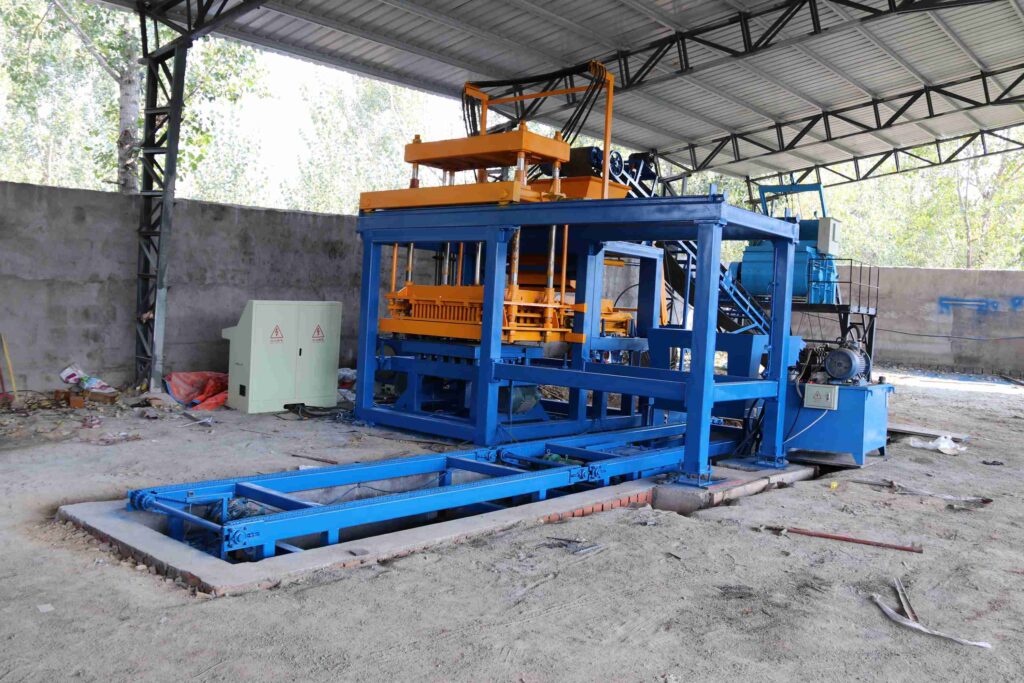
I. Technological and Process Innovations
The kiln and the production line, long the heart of brickmaking, are becoming hubs of digital and advanced engineering innovation.
1.1. Advanced Firing and Energy Systems
The most significant environmental impact of traditional brickmaking comes from the high-temperature firing process. Future innovations aim to decarbonize this stage entirely.
- Electrification and Hybrid Kilns: The shift towards kilns powered by renewable electricity is gaining momentum. Advanced electric kilns offer precise temperature control, which reduces waste and can improve product consistency. Hybrid models may combine electric pre-heating with alternative fuel firing for the highest temperature phase, optimizing both cost and carbon output.
- Microwave and Radio Frequency Curing: Moving beyond conventional radiant heat, these technologies use electromagnetic energy to directly excite water molecules and binders within the brick. This allows for dramatically faster, more uniform curing and drying at lower ambient temperatures, slashing energy consumption and factory footprint. Pilot projects suggest reductions in processing time from days to hours.
- Carbon Capture, Utilization, and Storage (CCUS) Integration: For facilities still using combustion, integrating CCUS technology is becoming a viable pathway. Innovations here focus on making capture systems more affordable and scalable for medium-sized plants, and on finding valuable uses for the captured CO2, such as injecting it into bricks during curing to enhance strength or converting it into synthetic fuels.
1.2. Automation, Robotics, and Artificial Intelligence
The factory of the future will be highly automated, data-driven, and agile.
- Smart Kilns and Predictive Maintenance: Sensors embedded throughout the kiln will continuously monitor temperature profiles, gas compositions, and pressure. AI algorithms will analyze this data in real-time to optimize firing cycles for energy efficiency and quality, and to predict equipment failures before they cause downtime.
- Robotic Material Handling and Packaging: From unloading raw materials to palletizing finished goods, robots will handle heavy, repetitive tasks. Equipped with machine vision, they can perform precise quality sorting, identifying and removing substandard units without human intervention, ensuring only top-grade product reaches the distributor.
- Generative Design for Customization: AI-powered generative design software will allow architects to input parameters (structural load, thermal performance, aesthetic pattern) and automatically generate optimal brick shapes or arrangements. These digital designs can be sent directly to automated production lines, enabling cost-effective, small-batch production of highly customized facades, moving mass customization from concept to reality.
II. Material Science and Novel Compositions
Innovation extends deep into the molecular structure of the brick, utilizing waste streams and creating new functionalities.
2.1. Waste Stream Integration and Circular Economy Models
The ideal brick of the future will be a repository for societal and industrial waste.
- High-Performance Geopolymer Bricks: These are not clay-based but are formed by chemically activating industrial by-products like fly ash, slag, or mine tailings with an alkaline solution. They cure at near-ambient temperatures, eliminating the need for firing altogether, and can have a carbon footprint up to 80% lower than fired clay bricks. Their durability and resistance to chemicals can also be superior.
- Enhanced Recycled Content Bricks: Beyond current limits, research is pushing for bricks made from 100% construction and demolition waste (CDW). Advanced sorting, crushing, and binding technologies are enabling the creation of bricks where the aggregate, filler, and even binding matrix are derived from recycled concrete, glass, and ceramics.
- Organic and Bio-Based Composites: Experimental bricks incorporating treated agricultural waste (rice husk ash, hemp hurd), mycelium, or bacterial cultures are being developed. These materials can create ultra-lightweight, insulating blocks with negative embodied carbon, suitable for specific non-load-bearing applications.
2.2. Multi-Functional and “Smart” Bricks
The brick will evolve from a passive component to an active system within the building envelope.
- Integrated Phase Change Materials (PCMs): Bricks can be infused with micro-encapsulated PCMs that absorb heat during the day as they melt and release it at night as they solidify. This significantly flattens indoor temperature swings, reducing HVAC loads and enhancing occupant comfort without changing the brick’s appearance.
- Photocatalytic and Air-Purifying Facades: Bricks coated with, or composed of, titanium dioxide or other photocatalytic compounds use sunlight to break down airborne pollutants (NOx, VOCs) into harmless substances. This turns the building facade into an active air purification system, particularly valuable in urban environments.
- Energy Harvesting and Data Transmission: Embedded piezoelectrical materials could generate small amounts of electricity from wind-induced vibrations or stress. Furthermore, bricks with specific dielectric properties could be designed to enhance wireless signal transmission within buildings, addressing connectivity “dead zones.”
III. Implications for the Construction Ecosystem and Supply Chain
These innovations will ripple through the entire value chain, altering how bricks are specified, sold, and installed.
3.1. New Product Categories and Value Propositions
Distributors will need to curate portfolios that include not just aesthetic varieties, but performance-based categories:
- Carbon-Negative/Neutral Lines: Products with verified EPDs showing net-zero or negative embodied carbon will command a premium and be essential for high-profile sustainable projects.
- Smart System Bundles: Selling bricks as part of a system—for example, a ventilated facade kit with integrated PCM bricks and photocatalytic coating—shifts the role from commodity supplier to solutions provider.
- Digital Twin and BIM Objects: Each innovative brick product will come with a high-fidelity digital twin—a detailed BIM (Building Information Modeling) object containing full performance data, installation guidelines, and sustainability credentials, seamlessly integrable into digital construction plans.
3.2. Shifts in Logistics, Inventory, and Skills
- Just-in-Time and On-Demand Manufacturing: As production becomes more flexible and automated, the economics of small-batch, made-to-order production improve. This could reduce the need for vast distributor inventories in favor of digital catalogs and regional “micro-factories” fulfilling specific orders rapidly.
- Technical Sales and Specification Support: The salesforce must evolve into technical consultants. Understanding the science behind geopolymers, the data behind smart bricks, and the certification pathways for new products will be crucial to winning specifications from architects and engineers.
- New Installation Protocols: Some novel bricks may require specialized mortars, installation techniques, or post-installation treatments. Distributors will need to provide training and support to mason contractors to ensure proper performance, protecting the value of the innovative product.
Conclusion
The future of brickmaking is not a linear extension of its past. It is being forged in a crucible of sustainability mandates, digital disruption, and material science breakthroughs. The innovations shaping this future—from AI-optimized electric kilns and geopolymer chemistry to air-purifying facades and data-rich digital twins—will collectively transform the brick from a simple modular unit into a sophisticated, multi-functional building component. For distributors and procurement professionals, this represents a pivotal moment. The businesses that will thrive are those that proactively engage with these changes, educate their teams and clients, and strategically align their portfolios with the coming wave of performance-driven, sustainable construction. The future-built environment will be defined by smarter, cleaner, and more adaptive materials; the reinvented brick is poised to be a cornerstone of that new reality.
FAQ (Frequently Asked Questions)
Q1: Are these innovative bricks compatible with traditional bricklaying techniques and building codes?
A: Compatibility varies. While many new bricks are designed for drop-in replacement, others—particularly novel composites or smart bricks—may require specific mortars, fixings, or detailing. A critical role for manufacturers and distributors is to provide clear, code-compliant installation guidance. Most innovations aim for certification under existing ASTM or EN standards, but early engagement with local building authorities is often recommended for groundbreaking products.
Q2: How will the cost structure of these future bricks compare to conventional ones?
A: Initially, advanced bricks will likely carry a premium due to R&D costs and novel materials. However, the total cost equation is changing. Factors like reduced energy consumption in manufacturing, lower installation costs (e.g., single-layer systems), and lifetime building operational savings (energy, maintenance) improve the total value proposition. Furthermore, as production scales and technologies mature, prices are expected to become more competitive.
Q3: What is the timeline for widespread commercial availability of these technologies?
A: The innovation landscape is stratified. Some technologies, like advanced automation and high-recycled-content bricks, are already in commercial use today. Others, like widespread geopolymer adoption or integrated PCM bricks, are in a scaling-up phase over the next 3-7 years. Highly experimental concepts like energy-harvesting bricks are in longer-term R&D. A forward-thinking distributor should be piloting or stocking early-commercialization products now to build market expertise.
Q4: How can we assess the durability and longevity of these new materials compared to century-proven clay brick?
A: This is a paramount concern. Reputable manufacturers invest heavily in accelerated aging tests that simulate decades of weathering, freeze-thaw cycles, and structural load in a compressed timeframe. Insist on seeing this long-term performance data and third-party verification. Many geopolymer and engineered composites have demonstrated exceptional durability in corrosive environments, sometimes exceeding clay brick performance in specific metrics.
Q5: As a distributor, how should we start preparing for this transition?
A: Begin with education and relationship-building:
- Upskill Your Team: Train sales and technical staff on the principles of embodied carbon, digital construction (BIM), and new material science.
- Engage with Innovators: Start dialogues with manufacturers who have robust R&D pipelines and request samples and technical data for their next-generation products.
- Educate Your Market: Host seminars for architects and contractors on emerging material trends, positioning your firm as a knowledge leader.
- Explore Niche Pilots: Identify a forward-thinking project in your area where you can partner to supply an innovative brick, creating a local case study.
