
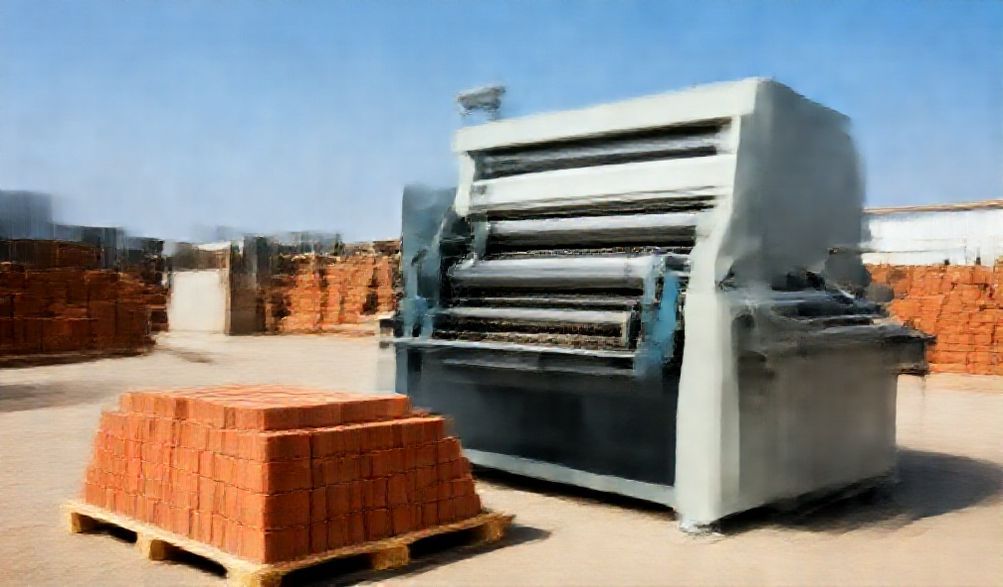
Sementsteenvervaardigingsmasjienprys in Suid-Afrika (2026 Koper se Gids)
Inleiding
Suid-Afrika se konstruksiesektor is 'n hoeksteen van sy ekonomiese ontwikkeling, met 'n geskatte vraag van meer as 6 miljard stene en blokke jaarliks om infrastruktuur, behuising en kommersiële projekte te ondersteun. Vir kontrakteurs, bouers en entrepreneurs wat op hierdie vraag wil kapitaliseer, begin die soektog dikwels met een kritieke vraag: "Wat is die prys van 'n sementsteenmasjien?"
As ervare professionele persone met meer as 15 jaar se ondervinding in die verskaffing en diens van konstruksiemasjinerie regoor Suider-Afrika, verstaan ons dat prys net die beginpunt is. Die werklike vraag wat jy moet vra, gaan oorwaarde, opbrengs op belegging (ROI), en langtermyn geskiktheidVir jou spesifieke operasie. 'n Masjien wat vooraf soos 'n winskopie lyk, kan 'n duur las word as dit onder las misluk, plaaslike diensondersteuning kort, of nie jou produksiedoelwitte kan haal nie.
Hierdie gids is ontwerp om verder as eenvoudige pryslyste te gaan. Ons sal 'n omvattende, data-gedrewe uiteensetting verskaf van die faktore wat koste beïnvloed, verskillende masjientipes met realistiese 2026-prysberamings vergelyk, en die dikwels-verborge uitgawes van eienaarskap uitlig. Ons doel is om jou toe te rus met die kennis om 'n ingeligte belegging te maak, en te verseker dat die masjien wat jy koop 'n winsentrum is, nie 'n probleem nie. Kom ons bou 'n stewige grondslag vir jou besluit.
Verstaan Wat Sementsteenmasjienpryse in Suid-Afrika Dryf
Die prysplaatjie op 'n baksteenmasjien is 'n samevatting van sy ontwerp, vermoëns en ondersteuningstruktuur. Om hierdie veranderlikes te verstaan is die sleutel tot die vergelyking van kwotasies en die herkenning van ware waarde.
Kernmasjientipe & Outomatiseringsvlak
Dit is die enkele grootste prysbepaler. Die spektrum strek van suiwer handearbeid tot ten volle geoutomatiseerde produksielyne.
* Handmatige Masjiene:Heeltemal met die hand bedryf, van meng tot vorm en uitstoot. Laagste voorafkoste maar hoogste deurlopende arbeidskoste.
* Halfoutomatiese Masjiene:Meganiseer die kritieke verdigings- en vibrasieprosesse, dikwels met 'n hidrouliese stelsel. 'n Operateur voer materiaal in en verwyder voltooide stene. Dit bied die beste balans van produktiwiteit en bekostigbaarheid vir baie ondernemings.
* Volledig Outomatiese Masjiene:Rekenaarbeheerde (PLC) stelsels wat materiaalvoeding, vermenging, verdigting, uitharding en stapeling hanteer met minimale menslike ingryping. Hulle vra 'n premieprys, maar bied ongeëwenaarde uitset en konsekwentheid.
Produksiekapasiteit (Uitset per Uur/Dag)
Prys skaal direk met potensiële uitset. 'n Masjien wat vir 1 000 stene per uur gegradeer is, sal aansienlik goedkoper wees as een wat vir 5 000 gegradeer is. Dit is noodsaaklik om kapasiteit by jou realistiese besigheidsprojeksies aan te pas, met voorsiening vir groei sonder om aanvanklik te oorbelê.
Kernkomponente & Bougehalte
Wat binne die masjien is, saak maak:
* Hidrouliese Stelsel:'n Robuuste, betroubare hidrouliese stelsel van 'n bekende handelsmerk (bv. Bosch Rexroth) verhoog die koste, maar verseker konstante druk, minder onderbrekings en 'n langer lewensduur.
* Vormkwaliteit:Verharde staalvorms met presiese toleransies kos meer, maar produseer dimensioneel akkurate, hoëgehalte bakstene en hou baie langer as minderwaardige alternatiewe.
* Raam & Struktuur:Swaarstaalvervaardiging weerstaan die konstante vibrasie en spanning van bedryf, wat wanbelyning en voortydige mislukking voorkom.
* Beheerpanele:Eenvoudige relêstelsels is goedkoper; programmeerbare logiese beheerders (PLB's) is duurder maar bied beter diagnostiese, outomatisering- en prosesbeheer.
Handelsmerk Oorsprong & Plaaslike Ondersteuning
- Ingevoerde Masjiene:Aanvanklik dikwels mededingend geprys. Verborge koste sluit egter langer leweringstye vir onderdele, moontlike kommunikasiehindernisse en duur internasionale diensoproepe in.
- Plaaslik Vervaardigde/Saamgestelde Masjiene:Mag dalk 'n effens hoër pryskaartjie hê, maar hulle bied enorme langtermynwaarde deur geredelik beskikbare onderdele, vinnige tegnikus-responsetye en waarborge wat makliker af te dwing is. In ons ervaring is hierdie plaaslike ondersteuning onskatbaar om kostelike stilstandtyd te verminder.
Prysopbreek volgens Masjientipe (2026-beramings)
Let op: Alle pryse word geskat in Suid-Afrikaanse Rand (ZAR) vir 2026 en is onderhewig aan markwisselings, spesifikasieveranderinge en verskafferbepalings. Versoek altyd 'n formele, gedetailleerde kwotasie.
Handmatige & Handbediende Baksteenvervaardigingsmasjiene
- Prysreeks:R 8 000 – R 45 000
- Ideaal Vir:Individuele bouers, baie kleinskaalse beginondernemings, gemeenskapsprojekte en nisproduklyne waar volume laag is.
- Voors & Nadele:
- Voordele:Uiters lae kapitaaluitleg, geen elektrisiteit nodig, eenvoudig om te gebruik en te onderhou, hoogs draagbaar.
- Nadele:Baie arbeidsintensief, lae produksie (200-500 stene per dag), inkonsewente steenkwaliteit afhanklik van die operateur se vaardigheid, nie geskik vir winsgewendheid op kommersiële skaal nie.
Semi-Automatiese Baksteenvervaardigingsmasjiene
- Prysreeks:R 60 000 – R 350 000
- Ideaal Vir: Growing block yards, medium-scale contractors, and entrepreneurs serious about building a profitable brick-making business. This is the most popular category for SMEs.
- Features Justifying Cost: These machines typically feature a diesel or electric motor, a vibration system for better compaction, and often a hydraulic mechanism for brick ejection. They significantly reduce physical labour while boosting output to between 1,000 and 3,000 bricks per 8-hour shift, depending on model and crew size.
Volledig Outomatiese Baksteenvervaardigingsmasjiene
- Prysreeks: R 400,000 – R 2,500,000+
- Ideaal Vir: Large-scale commercial block yards, industrial operations supplying major construction firms, and businesses focused on maximum output with minimal labour.
- Explanation of the Premium: You are investing in an integrated production system. These lines include automatic material feeders, mixers, conveyors, and sometimes robotic pallet stackers. Controlled by advanced PLCs, they can produce 5,000 to 20,000+ bricks per shift with a crew of just 2-3 people. The high price reflects engineering complexity, superior components, and immense productivity.
Beyond the Sticker Price: Calculating Your Total Investment
The machine’s purchase price is only part of the story. A trustworthy budget accounts for the full cost of ownership.
Import Duties, VAT, and Logistics Costs
If you import a machine directly, you must add:
* Customs Duty: Varies but can be 5-15% of the machine’s value.
* VAT: 15% on the total value (cost + insurance + freight + duty).
* Logistics: Shipping, insurance, port clearance fees, and inland transportation to your site. This can add 20-30% or more to the ex-factory price.
Installation, Commissioning, and Operator Training
- Installation: Requires a level, stable concrete foundation. Factor in civil work costs.
- Commissioning: A technician sets up, tests, and fine-tunes the machine. Some suppliers include this; others charge a daily rate plus travel.
- Opleiding: Proper training for your operators is non-negotiable for safety, efficiency, and machine longevity. Ensure it’s included in your purchase agreement.
Running Costs: Power, Maintenance, and Spare Parts
- Kragverbruik: Electric motors and hydraulic systems consume electricity. Calculate this into your cost-per-brick model.
- Preventative Maintenance: Regular oil changes, filter replacements, and greasing are essential. Budget for an annual maintenance cost.
- Onderdele: Wear items like mould liners, hydraulic seals, and vibration springs will need replacement. Reputable suppliers can provide a spare parts list with prices upfront.
The Cost of Raw Materials: Cement, Sand, Stone
Your machine’s design influences your material costs. Some machines produce high-quality bricks with less cement content through superior compaction. The ratio and quality of your raw materials (river sand vs. crusher dust, etc.) will be your largest ongoing variable cost.
Where to Buy: Evaluating Suppliers in South Africa
Choosing the right supplier is as important as choosing the right machine.
Recognized Local Manufacturers and Distributors
Look for established companies with a physical presence, such as a factory, warehouse, or showroom. These players have built their reputation on quality and service. They often offer:
* Comprehensive warranties.
* Ready stock of common spare parts.
* Field service teams.
* Demonstrations and client references.
The Pros and Cons of Online Marketplaces
Platforms like Gumtree or Facebook Marketplace can list attractive deals, primarily for used equipment.
* Potential Pro: Lower upfront cost.
* Significant Cons: No warranty, unknown service history, risk of buying stolen or damaged equipment, and zero after-sales support. We strongly advise a thorough, in-person inspection by a qualified mechanic before any purchase.
Red Flags and Green Flags in a Supplier
| Green Flags | Red Flags |
| :— | :— |
| Clear, detailed warranties & service contracts. | Vague pricing or refusal to provide a written quote. |
| Willingly provides contactable client references. | No physical address or only a P.O. Box. |
| Has a showroom where you can see machines. | Pressure to pay a deposit before answering all your questions. |
| Readily discusses both machine strengths and limitations. | Promises outputs that seem unrealistically high for the price. |
| Offers financing options or guidance. | Cannot explain basic technical aspects or after-sales process. |
Key Questions to Ask Before You Buy
Arm yourself with these questions to separate the best suppliers from the rest.
About the Machine:
- “What is the tested and guaranteed output (bricks per hour) using a standard South African cement-and-sand mix?”
- “Can you provide a list of critical spare parts with their prices and expected lifespan?”
- “What are the specifications for the foundation required, and what is the power supply needed (voltage, phase, amperage)?”
- “Is the control system and manual available in English or Afrikaans?”
About the Supplier:
- “What exactly does your warranty cover, for how long, and what is the process for making a claim?”
- “Do you have a dedicated service technician or agent in my province? What is your typical response time?”
- “Can I visit a current client’s operation to see this model working in real conditions?”
- “Do you offer operator training, and is it included in the price?”
Frequently Asked Questions (FAQ)
What is the cheapest cement brick making machine available in South Africa?
The cheapest options are manual, hand-operated machines, often found from around R 8,000. However, “cheapest” must be contextualised. The trade-off is very high labour input and very low output, making them impractical for any business aiming for commercial profitability. They are tools for specific, small-scale tasks.
Can I get a government grant or financing for a brick making machine?
Possibly. Various SME support programs exist through entities like the Department of Trade, Industry and Competition (DTI), the Small Enterprise Development Agency (SEDA), and provincial economic development agencies. Many reputable local suppliers also offer in-house financing or have relationships with financial institutions to facilitate lease-to-own or loan agreements. Your first step should be to inquire directly with suppliers and then approach local business support offices.
How much profit can I make from a brick making business?
We avoid giving specific figures as profit depends entirely on your operational efficiency, local material costs, selling price in your market, and business management skills. A simple framework is: (Selling Price per Brick) – (Cost of Materials + Labour + Power + Maintenance + Overhead) = Gross Profit. A semi-automatic machine in a well-managed operation can produce a healthy margin, but success requires market research, cost control, and consistent sales.
Is it better to buy a new or used brick making machine?
This depends on risk tolerance and capital.
* New Machine: Higher initial cost but comes with a warranty, latest technology, known condition, and full supplier support. It’s the lower-risk option for ensuring business continuity.
* Used Machine: Lower initial cost but carries high risk. Wear and tear may be hidden, and breakdowns are likely without warranty. If considering used, insist on a professional inspection, verify the machine’s history, and ensure critical spare parts are still available for that model.
Conclusion
Navigating the cement brick making machine market in South Africa requires looking past the initial price tag. The “right” price is one that balances your upfront investment with long-term reliability, accessible support, and production efficiency that meets your business goals.
Our final expert advice is this: Begin with a clear business plan. Define your target output, budget, and growth trajectory before you even start collecting quotes. This clarity will guide you to the appropriate machine type. Remember, the most reputable supplier—one who offers robust support and stands behind their product—is almost always a wiser choice than opting for the absolute cheapest machine from an unknown source.
Call to Action: Use this guide as your benchmark. Consult with at least three reputable suppliers, ask them the key questions outlined here, and request comprehensive, written quotations that detail both the machine specifications and all associated costs. This diligent comparison is your best path to a sound investment that will build the foundation of your business for years to come.
Ready to discuss your specific project needs? Contact our team of specialists today for a personalised consultation and a detailed, no-obligation quote tailored to your production goals.
<