
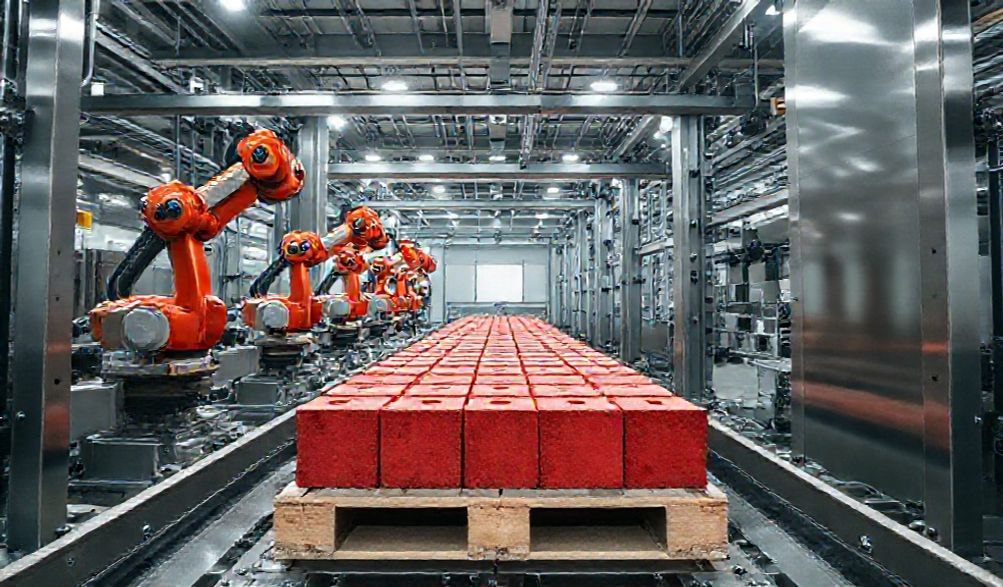
Revolutionizing Construction: Inside a Block Machine Automatic Factory with FUDA
The global construction industry is undergoing a silent revolution, driven by automation and precision engineering. For decades, the sight of manual brick kilns and labor-intensive block yards defined material production. Today, that paradigm is shifting at a foundational level. At the forefront of this transformation are block machine automatic factories, where robotic efficiency meets meticulous engineering to produce the building blocks of our modern world.
This post takes you behind the scenes of this industrial evolution, with a specific focus on the expertise and processes of a leading force in the field: the FUDA baksteenmasjienfabriek. We will dissect how automated manufacturing is not just changing hoe bricks and blocks are made, but also radically raising standards for quality, sustainability, and project scalability. Whether you’re a contractor evaluating supply chains, a developer planning large-scale projects, or simply fascinated by industrial innovation, understanding this automated ecosystem is key to building the future.
What is a Block Machine Automatic Factory? The Core of Modern Construction
A block machine automatic factory is the nerve center of modern, large-scale construction material production. It is a highly integrated facility—either fully or semi-automated—where raw materials like cement, aggregates, sand, and fly ash are precisely transformed into finished, cured construction blocks with minimal direct human intervention. This encompasses a wide range of products, including solid concrete blocks, hollow blocks, paving stones, curbstones, and interlocking bricks.
The move from manual production to automated factories represents the single most significant leap in construction material technology since the invention of the steam-powered brick press. It’s a shift from an artisanal, variable process to a precise, repeatable, and scalable industrial science.
Beyond Manual Labor: The Automated Production Line
To appreciate the automation revolution, one must first understand the traditional model. Manual and semi-automatic brick production relies heavily on skilled labor for mixing, molding, drying, and handling. Output is limited, consistency is challenging to maintain, and the physical demands on workers are high. Production is also heavily influenced by weather conditions during the curing process.
In stark contrast, an automatic factory operates on a continuous, closed-loop system. Raw materials are fed, mixed, molded, cured, and palletized in a seamless flow. Human roles shift from manual labor to machine operation, quality monitoring, and system supervision. This transition mitigates variability, unlocks massive production volumes, and creates a controlled, safer, and more predictable manufacturing environment.
Key Components of an Automated Block Plant
The efficiency of an automatic factory stems from the synergy of its integrated systems. Each component plays a critical role:
- Raw Material Handling & Batching Systems: This is where precision begins. Automated silos store bulk materials like cement and fly ash. Weighing systems and conveyors transport aggregates and sand. A central computerized batching plant meticulously measures and combines these components according to predefined mix designs, ensuring every batch has the exact ratio needed for the target block strength and finish.
- The Heart: The Automatic Block Making Machine: This is the core of the factory, where the raw mix becomes a formed block. A high-pressure hydraulic system compacts the concrete mix into molds, while simultaneous vibration eliminates air pockets and ensures maximum density. The machine then ejects the green (un-cured) blocks onto pallets or directly onto curing racks. The speed, pressure, and vibration frequency of this machine directly determine the factory’s output and product quality.
- Curing and Drying Systems: Strength development is critical. Instead of open-air drying, automatic factories use controlled curing chambers or rooms. Here, temperature and humidity are carefully regulated, often using steam, to accelerate the hydration process of the cement. This controlled environment ensures blocks reach their specified compressive strength reliably and quickly, often within 24 hours, and allows for year-round production independent of external weather.
- Palletizing & Packaging Robotics: Once cured and dried, blocks are automatically stacked, counted, and packaged for shipment. Robotic palletizers or automated stackers arrange blocks into stable, uniform cubes, which are then often wrapped in plastic to protect them during transport and on-site storage. This automation eliminates a traditionally labor-intensive and injury-prone final step.
Spotlight on Expertise: The FUDA Brick Making Machine Factory
While the concept of automation is powerful, its successful implementation hinges on the quality and reliability of the machinery at its core. This is where specialized manufacturers with deep engineering expertise, like the FUDA brick making machine factory, become indispensable partners.
Who is FUDA? A Legacy of Engineering Excellence
FUDA has established itself as a prominent and trusted manufacturer in the global block and brick making machinery industry. With a focus on engineering robust, efficient, and intelligent equipment, FUDA specializes in designing and building the very machines that form the backbone of automatic factories worldwide. Their philosophy centers on providing complete solutions—not just selling a machine, but enabling a production ecosystem. Their machines are engineered to withstand the rigorous demands of 24/7 industrial operation, a testament to their commitment to durability and client success.
FUDA’s Machine Portfolio: Engineered for Automatic Factories
FUDA’s product range is designed to cater to various scales of automatic production, allowing businesses to select a system that matches their output goals and space constraints:
- Volledig Outomatiese Stilstaande Blokmasjiene: These are the workhorses of large-scale fixed factories. Models like the FUDA-QT series are designed for ultra-high output, capable of producing tens of thousands of standard blocks per shift. They feature fully automatic pallet circulation, mold changing systems, and centralized PLC (Programmable Logic Controller) touch-screen operation.
- Mobiele Blokmaakmasjiene: For projects requiring on-site production or for businesses seeking a more flexible setup, FUDA offers mobile machines. These units integrate mixing, molding, and stacking functions on a single chassis, reducing material handling costs and ideal for decentralized production models.
- Paver and Curbstone Making Machines: Specialized machines designed for the high-precision production of interlocking pavers, landscaping stones, and curbs. They often feature multi-layer pallet systems and specialized vibration patterns to achieve the fine finish and tight tolerances required for these products.
Key features across their portfolio include high productivity metrics (clearly defined blocks per hour), versatile mold interchangeability to switch between product types quickly, low-maintenance hydraulic and vibration systems, and user-friendly intelligent control panels that allow operators to monitor and adjust every parameter of the production process.
The FUDA Advantage: What Sets Their Machines Apart
In a competitive market, FUDA distinguishes itself through several core advantages that build long-term trust and reliability:
- Durability & Reliability: Constructed from high-grade steel and featuring industrial-grade components, FUDA machines are built for longevity. This robust construction minimizes downtime and ensures a stable return on investment over many years of demanding service.
- Energie Doeltreffendheid: Modern engineering allows FUDA to design systems that optimize power consumption. Efficient hydraulic systems and well-engineered vibration motors reduce the energy cost per block produced, a critical factor for sustainable and economical operation.
- Presisie-ingenieurswese: Consistency is non-negotiable. FUDA’s precise mold machining and controlled vibration technology ensure that every block from a production run has identical dimensions, density, and surface finish. This uniformity is crucial for structural integrity, ease of bricklaying, and aesthetic appeal in finished projects.
- After-Sales Support & Training: Perhaps the most critical trust signal is post-purchase support. A reputable factory like FUDA provides comprehensive after-sales service, including detailed installation supervision (often on-site), thorough operator and maintenance training programs, a readily available inventory of spare parts, and access to remote and on-call technical support. This turns a machinery purchase into a true partnership.
The Tangible Benefits of Partnering with an Automatic Factory Setup
Investing in an automatic block production line, powered by machinery from a supplier like FUDA, translates into concrete, measurable advantages for a business.
Unmatched Productivity and Scalability
The most apparent benefit is output. A single fully automatic line can produce in one hour what might take a manual operation days to achieve. This high-volume capability allows businesses to reliably supply large infrastructure projects, housing developments, or commercial contracts. Furthermore, the system is inherently scalable; production can often be ramped up by adding shifts or supplementary automation, without the linear increase in labor that traditional methods would require.
Consistent, Superior Quality Control
Automation eliminates the variability inherent in manual processes. Computer-controlled batching guarantees the perfect concrete mix every time. Precision molding ensures each block has the exact same dimensions and density. Controlled curing delivers predictable and certified compressive strengths. This consistency reduces waste on the construction site, speeds up building times as blocks fit together perfectly, and enhances the overall quality and durability of the finished structure.
Economic Efficiency: Reducing Long-Term Costs
While the initial capital investment is significant, the long-term economic argument is compelling. Key savings include:
* Reduced Labor Costs: Automation shifts the workforce from high-number manual roles to fewer skilled technical and supervisory positions.
* Verminderde Materiaalafval: Precise batching and consistent production drastically reduce raw material waste.
* Lower Rejection Rates: High, consistent quality means far fewer blocks are rejected during quality checks or on-site.
* Higher Output Margins: The ability to produce and sell more units faster improves cash flow and overall profitability, accelerating the return on investment.
Enhancing Workplace Safety and Sustainability
Automation creates a safer work environment by removing workers from the most hazardous tasks: heavy lifting, exposure to raw material dust, and repetitive strain injuries. From a sustainability perspective, these factories are inherently more efficient. They can easily incorporate industrial by-products like fly ash into their mixes. The precision of the process reduces overall raw material consumption and waste. Furthermore, the energy efficiency of modern machines and the potential for using cleaner energy sources contribute to a lower carbon footprint per block produced.
Implementing Your Solution: From Factory Floor to Your Project
Transitioning to or setting up an automatic block production facility is a major strategic decision. A methodical approach, supported by a reliable partner, is essential for success.
Is an Automatic Block Factory Right for Your Business?
Consider these key questions:
* Projected Demand: Do you have consistent, large-scale demand from your own projects or a reliable market to sell to?
* Aanvanklike Belegging: Can you secure the capital for machinery, factory building, and raw material inventory?
* Ruimte & Infrastruktuur: Do you have adequate land for the factory, curing areas, storage, and logistics, as well as access to reliable power and water?
* Tegniese Kennis: Are you prepared to hire or train technical staff to operate and maintain sophisticated equipment?
The Planning and Installation Process with a Supplier like FUDA
A professional supplier guides you through a structured process:
1. Consultation & Feasibility Analysis: Discussing your goals, market, and budget to recommend suitable machine models and factory layout.
2. Factory Layout & Foundation Design: Providing detailed blueprints for the machine foundation, electrical conduits, and plant flow to optimize efficiency.
3. Machine Manufacturing & Shipment: Building your customized equipment to order.
4. Installasie & Inbedryfstelling: Sending technical engineers to supervise installation, assemble the machine, and ensure it is perfectly leveled and calibrated.
5. Training & Production Start-up: Conducting hands-on training for your operators and maintenance team, and overseeing the production of the first batches.
Critical Questions to Ask Before Investing
When evaluating machinery suppliers, due diligence is crucial. Be sure to ask:
* What is the exact warranty period and what does it cover?
* Can you provide detailed service agreements and guaranteed spare parts availability?
* Do you offer custom mold design and manufacturing for specialized products?
* Can you share references or case studies from clients in a similar region or business model?
* What is the expected delivery timeline and what support is included during installation?
FAQ: Your Questions on Block Machine Automatic Factories Answered
What is the typical production capacity of a fully automatic block machine from a factory like FUDA?
Capacity varies significantly by model and block type. A standard fully automatic machine can produce from 8,000 to over 30,000 standard concrete blocks (e.g., 400x200x200mm) in an 8-hour shift. Specialized high-capacity models can exceed 50,000 units. The exact output for pavers or hollow blocks will differ based on their size and complexity.
How much space is required to set up an automatic block plant?
Space needs depend on the scale. A minimum setup for a machine, raw material storage, and a basic curing area might start at 2,000 square meters. A full-scale factory with automated rack curing, large raw material yards, and finished product storage can easily require 5,000 to 10,000 square meters or more.
What is the difference between a stationary and a mobile block making machine?
Stationary machines are fixed installations designed for maximum output in a permanent factory. They are the choice for dedicated block manufacturers. Mobile machines are integrated units on a trailer or chassis, allowing production directly at a construction site. They offer flexibility and eliminate transport costs for the blocks but generally have a lower output than large stationary models.
Can these machines produce different types of blocks and pavers?
Absolutely. Mold versatility is a key feature. By changing the mold in the machine, the same press can produce a wide array of products: solid blocks, hollow blocks in various patterns, interlocking pavers, garden edging, and more. Reputable factories like FUDA offer extensive mold catalogs and custom mold design services.
What kind of after-sales support should I expect from a reputable machine factory?
You should expect a comprehensive support package: Detailed installation guidance or supervision, complete operational and maintenance training for your staff, a clear spare parts catalog with availability guarantees, and access to technical support via phone, email, and potentially remote diagnostics. On-site service visits for major issues should also be part of the agreement.
Conclusion
The shift to block machine automatic factories represents more than just technological adoption; it’s a strategic imperative for a more efficient, reliable, and profitable future in construction. It answers the growing global demand for infrastructure and housing with a solution that prioritizes quality, scale, and sustainability. Manufacturers like the FUDA baksteenmasjienfabriek provide the engineered backbone for this shift, offering not just machinery, but the integrated expertise and enduring support needed to build success from the ground up.
By investing in understanding—and potentially implementing—this automated technology, businesses position themselves at the cutting edge of the industry. They gain the capability to meet the demands of modern projects with unprecedented precision and power. In the end, the building blocks of tomorrow’s skylines, communities, and infrastructure are being made today in the humming, precise, and relentless environment of factories that never sleep.
Vrywaring: This blog post is for informational purposes only. Machine specifications, capacities, and support services are subject to change by the manufacturer. All prospective buyers should conduct their own due diligence and request current, detailed quotations and technical documentation directly from FUDA or their authorized distributors before making any investment decisions.
<