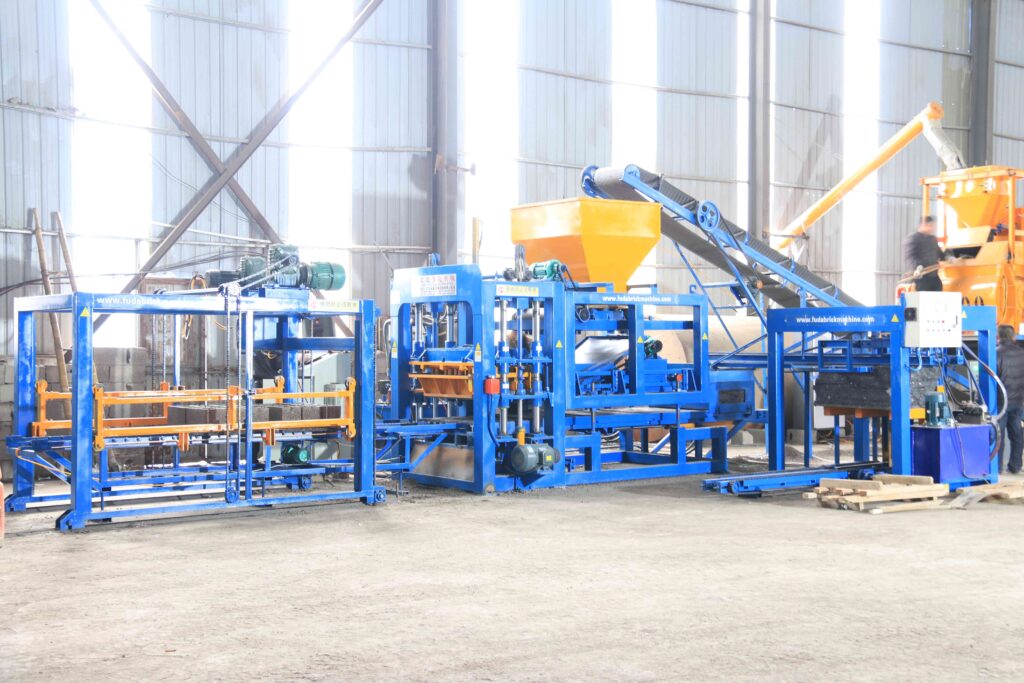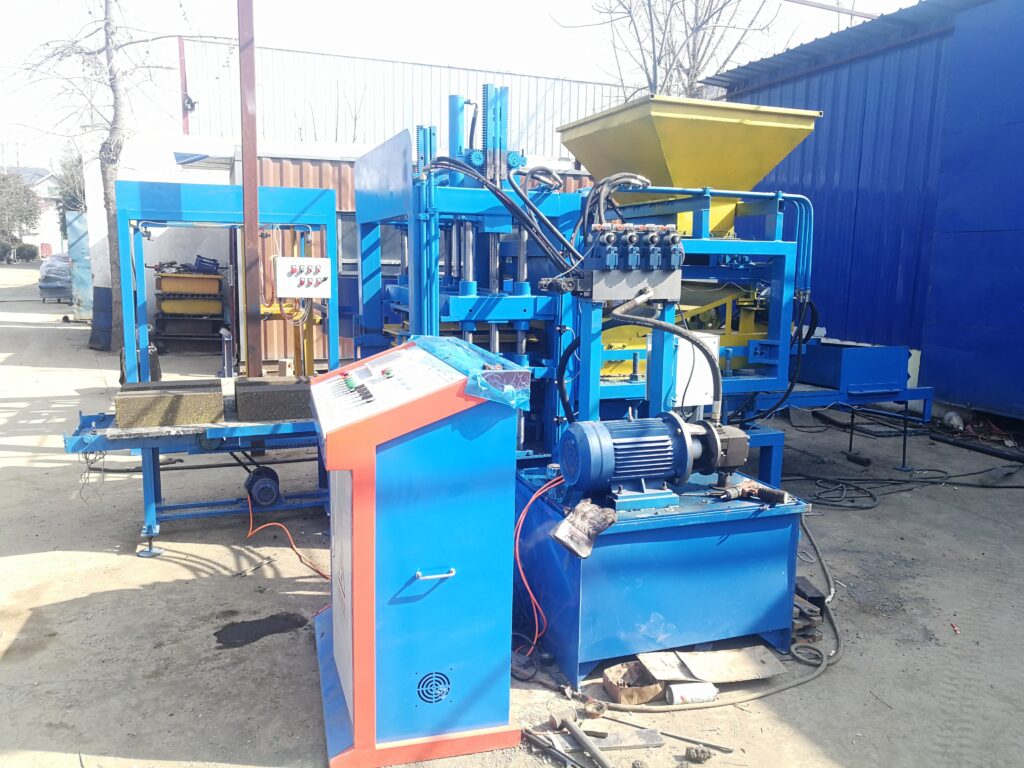
Navigating Operational Risk in Brick Production
A Taxonomy of Production Disruptions and Their Implications
Issues in brick manufacturing can be broadly segmented into three interrelated categories: Mechanical & Electrical Failures, Process Control & Material-Related Problems, and Systemic & Efficiency Losses. Each category presents distinct symptoms, root causes, and commercial consequences.
1. Mechanical and Electrical System Failures
These are the most direct causes of unplanned downtime and often stem from wear, inadequate maintenance, or component failure.
1.1. Hydraulic System Malfunctions
- Common Issues: Fluid leaks (from seals, hoses, or fittings), pump failures, solenoid valve sticking, and pressure loss.
- Root Causes: Contaminated hydraulic fluid, degraded seals due to heat and age, improper fluid viscosity, or over-pressurization.
- Impak: A hydraulic failure in a press machine brings production to an immediate halt. It can cause incomplete brick compaction (leading to weak products) or prevent the machine from cycling altogether. Repair can be time-consuming and costly.
1.2. Wear and Failure of Critical Forming Components
- Extrusion Machines: Wear of the auger shaft and flights, liner in the extrusion chamber, and the die itself. A worn auger fails to generate sufficient pressure, leading to poorly consolidated columns. A worn die causes dimensional inaccuracies.
- Press Machines: Wear and fatigue of mold boxes, pallets, and press head surfaces. This results in bricks with out-of-tolerance dimensions, poor surface finish (“flash” or excess material), and increased frequency of blockages or jamming.
- Root Cause: Abrasive raw materials and the constant high-pressure cycling inherent to the process. Inadequate hardening of component surfaces accelerates wear.
1.3. Electrical and Control System Problems
- Common Issues: Faulty sensors (proximity, pressure, temperature), overheating motors, damaged wiring in high-vibration areas, and Programmable Logic Controller (PLC) communication errors.
- Impak: These issues can cause erratic machine behavior, unsafe operation, or sudden stops. A single failed sensor can halt an entire automated line. Diagnosing electrical faults often requires specialized expertise, leading to extended troubleshooting downtime.
1.4. Conveyor and Transfer System Breakdowns
- Issues: Misalignment, broken chains or belts, bearing failures, and drive motor issues.
- Impak: While sometimes seen as ancillary, these systems are the circulatory system of the plant. A failure in a green brick transfer conveyor can back up the entire line, forcing a shutdown. It also increases product handling damage.
2. Process Control and Material-Related Issues
These problems may not stop the machine but result in sub-standard product, wasting raw materials and labor.
2.1. Inconsistent Raw Material Feed and Mixing
- Symptom: Variation in brick color, strength, and drying/firing behavior within a single batch.
- Root Causes: Inaccurate batching of raw materials (clay, sand, cement, additives), fluctuations in moisture content of incoming materials, and inadequate mixing time or homogenization. Poor material preparation is a defect “baked in” from the start.
2.2. Improper Moisture Content During Forming
- Too Wet (for extrusion): Causes the green brick to deform under its own weight, leads to excessive shrinkage and cracking during drying, and can cause “mud-balling” in the extruder.
- Too Dry: Results in poor cohesion, laminations in the extruded column, increased wear on machinery, and fragile green bricks prone to breakage during handling.
- Control Challenge: Achieving and maintaining the precise “stiff-mud” or “semi-dry” consistency is a constant process control challenge heavily dependent on material properties.
2.3. Vacuum System Failure (in De-Airing Extruders)
- Symptom: Bricks with laminations, low strength, and high porosity. They may exhibit “blowing” or spalling during firing as trapped air expands.
- Root Causes: Leaks in the vacuum chamber seals, failure of the vacuum pump, or blockage in the air extraction lines.
- Impak: Produces a fundamentally weak product that may pass visual inspection but fail structural tests or degrade rapidly in service.
2.4. Drying and Curing-Related Defects (Process-Linked)
- While occurring downstream, these defects often originate from machine setup.
- Cracking: Can be caused by extruding or pressing the brick with internal stress, or improper moisture gradients that are exacerbated in the dryer.
- Vervorming: Often traced to uneven compaction in the mold or uneven moisture distribution in the green product.
3. Systemic and Efficiency Losses
These are chronic issues that erode productivity, increase costs, and indicate deeper management or design flaws.
3.1. High Rejection Rates and Product Variability
- This is a key performance indicator (KPI) of machine health. Consistently high rates of out-of-spec bricks point to a systemic issue: worn tooling, uncalibrated systems, or poor process control. It represents a direct loss of raw material, energy, and labor.
3.2. Excessive Energy Consumption
- Symptom: Abnormally high power or fuel costs per thousand bricks.
- Root Causes: Inefficient motors, hydraulic systems running at higher pressures than necessary due to leaks or blockages, poor insulation on drying chambers or kilns, and overall machine strain due to misalignment or excessive friction.
3.3. Chronic Downtime and Low Overall Equipment Effectiveness (OEE)
- The Ultimate Symptom: This aggregates all other issues. A low OEE (a measure of availability, performance, and quality) indicates a machine or line that is not living up to its productive potential. The causes are usually a combination of reactive maintenance, poor spare parts management, and unresolved process gremlins.
4. The Commercial Lens: Assessing a Supplier’s Response
For a distributor, the existence of issues is less critical than the manufacturer’s response framework. A professional operation will have:
- A Robust Preventive Maintenance (PM) Schedule: To minimize categories 1 & 3 issues.
- In-Line Quality Control (QC) Checks: To catch category 2 issues in real-time (e.g., moisture probes, weigh scales, dimensional gauges).
- Root Cause Analysis (RCA) Discipline: Moving beyond fixing the symptom to solving the underlying problem.
- Adequate Technical Staff and Spare Parts Inventory: To ensure Mean Time To Repair (MTTR) is minimized.
Conclusion: Issue Awareness as a Pillar of Supply Chain Resilience
Understanding the common issues with brick-making machinery transforms your role from a passive buyer to an informed partner. This knowledge allows you to:
- Conduct Meaningful Supplier Audits: Go beyond capacity figures. Ask about their annual downtime percentage, brick rejection rates, and their most common maintenance challenges. Observe the condition of the machinery and the organization of the maintenance workshop.
- Interpret Quality Data: If a batch test fails, you can engage in a more intelligent dialogue about potential causes—was it a material batch issue or a machine calibration drift?
- Mitigate Your Own Risk: Choose to partner with manufacturers who demonstrate proactive system management rather than reactive firefighting. Their operational stability is your supply chain stability.
- Forecast More Accurately: Awareness of potential bottlenecks allows for more conservative lead-time planning when necessary.
In the final analysis, a brick production machine is a complex industrial asset. Its smooth operation is the foundation of a reliable business partnership. By recognizing the spectrum of potential issues and valuing the suppliers who manage them systematically, you secure not just bricks, but confidence, predictability, and a stronger commercial position in a competitive market.
FAQ
Q1: What is the single most common cause of sudden, catastrophic machine stoppage?
A: Hydraulic system failure is a leading candidate. A major leak, pump seizure, or valve blockage can cause an immediate and total halt. The second is a critical motor or drive failure. Both underscore the importance of fluid analysis, filtration, and regular inspection of power transmission components as part of a preventative maintenance program.
Q2: How can I, as a non-technical buyer, spot signs of poor machine maintenance during a factory visit?
A: Look for these visual and operational red flags:
- General Housekeeping: Oil leaks on the floor, piles of dust and debris around machines, and disorganized tooling/spare parts.
- Machine Condition: Visible rust, damaged guards, loose wires, and worn or damaged components that are still in operation (e.g., a severely scoured auger).
- Operational Sounds: Unusual grinding, knocking, or whining noises from motors or gearboxes.
- Process Consistency: Observe the bricks coming off the line. Do they look identical? Is there a high rate of manual culling at the end of the line?
Q3: Are certain machine types (e.g., press vs. extruder) more prone to specific issues?
A: Yes, there are general tendencies:
- High-Pressure Presses: More prone to hydraulic system issues and extreme wear on molds and pallets. Their precision is their advantage but also their vulnerability.
- Ekstruders: More susceptible to wear on the auger and liner, and vacuum system problems. They are also more sensitive to variations in material plasticity and moisture.
- All Automated Lines: Share vulnerability to conveyor system jams and sensor/control system faults.
Q4: Can software or automation actually increase the risk of issues?
A: Automation increases complexity but, when well-designed, drastically reduces variability and human error. The risk lies in over-reliance without understanding. A software glitch or a single sensor failure can halt a smart line. Therefore, the ideal is automation supported by highly skilled technicians who can diagnose both the mechanical and digital systems. The supplier’s technical depth is key.
Q5: If my primary supplier has a major machine breakdown, what should be my immediate course of action?
A: 1. Communicate: Get a clear, honest assessment from them on the nature of the issue, the estimated repair time (ETR), and their recovery plan.
2. Activate Contingencies: If you have safety stock, allocate it to priority orders. If you have alternative qualified suppliers, inquire about short-term capacity. Be transparent with your most critical clients about potential delays.
3. Review Partnerships: A single breakdown is understandable. A pattern of them necessitates a strategic review of your supply chain diversification. This incident highlights why maintaining relationships with multiple quality suppliers is a sound risk management strategy.