
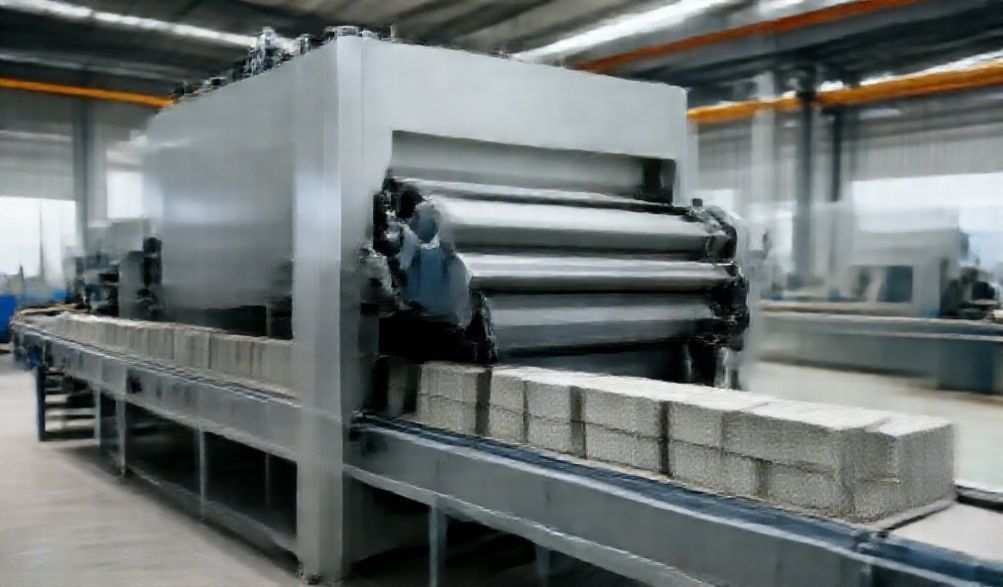
Jou Uiteindelike Gids vir die Kies van 'n Betroubare Sementsteenmaakmasjienverskaffer
Inleiding
In die wêreld van konstruksie en vervaardiging is vertragings duur, en materiaalmislukkings is katastrofies. Jy kan die perfekte besigheidsplan hê, 'n gereed mark, en 'n ideale ligging, maar as jou baksteenproduksielyn tot stilstand kom weens masjienmislukking, of jou bakstene nie aan druksterkte-standaarde voldoen nie, is jou hele projek—en winsgewendheid—in gevaar.
Hierdie kritieke kwesbaarheid spruit dikwels uit 'n besluit wat lank voor die eerste baksteen gegiet word: die keuse van jousementsteen vervaardigingsmasjien verskaffer.
Baie kopers spandeer weke om masjien spesifikasies te vergelyk—uitsetkapasiteit, vlak van outomatisering, kragverbruik—terwyl hulle slegs vlugtige aandag gee aan die maatskappy agter die brosjure. Dit is 'n fundamentele fout. Die masjien is 'n produk; die verskaffer is 'n vennoot. Jou verhouding met hulle sal jou toegang tot tegniese ondersteuning, egte onderdele, noodsaaklike opleiding, en uiteindelik jou aanleg se langtermyn lewensvatbaarheid en opbrengs op belegging bepaal.
Hierdie gids is gebou op dekades van kollektiewe bedryfskennis. Dit beweeg verder as basiese masjienvergelykings om jou toe te rus met die strategiese raamwerk wat nodig is om 'n verskaffer te evalueer en te kies wat 'n ware bate vir jou operasie sal wees. Teen die einde sal jy 'n duidelike kontrolelys van sleutelkriteria, noodsaaklike vrae om te vra, rooivlagte om te vermy, en die selfvertroue hê om 'n vennootskap te smee wat volhoubare besigheidsgroei ondersteun.
Hoekom U Keuse van Verskaffer Meer Beteken as Wat U Dink
Die keuse van 'n verskaffer is nie 'n eenvoudige verkrygingstaak nie; dit is 'n strategiese besigheidsbesluit. Die regte vennoot word 'n uitbreiding van jou span, terwyl die verkeerde een 'n aanhoudende bron van koste en frustrasie kan word.
Anderkant die Masjien: Die Verskaffer as 'n Langtermynvennoot
'n Sementsteenvervaardigingsmasjien is 'n beduidende kapitaalinvestering met 'n levensduur van baie jare. Sy prestasie oor daardie leeftyd is onlosmaaklik verbind aan die verskaffer se deurlopende ondersteuning.
- Na-Verkope Diens:Sal hulle jou help om 'n hidrouliese probleem om 2 uur die oggend op te los? 'n Betroubare verskaffer het 'n gestruktureerde ondersteuningstelsel.
- Onderdele Beskikbaarheid:Wanneer 'n kritiese komponent soos 'n vorm of 'n hidrouliese seël faal, word stilstand in verlore inkomste gemeet. 'n Goeie verskaffer hou 'n toeganklike voorraad van egte onderdele.
- Tegniese Evolusie:Soos jou besigheid groei of markvereistes verander, kan jou verskaffer advies gee oor opgraderings of prosesoptimalisasies? 'n Ware vennoot help jou om te skaal.
Die Direkte Impak op Jou ROI en Produksiekwaliteit
Jou verskaffer beïnvloed jou winsmarge direk. 'n Onbetroubare masjien van 'n swak verskaffer lei tot:
- Lae Masjien Bedryfstyd:Gereelde onderbrekings beteken jy maak nie stene nie, maar jy betaal steeds vaste koste.
- Inkonsekwente Baksteen Kwaliteit:Swak gekalibreerde of lae-gehalte masjiene vervaardig bakstene met wisselende afmetings en druksterktes, wat lei tot hoë verwerpingstempo's op konstruksieterreine.
- Hoër Operasionele Koste:On doeltreffende masjiene verbruik meer krag en grondstowwe, terwyl nagemaakte of swak passende onderdele verdere skade veroorsaak.
'n Gerekende verskaffer bied masjinerie wat ontwerp is vir betroubaarheid en konsekwentheid, wat jou ROI vanaf dag een beskerm.
Risikovermindering: Die Vermy van Duur Onderbrekings en Regsprobleme
Die risiko's van 'n swak verskafferskeuse strek verder as net ergernis.
- Veiligheid Gevare: Machines built with substandard materials or poor welding can pose serious safety risks to your operators.
- Compliance Failures: A supplier unaware of local building codes might provide machines incapable of producing bricks that meet national standards (like ASTM or IS codes), opening you up to liability.
- Financial Loss: Beyond repair costs, project delays due to brick shortages can result in heavy penalties from your clients.
Key Criteria for Evaluating a Cement Brick Making Machine Supplier
Use this framework to systematically assess potential partners. Don’t just take their word for it—demand evidence.
Bewese Bedryfservaring en Tegniese Kennis
Longevity and deep technical knowledge are strong indicators of stability and reliability.
- Rekord: How many years has the company been operating? A supplier with 15+ years of history has likely navigated various market cycles and technical challenges.
- Ingenieursvermoë: Are they original equipment manufacturers (OEMs) with in-house R&D and engineering teams, or are they simply resellers? OEMs typically have deeper product knowledge and better customization abilities.
- Market Understanding: Do they have experience with projects in your region? They should understand the characteristics of locally available raw materials (cement, fly ash, aggregate) and relevant construction standards.
Manufacturing and Quality Control Processes
The quality of the manufacturing process dictates the quality of the machine.
- Transparency: A trustworthy supplier is proud of their factory. They should offer virtual or (ideally) in-person facility tours.
- Sertifisering: Look for international quality and safety certifications like ISO 9001enCE marking. These are not just stickers; they represent adherence to documented quality management and safety standards.
- Material & Components: Inquire about the grade of steel used in the frame and molds, and the brands of critical components (e.g., hydraulic systems from Bosch Rexroth, PLCs from Siemens). Reputable suppliers use known, durable brands.
Omvattende Produkreeks en Aanpassing
Your needs may evolve. A supplier with a narrow range cannot grow with you.
- Full Spectrum Offering: Can they supply everything from a simple manual egg-laying machine to a fully automatic stationary plant with robotic pallet handling? This indicates broad expertise.
- Customization Willingness: Can they modify a machine to produce a specific brick type you need—like interlocking pavers, hollow blocks for insulation, or specialized landscape bricks? Their ability to adapt is key.
After-Sales Support: The True Test of a Supplier
This is the most critical differentiator between a vendor and a partner.
- Installasie & Opleiding: Do they provide supervised installation and comprehensive, hands-on training for your operators and maintenance staff? This is non-negotiable for complex automatic plants.
- Waarborgstruktuur: Read the fine print. What is covered (parts, labor)? What is the duration? What are the terms (e.g., must use their certified technicians)?
- Support Network: What is their average response time for technical queries? Do they have local service engineers or a network of authorized dealers, or must all support come from a distant headquarters?
Transparency, Reputation, and Client Testimonials
Trust must be earned and verified.
- Gedetailleerde Kwotasies: Proposals should be itemized, including machine price, spare parts list, shipping costs, duties (if applicable), and installation fees. Beware of suspiciously low “all-in” quotes.
- Verifiable References: Ask for 3-5 client references who have purchased similar equipment. Follow up. Ask those clients about machine performance, brick quality, and support responsiveness.
- Third-Party Validation: Check their profile on B2B platforms like Alibaba, Made-in-China, or industry-specific directories. Look for transaction history and authentic buyer reviews.
Essential Questions to Ask Your Potential Supplier
Come to negotiations prepared. These questions will separate the serious partners from the salespeople.
Questions About the Machine and Production
- “Based on my raw material mix (provide your proportions), what is the realistiese, volhoubare uitset in bricks per hour for this model, not the theoretical maximum?”
- “Can you provide a detailed technical drawing and a bill of materials for the machine?”
- “What is the expected brick density and compressive strength achievable with this machine using standard materials?”
- “Can you share a recommended annual maintenance schedule and a list of critical spare parts I should stock from day one?”
Questions About Business and Support
- “Can you walk me through your standard warranty document line by line? What are the most common exclusions?”
- “Is operator and maintenance training included? If so, what is the curriculum and duration?”
- “In case of a major breakdown, what is your escalation procedure and guaranteed response time?”
- “Can you facilitate a call or visit with one of your existing clients in a similar business?”
Red Flags: Warning Signs of an Unreliable Supplier
Heed these warnings to avoid costly mistakes.
Communication and Professionalism Red Flags
- Vagueness: Inability or unwillingness to provide clear, technical answers to specific questions.
- Pressure Tactics: “This price is only valid for 24 hours!” Legitimate businesses do not use such high-pressure sales on capital equipment.
- Lack of Documentation: No detailed manuals, technical specifications, or legally clear contracts.
Product and Service Red Flags
- The “Too-Good-To-Be-True” Price: A quote significantly lower than all others almost always indicates inferior materials, copied designs, or hidden costs.
- Ghost Operations: No verifiable physical address, refusal of a factory visit, or a website filled with stock photos and no real project case studies.
- No Client List: An unwillingness to provide any references or client testimonials.
Contract and Logistics Red Flags
- Unclear Payment Terms: Avoid suppliers demanding 100% upfront payment. Standard terms are often 30% deposit, 70% before shipment.
- Ambiguous Incoterms: The contract must clearly state who is responsible for shipping, insurance, and customs clearance (e.g., FOB, CIF, DAP). Misunderstanding here leads to unexpected fees.
- No Pre-Shipment Inspection (PSI): A reputable supplier will agree to an independent PSI where you or a third party can verify the machine’s build and function before it leaves the factory.
Navigating the Global Market: Local vs. International Suppliers
The choice isn’t always clear-cut and depends on your location, budget, and technical needs.
Advantages of a Local/Regional Supplier
- Faster Response Times: For service calls and spare parts delivery.
- Easier Communication: No language barriers or major time zone differences.
- Local Knowledge: Intimate understanding of local building codes, material availability, and business practices.
Advantages of an International/Manufacturer-Direct Supplier
- Mededingende Prysstelling: Often lower factory-gate prices, especially for high-volume orders.
- Access to Technology: May offer the latest advancements in automation, vibration technology, and energy efficiency.
- Specialization: Might be a global leader in a specific type of brick making technology.
Finding the Right Balance for Your Business
Consider the Totale Eienaarskoste (TEO), not just the purchase price. Factor in estimated shipping, import duties, costs of potential downtime, and spare parts logistics. For many, the ideal solution is a hybrid: an international OEM with a strong, authorized local dealer or service partner who can provide local support backed by global expertise.
FAQ: Your Cement Brick Machine Supplier Questions Answered
Q1: What is the typical lead time for receiving a cement brick making machine from an international supplier?
Lead times vary from 30 to 90 days after order confirmation, depending on machine complexity, customization, and the supplier’s production schedule. Always get a written commitment.
Q2: How do I verify the quality claims made by a supplier I found online?
Request a live video call from their factory floor to see machines in production. Ask for certificates of origin for major components (hydraulics, PLCs). Insist on a Pre-Shipment Inspection by a trusted third party.
Q3: What are the most important clauses to include in the purchase contract?
Key clauses cover: Detailed machine specifications, Warranty terms and exclusions, Payment schedule linked to milestones, Delivery Incoterms, Protocol for handling defects, and Agreement for Pre-Shipment Inspection.
Q4: Is it better to buy a fully automatic or a semi-automatic machine from a supplier?
This depends on your labor costs, target output, and budget. A reputable supplier should consult with you on this, not just push the most expensive option. Semi-automatic may be perfect for starting; fully automatic is for high-volume, consistent production.
Q5: What kind of training should a reputable supplier provide?
Training should cover: Safe machine operation, daily maintenance routines, basic troubleshooting, mold changing procedures, and quality control checks for raw materials and finished bricks. It should be hands-on and documented.
Q6: How do I budget for spare parts and maintenance in the first year?
A good supplier will provide a recommended spare parts list. Budget 3-5% of the machine’s purchase price for initial critical spares (like seals, relays, and wear parts for molds). Factor in the cost of routine lubricants and filters.
Conclusion
Selecting your sementsteen vervaardigingsmasjien verskaffer is a strategic decision that will echo through the life of your business. It determines not just the quality of the machine you receive, but the quality of support, the reliability of your production, and the security of your investment.
By using the criteria, questions, and warnings outlined in this guide as your due diligence checklist, you move from a position of hope to one of informed confidence. You are no longer just a buyer; you are a savvy partner seeking a mutually beneficial relationship.
Remember, the time and effort invested in this selection process is your most effective insurance policy against future downtime, quality issues, and financial loss. It is the first and most crucial step in building a profitable, sustainable brick manufacturing operation.
Ready to start conversations with vetted suppliers? Download our free Supplier Evaluation Checklist to ensure you don’t miss a critical step during your negotiation and selection process.
<