
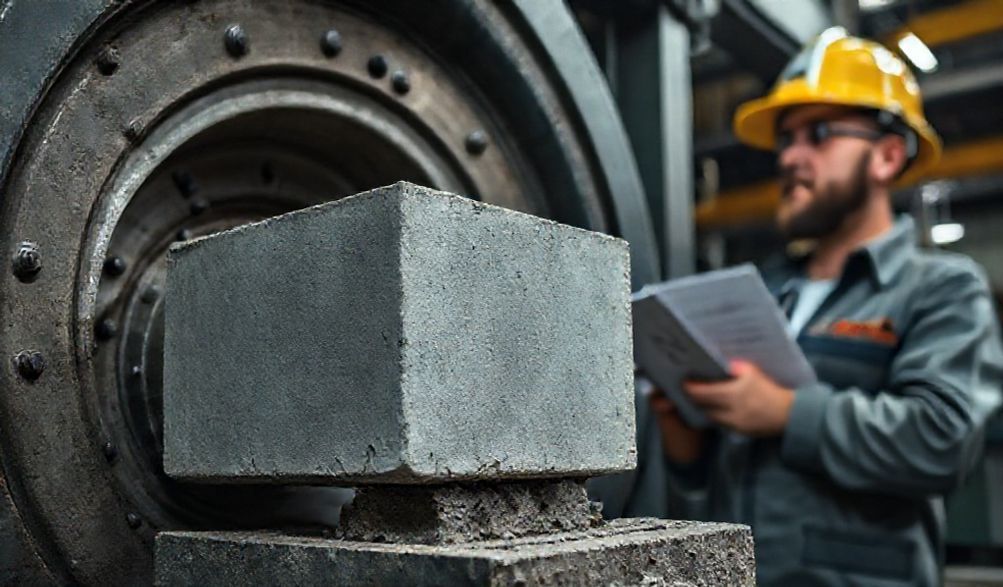
Your Ultimate Guide to Choosing a Reliable Concrete Block Machine Supplier
Inleiding
In the fast-paced world of construction, deadlines are sacred and budgets are tight. Yet, too many projects face costly delays and frustrating overruns. Often, the root cause isn’t the crew or the design—it’s the failure of a critical piece of equipment. When your concrete block machine breaks down, your entire production line grinds to a halt. The real culprit, however, is frequently not the machine itself, but the company that sold it to you.
Selecting the right concrete block machine supplier is a strategic decision with far greater implications than the initial purchase price. It’s a choice that directly impacts your productivity, profitability, and long-term business viability. A reliable supplier is a partner in your success; an unreliable one is a persistent liability.
This comprehensive guide draws on deep industry experience to demystify the selection process. We will move beyond basic specifications and price comparisons to explore the core factors that separate true partners from mere vendors. You’ll learn how to evaluate a supplier’s credibility, understand the machinery landscape, identify critical red flags, and ask the right questions.
By the end of this guide, you will have a clear, actionable framework to make an informed and confident decision—one that protects your investment and powers your growth for years to come.
Hoekom U Keuse van Verskaffer Meer Beteken as Wat U Dink
It’s easy to view the purchase of a block machine as a simple transaction. In reality, you are entering into a long-term relationship. The quality of that relationship will influence nearly every aspect of your operation.
Verby die Prys-etiket: Totale Koste van Eienaarskap (TKE)
The invoice price is just the beginning. The true cost of your machine—its Total Cost of Ownership—is calculated over its entire operational life.
- Initial Cost vs. Long-Term Costs: A cheaper machine from a cut-rate supplier often comes with hidden expenses: frequent breakdowns, expensive and hard-to-find spare parts, higher energy consumption, and significant production downtime.
- The Quality Dividend: A reputable supplier provides machinery built with quality components and robust engineering. This translates to:
- Lower maintenance costs.
- Longer intervals between repairs.
- Consistent performance that maximizes uptime.
- The Support Factor: A supplier’s after-sales service directly reduces your TCO. Quick technical support and readily available parts minimize downtime, which is your single biggest cost.
The Direct Link Between Machine Quality & Project Success
Your machine’s reliability isn’t an abstract concept; it’s the bedrock of your project’s success.
- Consistency is Key: Construction projects require blocks with unwavering dimensional accuracy and compressive strength. An unreliable machine produces inconsistent blocks, leading to rejected batches, wasted materials, and compromised structural integrity.
- Speed Meets Deadlines: A machine that can’t maintain its advertised output speed will slow your entire production schedule. This delay can cascade, causing you to miss critical project milestones and contractual deadlines, potentially incurring penalties.
- Reputation on the Line: The quality of your final product—the buildings and structures—is a direct reflection of your business. Consistent, high-quality blocks build your reputation; inconsistent ones can damage it.
Partnership Over Transaction: The Value of Ongoing Support
The best suppliers see themselves as your partner, not just a seller.
- From Delivery to Operation: A true partner ensures a smooth transition from delivery to full production. This includes professional installation, comprehensive operator training, and initial production supervision.
- Lifeline Support: When an issue arises—and it will—you need a responsive technical team. A partner offers clear support channels, knowledgeable engineers, and a commitment to resolving issues swiftly.
- Warranty with Meaning: A warranty is only as good as the company behind it. A partner honors their warranty promptly and transparently, viewing it as a promise, not a burden.
Key Criteria for Evaluating a Concrete Block Machine Supplier
Arm yourself with these essential criteria to conduct a thorough and effective evaluation.
Bewese Bedryfservaring en Prestasierekord
History and reputation are powerful indicators of reliability.
- Longevity and Specialization: How long has the supplier been in business? Look for companies with a decade or more of focused experience in concrete machinery manufacturing, not general equipment distribution. Specialists understand the nuances of block production.
- Evidence of Success: Request a portfolio of client projects or detailed case studies. Look for projects similar in scale and scope to yours. Verifiable testimonials and references are non-negotiable.
Range and Quality of Machinery Offered
A supplier’s product line reflects their expertise and commitment to the market.
- Comprehensive Range: A good supplier should offer solutions across the spectrum:
- Handmatig/Semi-outomaties: For entrepreneurs and small-scale projects.
- Volledig Outomatiese Stasie-Aanlegte: For high-volume, commercial production.
- Mobiele Masjiene: For on-site production flexibility.
- Tangible Quality Indicators: Don’t just take their word for it. Assess:
- Raamkonstruksie: Heavy-duty, vibration-resistant steel frames.
- Kernkomponente: Brands matter. Look for recognized names in hydraulics, motors, and PLC (Programmable Logic Controller) systems.
- Sertifisering: Compliance with international standards like CE (for Europe) or similar marks demonstrates adherence to safety and manufacturing quality protocols.
Manufacturing Capabilities and Transparency
Verstaanhoeenwaar your machine is built is crucial.
- Manufacturer vs. Reseller: There are significant advantages to dealing directly with the manufacturer:
- Better control over quality and production timelines.
- More competitive pricing (no middleman markup).
- Direct access to engineering expertise for customization and support.
- The Power of Transparency: A confident supplier will invite transparency.
- Factory Visits: If possible, visit their manufacturing facility. It’s the best way to assess their capabilities, quality control processes, and scale.
- Virtual Tours/Documentation: If travel isn’t feasible, request detailed videos, photos, or live virtual tours of the production floor and finished machines.
Comprehensive After-Sales Service Network
This is the most critical differentiator between a good supplier and a great one. Scrutinize their service offering.
- The Non-Negotiable Checklist:
- Onderdele Beskikbaarheid: Is there a well-stocked, organized parts depot? What is the typical lead time for common wear parts?
- Installasie & Inbedryfstelling: Do they send qualified engineers for on-site installation and calibration?
- Operator Training: Is thorough training included? Is it provided on-site in your local language?
- Tegniese Ondersteuning: What are the support channels (phone, email, remote diagnostics)? Is 24/7 support available for critical breakdowns?
- Waarborgduidelikheid: The warranty document should be clear, detailed, and fair. Understand exactly what is covered (parts, labor), for how long, and the process for making a claim.
Understanding Different Types of Concrete Block Machines
Knowing your production needs is the first step. Understanding which machine meets them is the next.
Manual and Semi-Automatic Machines: For Start-ups and Smaller Projects
- Ideale Gebruiksgeval: Perfect for new business ventures, small-scale construction, or producing specialty blocks in lower volumes.
- Operasie: Require more manual labor for material feeding, molding, and block removal. Semi-automatic models mechanize some steps (like vibration or block ejection).
- Uitset: Lower production output (e.g., 500 – 2,000 blocks per 8-hour shift).
- Cost-Benefit: Lowest capital investment and simpler maintenance. Ideal for testing the market or where labor costs are favorable.
Fully Automatic Stationary Plants: For High-Volume Production
- Ideale Gebruiksgeval: The backbone of commercial block yards and large construction projects requiring massive, consistent output.
- Operasie: Highly automated systems with integrated components:
- Raw Material Handling: Automated batching and mixing.
- Pallet Circulation: A closed-loop system for molding, curing, and returning pallets.
- Curing Systems: Often include automated stackers and curing racks or chambers.
- Uitset: High to very high production capacity (e.g., 10,000 to 30,000+ blocks per shift).
- Sleuteloorwegings: Requires significant space, higher initial investment, and skilled technicians for maintenance. Delivers the lowest cost per block at high volumes.
Mobile Block Making Machines: Flexibility on Site
- Ideale Gebruiksgeval: Projects where blocks are used at the same location they are produced, eliminating transport costs (e.g., remote sites, large housing projects).
- Operasie: Mounted on a trailer for easy relocation. Can be manually fed or connected to a separate mixer.
- Voordele: Dramatically reduces transport costs and block damage. Quick setup and teardown.
- Typical Applications: On-site production for housing developments, road construction (curbstones), and rural building projects.
Red Flags: How to Spot an Unreliable Supplier
Warning signs often appear early. Learning to recognize them can save you from a disastrous partnership.
Vague or Nonexistent Technical Specifications
A professional supplier provides detailed, written specs for every machine. Be wary of promises like “high output” without defined metrics (blocks/hour, cycle time, pressure figures).
Unrealistically Low Prices and High-Pressure Sales Tactics
If a price seems too good to be true, it almost always is. Aggressive pressure to sign a contract immediately, often with a “today-only discount,” is a classic tactic to prevent you from doing proper due diligence.
Lack of Verifiable Customer References or Testimonials
A refusal or inability to provide contact information for previous clients in your region is a major red flag. Generic, nameless “testimonials” on a website are not sufficient.
Poor Communication and Unclear Contract Terms
If communication is slow, unprofessional, or evasive during the sales process, it will be worse after payment. Contracts that are unclear about warranty, delivery terms (FOB, CIF), or service obligations should be rejected.
Essential Questions to Ask Your Potential Supplier
Walk into every conversation with this prepared list. The answers will be highly revealing.
- “Can you provide contact information for 2-3 clients in my region (or a similar climate/market) who are using the specific model I’m considering?”
- “What is the lead time for your top 10 most common wear parts, and are they stocked locally or shipped from your factory?”
- “Can you detail the installation and training process? How many of your engineers will come on-site, for how long, and what exactly will they do?”
- “Please share your standard warranty document. Can you walk me through the key clauses, including response time commitments for technical issues?”
- “What are the machine’s expected energy (electrical, hydraulic) consumption figures, and what is the recommended preventive maintenance schedule?”
- “Do you offer any performance guarantees (e.g., output capacity, block strength) once the machine is installed and commissioned?”
- “If we need a custom mold or a minor design modification, what is your process and typical timeline/cost for that?”
Frequently Asked Questions (FAQ)
Q1: What is the average lead time for receiving a concrete block machine from an international supplier?
A: Lead times vary widely, typically from 30 to 90 days after order confirmation. Factors include machine complexity (standard vs. fully automatic plant), level of customization, and shipping method (sea freight is common for full plants). A reliable supplier will give you a detailed production and shipping schedule.
Q2: How important is it for the supplier to offer custom machine configurations?
A: It’s crucial if you have specific needs. Customization is essential for producing unique block shapes (architectural blocks), using alternative raw materials (like fly ash), or fitting a machine into a constrained space layout. For standard hollow or solid blocks, a proven standard model is often the best choice.
Q3: What are the most common maintenance issues, and how can a good supplier help mitigate them?
A: Common issues include wear on molds, liners, and vibration springs; hydraulic seal leaks; and minor electrical sensor faults. A good supplier mitigates this by: 1) Providing comprehensive maintenance manuals and videos, 2) Offering thorough operator training focused on daily checks, and 3) Ensuring fast access to a kit of the most common wear parts.
Q4: Can a reputable supplier help with business planning and feasibility studies?
A: Yes, top-tier manufacturers often provide value-added consultancy. They can help you plan your plant layout for optimal workflow, advise on production capacity planning based on your market, and even provide basic ROI projections based on your local material and block prices.
Q5: What should I look for in the supplier’s warranty documentation?
A: Look for clarity on: Duration (e.g., 12 months from commissioning), Coverage (parts, on-site labor, travel costs?), Exclusions (wear parts, damage from improper operation), and Claim Process (who to contact, required documentation). Most importantly, look for defined response time commitments for different priority levels of issues.
Conclusion
Choosing a concrete block machine supplier is one of the most significant decisions you will make for your construction or manufacturing business. It is a strategic investment that hinges on factors far more substantial than a simple price comparison: proven ondervinding, demonstrable gehalte, unwavering service, and earned vertroue.
The due diligence you conduct today is your best insurance against the operational headaches and financial losses of tomorrow. By applying the framework in this guide—evaluating against key criteria, understanding your machinery options, spotting red flags, and asking the right questions—you empower yourself to select a true partner.
A reliable supplier becomes an extension of your team, committed to ensuring your machinery delivers peak performance year after year. This partnership is the foundation upon which you can build a more productive, profitable, and resilient business.
Ready to discuss your project with a trusted partner? Contact our team of experts for a personalized consultation and quote tailored to your specific production goals.
Want to take this guide with you? Download our comprehensive Supplier Evaluation Checklist to ensure you cover every critical point during your search.
<