
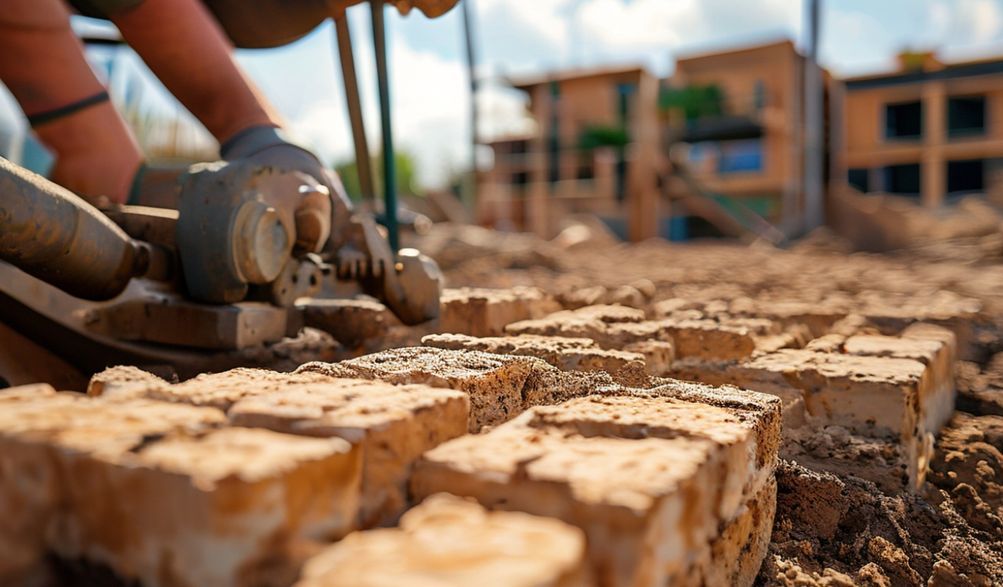
الدليل الشامل لآلة الطوب المتشابك من ماكيجا: رؤى من مصنع فودا لصناعة البلوكات
مقدمة
الحاجة العالمية للإسكان الميسور والمستدام هي واحدة من أكثر التحديات إلحاحًا. غالبًا ما تعتمد طرق البناء التقليدية على مواد مستوردة باهظة الثمن وعمالة ماهرة كبيرة، مما يجعل السكن اللائق بعيدًا عن متناول الملايين. ولكن ماذا لو لم يكن الحل في تكنولوجيا أكثر تعقيدًا، بل في هندسة أكثر ذكاءً وبساطة وإتاحة؟
تدخل آلات تصنيع الطوب المتشابك اليدوية - وهي تقنية منخفضة التكلفة تحولية تمكن رواد الأعمال والمجتمعات في جميع أنحاء العالم. ومن بين هذه الآلات، برزت آلة تصنيع الطوب المتشابك "ماكيجا" كأداة بارزة للبناء الشعبي. ولكن كيف تتماشى حقاً مع المشهد الأوسع لإنتاج الكتل؟
يسترشد هذا الدليل بتحليل الصناعة ورؤى من منظور الشركات المصنعة الراسخة مثلمصنع فودا لصناعة البلوكلاعب رئيسي في آلات الطوب والبلوك. هدفنا هو تقديم نظرة عامة متوازنة وخبيرة. سنقوم بتفكيكماكينة تصنيع الطوب المتشابك ماكيجاتطبيقاته المثالية، وقيوده، مع وضعها في سياق سوق يشمل أيضًا آلات هيدروليكية وآلية عالية السعة.
هذا ليس مجرد مراجعة لمنتج. إنه دليل استراتيجي لمساعدتك على اتخاذ قرار مستنير حول ما إذا كانت هذه التكنولوجيا اليدوية هي المنصة المناسبة لمشروعك أو عملك، وكيف قد يبدو مسار نموك مع رواد الصناعة مثلمصنع فودا لصناعة البلوك.
ما هي آلة تصنيع الطوب المتشابك ماكيجا؟
في صميمه، آلة ماكيجا هي أداة للتمكين. فهي تجعل إنتاج مواد البناء في متناول الجميع عبر تحويل التربة المحلية المتاحة إلى كتل متشابكة متينة.
التقنية الأساسية وفلسفة التصميم
الآلة تنتج كتل التربة المترابطة المستقرة (ISSB). المبدأ عبقري:
- التشابك:تحتوي الكتل على تصميم ذكر وأنثى على أسطحها العلوية والسفلية. فهي تترابط معًا مثل قطع الليغو، مما يوفر محاذاة استثنائية وقوة قص عالية.
- مستقر:يتم خلط التربة مع نسبة صغيرة (عادة 5-10%) من الأسمنت أو الجير. هذا "التثبيت" يربط جزيئات التربة كيميائياً، مما ينتج طوبة مقاومة للعوامل الجوية ودائمة.
- تربة:المادة الخام الأساسية هي التربة الموجودة بالفعل في الموقع أو بالقرب منه، مما يقلل بشكل كبير من تكاليف المواد والبصمة البيئية للنقل.
يعكس تصميم آلة ماكيجا فلسفة البساطة المتطرفة:
* إنه تمامًادليلتعمل بواسطة ذراع يدوي.
* تم بناؤه لـالمتانةمن الفولاذ الثقيل.
* يتطلبلا كهرباء ولا وقودمما يجعله مثالياً للمواقع خارج الشبكة.
إنهمحمولغالبًا ما يتم تركيبها على عجلات، بحيث يمكن أن يتم الإنتاج بالضبط حيث تكون الكتل مطلوبة.
وجهة نظر مصنع فودا لصناعة الطوب حول الآلات اليدوية
من منظور شركة تصنيع متكاملة مثل فودا، تحتل الآلات اليدوية مكانة حيوية ومحددة. تتضمن تشكيلة فودا عادةً كل شيء بدءًا من المكابس اليدوية إلى مصانع تصنيع البلوك الأوتوماتيكية بالكامل التي تُتحكم بواسطة الحاسوب. يوفر هذا النطاق إطارًا مرجعيًا واضحًا.
الماكينة تصنيع الطوب المتشابك ماكيجايمثل نقطة الدخول الأساسية لصناعة الكتل. إنه الخيار المثالي لـ:
- رواد الأعمال الناشئون:اختبار فكرة عمل بأقل قدر من المخاطر الرأسمالية.
- المشاريع صغيرة النطاقبناء منزل واحد، أو جدار محيط، أو هيكل مجتمعي صغير.
- المواقع النائيةعندما تكون الطاقة الكهربائية من الشبكة غير موثوقة أو غير موجودة.
- مبادرات بناء المهاراتبرامج التدريب والمدارس المهنية.
The key insight from this perspective is that there is no “one best” machine—only the most appropriate technology for your specific scale, budget, and goals. The Makiga excels in contexts where low capital cost and operational simplicity are paramount.
Key Features and Benefits of the Makiga Machine
Why has the Makiga machine gained such global traction? Its benefits align perfectly with the needs of its target users.
Cost-Effectiveness and Low Operational Overhead
This is the most compelling advantage.
* استثمار أولي منخفض: The machine cost is a fraction of a motorized block maker.
* الحد الأدنى من الصيانة With no engines, hydraulics, or complex electronics, upkeep is simple and cheap.
* تكاليف الطاقة صفر: No bills for diesel or electricity.
* Localized Material Cost: Up to 90% of your brick’s content is free, excavated soil.
Ease of Use and Mobility
- Quick Training: Operators can be trained to produce good quality blocks in a matter of days.
- الإنتاج في الموقع Move the machine to the construction site. This eliminates the cost and damage risk of transporting fragile bricks over long distances.
- Community Involvement: Its simplicity allows for the direct involvement of future homeowners or community members in building their own structures.
Strength and Sustainability of Produced Bricks
- سلامة الهيكل: Properly stabilized ISSBs can meet and exceed the compressive strength of traditional fired clay bricks or concrete blocks.
- Thermal & Acoustic Performance: Soil blocks have excellent natural insulation properties.
- الاستدامة البيئية: Drastically reduced cement use (compared to concrete blocks) lowers the carbon footprint. Using local soil eliminates the environmental cost of quarrying and transporting aggregate.
Practical Applications and Ideal Use Cases
The Makiga machine isn’t a toy; it’s a serious tool for specific, impactful applications.
For the Aspiring Entrepreneur
It offers a viable path to business ownership. With a small investment, one can start a mobile brick-making service or a small yard-supplying blocks for local home extensions and projects. It’s a business with low barriers to entry.
For Community-Driven and Self-Help Projects
This is where the technology shines. NGOs, charities, and community groups use Makiga machines to build:
* Affordable housing units
* School classrooms and libraries
* Health clinics and sanitation blocks
* Water tanks and agricultural structures
The model fosters ownership, builds local skills, and stretches donor funds significantly.
For Individual Homeowners and DIY Builders
An owner-builder can realistically produce the thousands of blocks needed for their own home over time. While labor-intensive, the savings on material costs can be transformative, making homeownership achievable.
Critical Considerations and Limitations
Informed decisions require honest appraisal. Understanding the limitations of the Makiga machine is as important as celebrating its benefits.
Production Capacity vs. Industrial Machines
This is the primary trade-off.
* Makiga Output: A skilled, two-person team might produce 500 to 1,000 high-quality blocks in an 8-hour day. Output is human-paced.
* Industrial Comparison: A basic مصنع فودا لصناعة البلوك semi-automatic hydraulic press could produce 2,000-5,000 blocks in the same timeframe. A fully automatic line could produce tens of thousands.
The Makiga is not for supplying a large commercial development. It’s for controlled, small-to-medium scale production.
Labor Intensity and Brick Quality Consistency
- المتطلبات البدنية: Operating the lever all day is hard work. Output is directly tied to operator stamina.
- Skill-Dependent Quality: Consistency in soil mix, moisture content, and compression force relies on the operator’s skill and attention. There is a learning curve to producing uniform, high-strength blocks batch after batch.
Soil Suitability and Stabilization
The machine is only as good as the soil you feed it.
* Soil Testing is Non-Negotiable: Not all soil is suitable. The ideal is a sandy loam. Clay-heavy or organic soils require modification or are unsuitable. A simple jar test is a crucial first step.
* Stabilization is Key: “Stabilized” is the critical word in ISSB. Incorrect cement/soil ratios lead to weak, crumbly blocks. This is the most common point of failure for newcomers.
Navigating the Market: Makiga, FUDA, and Making the Right Choice
You’ve decided a block machine is right for you. How do you proceed in a market with everything from manual levers to fully automated plants?
Sourcing a Genuine Makiga Machine
- Official Channels: Seek authorized distributors or contact Makiga Engineering directly. Be wary of cheap counterfeits made with inferior steel that will bend or break under pressure.
- Verify and Research: Look for user reviews, videos of the actual machine in operation, and clear warranty terms.
When to Consider Upgrading to a FUDA-Style Machine
Your business growth dictates the technology transition. Consider upgrading to a semi-automatic or automatic machine (from a manufacturer like FUDA) when:
* Demand Exceeds Supply: You have consistent orders you cannot meet with manual production.
* Labor Costs Rise: The cost of manual labor outweighs the investment in a faster machine.
* Quality Standardization is Critical: You need guaranteed, machine-consistent block dimensions and strength for larger contracts.
* You Scale Up Project Size: You move from building houses to supplying blocks for schools, apartment complexes, or commercial projects.
This represents a natural business progression: start with the accessible ماكينة تصنيع الطوب المتشابك ماكيجا, then scale up with a مصنع فودا لصناعة البلوك machine as your capital and market grow.
Essential Questions to Ask Suppliers
Whether buying a Makiga or a FUDA machine, be a savvy buyer. Ask:
1. What is included in the price? (Molds for different block types?)
2. What is the warranty period and what does it cover?
3. How available are spare parts, and what is the typical delivery time?
4. Do you provide operational training or detailed manuals?
5. Can you connect me with existing customers for references?
الأسئلة الشائعة (FAQ)
Q1: How many bricks can a Makiga machine produce in a day?
أ: A realistic output for a motivated two-person team is between 500 and 1,000 bricks per 8-hour day. This pales in comparison to an industrial machine but is ample for a small business or building project.
Q2: What is the cost difference between a Makiga manual machine and a basic FUDA automatic block maker?
أ: The difference is typically an order of magnitude. A Makiga machine is often a few thousand dollars, representing a micro-investment. A basic automatic block making machine from a manufacturer like FUDA can start in the tens of thousands. They are tools for entirely different stages of operation.
Q3: Do interlocking bricks made with the Makiga machine require mortar?
أ: The interlocking design eliminates the need for thick mortar joints. A thin slurry of cement “cream” is often brushed between courses to ensure perfect leveling and bonding. This can reduce mortar use by over 50% compared to conventional masonry.
Q4: Can I use any type of soil with the Makiga interlocking bricks machine?
أ: No. Soil suitability is paramount. Ideal soil is a sandy loam (roughly 70% sand, 30% silt/clay). Pure clay or organic topsoil will not work. Always conduct a simple soil test before purchasing a machine.
Q5: Is training provided when purchasing a Makiga or FUDA machine?
أ: Reputable suppliers for both types of machinery should provide basic operational guidance, either in-person, via detailed manuals, or through video resources. Always confirm the level of after-sales support and training before finalizing a purchase.
خاتمة
الماكينة تصنيع الطوب المتشابك ماكيجا is more than a tool; it’s a catalyst for affordable construction, entrepreneurial spirit, and community resilience. It stands as a powerful testament to the concept of “appropriate technology”—brilliantly designed to meet specific needs where high-cost, complex machinery cannot.
From the expert perspective of the broader industry, including manufacturers like مصنع فودا لصناعة البلوك, the choice is never about which machine is universally “better.” It is about which technology is يمين for your specific goals, scale, and resources. The Makiga is an exceptional, low-risk entry point into the world of block production. It provides a foundation upon which a successful business can be built—a business that may one day graduate to the higher-capacity, efficiency, and consistency offered by advanced machinery.
Your journey should begin not with a purchase order, but with due diligence. Assess your project needs honestly, research suppliers thoroughly, and most importantly, start with a simple soil test. The quality of your land is the first and most critical determinant of your success with this transformative technology.
<