
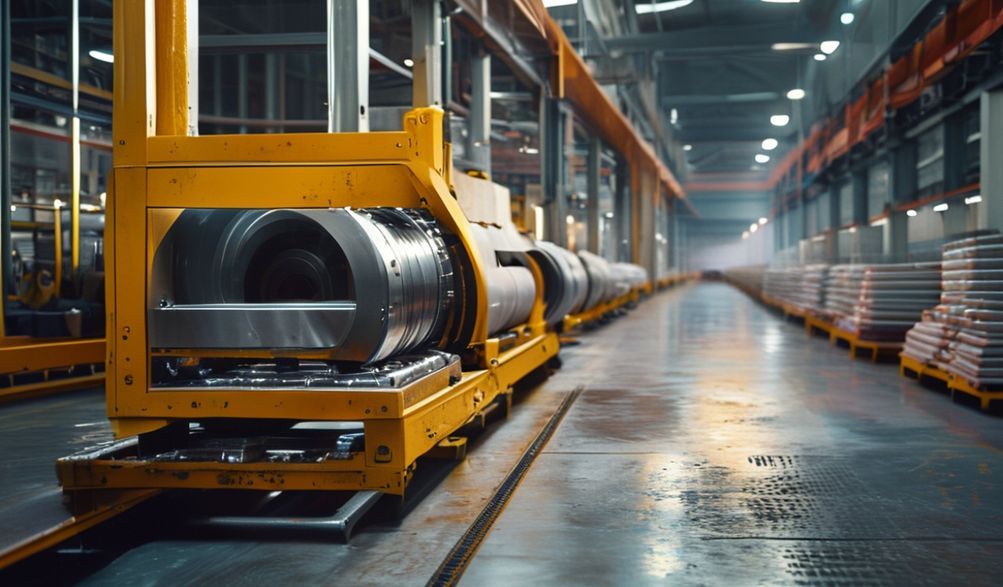
الدليل الشامل لآلات الطوب والطوب: داخل مصنع فودا لصناعة الطوب
مقدمة
تتطلب الإبحار في عالم معدات البناء أكثر من مجرد نظرة عابرة على أوراق المواصفات. فهي تتطلب رؤى مُشكَّلة من أرضية المصنع. كُتب هذا الدليل الشامل بناءً على سنوات من الخبرة المباشرة في صناعة معدات البناء وعمليات المصنع. سنقدم نظرة موثقة ومتعمقة على آلات الطوب والبلوك الحديثة، مع تركيز خاص على عمليات التصنيع، ومعايير الجودة، والابتكارات التكنولوجية في مصنع فودا لصناعة الطوب.
سواء كنت صاحب عمل في مجال البناء تهدف إلى توسيع نطاق الإنتاج، أو مهندسًا مدنيًا تحدد المواصفات المواد، أو مستثمرًا تقيم مشاريع مواد البناء، فإن هذا التحليل الخبير سيزودك بالمعرفة الأساسية لاتخاذ قرارات مستنيرة حقًا. نحن نتجاوز الادعاءات التسويقية لنفحص المبادئ الهندسية، والواقع التشغيلي، ومقترحات القيمة التي تحدد التميز في آلات إنتاج الطوب.
فهم آلات صناعة الطوب والطابوق الحديثة
يمثل التطور من تشكيل الطوب اليدوي إلى خطوط الإنتاج الآلية عالية الإنتاج أحد أبرز القفزات التكنولوجية في مجال البناء. إن آلات الطوب والكتل الخرسانية الحديثة هي قطع متطورة من المعدات الصناعية المصممة من أجل الدقة والكفاءة والمتانة الفائقة. ويعد فهم وظيفتها الأساسية الخطوة الأولى لتقدير القيمة التي يقدمها مصنع مثل فودا للسوق.
المكونات الأساسية وكيفية عملها
تعتمد كفاءة آلة صنع الطوب على التفاعل السلس لأنظمتها الرئيسية.
-
النظام الهيدروليكي: قلب الضغط والدقة
هذا هو مصدر الطاقة. فهو يولد القوة الهائلة والمتحكم فيها اللازمة لضغط المواد الخام (مثل الخرسانة أو الأسمنت التربة) إلى كتلة كثيفة وقوية. تحدد جودة المضخات الهيدروليكية والأسطوانات والصمامات بشكل مباشر اتساق كثافة الطوب، وبالتالي قوته الانضغاطية النهائية. يضمن النظام الهيدروليكي القوي أن يكون كل طوب مطابقًا للطوب السابق. -
وحدات القولبة: من المواد الخام إلى الكتل المشكلة بشكل مثالي
القالب هو المكان الذي يحدث فيه سحر التشكيل. هذه المكونات عالية التآكل مصممة بدقة لتحديد حجم القالب وشكله (مثل المجوف، الصلب، البلاط) وملمس سطحه. تتميز الآلات عالية الجودة بقوالب مصنوعة من الفولاذ المقسى المقاوم للتآكل أو السبائك، مما يضمن إنتاج آلاف القوالب دون اختلاف في الأبعاد أو فشل مبكر. -
نظام التحكم: الأتمتة والاتساق في الإنتاج
عقل العملية. في النماذج شبه الآلية والآلية بالكامل، يدير جهاز تحكم منطقي قابل للبرمجة (PLC) دورة الإنتاج بأكملها: تغذية المواد، وتطبيق الاهتزاز، وتشغيل المكبس الهيدروليكي، وطرد البلوك النهائي. يلغي هذا الأتمتة الخطأ البشري، ويضمن أوقات دورات متسقة، ويسمح بإجراء تعديلات دقيقة على الضغط والاهتزاز لمختلف خلطات المواد.
أنواع آلات صناعة الطوب: تحليل مقارن
اختيار النوع المناسب من الآلة أمر بالغ الأهمية ويعتمد كليًا على حجم مشروعك وميزانيتك واحتياجات التنقل.
-
مكابس الضغط الثابتة مقابل آلات وضع البيض المتنقلة
- مكابس الضغط الثابتة:هذه محطات طاقة ثابتة. فهي تنتج الطوب في موقع ثابت، ثم يتم نقل الطوب بعد ذلك إلى منطقة المعالجة. وعادة ما تكون أكثر متانة، وتوفر ضغطًا أعلى، وتناسب الإنتاج واسع النطاق عالي الكميات في ساحة أو مصنع مخصص.
- آلات "وضع البيض" المحمولة:هذه الآلات ذاتية الدفع أو قابلة للسحب. فهي تنتج الطوب وتودعه (أو "تضعه") مباشرة على سطح أرضي مستوٍ، وتتحرك للأمام بعد كل دورة. وهذا يلغي الحاجة إلى المنصات والتعامل اليدوي مع الطوب، مما يجعلها مثالية للإنتاج في الموقع لمشاريع مثل الطرق أو بلاطات الأرضيات الكبيرة.
-
نماذج أوتوماتيكية بالكامل، وشبه أوتوماتيكية، ويدوية
- أوتوماتيكي بالكامل:تدمج هذه الأنظمة التغذية بالمواد، والخلط، والنقل، والضغط، والتراص مع الحد الأدنى من التدخل البشري. فهي توفر أعلى إنتاجية واتساق، لكنها تتطلب استثمارًا أوليًا أعلى.
- شبه آليخيار متوازن. دورة الضغط الأساسية مؤتمتة، لكن تحميل المواد الخام أو إزالة الكتل النهائية قد يكون يدوياً. تقدم إنتاجية ممتازة مع مرونة أكبر وتكلفة أقل.
- الآلات اليدوية:تعمل بشكل أساسي بواسطة ذراع يدوي أو دولاب موازنة. وهي منخفضة التكلفة ومناسبة للمشاريع الصغيرة جدًا ذات الطابع الريادي، لكنها لا تستطيع مجاراة إنتاجية أو الجودة المتسقة للأنظمة الآلية.
-
آلات متخصصة لصناعة البلاط والطوب المجوف والطوب المتشابك
تنتج المصانع الحديثة آلات مصممة خصيصًا لمنتجات معينة. فآلة مُحسّنة لإنتاج البلوك المجوف عالي المتانة ستتمتع بملامح ضغط واهتزاز مختلفة عن تلك المصممة لصنع أحجار الرصف الزخرفية الناعمة أو الطوب المتشابك المستخدم في البناء الجاف.
Inside the FUDA Brick Making Factory: A Model of Manufacturing Excellence
A machine is only as good as the processes that created it. The FUDA brick making factory operates on principles that transform raw steel into reliable, high-performance capital equipment. This commitment to excellence at the source is what separates market leaders from the rest.
FUDA’s Manufacturing Philosophy and Quality Control
The journey of a FUDA machine is defined by rigorous checks and a focus on structural integrity.
-
From Steel to Machine: The Production Line Journey
It begins with the selection of raw materials. High-grade steel plates and profiles are cut, shaped, and welded using advanced CNC machinery and by skilled technicians. Critical welds are often stress-relieved and inspected to prevent future cracking under cyclic loads. -
Rigorous Testing Protocols: Ensuring Durability and Performance
Before leaving the factory, machines undergo stringent testing. This includes “dry-run” cycles to check alignment and automation sequences, as well as pressure tests on the hydraulic system to ensure it meets and exceeds its rated capacity. Key components are individually tested for tolerance and performance. -
ISO Standards and Industry Certifications Held by FUDA
Adherence to international standards like those from the International Organization for Standardization (ISO) is a key indicator of a factory’s commitment to systematic quality management, safety, and environmental responsibility. These certifications provide a framework for consistent, world-class manufacturing.
Innovation at the FUDA Factory
Stagnation is not an option in industrial manufacturing. Forward-thinking factories like FUDA invest in continuous improvement.
-
R&D Focus: Energy Efficiency and Higher Output Designs
Research and Development teams work on optimizing hydraulic circuits to deliver maximum pressure with minimal energy consumption. They also refine vibration systems to achieve optimal material compaction faster, thereby increasing bricks-per-hour output without sacrificing quality. -
Adapting Machines for Diverse Raw Materials (Clay, Concrete, Fly Ash)
A significant innovation is designing machines that are not limited to one mix. FUDA engineers develop systems that can effectively process everything from standard concrete to stabilized local soil and eco-friendly fly ash, a by-product of coal combustion. This adaptability opens markets and promotes sustainable construction. -
Smart Factory Integration: IoT and Data-Driven Manufacturing
The modern factory floor is becoming connected. Implementing IoT (Internet of Things) sensors allows for real-time monitoring of assembly line equipment, predictive maintenance, and data collection on machine performance that feeds back into the design process for future models.
Key Features of FUDA Block Making Machines
The principles upheld in the FUDA factory manifest in tangible features that deliver value on your worksite. These are not just specifications; they are promises of performance and longevity.
Durability and Construction for Long-Term Operation
Construction sites are harsh environments. FUDA machines are built to endure.
-
High-Grade Steel and Reinforced Framing
The main frame and pressing plates are constructed from thick, high-tensile steel. This robust skeleton absorbs the immense forces generated during operation, preventing frame deflection that would lead to misalignment and poor brick quality over time. -
Wear-Resistant Molds and Components
Critical wear parts like molds, tamper feet, and feedbox liners are manufactured from specially hardened or alloyed steels. This dramatically extends their service life, reducing downtime for replacements and lowering the long-term cost of operation. -
Real-World Case Study: FUDA Machine Lifespan in Harsh Environments
Consider machines operating in high-dust quarries or humid coastal regions. The choice of corrosion-resistant coatings, sealed bearings, and protected electrical components in FUDA machines is a direct response to these challenges, ensuring a operational lifespan that can span decades with proper maintenance.
Productivity and Output Specifications
Duraability means little without productivity. FUDA machines are engineered for efficient output.
-
Cycle Times and Bricks-Per-Hour Capacity
Every model has a designed cycle time—the time from one brick ejection to the next. FUDA optimizes this through efficient hydraulic sequences and quick mold changes. Capacities are clearly stated, allowing you to accurately forecast project timelines based on model choice. -
Customization Options for Different Block Sizes and Shapes
Beyond standard offerings, factories like FUDA often provide customization. This can include producing non-standard mold sizes for unique architectural blocks or configuring the machine’s vibration system for a specific, locally-sourced aggregate mix. -
How FUDA Machines Optimize Production for Profitability
Profitability is a function of output, waste, and reliability. By ensuring consistent brick quality (reducing waste/rejects), maximizing uptime through durable construction, and enabling faster construction cycles with dimensionally perfect blocks, FUDA machines are designed as productivity tools that positively impact your bottom line.
Choosing the Right Machine for Your Project Needs
With a clear understanding of the technology and manufacturing pedigree, the next step is practical application. Selecting the ideal machine is a strategic decision that aligns your business goals with technical capability.
تقييم متطلبات الإنتاج
Begin with an honest internal assessment.
-
Scale: Small-Scale Yard vs. Large Industrial Plant Needs
Are you supplying bricks for local housing projects, or are you establishing a regional supply plant? A semi-automatic machine producing 2,000 bricks per day is a world apart from a fully automatic line producing 20,000. Your scale dictates the model type and level of automation. -
Budget Analysis: Initial Investment vs. Total Cost of Ownership
Look beyond the sticker price. Calculate the التكلفة الإجمالية للملكية (TCO)والتي تشمل:- Initial machine cost.
- Shipping and installation.
- Cost of auxiliary equipment (mixer, conveyor, forklift).
- Energy consumption.
- Long-term maintenance and spare parts.
A slightly more expensive, but more durable and efficient machine, often has a lower TCO over 5 years.
-
Key Questions to Ask Before Purchasing a Block Machine
- What is the availability and cost of genuine spare parts?
- What training is provided for operators and maintenance staff?
- Can you provide references for projects with a similar scale and material mix?
- What is the warranty coverage and what does it explicitly include/exclude?
- What is the expected lead time for delivery and installation support?
Why Consider a FUDA Brick Making Machine?
In a crowded market, FUDA represents a specific value proposition.
-
Balanced Value Proposition: Cost, Quality, and After-Sales Support
FUDA typically positions itself not as the cheapest, nor the most ultra-premium option, but as a provider of robust, reliable machinery that offers excellent value. This is backed by the crucial element of after-sales support—the lifeline for any equipment owner. -
Global Track Record: Where FUDA Machines Are Operating Successfully
A proven track record across diverse regions—from Africa to Southeast Asia to South America—demonstrates an ability to adapt to different climates, material conditions, and operational practices. This global experience is baked into the machine design. -
Spare Parts Availability and Technical Documentation
A reputable manufacturer ensures a supply chain for critical spare parts. They also provide clear, comprehensive technical manuals in multiple languages for operation, maintenance, and troubleshooting, empowering owners to manage their equipment effectively.
Operational Best Practices and Maintenance
Purchasing the machine is the beginning. Proper setup and disciplined maintenance are what unlock its full potential and lifespan. This guidance is rooted in the practical experience of keeping machinery running.
Setting Up for Success: Installation and Calibration
The first days are critical.
-
Foundation Requirements and Site Preparation
Static machines require a solid, level concrete foundation as specified in the manual. A poor foundation leads to vibration, misalignment, and accelerated wear. The site must be prepared with adequate space for material storage, brick curing, and machine access for maintenance. -
Initial Calibration for Optimal Brick Density and Strength
Once installed, the machine must be calibrated for your specific material mix. This involves adjusting vibration time, hydraulic pressure, and feed depth to produce a brick that is fully compacted, has sharp edges, and meets the target compressive strength. This often requires producing test batches. -
Safety Protocols for Machine Operation
Never bypass safety guards or interlocks. Establish clear procedures for lockout/tagout during maintenance. Ensure all operators are trained on emergency stop locations and are aware of pinch points and moving parts. Safety is non-negotiable.
Essential Maintenance Schedule for Peak Performance
Preventative maintenance is far cheaper than major repairs.
-
Daily, Weekly, and Monthly Checklist
- Daily: Check hydraulic oil levels, lubricate all grease points (bearings, guide rods), clean the mold and feed box, inspect for loose bolts or hydraulic leaks.
- Weekly: Clean hydraulic and electrical system filters, check belt tensions on conveyors or mixers, inspect wear parts like mold liners.
- Monthly: Perform a more thorough inspection of the hydraulic system, test safety functions, and check the alignment of critical components.
-
Troubleshooting Common Operational Issues
- Bricks breaking: Often due to incorrect material mix (too dry/sandy), insufficient pressure, or a worn mold.
- Poor surface finish: Can be caused by a dirty mold, incorrect vibration, or low-quality mold release agent.
- Slow cycle time: May indicate a failing hydraulic pump, low oil, or an issue with the PLC program.
-
Sourcing Genuine FUDA Spare Parts
Always use genuine or manufacturer-approved spare parts. Counterfeit or low-quality hydraulic seals, hoses, or electrical components can lead to catastrophic failure, void warranties, and result in much higher costs than the initial savings.
الأسئلة الشائعة (FAQ)
Q1: What is the production capacity range of a standard FUDA block making machine?
أ: FUDA offers a wide range of models with capacities from approximately 1,000 to over 10,000 bricks per standard 8-hour shift. The exact output depends heavily on the model’s automation level (manual, semi-auto, full-auto), the block type (solid, hollow, paver), and its size. Consulting the specific technical data sheet for your model of interest is essential for accurate planning.
Q2: Can FUDA machines use local raw materials like soil or fly ash?
أ: Absolutely. A key engineering strength of FUDA machines is their adaptability. They are designed to work effectively with various raw material mixes. This includes conventional concrete (cement, sand, aggregate), stabilized local soil (with a small percentage of cement), and eco-friendly mixes incorporating industrial by-products like fly ash. This flexibility can significantly reduce material costs and support sustainable building practices.
Q3: What kind of after-sales support does the FUDA factory provide?
أ: Reputable manufacturers like FUDA typically structure their support to ensure customer success. This commonly includes detailed installation manuals, on-site or remote installation guidance, comprehensive operator training programs, extensive maintenance documentation, and most importantly, access to a reliable supply chain for genuine spare parts. It is crucial to verify the specific warranty period and the exact terms of support with your authorized distributor or the factory directly before purchase.
Q4: How does the brick quality from an automatic machine compare to manual methods?
أ: There is no comparison in terms of consistency and structural performance. Automated machines like those from FUDA provide superior, uniform brick density due to precisely controlled hydraulic pressure and vibration. This results in higher and more consistent compressive strength, identical dimensions (leading to faster construction with less mortar), and a dramatic reduction in material waste from rejects. Manual methods cannot replicate this level of precision and efficiency at scale.
Q5: What is the typical lead time for a machine order from the FUDA factory?
أ: Lead times are variable and depend on several factors: the complexity and customization of the machine ordered, the current factory production schedule, and international shipping logistics. For standard models, it could be a matter of weeks. For highly customized or large, fully automatic lines, it may extend to several months. Discussing timelines and obtaining a detailed production schedule is a vital part of the project planning phase with your supplier.
خاتمة
Investing in a block and bricks making machine is a significant capital decision that directly impacts the efficiency, quality, and profitability of your construction projects or business. Through this detailed exploration, we’ve seen that modern factories like FUDA represent more than just a source of equipment; they are hubs of applied engineering, intelligent automation, and uncompromising quality control. The true value lies in selecting a machine that is not just a purchase, but a long-term partner.
By methodically prioritizing your production scale, local material availability, total cost of ownership, and the manufacturer’s commitment to after-sales support, you can make a choice that delivers lasting value and reliability. The expertise embedded in factories like FUDA is pivotal in advancing global construction capabilities, providing the robust, adaptable tools needed to build the durable and sustainable infrastructure of tomorrow.
Ready to Specify Your Needs? For further technical data sheets or to connect with industry experts who can discuss your specific block production requirements, continue your research with trusted industry publications and direct inquiries to established manufacturers and their authorized distributors.
<