
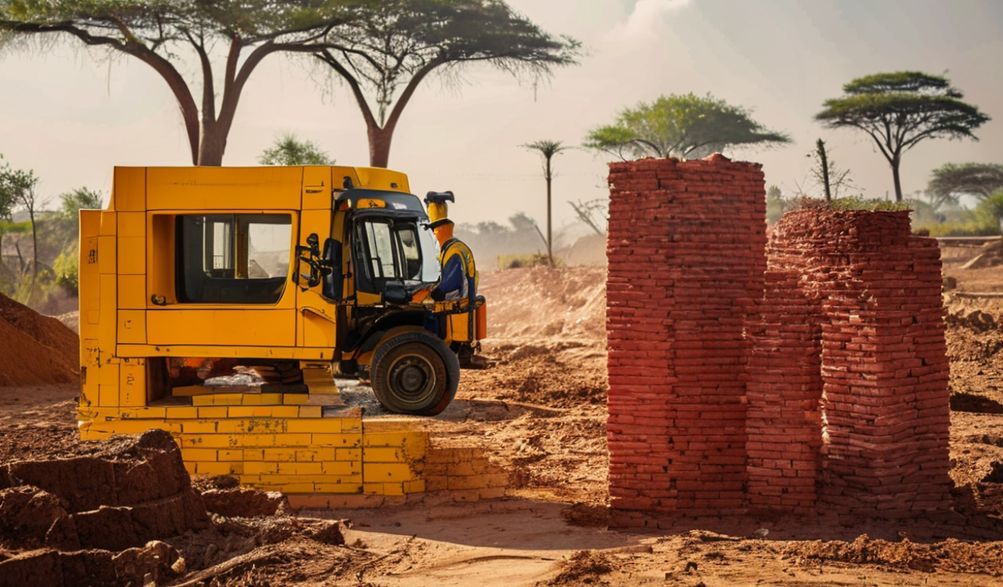
الدليل الشامل لآلات صنع الطوب المتشابك في كينيا (2026)
مقدمة
قطاع البناء في كينيا لا ينمو فحسب، بل ينفجر. مع طلب سنوي يزيد عن 200,000 وحدة سكنية واستثمارات ضخمة في البنية التحتية، أصبح البحث عن مواد بناء ميسورة التكلفة ومتينة ومستدامة أكثر إلحاحًا من أي وقت مضى. ومع ذلك، بالنسبة للعديد من البنائين وطالبي تملك المنازل، يخيم على هذه الطفرة واقع قاسٍ: الارتفاع الصاروخي لتكلفة الأثر البيئي للمواد التقليدية مثل الطوب المحروق والكتل الخرسانية.
حل ثوري يغير قواعد اللعبة ويحدث ثورة هادئة في مواقع البناء من مومباسا إلى كيسومو:آلة صنع الكتل المتشابكة في كينياتنتج هذه التقنية كتل التربة المثبتة المتشابكة (ISSBs) - وهي مادة بناء تخفض التكاليف، وتعزز القوة، وترفع راية الاستدامة. بالنسبة للمقاولين، والبناة الذاتيين، ورواد الأعمال على حد سواء، لم يعد فهم هذه التقنية مجرد اهتمام متخصص؛ بل أصبح ضرورة استراتيجية.
هذا الدليل لا يُبنى على النظرية فحسب، بل يجمع بين أبحاث السوق الواسعة، والتحليل التقني، والأهم من ذلك، الرؤى المباشرة من مشغلي الآلات، والفنيين، والمحترفين في مجال البناء عبر أنحاء البلاد. هدفنا هو تجاوز الضجيج التسويقي وتزويدك بمصدر شامل وحيادي. سنتعمق في كيفية عمل هذه الآلات، وفوائدها الجلية في السياق الكيني، والتكاليف المرتبطة بها، والخطوات الحاسمة لاختيار الآلة المناسبة. سواء كنت تبني منزلك الدائم أو تُطلق مشروعًا لصناعة الطوب، فإن هذا الدليل سيزودك بالمعرفة اللازمة لاتخاذ قرار واثق ومستنير.
ما هي آلة صنع الكتل المتشابكة؟
في صميمها، آلة صنع البلوك المتشابك هي مكبس مصمم لضغط خليط من التربة وكمية صغيرة من المثبت (مثل الأسمنت أو الجير) إلى لبنة بناء عالية الكثافة بتصميم فريد. على عكس البلوك القياسي، تتميز هذه القوالب بنتوءات في الأعلى وأخاديد مقابلة لها في الأسفل.
كيف تعمل: تكنولوجيا ISSB
العملية بسيطة بشكل أنيق لكنها فعالة للغاية:
1. خلط:يتم غربلة التربة المحلية المصدر ومزجها بنسبة صغيرة من الأسمنت (عادة 5-10٪).
2. ضغط:يتم تغذية الخليط الرطب في قالب داخل الآلة. ثم يقوم ذراع يدوي أو مكبس هيدروليكي بتطبيق ضغط هائل—غالباً ما يتراوح بين 20 إلى 40 ميجا باسكال—مما يؤدي إلى ضغط جزيئات التربة.
3. الطرد والمعالجة:يتم إخراج الكتلة الصلبة حديثة التشكيل وتركها لتتصلب طبيعياً لبضعة أسابيع، حيث تكتسب قوتها من خلال عملية الترطيب، وليس عن طريق الحرق.
السحر يكمن فيتصميم متشابكفكر في الأمر مثل مكعبات الليغو® في البناء. تتداخل الكتل أفقياً وعمودياً، مشكلة نظام جدار جاف التكديس. وهذا يلغي الحاجة إلى الملاط في الوصلات الرأسية، والذي يمثل مصدراً رئيسياً للتكلفة والهدر وعدم الكفاءة الحرارية في البناء التقليدي.
المكونات الأساسية والمواد
فهم تركيب الآلة يساعدك في تقييم الجودة.
* قالب/ماتريس: The heart of the machine. It defines the block’s shape (straight, corner, half-block) and interlocking pattern. High-carbon steel moulds last longer.
* آلية الضغط: This can be a manual lever system or a hydraulic piston. It provides the force needed for compaction.
* إطار: A robust, welded steel frame that withstands constant pressure without deformation.
* المواد الخام The star ingredient is stabilized soil. The ideal mix is about 90-95% suitable soil (with the right clay-sand-silt balance) and 5-10% stabilizer (Ordinary Portland Cement is most common).
Key Benefits for the Kenyan Market
Why is this technology gaining such rapid traction in Kenya? The benefits align perfectly with the market’s needs.
تخفيض كبير في التكاليف
- Material Savings: Blocks consist of up to 95% locally available soil, drastically reducing the need for expensive cement, sand, and quarry stones.
- Labor & Speed: The interlocking, mortar-less system allows for faster wall raising. Builders report construction speeds 2-3 times faster than conventional methods, translating directly to lower labor costs.
Superior Strength and Durability
- قوة الضغط: A properly made ISSB can achieve a compressive strength of 3-7 N/mm², often surpassing that of standard burnt bricks (2-4 N/mm²) and matching many conventional concrete blocks.
- Resilience: The high-density blocks are highly resistant to water erosion, termites, and, crucially, fire—a significant advantage over timber or some synthetic materials.
Environmental Sustainability
- Low Carbon: Minimal cement use means a drastically lower carbon footprint compared to fired bricks or concrete blocks.
- Zero Burning: No firewood or coal is needed, helping to preserve Kenya’s forest cover and reduce air pollution.
- التوريد المحلي: Utilizing on-site or nearby soil cuts down on transportation emissions and costs.
Entrepreneurial Opportunity
The low barrier to entry makes this a powerful tool for job creation. With a single manual machine, an entrepreneur can start a small block production yard, supplying the high-demand affordable housing market in both peri-urban and rural areas.
Types of Interlocking Block Machines Available in Kenya
Your choice of machine depends entirely on your scale and budget. The Kenyan market offers a range.
Manual Press Machines
- الأفضل لـ: Individual homeowners, community projects, and small-scale startup businesses.
- مزايا:
- Very affordable initial investment (Ksh 30,000 – Ksh 120,000).
- Completely portable; can be used on remote sites with no electricity.
- Simple to maintain with minimal moving parts.
- سلبيات:
- Labor-intensive. Output depends on operator stamina.
- Lower daily production (typically 300-800 blocks per day with a team).
Hydraulic/Electric Machines
- الأفضل لـ: Medium to large-scale commercial block production for supply to construction sites.
- مزايا:
- High, consistent output (can produce 1,000 – 3,000+ blocks per day).
- Delivers uniform block quality and density with less physical effort.
- Often semi-automated for feeding and ejection.
- سلبيات:
- Significantly higher purchase price (Ksh 250,000 – Ksh 1.5M+).
- Requires a reliable power source (single or three-phase electricity).
- Heavier and less portable.
Mobile vs. Stationary Models
A key consideration is mobility. Some hydraulic models are mounted on trailers, creating a mobile block-making unit. This allows you to bring production directly to a large construction site, eliminating block transportation costs—a major advantage for large-scale projects.
How to Choose the Right Machine: A Buyer’s Checklist
Don’t buy on impulse. Use this checklist to guide your decision.
Assess Your Project Scale and Business Goals
اسأل نفسك:
* Is this for a single home build, or for starting a business?
* If commercial, what is your target daily or monthly production?
* What is your available startup capital, including funds for raw materials and operation?
Critical Technical Specifications to Compare
When comparing models, scrutinize:
* القدرة الإنتاجية: Don’t just look at “blocks per hour.” Ask about sustainable daily output with a normal work crew.
* Block Design Options: Does the supplier offer different moulds (straight, corner, half-block)? This flexibility is crucial for efficient construction.
* جودة التصنيع: Inspect the welding on the frame. Check the thickness and grade of steel used. A heavier frame usually indicates better stability and longevity.
Supplier Evaluation in Kenya
Your supplier relationship is critical for long-term success. This is where Expertise, Authoritativeness, and Trustworthiness (E-E-A-T) matter most.
* دعم ما بعد البيع Does the offer include installation, hands-on training, and a clear warranty (at least 6-12 months)?
* قطع الغيار: Are wear-and-tear parts (like mould liners, shear pins, hydraulic seals) readily available in Kenya?
* سجل حافل: Go beyond brochures. A reputable supplier should be able to provide contact details of previous customers. Make it a non-negotiable step to visit an existing user’s site to see the machine in operation and hear unfiltered feedback.
Cost Analysis: Investment and ROI
Let’s break down the numbers with 2026 estimates. (Note: Prices are subject to inflation and market fluctuations).
Machine Price Range in Kenya (2026 Estimates)
- الآلات اليدوية: Ksh 35,000 – Ksh 150,000
- Electric/Hydraulic Machines: Ksh 300,000 – Ksh 2,000,000+
Operational Costs Breakdown
- المواد الخام: Soil (often free on-site), Cement (5-10% of mix).
- العمل 2-4 personnel for manual machines; 2-3 for semi-automatic.
- Power/Consumables: Electricity for hydraulic models, diesel for mobile units.
- Site & Logistics: Space for production and curing.
Calculating Your Potential Return on Investment (ROI)
The business case can be compelling. Here’s a simplified model:
* Production Cost per Block: Approximately Ksh 15 – Ksh 25 (depending on cement cost and labor).
* Market Selling Price: Typically Ksh 35 – Ksh 60 per block, depending on region and block quality.
* Gross Profit per Block: Ksh 10 – Ksh 35.
* السيناريو A small manual operation producing 500 sellable blocks per day could see a gross daily profit of Ksh 5,000 – Ksh 17,500. This allows for a relatively quick payback period on the machine investment.
Top Suppliers and Brands in Kenya
The market features a mix of local fabricators and distributors of international brands (like Makiga Engineering, which is Kenyan-origin but now global). Well-known local workshops are found in industrial areas of Nairobi, Kitengela, Thika, and Mombasa.
ما الذي يجب البحث عنه في مورد موثوق
We deliberately avoid endorsing specific brands. Instead, we empower you with evaluation criteria that reflect E-E-A-T:
* Training & Support: The best suppliers don’t just sell a machine; they sell a solution that includes comprehensive training on both machine operation and soil selection/testing.
* Transparency: They provide clear, detailed quotations, with no hidden costs.
* Physical Presence: A workshop or showroom you can visit is a strong indicator of legitimacy and commitment.
* Community Standing: Ask around in local construction forums or builder groups. A supplier’s reputation is its most valuable asset.
Operating Your Machine: Tips for Success
Buying the machine is step one. Making quality blocks is step two.
Soil Testing and Stabilization
This is the single most important factor for success. Not all soil is suitable.
* Professional Testing: For a commercial venture, invest in a basic soil test from a local lab or agricultural office to determine its composition (clay, silt, sand) and the optimal cement ratio.
* Field Test: The “bottle test” and “sausage test” are simple field methods to gauge soil suitability.
Step-by-Step Production Process
- Source & Sieve: Remove stones, roots, and organic matter.
- Mix Thoroughly: Use a mixer or clean platform to achieve a uniform, damp mix (soil, cement, and water).
- Compact with Correct Pressure: Fill the mould and apply steady, full pressure every time.
- Cure Properly: Keep the blocks moist under a shade for at least 14-21 days. Do not let them dry out too quickly.
Common Challenges and Troubleshooting
- Blocks Breaking Easily: Usually indicates insufficient compaction, too little cement, or poor soil.
- Poor Interlock: Could be due to a worn mould, incorrect moisture content, or uneven pressure.
- Inconsistent Density: Ensure the mix is uniform and the mould is filled to the same level each time.
الأسئلة الشائعة (FAQ)
Q1: What is the difference between interlocking blocks and ordinary concrete blocks?
Interlocking blocks use soil as the primary raw material, have a locking design for dry-stacking, and are compressed, not vibrated. Concrete blocks use sand/aggregate, require mortar on all sides, and are usually hollow.
Q2: How many blocks can a manual machine produce in a day?
With a team of 3-4 people, a robust manual machine can produce 500-800 high-quality blocks in an 8-hour day, accounting for mixing, pressing, and stacking time.
Q3: Do I need special skills to operate the machine?
No special skills are needed. However, proper training from your supplier on mixing ratios, compression technique, and maintenance is essential for quality and efficiency.
Q4: Are houses made with interlocking blocks approved by Kenyan building codes?
The technology is recognized and has been promoted by institutions like the National Housing Corporation (NHC) for various housing projects. It is considered a viable alternative building technology. However, for formal approval, you must always consult a registered structural engineer to design and certify your specific building, and submit those plans to your local county government for permitting. This adherence to due process is non-negotiable.
Q5: Where can I get training on ISSB construction in Kenya?
Several vocational training centers, NGOs focused on sustainable construction, and some machine suppliers offer short courses on ISSB production and masonry techniques.
Q6: What is the typical lifespan of a well-maintained machine?
A quality manual press, with proper care and occasional replacement of wear parts, can last 10-15 years or more. Hydraulic machines have a similar lifespan, but their hydraulic components may require servicing.
خاتمة
The interlocking block making machine represents more than just a piece of equipment; it’s a key to unlocking affordable, sustainable, and resilient construction in Kenya. For the individual, it’s a path to a cost-effective home. For the entrepreneur, it’s a viable business in a high-demand market.
Your journey should begin with diligent research. Use the checklist in this guide. Visit multiple suppliers, speak to their past customers, and never underestimate the importance of soil testing. View this purchase as a strategic investment, where the quality of your machine and the support behind it are as crucial as the blocks you will produce.
We’ve crafted this guide to be a trustworthy, experience-backed starting point. The real-world insights from Kenyan operators and builders are its foundation. As you move forward, we encourage you to share your own experiences and questions. The collective knowledge of builders embracing this technology is what will continue to drive Kenya’s construction revolution, one interlocking block at a time.
<