
الدليل الشامل لبدء وإدارة مصنع ناجح لصناعة الطوب الآلي
مقدمة
تعد صناعة البناء العالمية محركًا لا هوادة فيه للنمو، حيث تطلب كميات هائلة من المواد الموثوقة والميسورة التكلفة والمتينة. وفي صميم هذا النشاط - حرفيًا ومجازيًا - يتربع الطوب الخرساني المتواضع. فمن المنازل السكنية إلى ناطحات السحاب الشاهقة والبنى التحتية الحيوية، تُشكل وحدات البناء الخرسانية (CMUs) اللبنات الأساسية التي لا غنى عنها للتطور الحديث. ويُمثل هذا الطلب المستمر فرصة كبيرة ومستقرة للمستثمرين ورواد الأعمال البارعين.
هذا الدليل الشامل مصمم ليكون مصدرك النهائي لرحلة تأسيس وإدارة مشروع مربح.مصنع صناعة الكتل الآليةبناءً على عقود من المعرفة الجماعية في الصناعة، وأفضل ممارسات التصنيع، وتحليل السوق، نهدف إلى تجاوز الضجيج. مهمتنا هي تزويدك بمعلومات شفافة وعملية وقابلة للتطبيق. سواء كنت مهندسًا مخضرمًا، أو رائد أعمال ناشئًا، أو مستثمرًا استراتيجيًا، سيزودك هذا الدليل بالرؤى اللازمة لاتخاذ قرارات مستنيرة، وتجنب المزالق المكلفة، وبناء مشروع يصمد أمام اختبار الزمن. سنتعمق في كل شيء بدءًا من التخطيط الأولي واختيار الآلات، إلى علم تصميم الخلط، وفروق بناء علامة تجارية موثوقة.
ما هو مصنع الطوب الآلي؟ المفاهيم الأساسية والمنتجات
قبل الخوض في التعقيدات، من الضروري إرساء فهم واضح لما تنطوي عليه مصانع إنتاج الكتل الحديثة وما تنتجه.
تحديد مصنع تصنيع الكتل الحديث
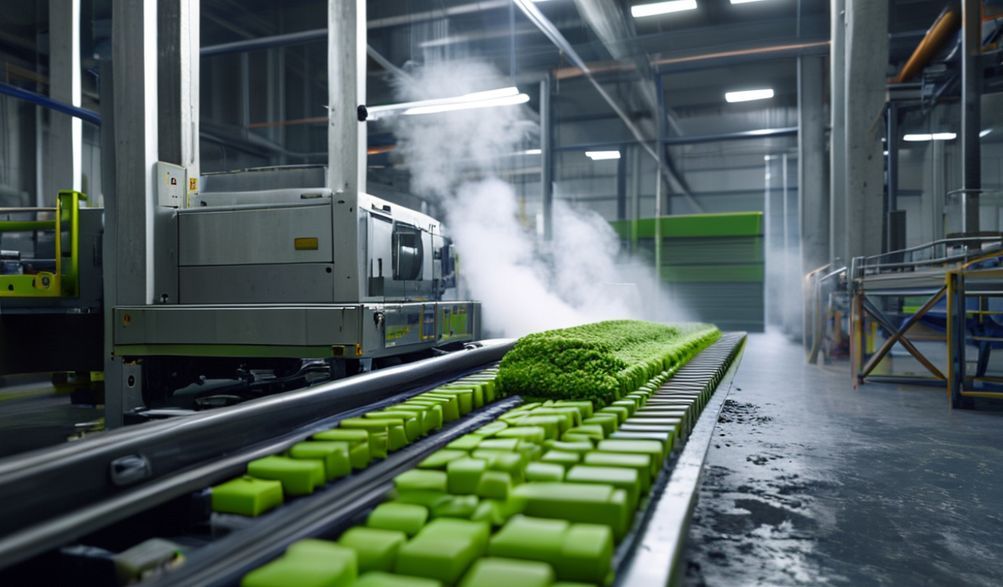
A مصنع صناعة الكتل الآليةهو منشأة صناعية مكرسة للإنتاج المنهجي لوحدات البناء الخرسانية باستخدام معدات ميكانيكية متخصصة. لقد ولت أيام العمل اليدوي البحت؛ حيث تعتمد مصانع اليوم على الآلات لأتمتة عمليات خلط وقولبة وضغط وغالباً معالجة الخرسانة إلى كتل دقيقة وعالية القوة. جوهر هذه العملية هو آلة صنع الكتل، التي تحول الخلطة الخرسانية الخام إلى منتجات نهائية بدرجة من الاتساق والسرعة والكمية لا يمكن للطرق اليدوية مجاراتها.
المنتجات الرئيسية لمصنع الكتل
المصنع المجهز تجهيزًا جيدًا يمكنه تلبية احتياجات السوق المتنوعة من خلال إنتاج مجموعة متنوعة من الكتل:
- الطوب المجوف القياسيالمنتج الأكثر شيوعاً، يتميز بنوى مجوفة تقلل الوزن، وتحسن العزل، وتسمح بمرور حديد التسليح والأنابيب الموصلة.
- كتل صلبة:كتل كثيفة وثقيلة تُستخدم حيثما تكون هناك حاجة إلى قوة ضغط عالية، أو عزل صوتي، أو كتلة ضخمة (مثل الجدران الحاملة، والأساسات).
- بلاطات الرصف والأرصفة الحجرية:تُستخدم في التصميمات الخارجية الصلبة للممرات والمشا ومواقف السيارات وحواف الطرق. تشتهر بمتانتها وجاذبيتها الجمالية.
- الكتل المتشابكة:مصممة لتتلاءم معًا دون ملاط، شائعة الاستخدام في الجدران الاستنادية، حدود الحدائق، وبعض أنظمة البناء.
- الكتل المصممة حسب الطلب:أشكال متخصصة للميزات المعمارية، أو التهوية، أو أنظمة البناء المحددة.
دور الأتمتة: من المصانع اليدوية إلى المصانع الآلية بالكامل
الأتمتة هي الطيف المحدد في هذه الصناعة، مما يؤثر بشكل مباشر على الإنتاج، ومتطلبات العمالة، والاستثمار الرأسمالي.
- الآلات اليدوية/شبه الآلية:يتطلب تدخلًا بشريًا كبيرًا لتغذية الخلطة، وإزالة القوالب من الكتل، ونقل المنصات. مناسب للمشاريع الناشئة الصغيرة جدًا أو الأسواق ذات تكاليف العمالة المنخفضة جدًا. الإنتاج محدود.
- النباتات الآلية بالكامل:تمثل قمة الكفاءة. تتميز هذه الأنظمة المتكاملة بالتشغيل الآلي للدفعات، والخلط، والتشكيل، والمعالجة (غالبًا عبر غرف البخار)، وتداول المنصات، والتراص. يتم التحكم فيها بواسطة وحدات التحكم المنطقية القابلة للبرمجة (PLCs)، وتتطلب حدًا أدنى من العمالة اليدوية، ويمكنها العمل على مدار الساعة طوال أيام الأسبوع، منتجةً آلاف البلوكات في كل وردية بدقة ملحوظة.
الخطوات التخطيطية الحرجة قبل إطلاق مصنعك
يُحدد النجاح في مرحلة التخطيط، فالتسرع في شراء المعدات دون أساس متين هو الخطأ الأكثر شيوعاً والأعلى تكلفة.
دراسة شاملة لأبحاث السوق والجدوى
هذا هو أساس عملك. يجب أن تجيب على أسئلة حاسمة:
- تحليل الطلبما هو النشاط الإنشائي الحالي والمتوقع في منطقتك المستهدفة؟ هل هناك مشاريع بنية تحتية كبرى مخطط لها؟
- المشهد التنافسي:من هم منافسوك؟ وما هي طاقتهم الإنتاجية، ومجموعة منتجاتهم، وجودتها، وأسعارهم؟ حدد الفجوات التي يمكنك سدها.
- تزويد المواد الخاممن أين ستحصل على الأسمنت والرمل والركام؟ قم بتقييم مدى توافرها باستمرار وجودتها وتكاليف نقلها.
- تحديد هوية العميلحدد عملائك الأساسيين: المقاولون الكبار، مناقصات الحكومة، متاجر مواد البناء بالتجزئة، أم مباشرة للمطورين؟
تطوير خطة العمل الاستراتيجية
خطة عمل قوية هي خريطة الطريق الخاصة بك وهي ضرورية للحصول على التمويل. تشمل المكونات الرئيسية:
- ملخص تنفيذي:ملخص موجز للمشروع بأكمله.
- التوقعات المالية: Detailed breakdown of Capital Expenditure (CAPEX: land, machinery, shed) and Operational Expenditure (OPEX: raw materials, labor, utilities, marketing). Include cash flow forecasts and break-even analysis.
- Marketing & Sales Strategy: How you will attract and retain customers.
- Operational Plan: Day-to-day running procedures, management structure, and supply chain logistics.
Location, Land, and Layout (The 3 L’s)
The physical setup of your مصنع صناعة الكتل الآلية is a long-term strategic decision.
- Location Criteria: Prioritize proximity to your target market to minimize transportation costs. Also consider access to raw materials, reliable road networks for inbound/outbound logistics, and availability of utilities (stable electrical supply, water source).
- Land Requirements: A medium-scale plant typically needs 10,000 to 20,000 square feet. This must accommodate the production shed, raw material storage (covered and uncovered), curing area, finished goods yard, and office space.
- Layout Design: The plant layout must enable a smooth, linear workflow to minimize handling and bottlenecks. The classic sequence is: Raw Material Storage -> Batching/Mixing Area -> Machine & Molding Station -> Curing Area -> Testing & Cubing -> Dispatch Yard.
The Heart of the Operation: Block Making Machinery & Equipment
Your machinery is your most critical investment. Choosing correctly is paramount.
Types of Block Making Machines: A Detailed Comparison
- آلات تصنيع البلوك الثابتة: Fixed in place, producing blocks on pallets that are then moved away for curing. They form the core of most factories.
- الآلات الساكنة: High-pressure vibration for dense blocks. Excellent for solid blocks, pavers, and kerbstones.
- آلات وضع البيض: Produce blocks directly on the concrete floor, then “lay” them and move forward. Lower investment but slower and more labor-intensive for block collection.
- خطوط أوتوماتيكية بالكامل Integrated systems with automatic pallet circulation, feeders, and stackers. The gold standard for high-volume production.
- آلات تصنيع الكتل المتنقلة: Self-contained units that can produce blocks directly at a construction site, eliminating transport costs for the final product. Ideal for large, remote projects.
Essential Auxiliary Equipment for a Smooth Workflow
The block machine is just one piece of the puzzle. A efficient factory requires:
- خلاطة الخرسانة: A forced-action pan mixer or planetary mixer is essential for producing a homogeneous, consistent mix.
- أحزمة النقل: To transport raw materials and mixed concrete to the machine hopper.
- Cement Silo: For bulk cement storage, ensuring supply and reducing bag-handling labor.
- Block Curing System: This can be a simple water spraying system or an advanced steam curing chamber that accelerates strength gain in hours.
- التعامل مع المواد: Forklifts, pallet cars, and bobcats for moving raw materials and finished blocks.
Selecting the Right Machine: Capacity, Automation, and Budget
Match your machine to your business plan:
1. السعة: Calculate your target daily output. Machines are rated in “blocks per hour” (e.g., 1,000, 2,000, 10,000). Factor in an 8-hour operational day.
2. مستوى الأتمتة: Balance your budget with available labor skills and desired output consistency. Semi-automatic is a common starting point.
3. الميزانية: Include not just the machine cost, but shipping, installation, and commissioning. Consider reputed brands known for after-sales service and spare part availability.
Raw Materials, Mix Design, and Production Process
Quality blocks begin with quality inputs and a scientifically sound process.
Sourcing Quality Raw Materials: Cement, Aggregates, and Water
- أسمنت: Use a standard, reputable Portland cement (e.g., OPC 43 or 53 grade). Consistency in supplier is key.
- الركام: Sand should be coarse, clean, and free of silt or organic matter. Aggregates (crushed stone) should be hard and durable. Proper grading affects strength and mix efficiency.
- ماء: Must be clean and potable. Impurities can affect setting time and final strength.
- Admixtures: Plasticizers can improve workability and reduce water content, leading to higher early strength.
Mastering Concrete Mix Design for Optimal Blocks
The mix design formula (e.g., 1:4:8 for cement:sand:aggregate) determines the block’s compressive strength, weight, and cost.
* قوة A richer mix (more cement) yields higher strength but increases cost.
* الاتساق Once a design is proven through testing, it must be followed exactly for every batch to ensure uniform product quality. Even small deviations in water content can be detrimental.
The Step-by-Step Production Cycle
- التجميع: Measuring out precise quantities of cement, sand, aggregate, and water.
- خلط: Blending materials thoroughly in the mixer to achieve a uniform, workable concrete.
- التشكيل والضغط: The mix is fed into the machine, vibrated under high pressure in molds to remove air voids and achieve density.
- التداوي The most critical phase. Fresh blocks are kept moist and at a controlled temperature for days (often 14-28 days) to allow the cement to fully hydrate and gain strength.
- Cubing/Palletizing: Cured blocks are stacked on wooden pallets or in cubes for stability.
- Storage & Dispatch: Blocks are stored in a dry area before being dispatched to customers.
Ensuring Quality Control & Building Trust in Your Brand
In construction, trust is your most valuable asset. It is built brick by brick through unwavering quality.
Implementing a Rigorous Quality Control Protocol
- الفحوصات أثناء العملية: Daily checks of raw material quality, mix consistency, wet block weight, and dimensions.
- Finished Product Testing: Regularly test sample blocks for قوة الانضغاط (the primary metric), water absorption, and density in accordance with standards like المواصفة القياسية الأمريكية C90أوIS 2185.
Proper Curing: The Key to Durable, High-Strength Blocks
A block gains most of its strength during curing. Inadequate curing is the leading cause of low-strength, crack-prone blocks. Methods include water sprinkling, steam curing, or covering with wet burlap. The goal is to prevent moisture loss.
Certifications, Standards, and Building Customer Confidence
Adhering to national or international standards isn’t just good practice—it’s a powerful marketing tool. Being able to provide test certificates from a recognized lab builds immense credibility with engineers, architects, and large contractors, allowing you to command a premium price.
The Business Side: Cost, Profitability, and Marketing
Turning a technically sound operation into a financially successful one requires sharp business acumen.
Breakdown of Investment and Operational Costs
| Cost Category | Examples |
| :— | :— |
| Capital Expenditure (CAPEX) | Land, Factory Shed, Block Making Machine, Mixer, Forklift, Office Setup. |
| Operational Expenditure (OPEX) | Raw Materials (Cement, Sand, Aggregate), Labor Wages, Electricity & Water, Fuel, Machine Maintenance, Marketing, Transportation. |
Revenue Streams and Profitability Analysis
- Pricing: Base your price on cost-plus-margin, but be aware of market rates. Value-added products (colored pavers, high-strength blocks) have higher margins.
- Profit Margins: Net profit margins typically range from 15% to 30%. Efficiency in production, direct sales to large buyers (cutting out middlemen), and low raw material waste are key to maximizing this.
- Diversification: Don’t rely on one product. Offer a range (hollow blocks, pavers, kerbs) to cater to different projects and smooth out demand cycles.
Effective Marketing Strategies for a Block Manufacturing Business
- B2B Networking: Actively engage with local contractors, builders, architects, and government tender agencies.
- Digital Presence: A simple, professional website with product specifications and contact details. Claim and optimize your Google Business Profile.
- Physical Marketing: Provide free samples to potential large clients. Use vehicle branding. Ensure your dispatch trucks are clean and branded.
- خدمة ما بعد البيع: Reliable delivery timelines and addressing any customer concerns promptly builds long-term relationships.
Common Challenges & Solutions for Block Factory Owners
Forewarned is forearmed. Here’s how to tackle typical obstacles.
Technical and Operational Hurdles
- Block Breakage: Caused by improper mix (too dry/too wet), inadequate vibration, or premature handling. Solution: Optimize mix design and ensure proper curing before handling.
- Inconsistent Color: Variations in cement batch or sand color. Solution: Source materials from consistent suppliers and maintain precise batching.
- توقف الماكينة عن العمل: Solution: Implement a preventive maintenance schedule and keep critical spare parts in stock.
Market and Financial Challenges
- Raw Material Price Volatility: Solution: Build good relationships with suppliers for better rates. Consider bulk purchasing during low-price periods if storage allows.
- Seasonal Demand: Construction often slows in monsoon/winter. Solution: Use slower periods for maintenance, inventory building, and marketing pushes.
- Cash Flow Management: Clients may delay payments. Solution: Maintain a cash reserve, offer small discounts for prompt payment, and conduct credit checks on new clients.
Sustainability and Environmental Considerations
Modern factories must be responsible. Implement dust control systems (fog cannons, enclosed conveyors), recycle water from the curing process, and explore using recycled aggregates. This not only protects the environment but also aligns with green building trends, opening new market opportunities.
الأسئلة الشائعة (FAQ)
Q1: What is the total investment required to start a medium-scale machine block making factory?
أ: Investment varies widely based on location, automation, and machine origin. A realistic range for a semi-automatic to automatic plant with essential auxiliaries is between $80,000 and $300,000. This includes land, shed, machinery, and initial working capital.
Q2: What is the average profit margin in the concrete block manufacturing business?
أ: After accounting for all costs, a well-managed factory can achieve net profit margins between 15% and 25%. Margins improve significantly with higher efficiency, direct sales, and production of value-added products like paving blocks.
Q3: How much land and manpower is needed for a block plant?
أ: For a medium-scale operation, you will need approximately 10,000 to 20,000 sq. ft. of land. Manpower depends on automation: a semi-automatic plant may require 8-12 workers per shift, while a fully automatic line may need only 3-5 skilled operators and supervisors.
Q4: How do I choose between a stationary and a mobile block making machine?
أ:اخترstationary machine if you are setting up a fixed factory to supply a regional market. Choose a mobile machine if your business model is based on producing blocks directly at large, long-term construction sites, eliminating transport costs for the finished product.
Q5: What are the most common reasons for block cracking and how can it be prevented?
أ: The most common causes are improper curing (allowing blocks to dry too quickly), incorrect water-cement ratio in the mix, and rough handling before sufficient strength is gained. Prevention lies in strict curing protocols (keeping blocks moist for at least 7 days), precise batching, and careful handling post-demolding.
خاتمة
Establishing a successful مصنع صناعة الكتل الآلية is a multifaceted endeavor that blends technical precision with strategic business management. Success hinges not on any single factor, but on the synergy of meticulous planning, intelligent investment in the right machinery, an uncompromising commitment to quality control, and proactive market engagement. As this guide has outlined, it is a viable and profitable venture when grounded in expertise, authoritative manufacturing practices, and a trustworthy operational ethos.
Your next step is to act on this knowledge. Conduct deeper research specific to your locale, consult with reputable equipment suppliers, and engage with existing factory owners if possible. Begin with a solid, detailed business plan. The future of construction is robust, and with trends leaning towards automation, smart factories, and eco-friendly materials, the block manufacturing industry continues to offer a concrete opportunity for growth.
<