
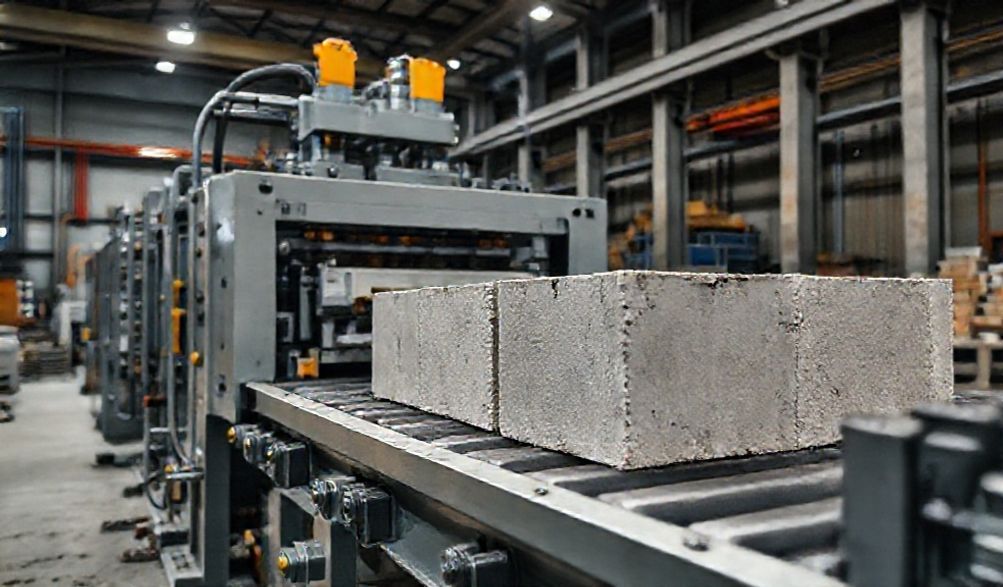
الدليل الشامل لآلات تصنيع البلوك: الأنواع، التكاليف، وكيفية الاختيار
مقدمة
يستهلك قطاع البناء العالمي أكثر من30 مليار طن من الخرسانة سنوياًمع تشكيل الكتل الخرسانية العمود الفقري للعديد من المشاريع السكنية والتجارية والبنية التحتية. بالنسبة لرواد الأعمال والمحترفين في مجال البناء، فإن الاستثمار في آلة تصنيع الكتل يمثل خطوة كبيرة نحو الاستفادة من هذا الطلب المستمر. ومع ذلك، فإن التوجه بين الخيارات العديدة - من المكابس اليدوية البسيطة إلى المصانع الآلية واسعة النطاق - يمكن أن يكون قرارًا تقنيًا وماليًا شاقًا.
هذا الدليل الشامل مُصمم من رؤى الصناعة والمواصفات الفنية وأفضل الممارسات التشغيلية ليكون مصدرك النهائي. سواء كنت صاحب عمل تتطلع إلى التنويع، أو مقاولًا تهدف إلى تحقيق الاكتفاء الذاتي، أو رائد أعمال تدخل سوق مواد البناء، فإن هذا المنشور سيوضح العملية. سنساعدك على فهم أنواع الآلات المختلفة، والعوامل الحاسمة للاختيار، وتحليل استثماري واقعي، والمعرفة التشغيلية اللازمة للنجاح.
المعلومات المقدمة تستند إلى معايير الصناعة العامة وتهدف إلى أغراض تعليمية لتمكين عملية اتخاذ القرارات لديكم. سنتناول:
* المفاهيم الأساسية وتطبيقات آلات تصنيع الكتل.
* A detailed breakdown of machine types, from manual to fully automatic.
* Key factors to consider when choosing the right equipment.
* A transparent look at costs, ROI, and operational economics.
* Essential best practices for operation and maintenance.
* Emerging trends shaping the future of the industry.
Understanding Block Manufacturing Machines: Core Concepts and Applications
Before diving into specifications and costs, it’s crucial to grasp what these machines do and their role in the modern construction ecosystem.
ما هي آلة تصنيع الكتل؟
A block manufacturing machine is a specialized piece of equipment that automates the production of concrete masonry units (CMUs). It does this by compacting a precisely measured mixture of cement, aggregates (like sand or crushed stone), and water into steel molds under high pressure and vibration. The result is dense, uniform blocks that are then cured to gain strength.
The technology has evolved dramatically from simple hand-tamped molds used over a century ago. Today’s machines leverage hydraulics, computer-controlled automation, and sophisticated vibration systems to produce high volumes of consistent, high-quality products with minimal manual labor.
المكونات الرئيسية وكيفية عملها
While complexity varies, most block machines share these core subsystems:
- الخلاط: Where cement, aggregates, and water are combined to create a homogeneous concrete mix.
- Conveyor: Transports the raw mix from the mixer to the machine’s hopper.
- هوبر: The holding chamber that feeds the concrete mix into the mold cavity.
- القالب وطاولة الاهتزاز The heart of the machine. The mold defines the block’s shape, while powerful vibrators on the table compact the mix, removing air pockets for maximum density.
- نظام هيدروليكي/نيوماتيكي Provides the immense pressure (often measured in tons) to compress the mix within the mold.
- لوحة التحكم: The user interface, ranging from simple levers to programmable logic controllers (PLCs) that automate the entire cycle.
- Pallet Handling System: Transfers the freshly molded blocks (still on pallets) to the curing area.
The production cycle follows these general steps:
1. التحزيم والخلط: Raw materials are proportioned and mixed.
2. التشكيل والضغط: The mix is fed into the mold, vibrated, and hydraulically pressed.
3. طرد: The newly formed block is ejected onto a pallet.
4. التداوي Blocks are moved to a controlled area (often a steam chamber) to gain strength through hydration.
5. Stacking & Storage: Cured blocks are stacked and stored for dispatch.
Primary Applications in Construction and Industry
The versatility of these machines is a key advantage. They can produce:
* الكتل المجوفة والكتل الصلبة The standard for load-bearing walls in buildings.
* الأحجار المرصوفة والطوب المتشابك:للممرات والمشايات والتراسات.
* Curb Stones & Landscape Products: For road edging and decorative gardens.
This makes them essential for:
* البناء السكني والتجاري As primary building materials.
* Civil Engineering & Infrastructure: For roads, retaining walls, and drainage.
* تنسيق الحدائق والتنسيق الصلب: Supplying pavers and decorative elements.
* DIY & Hardware Retail: For smaller-scale production and supply.
Types of Block Manufacturing Machines: From Manual to Fully Automatic
Choosing the right machine type is the most critical decision you’ll make. The choice hinges on your required output, budget, and labor availability.
الآلات اليدوية أو التي تعمل باليد
These are the most basic type, requiring an operator to manually fill the mold, engage a lever for compaction, and remove the finished block.
- الناتج النموذجي: 300 – 800 blocks per 8-hour day.
- مثالي لـ: Very small-scale projects, rural areas with low labor costs, NGOs, or startups with extremely limited capital.
- مزايا:
- استثمار أولي منخفض جداً.
- سهل الفهم والإصلاح.
- Minimal infrastructure needed.
- سلبيات:
- عالية الكثافة العمالية وبطيئة للغاية.
- Inconsistent product quality due to human variability.
- Not feasible for commercial production.
آلات شبه آلية
This category strikes a balance, automating the core compaction and vibration process while requiring an operator to feed the mix and initiate cycles.
- الناتج النموذجي: 1,000 – 4,000 blocks per 8-hour day.
- مثالي لـ: Small to medium-sized businesses (SMEs) making a serious entry into the market. It offers a significant productivity boost over manual machines without the complexity of full automation.
- الميزات الرئيسية: Often include a mechanical or hydraulic press, a powered vibrating table, and may have a simple pallet feeder. They represent the most popular choice for first-time factory owners.
آلات أوتوماتيكية بالكامل
These are complete production systems. Once loaded with raw materials, they automate the entire process: batching, mixing, molding, curing, and stacking, often controlled by a central computer.
- الناتج النموذجي: 5,000 to 20,000+ blocks per 8-hour shift.
- مثالي لـ: Large-scale commercial plants supplying regional markets or major construction projects.
- النباتات الثابتة: High-output installations fixed in a factory setting.
- آلات تصنيع الكتل المتنقلة: Self-contained units that can be towed to large project sites (like a new township development) to produce blocks on-location, saving transport costs.
- مزايا:
- Exceptional output and consistent, high-quality products.
- انخفضت متطلبات العمالة بشكل كبير.
- High efficiency and lower per-unit cost at scale.
- سلبيات:
- استثمار رأسمالي مرتفع جداً.
- Requires significant space, stable power, and technical expertise.
- Complex maintenance needs.
Specialized Block Making Machines
Beyond standard blocks, specialized machines cater to niche markets:
* آلات الطوب المتشابك: Produce bricks that lock together without mortar, popular for low-cost housing and pavements.
* Paver Block Machines: Designed for high-frequency vibration and precise finishing for decorative surface products.
* AAC (Autoclaved Aerated Concrete) Block Plants: These are complete chemical-process plants for producing lightweight, insulating blocks, representing a much larger and different investment.
Critical Factors for Choosing the Right Block Machine
Moving beyond type, here are the tangible specifications and considerations that should guide your purchase.
تقييم متطلبات الإنتاج
ابدأ بالإجابة على هذه الأسئلة التأسيسية:
* What is your target daily and monthly output in number of blocks?
* What product mix do you need? (e.g., 60% hollow blocks, 40% pavers)
* What is the available factory space and ceiling height?
* What is your electrical power capacity (3-phase is typically required)?
* What is your budget, including ancillary setup costs?
Machine Specifications to Scrutinize
عند مقارنة النماذج، هذه المواصفات غير قابلة للتفاوض:
* وقت الدورة: How many seconds for one complete press cycle? Faster cycles mean higher output.
* Blocks Per Cycle: Does it produce 4, 6, 10, or more blocks with each press?
* الضغط الهيدروليكي: Measured in tons or MPa. Higher pressure yields denser, stronger blocks.
* Vibration Motor Power & Frequency: Critical for proper compaction. Look for a powerful, forced-vibration system.
* مستوى الأتمتة: Evaluate the control system—PLC-based is best for automatic machines.
* جودة القالب وقابلية التبادل: Molds should be made of hardened, high-grade steel. Check how easily and affordably molds can be changed to produce different products.
جودة البناء والمتانة
The machine’s build directly impacts its lifespan and total cost of ownership.
* إطار: Look for a heavy-duty, welded steel frame that resists the immense forces of operation.
* المكونات الحرجة: Hydraulic cylinders, pumps, and valves should be from reputable brands (e.g., Bosch Rexroth, Parker). Similarly, vibration motors and electrical components (Siemens, Schneider) are indicators of quality.
* A common oversight is underestimating the wear on molds. Investing in high-chrome steel molds might cost more upfront but will last years longer, maintaining product dimensional accuracy.
Supplier Reputation and After-Sales Support
This factor is as important as the machine itself. A cheap machine with no support can become a very expensive paperweight.
* Vet the Supplier: How long have they been in business? Can they provide a list of client references? Do they have a physical office and workshop?
* After-Sales Package: Does the price include installation supervision, operator training, and a detailed parts manual? What is the warranty period and what does it cover?
* توفر قطع الغيار Ensure critical spare parts (hydraulic seals, vibration motors, control boards) are readily available. Long lead times for parts are a primary cause of costly downtime.
Investment Analysis: Cost, ROI, and Operational Economics
A clear-eyed financial view separates a thriving business from a struggling one.
Breakdown of Initial Investment Costs
Costs vary wildly by type and origin (local vs. imported).
* Machine Price Range:
* Manual: $1,000 – $5,000
* Semi-Automatic: $10,000 – $50,000
* Fully Automatic: $50,000 – $500,000+
* Ancillary Costs (Often Forgotten):
* Factory shed construction or rental.
* Machine foundation and leveling.
* Three-phase electrical connection and transformers.
* Raw material storage silos/bins.
* Curing area (racks, steam curing chamber).
* Material handling (forklift, trolleys).
Understanding Operational Costs
Your ongoing expenses will include:
* Raw Materials (~60-70% of cost): Cement, sand, aggregate, pigments.
* العمل Machine operators, mixers, forklift drivers, maintenance staff.
* Utilities: Electricity (a major cost for vibrators and hydraulics), water.
* Maintenance & Spare Parts: Regular lubrication, wear parts, occasional major overhauls.
* Logistics & Overheads: Transport, packaging, administrative costs.
Calculating Potential Return on Investment (ROI)
A simplified model:
1. Estimate Daily Production: e.g., 5,000 blocks.
2. Determine Gross Margin: (Selling Price per Block – Direct Cost per Block). Direct cost includes raw materials and a portion of power/labor for that block.
3. Calculate Daily Gross Profit: (Daily Production x Gross Margin).
4. Factor in Fixed Costs: Rent, salaries, loan repayments, etc.
مثال: If your gross margin is $0.10 per block and you produce 5,000 blocks/day, your daily gross profit is $500. This must cover fixed costs and eventually recoup the initial investment. Profitability is highly sensitive to local market demand, operational efficiency (reducing waste and downtime), and مقياس.
Best Practices for Operation, Maintenance, and Quality Control
Owning the machine is just the beginning. Proper operation is key to profitability.
Setting Up for Success: Installation and Workflow
- Layout is Critical: Design a linear workflow: Raw Material Storage -> Mixing Area -> Machine -> Curing Area -> Finished Product Storage. This minimizes unnecessary movement.
- A common oversight is not allocating enough space for the curing yard. Blocks need to cure for 7-14 days before they can be sold; this requires significant space.
- Foundation: Follow the supplier’s specifications exactly for the concrete foundation. An unlevel base will cause machine misalignment and rapid wear.
Essential Daily and Periodic Maintenance
Proactive care prevents catastrophic failure.
* Daily: Clean all mix residue from the mold, hopper, and mixer. Check hydraulic oil levels and look for leaks. Lubricate all moving parts as per the manual.
* Weekly/Monthly: Inspect hydraulic hoses for wear. Check the tension on vibration motor mounts. Tighten any loose bolts on the frame.
* Annually: Consider changing hydraulic filters and oil. Have a technician inspect the entire electrical and hydraulic system.
Ensuring Consistent Block Quality
Quality issues lose customers and money.
* تصميم الخلطة: Use a consistent, measured recipe. The most common defect (crumbly or cracked blocks) stems from an incorrect water-cement ratio—too dry or too wet.
* Compaction Control: Ensure vibration time and hydraulic pressure are set correctly for the product being made. Insufficient compaction leads to weak blocks.
* Proper Curing: Do not skip curing. Steam curing accelerates strength gain, but even water spraying and covering with plastic sheets is essential for proper hydration and final strength.
The Future of Block Manufacturing: Trends and Sustainability
The industry is not static. Forward-thinking investors should be aware of these trends.
Technological Advancements: IoT and Smart Factories
The next generation of machines includes sensors and connectivity.
* Remote Monitoring: Owners can view real-time production data, machine health, and output counts from a smartphone.
* Predictive Maintenance: The machine can alert you to a failing hydraulic pump or motor bearing before it breaks, scheduling maintenance during a planned stop.
* Data-Driven Optimization: Analyzing production data can reveal inefficiencies in cycle times or mix designs, allowing for continuous improvement.
The Rise of Eco-Friendly Blocks and Machines
Sustainability is a major driver.
* Alternative Raw Materials: Modern machines are being designed to effectively use industrial by-products like fly ash (from coal plants) or slag (from steel production) as partial cement replacements, reducing the carbon footprint.
* Permeable Pavers: There is growing demand for pavers that allow water to drain through, reducing runoff and recharging groundwater. Machines with special molds cater to this market.
* كفاءة الطاقة: New drives and motor systems (like variable frequency drives) are reducing the substantial power consumption of block plants.
الأسئلة الشائعة (FAQ)
Q1: What is the average production capacity of a standard block machine?
أ: There is no single “standard.” Capacity ranges from under 1,000 blocks per day for manual/small semi-automatic machines to over 15,000 blocks per day for large fully automatic plants. Your business plan should define the required capacity.
Q2: Can one machine produce different sizes and types of blocks?
أ: Yes, absolutely. This is achieved by changing the mold in the machine. However, the ease and speed of changeover vary. Manual machines have simple mold swaps, while automatic machines may require more time and technical adjustment to calibrate for a new product.
Q3: What is the most common cause of block defects, and how can it be fixed?
أ: The most frequent issue is an incorrect concrete mix, typically too much or too little water. This leads to poor compaction, weak blocks, or surface cracks. The fix is to strictly control the mix design using weighed batches and consistent quality aggregates. The second major cause is insufficient vibration time or pressure.
Q4: How much space is required to start a block manufacturing business?
أ: You need space for two main areas: the production shed (approx. 2,000 – 5,000 sq ft for a small-medium operation) and the curing/storage yard (a minimum of 5,000 – 10,000 sq ft, often much more). Total land area of 10,000 – 20,000 sq ft is a common starting point.
Q5: Is operating a block manufacturing machine technically complex?
أ: There is a learning curve. While the basic principle is simple, understanding mix designs, machine maintenance, and troubleshooting requires training. This underscores the importance of choosing a supplier that provides comprehensive, hands-on training for your operators and maintenance staff.
خاتمة
Selecting the right block manufacturing machine is a strategic decision that hinges on a clear understanding of your production goals, budget, and local market. From the simplicity of a manual press to the impressive output of a fully automated plant, the correct choice aligns technology with your business ambition.
Remember, the lowest initial price tag is rarely the best value. Prioritize total value, which combines machine durability, energy efficiency, and—most critically—the reliability and support of your supplier. This guide provides the framework; your due diligence is the next step.
Final Advice: If possible, visit the supplier’s manufacturing facility. See the machines being built, ask to speak to their existing customers, and witness a machine in operation. This firsthand experience is invaluable. Use the knowledge here to ask informed questions and consult with qualified technical experts to tailor the decision to your specific project. Your investment today builds the foundation for your success tomorrow.
<