
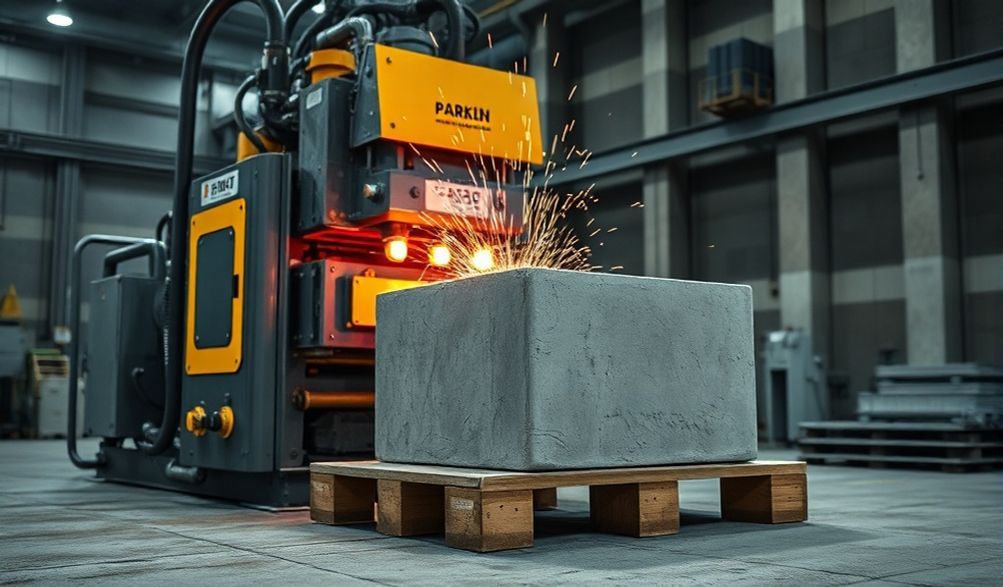
الدليل الشامل لآلة الطوب الهيدروليكية الأوتوماتيكية بقدرة 24 كيلوواط: الطاقة، الأداء، والعائد على الاستثمار
مقدمة
من المتوقع أن يتجاوز سوق مواد البناء العالمية 1.3 تريليون دولار بحلول عام 2030، مدفوعًا بالتحضر المتواصل وتطوير البنية التحتية. ومع ذلك، في صميم هذا النمو تكمن تحدياً مستمراً: الحاجة إلى إنتاج طوب فعال ومتناسق ومنخفض التكلفة. لعقود، عانى المصنعون الصغار والمتوسطون من قيود العمل اليدوي أو الآلات القديمة - مما أدى إلى عدم اتساق الجودة، وتضخم التكاليف التشغيلية، ومعدلات هدر عالية، وصعوبة في التوسع لتلبية الطلب.
الحل الحديث: آلة الطوب الهيدروليكية الأوتوماتيكية. ضمن هذه الفئة، برزت مواصفات محددة كمنطقة مثالية للأداء المتوازن—آلة الطوب الهيدروليكية الأوتوماتيكية بقدرة 24 كيلوواتيمثل هذا التصنيف للطاقة نقطة مثالية حاسمة، حيث يقدم قدرة قوية دون استهلاك مفرط للطاقة، مما يجعله استثماراً أساسياً للعمليات ذات الرؤية المستقبلية.
بناءً على أكثر من عقد من الخبرة الهندسية والتعاون المباشر مع مئات الساحات والمصانع حول العالم، صُمم هذا الدليل لاختراق ضجيج التسويق. سنقوم بتوضيح المواصفات الفنية، وترجمتها إلى إنتاج وأرباح واقعية، ونزودك بالإطار اللازم لاتخاذ قرار استثماري واثق للغاية. بنهاية هذا المقال، ستفهم بوضوح قدرات الماكينة، وتتمكن من حساب عائد الاستثمار المحتمل، ومقارنته بفعالية مع الخيارات الأخرى، ومعرفة الأسئلة الحاسمة التي يجب طرحها على أي مورد قبل الشراء.
فهم وحدة الطاقة ٢٤ كيلوواط: قلب الآلة
التقييم الكهربائي هو المواصفة الأكثر أهمية في ورقة بيانات آلة الطوب، لكنه غالبًا الأقل فهماً. إنه ليس مجرد رقم؛ فهو يحدد شخصية الآلة، وقدرتها، واقتصاديات تشغيلها.
ماذا يعني "نظام هيدروليكي بقدرة 24 كيلووات" حقاً؟
ببساطة، الكيلوواط (kW) هو وحدة للطاقة تساوي 1000 واط. وهو يقيس معدل تحويل الطاقة. في آلة الطوب الهيدروليكية، تدفع هذه الطاقة محركًا كهربائيًا، والذي بدوره يشغل مضخة هيدروليكية.
- دور المضخة الهيدروليكية:هذه المضخة تولد تدفقاً (يقاس بالجالون في الدقيقة – GPM أو اللتر في الدقيقة – LPM) وضغطاً (يقاس بالرطل لكل بوصة مربعة – PSI أو البار). يمكن اعتبارها قلب الآلة، حيث تدور الزيت الهيدروليكي لتوليد قوة هائلة.
- دلالة الـ 24 كيلوواط:يشير نظام بقدرة 24 كيلوواط إلى وحدة طاقة قوية متوسطة المدى. فهو يولد تدفقًا كافيًا، والأهم من ذلك، يحافظ على الضغط العالي (عادةً 21-31 ميجاباسكال / 3000-4500 رطل لكل بوصة مربعة) المطلوب لضغط المواد الخام إلى طوب كثيف عالي القوة باستمرار. تم تصميم هذا المستوى من الطاقة للتعامل مع خلطات الخرسانة القياسية، بما في تلك التي تحتوي على منتجات ثانوية صناعية مثل الرماد المتطاير، دون إجهاد.
مزايا محرك هيدروليكي بقدرة 24 كيلوواط
اختيار آلة بهذا الملف الطاقة المحدد ليس اعتباطياً. إنه يأتي بمزايا تشغيلية متميزة تؤثر مباشرة على أرباحك النهائية.
- إخراج متسق وعالي الجودةيوفر النظام الهيدروليكي ضغطًا موحدًا طوال دورة الضغط. وهذا يلغي النقاط الضعيفة ويضمن أن كل لبنة، من الأولى إلى الألف، تتمتع بكثافة وقوة ضغط متطابقة، مستوفية أو متجاوزة معايير ASTM أو IS.
- سرعة الإنتاج المُحسَّنةيوفر المحرك بقدرة 24 كيلوواط طاقة وفيرة لدورة تشغيل سريعة وموثوقة – من التغذية والضغط إلى القذف وإعادة المنصة. وهذا يوازن بين السرعة والاستقرار، مما يمنع الدورات المتعجلة التي قد تؤدي إلى تآكل أو عيوب.
- الكفاءة الذاتية في استهلاك الطاقةبالنسبة لفئة إنتاجها، فإن آلة بقدرة 24 كيلوواط تتمتع بكفاءة ملحوظة. فهي قوية بما يكفي لتجنب العمل تحت حمل أقصى مستمر (وهو أمر غير فعال)، ولكنها ليست مفرطة الحجم لدرجة تهدر الطاقة خلال فترات الخمول. تُظهر بياناتنا الميدانية أن نظامًا مضبوطًا جيدًا بقدرة 24 كيلوواط يعمل غالبًا عند 60-80% من حمله المتصل خلال دورة تشغيل قياسية.
- متانة محسّنة: A properly sized hydraulic system operates within its optimal performance envelope. This reduces thermal stress, minimizes pressure spikes, and leads to less wear on seals, hoses, and pumps, translating to lower long-term maintenance costs and higher uptime.
Key Features and Specifications of a 24 kW Automatic Brick Machine
Beyond the power unit, the machine’s overall design dictates its reliability and versatility. Here’s what you should expect from a quality 24 kW hydraulic brick machine.
Core Production Specifications
These numbers define what the machine can do for your business.
- سعة الإخراج A standard 24 kW machine can produce approximately 1,800 to 2,800 pieces per hour of common hollow blocks (e.g., 400x200x200mm). Output varies based on brick size and density.
- أنواع الطوب وأحجامه: Versatility is key. The machine should be compatible with a wide range of mold types via a quick-change system:
- Hollow Blocks (4″, 5″, 6″)
- Solid Concrete Bricks
- Interlocking Pavers & Grass Pavers
- Kerbstones and Landscape Blocks
- وقت الدورة: Expect a cycle time between 12 to 20 seconds, depending on block type and machine configuration.
- مستوى الأتمتة: True “automatic” operation is governed by a Programmable Logic Controller (PLC).
- The PLC automates the entire pressing cycle, vibration timing, and pallet movement.
- Systems often include an automatic feeder for consistent material volume and a synchronized pallet circulation system for non-stop production.
Build and Design Specifications
These features determine how long and how well the machine will perform.
- الإطار والهيكل: Look for a fully welded, heavy-duty steel frame with reinforced stress points. This minimizes frame flex and vibration during operation, which is critical for precision and longevity.
- Hydraulic Components: The quality of the hydraulic system is non-negotiable. Reputable machines use branded pumps (e.g., Rexroth, Kawasaki, Yuken) and precision control valves. Large-bore, hard-chromed hydraulic cylinders ensure smooth, powerful compression.
- نظام الاهتزاز: A separate, high-frequency vibration motor (often 7.5-11 kW) is mounted on the mold table. This dual-force system—vibration for material settling and hydraulic pressure for final compaction—is what creates a perfectly dense, smooth-faced brick.
- Electrical System: The control cabinet should be IP-rated for dust protection and contain quality contactors and relays. Safety features must include emergency stop buttons, motor overload protection, and hydraulic pressure safety valves.
Ideal Applications and Production Output
Who stands to gain the most from this specific machine? Our experience shows it perfectly aligns with several business models.
Who is This Machine Perfect For?
- Growing Brick Manufacturing Plants: Small to medium-scale plants looking to upgrade from semi-automatic equipment or expand their production capacity with a reliable, automated workhorse.
- Integrated Construction Companies: Builders and developers who want to produce bricks on-site for their projects, ensuring quality control, reducing material logistics costs, and creating a potential new revenue stream.
- Industrial Entrepreneurs: Investors entering the construction materials sector who need a machine that offers a compelling balance between initial investment and scalable output potential.
- Municipal & Infrastructure Contractors: Ideal for producing specific pavers, curbstones, or retaining wall blocks for road, park, and civil projects.
Calculating Your Potential Production
A simple, conservative calculation can help you forecast output.
Basic Formula:
[Bricks per Hour] x [Effective Operating Hours per Day] x [Working Days per Month] = Estimated Monthly Output
Example for a 24 kW Machine:
* Bricks/Hour: 2,200 (for standard hollow blocks)
* Operating Hours/Day: 16 (2 shifts)
* Working Days/Month: 25
* Estimated Monthly Output: 2,200 x 16 x 25 = 880,000 pieces
Critical Real-World Factors:
* المواد الخام The grading and moisture content of your sand, aggregate, and cement directly affect flow and compaction speed.
* Operator Skill: Trained operators who can manage the mix, monitor the machine, and perform basic troubleshooting are essential for sustained output.
* الصيانة الوقائية: A disciplined daily and weekly maintenance routine prevents unexpected downtime.
Comparing Your Options: 24 kW vs. Other Power Ratings
Choosing the right power is about matching the machine to your specific raw materials and business goals. Here’s a balanced comparison.
24 kW vs. Lower Power (e.g., 15-18 kW) Machines
- Pros of 24 kW: Significantly higher production output and faster cycle times. Much better suited for producing high-density blocks (e.g., paver blocks) or using harder, coarse aggregates. Offers more “headroom” for consistent performance under load.
- Cons of 24 kW: Higher initial purchase price and marginally higher energy consumption per hour (though often more efficient per brick produced).
24 kW vs. Higher Power (e.g., 30-37 kW) Machines
- Pros of 24 kW: Superior energy efficiency for the output range of most small-to-medium plants. Lower operational cost (OpEx) per month. The power is perfectly adequate for 90% of common brick and block types, making the extra cost of a larger machine unnecessary for many.
- Cons of 24 kW: Has a lower maximum output ceiling. It may not be the ideal choice if your primary business is manufacturing ultra-high-density, thick-walled specialty products that require extreme compaction force.
Investment Analysis: Cost, ROI, and Operational Economics
Let’s translate technical specs into financials. Transparency here is key to building a viable business case.
Understanding the Total Investment
The machine price is just one part of the capital outlay.
- Machine Price Range: A quality 24 kW hydraulic automatic brick machine from a reputable manufacturer typically falls within a $45,000 – $75,000 range, depending on configuration, brand, and level of automation.
- المعدات المساعدة: For a complete production line, budget for:
- Pan Mixer or Planetary Mixer
- Belt Conveyor for material feeding
- Brick Curing Racks or Curing Chamber
- Brick Stacker/Palletizer (can be manual or automatic)
- التثبيت والتدريب: Factor in costs for foundation work, electrical connection, and commissioning. Reputable suppliers include basic on-site training in the purchase price.
Calculating Return on Investment (ROI)
A simplified, conservative projection illustrates the potential.
Sample 24 kW Machine ROI Scenario:
- Monthly Production: 800,000 hollow blocks (conservative estimate).
- Revenue (@ $0.20 per block): $160,000
- Monthly Operational Costs:
- Raw Materials (Cement, Sand, Aggregate): ~$0.12 per block = $96,000
- Energy: Machine (24kW @ 70% load, 16 hrs) + Mixer & Conveyor = ~$1,500
- Labor (3 operators): ~$4,500
- Maintenance & Misc.: ~$1,000
- Total Monthly Cost: ~$103,000
- Estimated Monthly Gross Profit: $160,000 – $103,000 = $57,000
ROI Timeline: With a total line investment of ~$100,000, the machine could pay for itself in under 2 months of full operation, excluding land and building costs. This is an aggressive best-case scenario; a more conservative and realistic timeline, accounting for market fluctuations and ramp-up time, is often 4-8 months.
Critical Buying Guide: How to Choose a Quality Machine
Your relationship with the manufacturer is as important as the machine itself. Here’s a checklist from our experience.
Manufacturer Credentials Checklist
- سجل حافل: Look for a company with at least 10-15 years of dedicated manufacturing experience. Ask for their business license and export history.
- Technical & After-Sales Support: Do they have in-house engineers? What is their response time for spare parts requests? Is on-site service available in your region?
- محفظة العميل: Request references or case studies from clients in a similar climate or using similar raw materials as you.
Must-Ask Questions Before You Buy
- “What is the exact warranty period, and what components are covered?” (A comprehensive warranty should cover the frame, hydraulic system, and electrical controls for 1-2 years).
- “Can you provide a list of recommended spare parts with pricing, and what is the typical delivery time to my country?”
- “Can we arrange a live video production test from your factory, using a mold similar to what I need?” (This verifies performance claims).
- “Does the electrical system comply with IEC/CE standards, and can you provide the test certificates?”
الأسئلة الشائعة (FAQ)
Q1: What is the actual power consumption per hour for a 24 kW machine?
أ: The machine does not constantly draw 24 kW. The hydraulic pump loads and unloads during the cycle. Actual average consumption is typically 60-80% of the rated power, so between 14.4 to 19.2 kWh. Your exact cost depends on your local electricity tariff.
Q2: Can this machine use fly ash or other waste materials?
أ: Absolutely. In fact, modern hydraulic machines are excellent for using industrial by-products. Fly ash, slag, and even certain construction wastes can be incorporated into the mix, reducing material costs and creating more environmentally sustainable products.
Q3: How many operators are needed to run this machine?
أ: For the core machine operation (monitoring, basic pallet handling, stacking), 2-3 people per shift are typically sufficient. If you invest in fully automatic pallet feeders and brick stackers, this number can be reduced.
Q4: What is the lead time for delivery and installation?
أ: This varies by manufacturer order book and shipping distance. For a standard machine, you should expect a production lead time of 30-45 days, plus 15-45 days for sea shipping and customs clearance. Always get a written timeline in your contract.
Q5: Is training provided for our operators?
أ: Any reputable supplier will include comprehensive on-site training as part of the purchase. This should cover safe operation, daily maintenance procedures, basic troubleshooting, and mold changing techniques.
خاتمة
The 24 kW hydraulic automatic brick machine stands out as a strategic investment for businesses aiming to scale their production with intelligence. It delivers the perfect equilibrium of power, efficiency, and reliability, capable of producing high-quality, consistent bricks that build not just structures, but a formidable market reputation.
Its value proposition is clear: robust performance for its class, manageable operational costs, and the automation needed to compete in today’s market. If your goal is to move beyond labor-intensive methods or to sensibly expand your production capacity, this machine is engineered to be the reliable workhorse at the center of your success.
Ready to move from research to action?
* For the Decisive Buyer: Contact our engineering team today with your specific production goals and local material analysis. We will provide a customized line configuration, a detailed quotation, and a projected ROI analysis tailored to your market.
* For the Detailed Researcher: Download our comprehensive technical dossier on the 24 kW series, including full specification sheets, component lists, and video case studies from installations in regions similar to yours.
We are committed to more than just selling machinery; we partner with our clients to ensure their investment delivers lasting productivity and profit, backed by unwavering technical support and a foundation of trust built over years of shared success.
<