
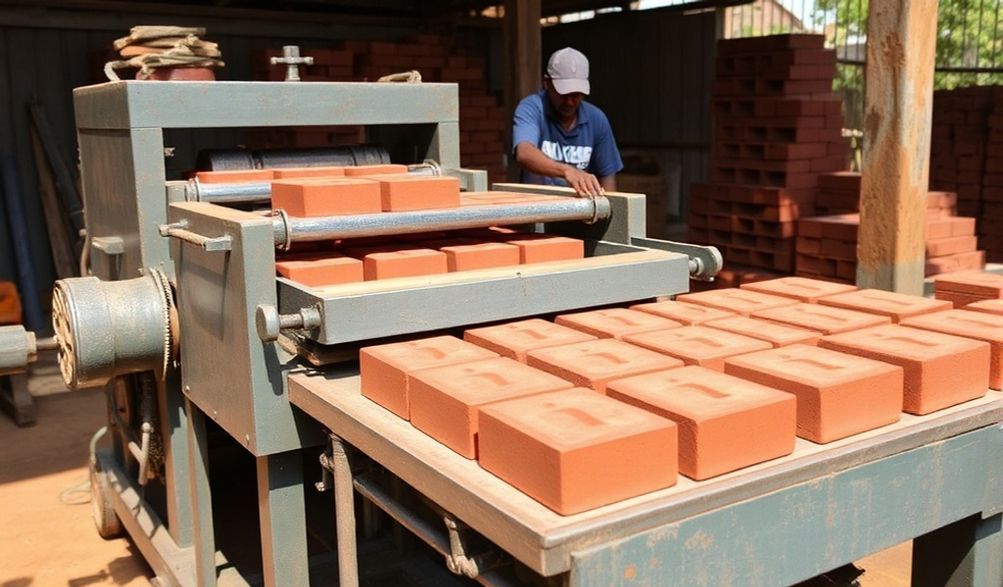
دليلك الشامل لشراء آلات صنع الطوب الطيني المعروضة للبيع في نيروبي، كينيا
مقدمة
أفق نيروبي هو شاهد على طفرة بناء لا تظهر أي علامات على التباطؤ. من المراكز التجارية الشاهقة في "أبر هيل" إلى المجمعات السكنية الممتدة في كيتينجيلا ونهر آثي، فإن الطلب الكيني على مواد البناء عالية الجودة وبأسعار معقولة لم يكن أعلى من أي وقت مضى. وفي صميم هذا النمو يكمن مكون أساسي: الطوب الطيني المتواضع.
ومع ذلك، بالنسبة للعديد من رواد الأعمال والبنائين، فإن الاعتماد على إنتاج الطوب التقليدي اليدوي يشكل عقبات كبيرة. فعدم الانتظام في الحجم والمتانة، ومتطلبات العمل المجهد، والإنتاج المنخفض المؤلم، يمكن أن تعطل الجداول الزمنية للمشاريع وتقضي على هوامش الربح. هذه التحديات ليست مجرد إزعاجات؛ بل هي حواجز أمام توسيع نطاق الأعمال والمساهمة بفعالية في تحقيق أهداف التنمية في كينيا.
الحل واضح: تحديث الإنتاج باستخدام آلة صنع الطوب الطيني. هذا لا يتعلق فقط باستبدال القوى العاملة بالآلات؛ بل يتعلق باعتماد الكفاءة، والقابلية للتوسع، والجودة الفائقة. بالنسبة للمقاول الذكي، أو رائد الأعمال الطموح، أو شركة البناء ذات الرؤية المستقبلية، فإن الاستثمار في المعدات المناسبة هو الخطوة الأولى نحو تحويل المشروع.
هذا الدليل مبني على رؤى من الصناعة، والتحليل الفني، وفهم عميق للسوق المحلية في نيروبي وكينيا. هدفنا هو تزويدك بمصدر موثوق وشامل لمساعدتك في اتخاذ قرار الشراء بثقة. سنتعمق في أنواعآلات صنع الطوب الطيني للبيع في كينيامع التركيز على سوق نيروبي، نقوم بتفكيك الاعتبارات الشرائية الحرجة، وتقييم الموردين، وتزويدك بالمعرفة اللازمة لاختيار الآلة المثالية لاحتياجاتك وتطلعاتك المحددة.
فهم آلات صنع الطوب الطيني: الأنواع والتقنيات
قبل زيارة مورد في المنطقة الصناعية أو على طول طريق مومباسا، من الضروري فهم المشهد الآلي. معرفة الأنواع المختلفة، وكيفية عملها، وتطبيقاتها المثالية ستمنعك من الشراء المفرط أو الاستثمار غير الكافي.
الآلات اليدوية مقابل الآلات شبه الأوتوماتيكية مقابل الآلات الأوتوماتيكية بالكامل لصناعة الطوب
مستوى الأتمتة هو المميز الأساسي، مما يؤثر بشكل مباشر على التكلفة والإنتاج والعمالة.
-
آلات صناعة الطوب اليدوية:
- كيف تعمل:تعمل بالكامل باليد البشرية باستخدام آلية رافعة لضغط خليط الطين في القالب.
- التكلفة:أقل استثمار أولي (عادةً 50,000 - 200,000 شلن كيني).
- الإخراج:منخفض (حوالي 500 إلى 1500 طوبة في اليوم لمدة 8 ساعات).
- العملعالية – تتطلب جهدًا بدنيًا كبيرًا من عدة مشغلين.
- مثالي لـ:المشاريع متناهية الصغر، أو المشاريع المجتمعية، أو الشركات الناشئة التي تختبر السوق برأس مال محدود للغاية. الإنتاج غالبًا ما يكون للاستخدام الشخصي أو للمبيعات المحلية الصغيرة جدًا.
-
آلات صناعة الطوب شبه الأوتوماتيكية:
- كيف تعمل:استخدم محركًا كهربائيًا أو ديزل لتشغيل الضغط (الهيدروليكي أو الميكانيكي)، لكن إزالة الطوب والتغذية ووضع البليت تتم يدويًا.
- التكلفة:استثمار متوسط (300,000 – 1.5 مليون+ شلن كيني).
- الإخراج:متوسط إلى مرتفع (1500 – 5000+ طوبة في اليوم لمدة 8 ساعات).
- العمل Moderate – requires 2-4 operators for feeding, removal, and stacking.
- مثالي لـ: The vast majority of small to medium-sized enterprises (SMEs) in Kenya. They offer an excellent balance of affordability, increased output, and better brick quality, making them the most popular choice for growing businesses.
-
آلات صناعة الطوب الأوتوماتيكية بالكامل:
- كيف تعمل: Computer-controlled systems that automate the entire process—feeding, compression, molding, and stacking—often via a conveyor belt system.
- التكلفة: High upfront investment (KES 2.5 million and far above).
- الإخراج: Very High (10,000 – 30,000+ bricks per 8-hour day).
- العمل Low – primarily for supervision, monitoring, and maintenance.
- مثالي لـ: Large-scale commercial brick yards, major construction firms supplying big projects, or investors aiming for mass production. They offer maximum efficiency but require significant capital and stable, high-capacity power supply.
Key Machine Types Available in the Kenyan Market
Beyond automation, machines function differently. Here are the main technologies you’ll encounter:
- آلات بثق الطوب الطيني: These machines force prepared clay through a shaped die (extrusion chamber) under high pressure to form a continuous column of clay, which is then cut into individual bricks by wires. They are excellent for producing solid, perforated, or hollow blocks with high consistency. Popular for their continuous output.
- مكابس الهيدروليك: These use immense hydraulic pressure to compress clay into a mold, producing very high-density and precise bricks. They are often used for paving bricks, interlocking blocks, and bricks that require sharp edges and high compressive strength. They excel at quality over sheer speed.
- آلات الطوب المتشابك: A specialized type, often hydraulic, that produces bricks with designed ridges and grooves. These bricks lock together without mortar, reducing construction time and material costs. They are gaining massive popularity in Kenya for sustainable, cost-effective building, especially in affordable housing projects.
The Brick Production Process: From Raw Clay to Finished Product
A machine is just one part of the system. Understanding the full process highlights what else you might need:
1. تحضير المواد الخام: Clay is excavated, cleaned of debris, and crushed (using a crusher) to a fine consistency.
2. خلط: The crushed clay is mixed with a small amount of water (and sometimes sand or other additives) to achieve the right plasticity. A pan mixer is commonly used.
3. التشكيل/القولبة This is where your brick making machine comes in. It shapes the mixed clay into brick form.
4. التجفيف (المعالجة). The wet “green” bricks are carefully stacked and air-dried under shade for 7-14 days to remove moisture slowly and prevent cracking.
5. Firing (Optional): For fired clay bricks, the dried bricks are baked in a kiln at high temperatures. Many machine-made blocks in Kenya are “stabilized” and gain sufficient strength through proper curing alone, especially when using a hydraulic press.
Why Invest in a Brick Making Machine in Nairobi?
The decision to invest is strategic. It’s about aligning with national growth and securing a profitable future for your business.
Meeting Kenya’s Construction and Affordable Housing Demand
The demand driver is undeniable. The Kenyan government’s Affordable Housing Agenda, a key pillar of the Big Four Agenda, aims to deliver hundreds of thousands of units. This, coupled with relentless private sector development in Nairobi, Nakuru, Mombasa, and other urban centers, has created an insatiable need for standardized building materials. As a brick producer, you position yourself as a critical supplier to this national priority.
Economic Advantages: Cost Savings and Business Profitability
Let’s talk numbers. While the initial outlay is significant, the return on investment (ROI) is compelling.
* Reduced Cost Per Brick: Manual production is labor-intensive. A machine dramatically reduces the labor cost embedded in each brick, increasing your margin.
* Control & Scalability: You control your production schedule, quality, and supply chain. No more delays from unreliable suppliers. You can scale output up or down based on demand.
* Diversified Revenue: You can produce different brick types (standard, interlocking, paving) for different markets, from individual homeowners to large contractors.
Quality and Consistency: Building to Kenyan Standards
This is a critical advantage. Handmade bricks often vary in dimensions and strength, leading to wastage, thicker mortar joints, and potential structural concerns. A quality machine produces bricks that consistently meet the Kenya Bureau of Standards (KEBS) specifications for size, compressive strength, and water absorption. This consistency makes your product trusted and preferred for serious construction projects, allowing you to command better prices and secure larger contracts.
Critical Factors Before You Buy: A Buyer’s Checklist
Jumping in without proper planning is the biggest mistake you can make. Use this checklist to guide your evaluation.
Assessing Your Production Needs: Capacity and Scale
Don’t just buy the biggest machine you can afford. Ask:
* What is my current and projected demand? (Bricks per month)
* Who are my target customers? (Individual builders, contractors, government projects?)
* Calculate the machine’s output in الطوب في الساعة (e.g., cycles per hour x bricks per cycle). Does it match your needs with room for growth? A machine running at 50% capacity is better than one that is overwhelmed 100% of the time.
Raw Material Compatibility: Clay Soil Testing in Kenya
Not all clay is equal. The success of your operation hinges on your raw material.
* Test Your Soil: Before buying any machine, have your local clay tested. Services are available from institutions like the University of Nairobi’s Department of Geology or private geotechnical labs.
* What’s tested: Plasticity, shrinkage, and composition. The results will tell you if your clay is suitable or needs simple additives (like sand or a stabilizer) to work optimally with your chosen machine. This small upfront cost can save you from catastrophic failure.
Power Requirements: Electrical, Diesel, or Hybrid?
Consider Nairobi’s and your specific location’s power context.
* Electrical Machines: Cleaner, quieter, and lower operating cost where grid power is stable. Vulnerable to blackouts.
* Diesel Machines: Higher fuel cost but offer complete independence from the grid. Essential for areas with unreliable power.
* Hybrid Machines: Offer the flexibility to switch between power sources, providing a valuable backup. This is often a wise choice for many Kenyan businesses.
Space, Installation, and After-Sales Support
The machine isn’t the whole story.
* الفضاء You need ample space for the machine, raw material storage, brick drying yards, and finished product storage. Plan for it.
* Installation: Will the supplier deliver, install, and commission the machine? This is a standard expectation from reputable dealers.
* دعم ما بعد البيع This is non-negotiable. Confirm:
* Availability of a local service team and spare parts inventory in Kenya.
* Warranty period and terms.
* Provision of comprehensive hands-on training for your operators on use, maintenance, and mix formulation.
Finding Reliable Suppliers of Brick Machines in Nairobi
Your supplier is your long-term partner. Choosing wisely is as important as choosing the right machine.
Local Distributors vs. Direct Import: Pros and Cons
- Local Distributors/Agents (in areas like Industrial Area, Ruiru, or along Mombasa Road):
- مزايا: Local showrooms for demos, faster delivery and installation, readily available spare parts, local technical support, understanding of Kenyan conditions. They handle customs and logistics.
- سلبيات: Price may include a markup for their services.
- Direct Import from International Manufacturers (e.g., China, India):
- مزايا: Potentially lower initial equipment cost.
- سلبيات: High logistical complexity (shipping, customs, taxes), difficult to verify quality beforehand, massive challenges with after-sales support, long delays for spare parts. The risk is significantly higher.
For most Kenyan buyers, a reputable local supplier is strongly recommended.
Evaluating a Supplier’s Reputation and Credibility
Do your due diligence:
* Physical Visit: Insist on visiting their workshop or showroom in Nairobi. See the machines, ask for a live demonstration.
* سجل حافل: How many years have they been operating in Kenya? Ask for a list of past clients, preferably with Kenyan contacts you can call.
* Service Capacity: Do they have a dedicated service vehicle and technicians? Can you see their spare parts store?
* Transparency: Are they open about pricing, warranty, and limitations?
Key Questions to Ask Your Supplier
Go armed with these questions:
1. “Can you provide a list of at least three current Kenyan clients I can speak to?”
2. “What is included in the delivery price? (Installation, training, initial spare parts kit?)”
3. “What is the lead time for critical spare parts if they are not in stock?”
4. “Do you offer operator training, and for how many people? Is it at my site?”
5. “What is the warranty period, and what exactly does it cover?”
Maximizing Your Investment: Operation and Maintenance Tips
Protect your investment with proper care and operation from day one.
Essential Accessories and Safety Equipment
Your machine needs a supporting cast:
* خلاط/المطحنة: For consistent clay preparation.
* Crusher: To break down raw clay lumps.
* Brick Pallets/Sheets: For carrying and drying green bricks.
* Safety Gear: Gloves, safety glasses, and sturdy boots for all operators.
Routine Maintenance Schedule for Longevity
A little regular care prevents major breakdowns:
* Daily: Clean the molds and machine surfaces of caked clay. Check for loose bolts and nuts.
* Weekly: Lubricate all moving parts (grease nipples, gears) as per the manual. Check hydraulic oil levels.
* Monthly: Inspect wear parts like mold liners, extrusion augers, or press plates for signs of excessive wear.
Troubleshooting Common Operational Issues
- Cracked Bricks: Usually caused by clay that is too dry or uneven drying (curing). Re-check your mix moisture and ensure bricks are dried under shade, protected from direct sun and wind initially.
- Poor Extrusion or Sticking: Clay mix may be too wet or the extrusion chamber/ mold needs lubrication or cleaning.
- Machine Losing Power: Check power supply (for electric) or fuel/air filters (for diesel). For hydraulic machines, check oil level and for leaks.
Frequently Asked Questions (FAQ) About Clay Brick Machines in Kenya
Q1: What is the price range for a clay brick making machine in Nairobi?
أ: Prices vary dramatically. A simple manual machine can start from around KES 50,000. A robust semi-automatic machine suitable for a SME typically ranges between KES 400,000 and KES 1.2 million. Large, fully automatic lines can cost KES 3 million and above. Never choose on price alone—consider total value, support, and ROI.
Q2: Can I use locally available clay, or do I need special additives?
أ: Most regions in Kenya have suitable clay. However, a professional soil test is essential. It will confirm suitability and tell you if you need simple, readily available additives (like sand to reduce plasticity or a little cement for stabilization) to create the perfect mix for strong, durable bricks.
Q3: What kind of training is required to operate these machines?
أ: Reputable suppliers provide comprehensive hands-on training covering machine operation, safety procedures, daily maintenance, and crucially, clay mix formulation. This training is often conducted at your site after installation and is key to your success.
Q4: Are there financing options available for purchasing a machine?
أ: Yes. Many established local suppliers have partnerships with financial institutions to offer asset financing or leasing plans. This can make the investment more accessible. Be sure to inquire directly with suppliers about available options.
Q5: How do I ensure the bricks meet Kenyan quality standards?
أ: First, use a quality machine correctly calibrated. Second, follow the recommended clay preparation and curing processes meticulously. For formal verification, especially when supplying large tenders, you can submit sample bricks to a KEBS-certified laboratory for compressive strength and water absorption tests.
خاتمة
Investing in a clay brick making machine in Nairobi is a significant step toward building a resilient, profitable business in Kenya’s vibrant construction sector. This journey begins with understanding the technology—from manual presses to fully automatic lines—and honestly assessing your production needs and raw materials. It demands careful vetting of suppliers, prioritizing those with proven local support and training. Finally, it requires a commitment to proper operation and maintenance to protect your investment.
This guide has been crafted to provide the expert-level, practical knowledge you need to make an informed and confident decision. Remember, you’re not just purchasing a piece of equipment; you’re acquiring a tool to build Kenya’s future—one consistent, high-quality brick at a time. You’re securing a path toward business growth, job creation, and contributing meaningfully to the nation’s infrastructure and housing goals.
Use this guide as your checklist when you visit suppliers in Industrial Area or schedule those demos. And when you’re ready to take the next step, we encourage you to reach out to a recommended local expert. Schedule a consultation, request a live machine demonstration, and see firsthand how the right technology can transform your business potential.
<