
مقدمة
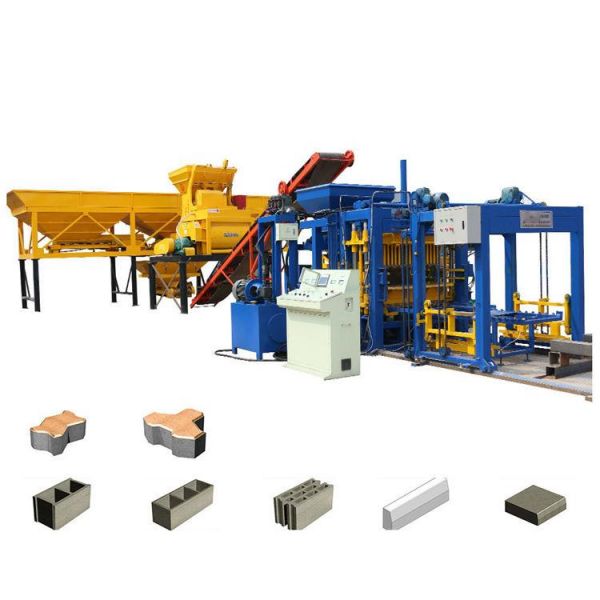
في سلسلة التوريد العالمية لمعدات البناء، فإن مصنع آلات صنع الطوب هو أكثر بكثير من مجرد منشأة إنتاج؛ فهو منبع الجودة والابتكار والموثوقية. بالنسبة للموزعين والتجار ومتخصصي المشتريات، فإن اختيار شريك تصنيع يُعد من أكثر القرارات الاستراتيجية أهمية التي ستحدد نجاح السوق لسنوات قادمة. هذا القرار يتجاوز المقارنات السعرية البسيطة ويتعمق في جوهر الفلسفة التصنيعية والقدرة التكنولوجية وإمكانيات الشراكة طويلة الأجل. المصنع ليس مجرد مصدر للمنتجات؛ بل هو نظام بيئي من الخبرة الهندسية ومراقبة الجودة والدعم ما بعد البيع.
تشريح منشأة تصنيع عالمية المستوى
نتاج المصنع هو انعكاس مباشر لمدخلاته - من بنيته التحتية وعملياته وقوة العمل. إن فهم التركيبة الداخلية لشريك تصنيع محتمل هو الخطوة الأولى في عملية اختيار دقيقة.
مختبرات البحث والتطوير والنماذج الأولية
عصب الحياة لأي مصنع يتطلع إلى الأمام هو التزامه بالابتكار. إن وجود قسم بحث وتطوير مخصص هو مؤشر واضح على التزام الشركة المصنعة بالمستقبل.
- تطور المنتجابحث عن أدلة على التحسين المستمر. يشمل ذلك تطوير أنظمة هيدروليكية أكثر كفاءة، ودمج أنظمة تحكم ذكية قائمة على إنترنت الأشياء للرصد عن بُعد، وإنشاء تصاميم قوالب جديدة لملامح طوب مبتكرة مثل الكتل فائقة العزل أو ذات التصميمات المعمارية المعقدة.
- اختبار علوم المواد:تدير مصنع متطور مختبراً لاختبار المواد الخام، سواءً تلك المستخدمة في الطوب (مثل خليط التربة، الأسمنت، رماد الفحم) أو مكونات الآلات نفسها (مثل سبائك الصلب، توافق سوائل الهيدروليك، مقاومة تآكل مواد القوالب). يضمن هذا المنهج العلمي متانة المنتج وأداءه.
- النمذجة الأولية والتحقق:قبل أن يدخل التصميم مرحلة الإنتاج الضخم، يجب أن يمر بمرحلة نموذج أولي صارمة. وهذا يتضمن بناء نموذج عمل، واختباره تحت ضغوط تتجاوز بكثير الحدود التشغيلية العادية، والتكرار في التصميم للقضاء على نقاط الفشل المحتملة. هذه العملية تقلل من مخاطر استثمارك.
طابق الإنتاج: الدقة وسير العمل
خط التجميع هو المكان الذي تتحول فيه التصاميم إلى أصول ملموسة. إن التنظيم والتكنولوجيا المستخدمة في أرضية الإنتاج مؤشرات دالة على جودة المنتج النهائي.
- التصنيع بمساعدة الحاسوب (CAM):يعد استخدام قواطع الليزر CNC (التحكم العددي بالكمبيوتر)، وقواطع البلازما، ومراكز التشغيل الآلي أمراً بالغ الأهمية. تضمن هذه التقنيات قطع وتثقيب كل مكون فولاذي بدقة تصل إلى المليمتر، مما يضمن محاذاة وتناسباً مثالياً أثناء التجميع، وهو أمر حاسم لاستقرار الآلة وطول عمرها الافتراضي.
- محطات التجميع المنظمة:يجب أن يكون سير العمل منطقياً ومنظماً. عادةً ما تتدفق العملية من تصنيع الهيكل إلى تركيب الأنظمة الفرعية (الهيدروليكية، والإلكترونية، وأنظمة الناقلات)، وأخيراً إلى التكامل والاختبار. غالباً ما يؤدي أرضية الإنتاج غير المنظمة إلى جودة غير متسقة.
- معايير اللحام والتصنيعسلامة هيكل الآلة غير قابلة للتفاوض. استفسر عن إجراءات اللحام. هل يتم توظيف عمال لحام معتمدين؟ هل يتم استخدام اللحام الآلي للمفاصل الحرجة ذات الإجهاد العالي؟ اللحامات عالية الجودة والنافذة ضرورية لتحمل التشغيل المستمر عالي الاهتزاز لآلة الطوب.
بروتوكولات ضمان الجودة ومراقبتها
التزام المصنع بالجودة لا يُقاس بادعاءاته، بل بعملياته المضمنة. يجب تصميم الجودة وبناؤها في المنتج، وليس مجرد فحصها في النهاية.
- التفتيش أثناء العملية:يجب أن تتم عمليات فحص الجودة في كل مرحلة من مراحل التجميع. وهذا يشمل التحقق من الدقة الأبعادية للأجزاء المشغولة، وفحص ضغوط خطوط الهيدروليك للتأكد من عدم وجود تسريبات، واختبار الدوائر الكهربائية للتأكد من الاستمرارية والسلامة.
- الاختبار النهائي للأداءقبل شحن الآلة في صندوق خشبي، يجب أن تخضع لاختبار أداء شامل. يتضمن ذلك "اختبارًا باردًا" (التشغيل بدون مواد) للتحقق من جميع الحركات الميكانيكية و"اختبارًا ساخنًا" (التشغيل بالمواد الخام الفعلية) لإنتاج عينات من الطوب. يجب التحقق من قوة ضغط هذه العينات باستخدام آلة اختبار، لتقديم تقرير أداء معتمد للعميل النهائي.
- الامتثال للمعايير الدولية:تلتزم المصانع ذات السمعة الجيدة بالمعايير الدولية للسلامة (مثل CE، ISO) للمعدات. هذا الامتثال لا يتعلق فقط بالوصول إلى الأسواق؛ بل هو شهادة على نهج منهجي لإدارة السلامة والجودة والبيئة.
تقييم الشركة المصنعة كشريك استراتيجي
يجب النظر إلى الصفقة على أنها بداية شراكة طويلة الأجل. قدرات المصنع التي تتجاوز الإنتاج لا تقل أهمية لنجاحك كموزع.
البنية التحتية للدعم الفني وخدمات ما بعد البيع
الاختبار الحقيقي للشركة المصنعة يحدث بعد البيع. فبنيتها التحتية للدعم تؤثر بشكل مباشر على سمعتك ورضا عملائك.
- برامج التدريب المنظمة:تقدم مصنع من الطراز الأول تدريباً شاملاً للفنيين لديك أو لمشغلي عملائك. يمكن أن يشمل ذلك التدريب في الموقع بالمصنع، وكتب إرشادية فيديو مفصلة، ومحاكيات رقمية. المستخدم المتعلم يحقق أقصى استفادة من وقت تشغيل الآلة والإنتاجية.
- Global Spare Parts Network: The availability of spare parts is the single biggest factor in minimizing customer downtime. Evaluate the factory’s parts inventory, its logistics partnerships, and its ability to deliver critical components (like hydraulic pumps or PLCs) to your region within an acceptable timeframe (e.g., 3-7 days).
- Remote Diagnostic Capabilities: Modern factories are equipping their machines with IoT sensors that allow for remote monitoring and diagnostics. Their technical team can often identify and even resolve software-related issues remotely, saving immense time and cost associated with sending technicians abroad.
Customization and Engineering Flexibility
While standard models form the backbone of a product line, the ability to provide custom solutions is a mark of a superior factory.
- Bespoke Machine Configurations: Can the factory design a machine for a specific raw material, such as a clay-rich soil versus a sandy soil? Can they modify the output to produce a unique block size or shape requested by a major client?
- Modular Design Philosophy: Factories that employ a modular design allow for easier future upgrades. A client might start with a semi-automatic machine and later upgrade it to full automation by adding modules. This protects your clients’ long-term investment.
Logistical Competence and Supply Chain Stability
A factory’s ability to deliver on time reflects its overall management efficiency and resilience.
- In-House Logistics Expertise: Does the factory have a dedicated international shipping department experienced in handling the complexities of exporting heavy machinery, including customs documentation, container loading, and insurance?
- Supply Chain Robustness: Inquire about their sourcing for key components like hydraulic cylinders, PLCs, and electric motors. A stable relationship with reputable sub-suppliers ensures consistent quality and protects against production delays due to parts shortages.
The Financial and Commercial Framework
The commercial terms offered by the factory are a fundamental component of the partnership, impacting your cash flow and profitability.
Pricing Structure and Market Positioning
Understand how the factory positions itself in the market.
- Value-Based vs. Cost-Based Pricing: Factories may compete on being the low-cost producer or on offering superior value through better technology, quality, and support. Your target market segment will dictate which type of factory is the right partner for you.
- Volume Discounts and Payment Terms: Negotiate terms that are favorable to your business model. This may include tiered pricing for larger orders, flexible payment schedules (e.g., TT vs. LC), and support for consignment stock in key markets.
Marketing and Channel Support
A true partner invests in the success of its distributors.
- Co-operative Marketing: Look for factories that contribute to local marketing efforts, whether through funding for trade shows, providing high-quality marketing collateral, or developing co-branded digital campaigns.
- Territorial Exclusivity: For distributors making significant investments in marketing and inventory, negotiating territorial exclusivity can be a crucial step to protect your market and ensure a fair return on your investment.
خاتمة
Selecting a brick making machine factory is a strategic endeavor that requires due diligence far beyond a product catalog and a price list. It demands a holistic assessment of the manufacturer’s technological prowess, manufacturing discipline, quality ethos, and commitment to building lasting partnerships. The ideal factory is an extension of your own business—a reliable, innovative, and supportive partner that empowers you to deliver unparalleled value to your end-clients. By meticulously evaluating potential partners against the criteria outlined in this article, you can forge a relationship that not only supplies high-quality machinery but also fuels sustainable growth, enhances your brand reputation, and secures your position as a leader in the construction equipment distribution landscape.
الأسئلة الشائعة (FAQ)
Q1: What is the minimum order quantity (MOQ) when dealing directly with a factory?
أ: MOQs vary significantly. For standard machine models, the MOQ might be 1-3 units for an initial order. For fully custom-designed machines, the MOQ is typically one. Factories are often more flexible on MOQ for new distributors who demonstrate strong market potential.
Q2: How do we verify the factory’s claims about their production capacity and quality certifications?
أ: Always ask for verifiable evidence. This includes copies of ISO or CE certificates (which can be checked with the issuing body), video tours of the production facility, and client references from your region. An independent third-party inspection is also a highly recommended step for large orders.
Q3: What is the typical lead time from order confirmation to shipment?
أ: Lead times depend on the machine’s complexity and the factory’s order book. For standard models, it can range from 30 to 60 days. For highly customized or large production line equipment, lead times of 90 to 120 days are common. A reliable factory will provide a detailed production schedule.
Q4: What level of after-sales support can we expect for our clients?
أ: This should be clearly defined in a service level agreement (SLA). Expect a comprehensive warranty (e.g., 12 months for parts, excluding wear items), access to a multi-lingual technical support hotline, and the availability of field service engineers for major issues, though travel costs are typically borne by the distributor or client.
Q5: Can the factory provide customized marketing and technical materials?
أ: Many high-quality factories offer this as a value-added service. This can include customizing operation manuals with your branding, providing 3D renderings and high-resolution photos of the machines for your website, and developing market-specific sales training materials.
Q6: How does the factory handle intellectual property and prevent design copying?
أ: Reputable factories invest in patenting their innovative designs and mechanisms. When engaging in custom projects, a clear Non-Disclosure Agreement (NDA) should be signed to protect your proprietary ideas and the factory’s unique engineering solutions.
