1. المقدمة
For distributors, distributors, and purchasers operating in the B2B construction equipment sector, understanding brick manufacturing machine pricing is critical to making profitable procurement decisions, setting competitive resale prices, and delivering value to end customers. Unlike consumer products with fixed price tags, brick manufacturing machine prices vary widely based on technical specifications, production capacity, automation level, material compatibility, and after-sales support—creating complexity for B2B buyers seeking clarity.
2. الجسم
2.1 المحركات الرئيسية لأسعار آلات تصنيع الطوب
تتأثر أسعار آلات تصنيع الطوب بمزيج من العوامل التقنية والتشغيلية والسوقية. يعد فهم هذه المحركات أمراً أساسياً للمشترين من الشركات إلى الشركات لتقييم ما إذا كان سعر الآلة يتوافق مع قيمتها، وتحديد فرص تحسين التكاليف.
2.1.1 المواصفات الفنية وجودة الهندسة
المواصفات التقنية هي المحددات الرئيسية لأسعار آلات تصنيع الطوب، لأنها تؤثر مباشرة على القدرة الإنتاجية والمتانة والمرونة.
- Compaction System: Hydraulic systems (25-50 MPa pressure) are more expensive than mechanical systems (15-20 MPa) due to their higher pressure output, uniform compaction, and ability to handle diverse materials (e.g., recycled aggregates, hollow brick mixes). Hydraulic machines cost 30-50% more than mechanical equivalents. For example, a semi-automatic mechanical machine may cost $8,000-$12,000, while a hydraulic model with similar capacity ranges from $12,000-$18,000.
- Automation Level: Automation reduces labor costs but increases upfront prices. Manual machines (no electricity, lever-operated) are the most affordable ($2,000-$6,000), while semi-automatic machines (automated feeding and demolding) range from $8,000-$25,000. Fully automatic machines (PLC controls, integrated mixing, curing, and stacking) are the priciest ($25,000-$80,000+) due to their complex engineering and high production capacity (600-1,500+ bricks/hour).
- Mold Quality and Compatibility: CNC-machined hardened steel molds (HRC 55-60) cost more than standard steel molds but offer longer life (20,000-50,000 cycles vs. 10,000-20,000 cycles) and better dimensional accuracy. Machines compatible with modular molds (allowing quick changes for different brick sizes/shapes) command a 15-20% price premium. Custom molds (for specialized brick designs) add $1,000-$5,000 to the machine price.
- Frame and Construction Materials: Heavy-gauge carbon steel frames (8-12 mm thick) with reinforced cross-members cost more than lighter frames but ensure durability and stability under high compaction pressure. Industrial-grade machines (3,000 kg weight) for high-volume production use thicker steel and cost 50-80% more than compact models (300-700 kg weight) for small-scale operations.
2.1.2 Production Capacity and Scalability
Production capacity (bricks per hour) directly correlates with price, as higher-capacity machines require more powerful motors, larger frames, and more robust components:
- Small-Scale (50-200 bricks/hour): Manual or mini semi-automatic machines designed for micro-entrepreneurs or rural construction. Prices range from $2,000-$8,000.
- Medium-Scale (200-600 bricks/hour): Semi-automatic hydraulic or mechanical machines for medium brick yards or on-site construction. Prices range from $8,000-$25,000.
- Large-Scale (600-1,500+ bricks/hour): Automatic hydraulic machines for industrial brick manufacturing plants. Prices range from $25,000-$80,000+, with high-capacity models (1,500+ bricks/hour) exceeding $100,000.
- Scalability Features: Machines with upgradeable components (e.g., add-on conveyors, automated stacking) cost 10-15% more upfront but allow B2B buyers to expand capacity without replacing the entire machine—delivering long-term value.
2.1.3 Material Compatibility and Versatility
Machines that handle multiple materials (concrete, clay, soil-cement, recycled aggregates) or produce diverse brick types (solid, hollow, perforated, pavers) are more expensive due to their flexible design:
- Material Compatibility: Machines optimized for recycled aggregates or fly ash mixes require specialized feeding systems and compaction settings, adding 10-15% to the price. For example, a standard semi-automatic concrete brick machine costs $10,000-$15,000, while a model compatible with recycled aggregates ranges from $11,000-$17,000.
- Brick Type Versatility: Machines with interchangeable molds for solid, hollow, and perforated bricks cost 20-30% more than single-purpose machines. This versatility is valuable for B2B buyers targeting diverse markets (e.g., affordable housing, landscaping, commercial construction).
2.1.4 After-Sales Support and Warranty
After-sales support and warranty packages impact total cost of ownership (TCO) and justify higher upfront prices:
- Warranty Coverage: Machines with 1-2 year warranties on mechanical/electrical components cost 5-10% more than those with 6-month warranties. Extended warranties (3-5 years) add 15-20% to the price but reduce maintenance risks for B2B buyers.
- Technical Support: Manufacturers offering 24/7 technical support, on-site installation, and operator training charge 10-15% more. This support is critical for B2B buyers reselling machines to end customers who may lack technical expertise.
- Spare Parts Availability: Machines with globally available spare parts (e.g., molds, hydraulic seals) command a 5-10% price premium, as they minimize downtime for end users.
2.1.5 Market Factors and Geographic Location
Market dynamics and geographic location influence pricing due to differences in manufacturing costs, import duties, and demand:
- Manufacturing Location: Machines produced in China, India, or Southeast Asia are 20-40% cheaper than those made in Europe, the US, or Japan due to lower labor and production costs. For example, a semi-automatic hydraulic machine from China costs $8,000-$15,000, while a European equivalent ranges from $12,000-$22,000.
- Import Duties and Logistics: Import duties (10-40% of CIF value) and shipping costs (5-15% of machine price) add to the final price for B2B buyers sourcing from international manufacturers. Local manufacturers may charge higher prices but eliminate these additional costs.
- Demand and Supply: High demand for brick manufacturing machines in construction booms (e.g., urbanization in Asia, infrastructure development in Africa) can increase prices by 10-15%. Conversely, excess supply in saturated markets may lead to discounts of 5-10%.
2.2 Price Ranges by Brick Manufacturing Machine Type
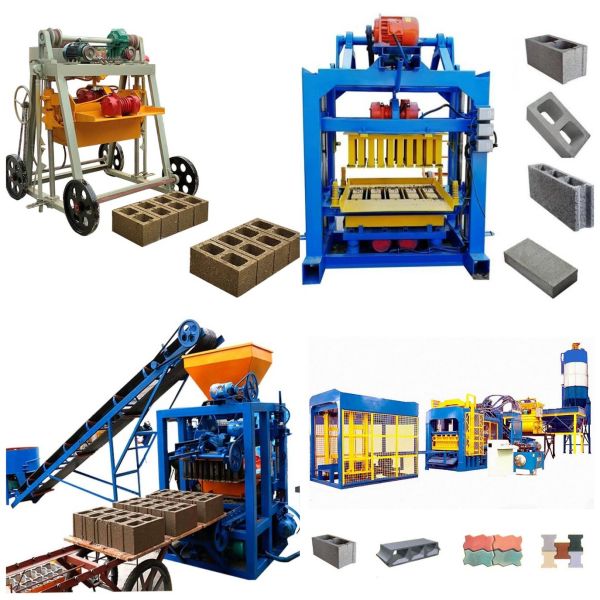
Brick manufacturing machines are categorized into four primary types based on automation level and production capacity, each with distinct price ranges and target B2B segments. Understanding these ranges helps B2B buyers select machines aligned with their budget and market needs.
2.2.1 Manual Brick Manufacturing Machines
- Price Range: $2,000-$6,000 USD.
- Key Features: Lever-operated, no electricity required, mechanical compaction (15-20 MPa), production capacity 50-150 bricks/hour, compact design (weight <300 kg).
- Target B2B Segments: Micro-entrepreneurs, rural contractors, small brick yards in regions with limited power access.
- Price Drivers: Frame material (steel thickness), lever design (mechanical advantage), mold quality (standard vs. hardened steel).
- Example Pricing:
- Basic manual machine (steel frame, standard mold): $2,000-$3,000.
- Heavy-duty manual machine (reinforced frame, hardened steel mold): $4,000-$6,000.
2.2.2 Semi-Automatic Brick Manufacturing Machines
- Price Range: $8,000-$25,000 USD.
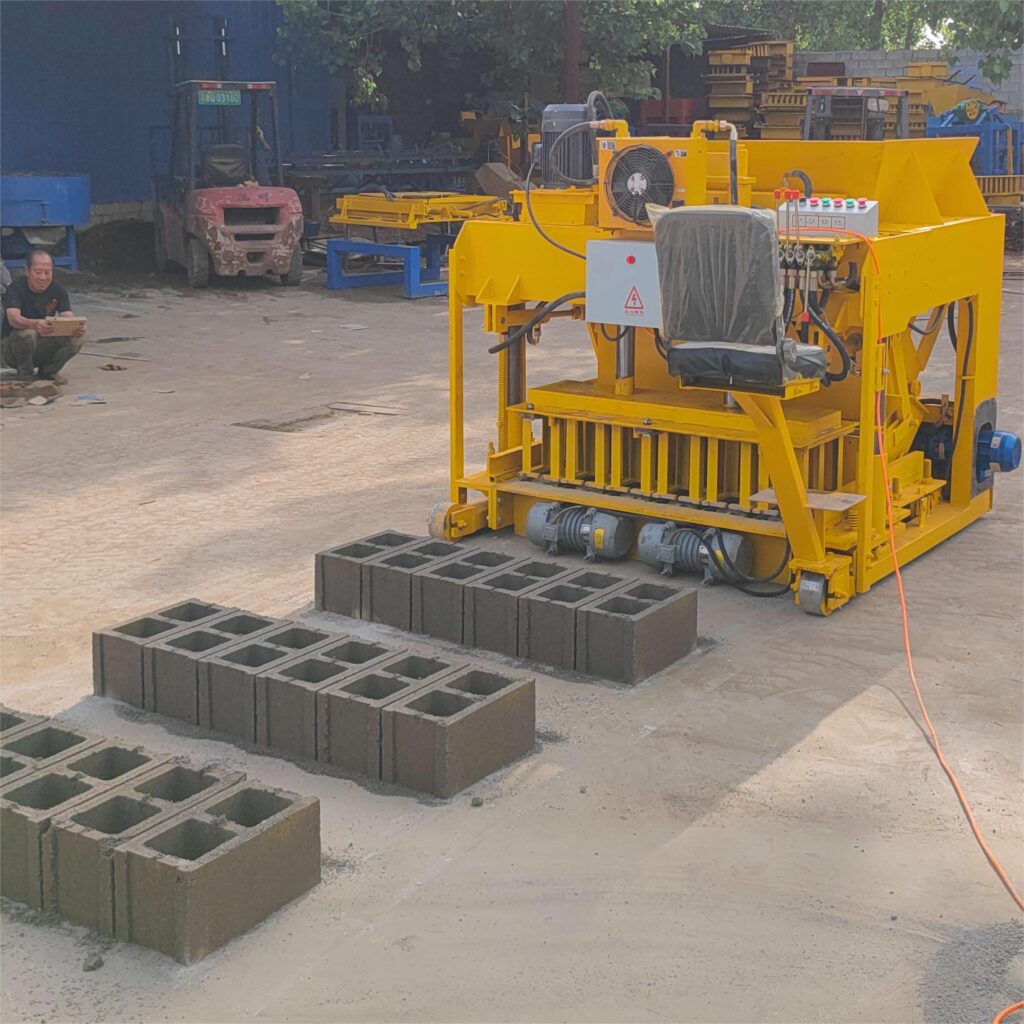
- Key Features: Automated feeding and demolding, hydraulic or mechanical compaction, production capacity 200-600 bricks/hour, 5-10 HP motor or diesel engine, modular mold compatibility.
- Target B2B Segments: Medium brick yards, construction firms with on-site production needs, government affordable housing projects.
- Price Drivers: Compaction system (hydraulic vs. mechanical), production capacity, mold compatibility, automation features (e.g., vibratory feeding, hydraulic ejection).
- Example Pricing:
- Semi-automatic mechanical machine (200-300 bricks/hour): $8,000-$12,000.
- Semi-automatic hydraulic machine (300-600 bricks/hour, modular molds): $15,000-$25,000.
2.2.3 Automatic Brick Manufacturing Machines
- Price Range: $25,000-$80,000+ USD.
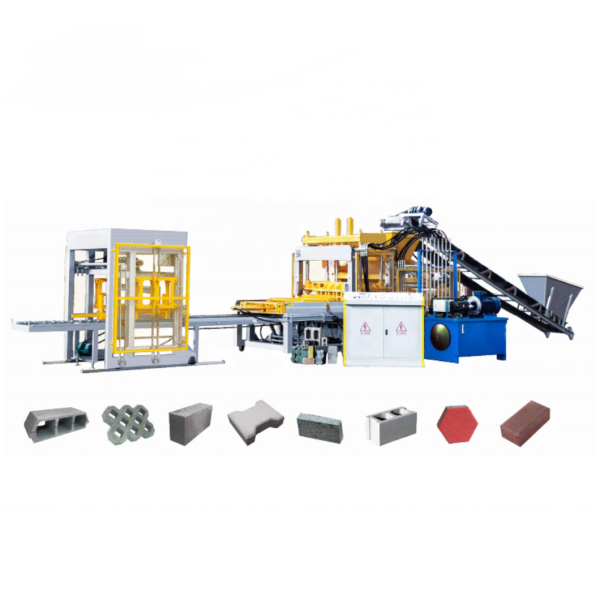
- Key Features: PLC controls, full automation (feeding, compaction, demolding, stacking), hydraulic compaction (25-50 MPa), production capacity 600-1,500+ bricks/hour, integrated mixing and curing systems.
- Target B2B Segments: Large brick manufacturing plants, industrial construction projects, building material suppliers with high-volume demand.
- Price Drivers: Production capacity, automation level (PLC controls, robotic stacking), material compatibility, after-sales support package.
- Example Pricing:
- Automatic hydraulic machine (600-800 bricks/hour, basic PLC): $25,000-$40,000.
- High-capacity automatic machine (1,000-1,500 bricks/hour, integrated curing): $50,000-$80,000+.
2.2.4 Specialized Brick Manufacturing Machines
- Price Range: $15,000-$50,000+ USD.
- Key Features: Designed for specific brick types (interlocking, perforated, fly ash) or materials (recycled aggregates, clay), specialized molds, custom compaction settings.
- Target B2B Segments: Niche brick manufacturers, green building contractors, government sustainable infrastructure projects.
- Price Drivers: Specialized engineering (e.g., perforation pins, interlocking mold design), material optimization (e.g., fly ash mix compatibility), certification compliance (e.g., LEED, BREEAM).
- Example Pricing:
- Interlocking brick machine (semi-automatic hydraulic): $15,000-$25,000.
- Fly ash brick machine (automatic, recycled material compatible): $30,000-$50,000+.
2.3 Total Cost of Ownership (TCO) Analysis for B2B Buyers
Upfront price is just one component of a brick manufacturing machine’s total cost of ownership (TCO). B2B buyers must consider operational costs, maintenance expenses, and revenue potential to evaluate true value.
2.3.1 Operational Costs
Operational costs include labor, energy, raw materials, and utilities—key factors in determining profitability:
- Labor Costs: Manual machines require 8-10 workers per 1,000 bricks, costing $150-$200 per 1,000 bricks. Semi-automatic machines reduce labor to 2-3 workers, costing $30-$60 per 1,000 bricks. Automatic machines require 1-2 workers, costing $15-$30 per 1,000 bricks. Over a year (1 million bricks), this translates to labor savings of $120,000-$170,000 for automatic vs. manual machines.
- Energy Costs: Semi-automatic machines consume 5-10 kWh per 1,000 bricks, costing $0.50-$1.00 per 1,000 bricks (at $0.10/kWh). Automatic machines consume 15-25 kWh per 1,000 bricks, costing $1.50-$2.50 per 1,000 bricks. Manual machines have no energy costs but higher labor costs.
- Raw Material Costs: Machines with low material waste (<2%) save $5-$10 per 1,000 bricks compared to those with 10-15% waste. For high-volume production (1 million bricks/year), this saves $5,000-$10,000 annually.
- Utility Costs: Water consumption (50-150 L/min) and compressed air (if required) add $0.10-$0.30 per 1,000 bricks for semi-automatic and automatic machines.
2.3.2 Maintenance and Replacement Costs
Maintenance costs impact TCO over the machine’s lifespan (5-15 years):
- Routine Maintenance: Annual maintenance costs 3-5% of the machine’s upfront price. For example, a $20,000 semi-automatic machine costs $600-$1,000 annually to maintain, while a $50,000 automatic machine costs $1,500-$2,500 annually.
- Spare Parts Replacement: Molds need replacement every 20,000-50,000 cycles, costing $1,000-$5,000 per set. Hydraulic seals, compaction plates, and motors have a lifespan of 3-5 years, adding $500-$2,000 annually to maintenance costs.
- Downtime Costs: Unplanned downtime due to maintenance or part failures costs $100-$500 per hour for medium-scale operations and $500-$1,000 per hour for large-scale plants. Machines with reliable after-sales support and spare parts availability minimize downtime costs.
2.3.3 ROI Calculation for B2B Buyers
Return on investment (ROI) is a critical metric for B2B buyers evaluating brick manufacturing machine prices. The following example illustrates ROI for different machine types:
- Assumptions:
- Brick selling price: $0.20 per brick.
- Production volume: 500,000 bricks/year (medium-scale).
- Machine lifespan: 10 years.
- Manual Machine ($4,000 upfront cost):
- Annual operational costs: $75,000 (labor: $70,000; materials: $5,000).
- Annual maintenance costs: $200.
- Annual revenue: $100,000.
- Annual profit: $24,800.
- ROI: 620% (payback period: 2 months).
- Semi-Automatic Hydraulic Machine ($15,000 upfront cost):
- Annual operational costs: $33,000 (labor: $25,000; energy: $2,000; materials: $6,000).
- Annual maintenance costs: $750.
- Annual revenue: $100,000.
- Annual profit: $66,250.
- ROI: 442% (payback period: 3 months).
- Automatic Machine ($40,000 upfront cost):
- Annual operational costs: $18,500 (labor: $10,000; energy: $4,500; materials: $4,000).
- Annual maintenance costs: $2,000.
- Annual revenue: $100,000.
- Annual profit: $79,500.
- ROI: 199% (payback period: 6 months).
While manual machines have the highest ROI percentage, semi-automatic and automatic machines deliver higher annual profits and are better suited for scaling operations. B2B buyers should align machine type with their long-term growth plans and market demand.
2.4 B2B Procurement and Negotiation Strategies for Optimal Pricing
B2B buyers can secure favorable pricing and terms by implementing strategic procurement and negotiation tactics—maximizing value while minimizing upfront and long-term costs.
2.4.1 Pre-Procurement Research and Planning
Thorough research and planning lay the foundation for successful pricing negotiations:
- Define Requirements Clearly: Identify production capacity, material compatibility, brick type, and after-sales support needs to avoid overpaying for unnecessary features. For example, a B2B buyer targeting rural affordable housing projects may not need a high-cost automatic machine with recycled material compatibility.
- Research Multiple Manufacturers: Compare prices and features from 3-5 manufacturers (local and international) to identify market benchmarks. Use trade shows (Bauma, CONEXPO) and online B2B platforms (Alibaba, Made-in-China) to source quotes.
- Evaluate TCO, Not Just Upfront Price: Compare TCO (upfront price + operational + maintenance costs) across manufacturers to identify the most cost-effective option. A cheaper machine with high maintenance costs may have a higher TCO than a more expensive, reliable model.
2.4.2 Negotiation Tactics for Favorable Pricing
B2B buyers can leverage several tactics to negotiate lower prices and better terms:
- Bulk Purchases: Ordering 3-5+ machines qualifies for wholesale discounts of 10-20%. Distributors sourcing machines for resale should consolidate orders to maximize savings.
- Long-Term Partnerships: Committing to repeat purchases (e.g., annual orders for 3 years) can secure 5-10% discounts and priority access to new models.
- Waive Non-Essential Features: Removing unnecessary features (e.g., custom molds, extended warranties) can reduce prices by 5-15%. B2B buyers can add these features later if market demand requires them.
- Leverage Competition: Share quotes from competing manufacturers to encourage price matching or additional concessions (e.g., free installation, extra molds).
- Negotiate Payment Terms: Request flexible payment terms (e.g., 30% upfront, 70% on delivery) to improve cash flow. Some manufacturers offer 2-3% discounts for full upfront payment.
2.4.3 Avoiding Hidden Costs
Hidden costs can significantly increase TCO—B2B buyers must address these during negotiations:
- Import Duties and Shipping: Clarify who is responsible for import duties, taxes, and shipping costs. Negotiate for the manufacturer to handle logistics at a fixed price to avoid unexpected expenses.
- Installation and Training: Ensure installation, operator training, and technical support are included in the price or offered at a discounted rate. These services can cost $1,000-$3,000 if purchased separately.
- Spare Parts: Request a discounted initial supply of spare parts (e.g., molds, hydraulic seals) to avoid paying premium prices later. Negotiate for free replacement of defective parts within the warranty period.
- Customization Fees: Clarify fees for custom molds or machine modifications upfront. Some manufacturers charge hourly rates for design changes, which can add up quickly.
2.4.4 Post-Purchase Cost Optimization
B2B buyers can optimize costs after purchase to maximize ROI:
- Operator Training: Invest in comprehensive training to reduce machine damage and downtime. Well-trained operators can increase production efficiency by 10-15% and extend machine lifespan by 20-30%.
- Preventive Maintenance: Implement a regular maintenance schedule to avoid costly repairs. Routine maintenance costs 50-70% less than emergency repairs.
- Material Optimization: Work with manufacturers to optimize raw material mixes (e.g., reduce cement content, use local aggregates) to lower production costs without compromising brick quality.
- Resale Value: Choose machines from reputable manufacturers with strong resale value. Well-maintained machines can be resold for 30-50% of their original price after 5-7 years.
2.5 Market Trends Impacting Brick Manufacturing Machine Prices
Several emerging trends are shaping brick manufacturing machine prices, creating opportunities and challenges for B2B buyers:
- Sustainability and Green Regulations: Demand for machines compatible with recycled materials and low-carbon mixes is increasing, driving up prices for specialized models by 10-15%. However, government subsidies for green equipment can offset these costs by 5-20% in regions like the EU, US, and India.
- Technological Advancements: IoT-enabled machines with remote monitoring, predictive maintenance, and energy-efficient systems cost 15-20% more than traditional models but reduce operational costs by 10-15% annually. These machines are gaining traction among large brick manufacturers seeking to optimize efficiency.
- Urbanization and Infrastructure Development: Construction booms in Asia, Africa, and Latin America are increasing demand for medium-scale semi-automatic machines, leading to price stability or modest increases (5-10%) in these regions.
- Supply Chain Disruptions: Global supply chain issues (e.g., steel shortages, shipping delays) have increased machine prices by 5-10% in recent years. B2B buyers can mitigate this by signing long-term supply contracts or sourcing from local manufacturers.
3. Conclusion
Brick manufacturing machine pricing is a complex but critical aspect of B2B procurement, with upfront costs, operational expenses, and market dynamics all playing key roles. For distributors, distributors, and purchasers, understanding the drivers of machine prices—technical specifications, production capacity, automation level, material compatibility, and after-sales support—is essential to making informed decisions that balance cost and value. By evaluating total cost of ownership (TCO) rather than just upfront price, B2B buyers can identify machines that deliver long-term profitability and align with their market needs. Strategic negotiation tactics, such as bulk purchases, long-term partnerships, and clarifying hidden costs, can further optimize pricing and terms.
As the construction industry evolves toward sustainability, automation, and efficiency, brick manufacturing machine prices will continue to be shaped by technological advancements and regulatory changes. B2B buyers who stay informed about these trends and prioritize value over short-term cost savings will be well-positioned to capitalize on market opportunities and build profitable businesses. Whether sourcing machines for resale, equipping a brick plant, or procuring equipment for government projects, the key to success lies in aligning machine price with performance, durability, and the ability to meet customer demand—ensuring that every investment delivers maximum return.
4. FAQ
4.1 What is the average price range for brick manufacturing machines?
Brick manufacturing machine prices vary by type and capacity:
- Manual: $2,000-$6,000 USD (50-150 bricks/hour).
- Semi-Automatic: $8,000-$25,000 USD (200-600 bricks/hour).
- Automatic: $25,000-$80,000+ USD (600-1,500+ bricks/hour).
- Specialized (Interlocking/Fly Ash): $15,000-$50,000+ USD.Prices are lower for machines from Asia (China, India) and higher for European/US-made models (20-40% premium).
4.2 What factors have the biggest impact on brick manufacturing machine prices?
The top factors influencing price are:
- Automation Level: Fully automatic machines cost 3-4x more than manual models.
- Compaction System: Hydraulic systems are 30-50% more expensive than mechanical systems.
- Production Capacity: Higher-capacity machines (600+ bricks/hour) command 2-3x higher prices than small-scale models.
- Mold Quality and Compatibility: CNC-machined, modular molds add 15-20% to the price.
- After-Sales Support: Warranties, training, and technical support increase prices by 5-15%.
4.3 How do I calculate the ROI of a brick manufacturing machine?
ROI is calculated using:
ROI (%)=(Upfront Cost + Annual Maintenance CostsAnnual Profit)×100
- Annual Profit: (Bricks Produced/Year × Selling Price/Brick) – (Labor + Energy + Material Costs).
- Example: A $15,000 semi-automatic machine producing 500,000 bricks/year at $0.20/brick, with $33,000 annual operational costs and $750 maintenance costs, has an ROI of 442% (payback period: 3 months).
4.4 Are there hidden costs to consider when purchasing a brick manufacturing machine?
Yes—common hidden costs include:
- Import Duties and Shipping: 10-40% of CIF value + 5-15% shipping costs for international purchases.
- Installation and Training: $1,000-$3,000 if not included in the price.
- Spare Parts: $500-$2,000 annually for replacement molds, seals, and components.
- Customization Fees: $1,000-$5,000 for custom molds or machine modifications.
- Downtime Costs: $100-$1,000 per hour for unplanned maintenance.
4.5 How can I negotiate a better price for a brick manufacturing machine?
Key negotiation tactics:
- Bulk Orders: Order 3+ machines for 10-20% wholesale discounts.
- Leverage Competition: Share quotes from other manufacturers to secure price matching.
- Waive Non-Essential Features: Remove custom molds or extended warranties to save 5-15%.
- Long-Term Partnerships: Commit to repeat purchases for 5-10% discounts.
- Flexible Payment Terms: Request 30% upfront, 70% on delivery to improve cash flow.
4.6 Is it cheaper to buy from local manufacturers or import from international suppliers?
- Imported Machines: 20-40% cheaper upfront but may incur import duties (10-40%), shipping costs (5-15%), and longer lead times (4-8 weeks).
- Local Manufacturers: Higher upfront prices but no import costs, shorter lead times (1-2 weeks), and easier access to after-sales support.The total cost of ownership (TCO) is often similar, but local manufacturers are preferable for urgent orders or buyers needing frequent technical support.
4.7 Do government subsidies or incentives reduce brick manufacturing machine prices?
Yes—many governments offer subsidies for:
- Green Equipment: 5-20% subsidies for machines compatible with recycled materials or low-carbon mixes (EU, US, India, China).
- Affordable Housing: 10-15% subsidies for machines used to produce low-cost bricks (developing countries).
- Small Businesses: Micro-entrepreneurs may qualify for low-interest loans or grants to purchase small-scale machines.Check local government websites or trade associations for available incentives.
4.8 How do machine prices vary by geographic region?
- Asia (China, India, Southeast Asia): Lowest prices (20-40% cheaper than global averages) due to low labor and production costs.
- Europe (Germany, Italy, Spain): Highest prices (20-40% premium) for high-quality, automated machines.
- North America (US, Canada): Premium prices (15-30% above Asia) for durable, energy-efficient models.
- Africa, Latin America: Prices vary by local manufacturing capacity—imported machines are 10-15% more expensive due to shipping and import duties.B2B buyers should balance price with lead times, after-sales support, and local market preferences.