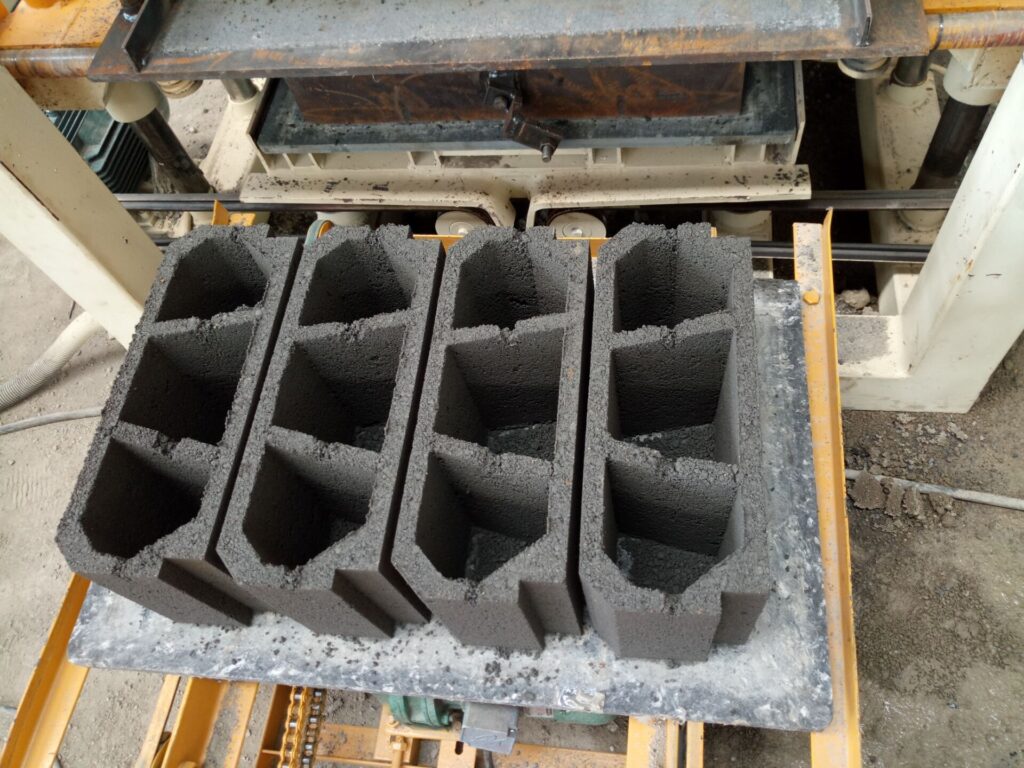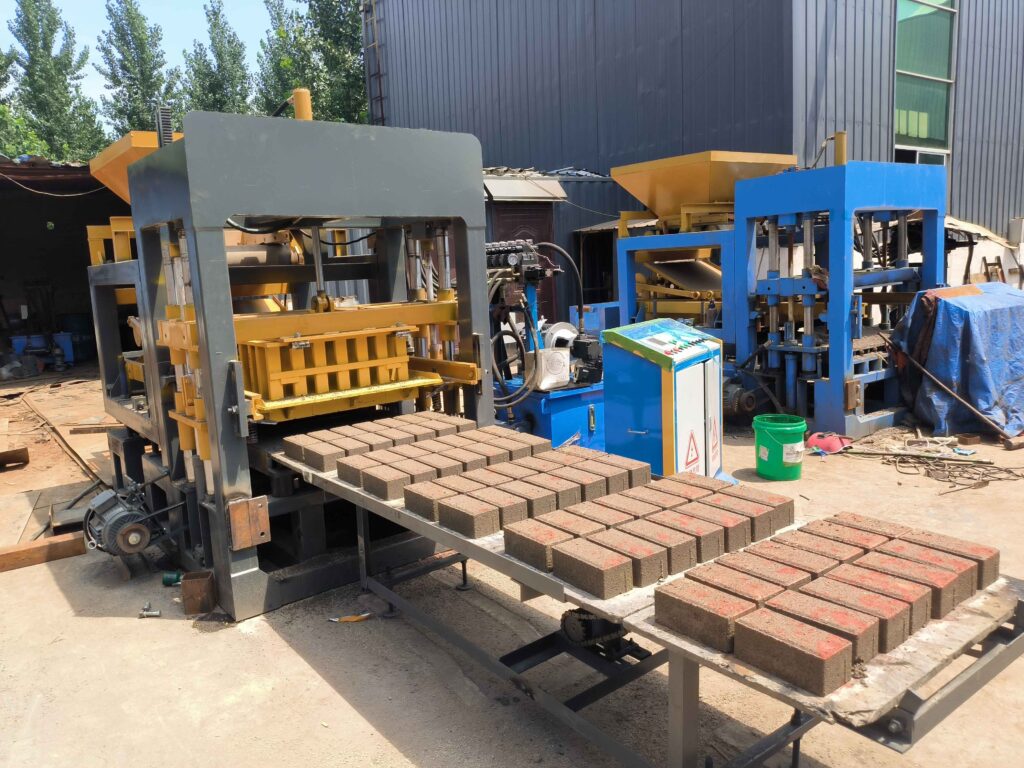
1. المقدمة
تعتبر الطوب الأسمنتي حجر أساس في البناء العالمي، حيث يقدر لمتانته، ودوامه، وتعدد استخداماته في المشاريع السكنية، والتجارية، والبنية التحتية. بالنسبة للموزعين، والجملة، والمشترين العاملين في مجال الأعمال بين الشركات، فإن فهم ديناميكيات تسعير آلات تصنيع الطوب الأسمنتي أمر بالغ الأهمية لدفع الربحية، واتخاذ قرارات استثمارية مستنيرة، والبقاء قادرين على المنافسة في سوق ذي طلب مرتفع. على عكس آلات الطوب الطيني، فإن معدات تصنيع الطوب الأسمنتي تتطلب تصميمًا متخصصًا للتعامل مع الخصائص الفريدة للخرسانة (مثل توافق الركام، وقت التصلب، ضغط الدك) - وهي عوامل تؤثر مباشرة على تكاليف الآلة.
2. المحددات الرئيسية لسعر آلة تصنيع الطوب الأسمنتي
سعر آلة تصنيع طوب الأسمنت ليس اعتباطياً، بل يتشكل من خلال مزيج من المواصفات الفنية، والقدرات الإنتاجية، وجودة المكونات، والموقف في السوق. يجب على أصحاب المصلحة في التجارة بين الشركات فهم هذه المحددات الأساسية لتقييم القيمة وتجنب دفع مبالغ زائدة (أو بيع المعدات بأقل من قيمتها).
2.1 القدرة الإنتاجية والإنتاجية الفعلية
القدرة الإنتاجية هي العامل الأكثر أهمية في التأثير على السعر، حيث تتطلب الآلات ذات السعة الأعلى مكونات أكثر متانة وهندسة متقدمة وتصنيعًا على نطاق أوسع. تُصنف آلات تصنيع الطوب الإسمنتي عادةً حسب الإنتاج اليومي (بناءً على نوبات عمل مدتها 8 ساعات):
- مستوى المبتدئين (500-2000 طوبة/يوم)آلات يدوية أو شبه أوتوماتيكية أساسية مصممة للصغار المنتجين. نطاق السعر: ١٠٠٠-٥٠٠٠ دولار. تعتمد هذه الآلات على التغذية والضغط اليدوي، بأتمتة محدودة مما يقلل تكلفة المكونات.
- متوسط المدى (2000-10000 طوبة/يوم)آلات شبه آلية مع ضغط هيدروليكي، وتغذية آلية، وأنظمة تحكم أساسية. نطاق السعر: 5000-30000 دولار. تتطلب محركات أكثر قوة، وقوالب متينة، وهيدروليك دقيق لمعالجة الإنتاجية المتزايدة.
- عالية السعة (10,000-50,000+ طوبة/يوم)آلات أوتوماتيكية بالكامل مع تحكم PLC، وضغط كهربائي سيرفو، وخطوط إنتاج متكاملة (الخلط، المعالجة، التكديس). نطاق السعر: 30,000-500,000+ دولار. تستخدم هذه الآلات مكونات صناعية (مثل هياكل فولاذية متينة، وأنظمة هيدروليكية عالية الضغط، ومراقبة مدعومة بتقنية إنترنت الأشياء) لدعم التشغيل على مدار الساعة طوال أيام الأسبوع.
2.2 الأتمتة وتكامل التكنولوجيا
مستوى الأتمتة يؤثر بشكل مباشر على السعر، حيث تزيد التقنيات المتقدمة من تعقيد الهندسة وتكاليف المكونات.
- الآلات اليدويةلا يوجد أتمتة — المشغلون يتولون التغذية والضغط وإزالة القوالب. أدنى نقطة سعرية (1000-5000 دولار) بسبب المكونات الدنيا.
- آلات شبه آليةأتمتة جزئية (مثل الضغط الهيدروليكي، إزالة القوالب الآلية) ولكن التغذية يدوية. سعر متوسط المدى (5000-30000 دولار) بسبب الأنظمة الهيدروليكية ولوحات التحكم الأساسية.
- آلات أوتوماتيكية بالكاملالتشغيل الآلي الكامل من خلط المواد الخام إلى تكديس الطوب النهائي. سعر مرتفع (30,000-500,000+ دولار) بسبب وحدات التحكم المنطقية القابلة للبرمجة، والمحركات الكهربائية المؤازرة، والأذرع الروبوتية، والتواصل عبر إنترنت الأشياء (للمراقبة عن بُعد وتحليل البيانات).
2.3 جودة المكونات والمتانة
الأسمنت مادة كاشطة ومسببة للتآكل، مما يتطلب من الآلات استخدام مكونات عالية الجودة ومقاومة للاهتراء، وهي عوامل ترفع التكاليف وتبرر الأسعار الأعلى.
- مادة الإطارتستخدم الآلات منخفضة التكلفة إطارات رقيقة من الصلب (2-3 مم) (بين 1000 و5000 دولار)، بينما تستخدم الآلات المتميزة إطارات فولاذية ملحومة بسمك 4-5 مم (أكثر من 30,000 دولار) لتحقيق المتانة.
- مادة القالبتكلف القوالب الأساسية (الفولاذ الطري) 50-200 دولار وتدوم 6-12 شهرًا، بينما تكلف القوالب المقاومة للبلى (الحديد الزهر، الفولاذ المقسى) 500-2000 دولار وتدوم 2-5 سنوات. تشمل الآلات عالية الجودة قوالب قابلة للتبديل، مما يزيد من السعر.
- نظام الضغطتتراوح تكلفة الأنظمة الهيدروليكية (الشائعة في الآلات متوسطة المدى) بين 1000 و5000 دولار، بينما تتراوح تكلفة الأنظمة الكهربائية المؤازرة (عالية الجودة) بين 5000 و20000 دولار للتحكم الدقيق في الضغط (20-40 ميجا باسكال) المطلوب لصنع طوب الأسمنت عالي القوة.
- المكونات الكهربائيةتستخدم الآلات منخفضة التكلفة محركات ومفاتيح قياسية (500-1000 دولار)، بينما تستخدم الآلات المتميزة محركات موفرة للطاقة (IE3/IE4) ووحدات تحكم منطقية قابلة للبرمجة (2000-10000 دولار) لضمان الموثوقية وتوفير الطاقة.
2.4 توافق المواد الخام وتعدد استخداماتها
آلات تصنيع الطوب الأسمنتي التي تتعامل مع مواد خام متعددة (مثل الخرسانة، والرماد المتطاير، ومخلفات البناء) أو تنتج أنواعًا مختلفة من الطوب (مصمت، ومجوف، ومتشابك) تحقق أسعارًا أعلى بسبب مرونة التصميم.
- آلات ذات غرض واحدإنتاج فقط الطوب الأسمنتي الصلب القياسي. سعر أقل (1000-30000 دولار) بسبب القوالب المبسطة وأنظمة الدك.
- Multi-Purpose Machines: Interchangeable molds for hollow blocks, interlocking pavers, or decorative bricks. Price premium of 20-50% ($5,000-$500,000+) due to custom mold design and adjustable compaction settings.
- Recycled Material Compatibility: Machines that process fly ash or construction waste require modified mixing and compaction systems, adding 15-30% to the price ($7,500-$650,000+).
2.5 Curing and Auxiliary Equipment Integration
Cement bricks require curing to achieve strength, and machines integrated with curing systems have higher prices:
- Standalone Machines: No curing integration. Lower price ($1,000-$30,000) — purchasers must source separate curing equipment (e.g., drying racks, steam chambers).
- Integrated Production Lines: Include curing tunnels, batching systems, or robotic stackers. Price increases by 50-100% ($15,000-$1,000,000+) due to additional components and system integration.
2.6 Geographic and Market Factors
Regional market conditions also influence cement bricks manufacturing machine prices:
- Import Duties and Logistics: Machines imported to regions with high tariffs (e.g., 20-30% in Africa, South America) have higher landed costs. For example, a $10,000 machine imported to Nigeria may cost $12,000-$13,000 after duties and shipping.
- Local Manufacturing vs. Import: Locally assembled machines (using imported components) may be 10-20% cheaper than fully imported machines due to lower shipping costs and reduced import duties.
- Market Demand: High-demand regions (e.g., Asia-Pacific, Africa) may have competitive pricing due to economies of scale, while low-demand regions (e.g., small European countries) may have higher prices due to limited supply.
3. Price Ranges by Machine Type: A Detailed Breakdown
To help B2B stakeholders navigate pricing, below is a detailed breakdown of cement bricks manufacturing machine prices by type, including key features and target clients:
3.1 Manual Cement Bricks Manufacturing Machines
- نطاق السعر: $1,000-$5,000 (Wholesale), $2,000-$10,000 (Retail)
- الميزات الرئيسية:
- Manual feeding and compaction (lever-operated).
- Mild steel frame and basic molds (standard brick size: 240×115×57mm).
- No power requirements (ideal for remote areas).
- Production capacity: 500-2,000 bricks/day.
- Target Clients: Rural entrepreneurs, small-scale brick yards, disaster-relief projects.
- Cost Drivers: Mold quality, frame thickness, and compaction lever design.
- Value Proposition: Low upfront investment, no energy costs, simple operation.
3.2 Semi-Automatic Cement Bricks Manufacturing Machines
3.2.1 Basic Semi-Automatic (Hydraulic)
- نطاق السعر: $5,000-$15,000 (Wholesale), $10,000-$30,000 (Retail)
- الميزات الرئيسية:
- Hydraulic compaction (10-20 MPa pressure).
- Manual feeding, automated demolding.
- Electric or diesel power (3-10 kW/5-15 HP).
- Production capacity: 2,000-5,000 bricks/day.
- Target Clients: Medium-scale regional suppliers, small construction firms.
- Cost Drivers: Hydraulic power unit, motor quality, mold material (mild steel vs. cast iron).
3.2.2 Advanced Semi-Automatic (PLC-Controlled)
- نطاق السعر: $15,000-$30,000 (Wholesale), $30,000-$60,000 (Retail)
- الميزات الرئيسية:
- PLC control panel for compaction pressure adjustment.
- Automated feeding (conveyor belt), hydraulic compaction (20-30 MPa).
- Interchangeable molds (solid, hollow, pavers).
- Production capacity: 5,000-10,000 bricks/day.
- Target Clients: Large regional brick manufacturers, government tenders.
- Cost Drivers: PLC module, automated feeding system, high-pressure hydraulic components.
3.3 Fully Automatic Cement Bricks Manufacturing Machines
3.3.1 Entry-Level Automatic
- نطاق السعر: $30,000-$80,000 (Wholesale), $60,000-$160,000 (Retail)
- الميزات الرئيسية:
- Full automation (batching, feeding, compaction, demolding).
- Hydraulic compaction (25-35 MPa).
- Basic IoT monitoring (production count, error alerts).
- Production capacity: 10,000-20,000 bricks/day.
- Target Clients: Industrial brick manufacturers, large construction projects.
- Cost Drivers: Integrated batching system, hydraulic control unit, IoT connectivity.
3.3.2 Mid-Range Automatic
- نطاق السعر: $80,000-$200,000 (Wholesale), $160,000-$400,000 (Retail)
- الميزات الرئيسية:
- Servo-electric compaction (30-40 MPa) for precision.
- PLC with advanced data analytics (energy consumption, brick quality).
- Curing tunnel integration.
- Production capacity: 20,000-35,000 bricks/day.
- Target Clients: National brick suppliers, infrastructure projects.
- Cost Drivers: Servo-electric motors, curing system, advanced PLC software.
3.3.3 High-End Automatic (Complete Production Line)
- نطاق السعر: $200,000-$500,000+ (Wholesale), $400,000-$1,000,000+ (Retail)
- الميزات الرئيسية:
- Robotic stacking and packaging.
- Continuous batching and mixing.
- Real-time quality control (brick density, dimensions).
- Production capacity: 35,000-50,000+ bricks/day.
- Target Clients: Multinational brick manufacturers, large-scale government infrastructure projects.
- Cost Drivers: Robotics, quality control sensors, full system integration.
3.4 Mobile Cement Bricks Manufacturing Machines
- نطاق السعر: $8,000-$30,000 (Wholesale), $16,000-$60,000 (Retail)
- الميزات الرئيسية:
- Portable design (mounted on trailer/skid).
- Diesel or dual-power (electric + diesel).
- Semi-automatic operation.
- Production capacity: 1,000-5,000 bricks/day.
- Target Clients: Remote construction projects, on-site brick production.
- Cost Drivers: Portability features (trailer, wheels), dual-power system, durability for transport.
4. Total Cost of Ownership (TCO): Beyond the Initial Price
For purchasers, the initial machine price is just one component of the total cost of ownership (TCO). B2B stakeholders must educate clients on TCO to justify higher-priced, high-quality machines and differentiate from low-cost competitors. Key TCO factors include:
4.1 Operational Costs
- Energy Costs:
- Manual machines: $0/day (no power).
- Semi-automatic machines: $5-$20/day (electric) or $10-$30/day (diesel).
- Automatic machines: $20-$100/day (electric) — offset by labor savings.
- Raw Material Costs: Cement bricks require cement, sand, aggregates, and water. High-quality machines reduce waste (3-5% vs. 10-15% for low-cost machines), lowering raw material costs by $0.01-$0.05 per brick.
- Labor Costs:
- Manual machines: 2-3 operators ($10-$30/day total).
- Semi-automatic machines: 1-2 operators ($5-$20/day total).
- Automatic machines: 3-5 operators for full lines ($15-$50/day total) — but 50-70% fewer operators than manual production.
4.2 Maintenance and Repair Costs
- Low-Cost Machines ($1,000-$5,000): High maintenance costs ($500-$1,000/year) due to low-quality components (e.g., molds wear out every 6 months, frames bend easily).
- Mid-Range Machines ($5,000-$30,000): Moderate maintenance costs ($1,000-$3,000/year) — molds last 1-2 years, hydraulic systems require annual servicing.
- **High-End Machines ($30,000+)**: Low maintenance costs ($2,000-$5,000/year) due to industrial-grade components (molds last 2-5 years, servo-electric systems have minimal wear).
4.3 Downtime Costs
- Low-Cost Machines: Frequent breakdowns (1-2 days/month) result in lost production ($500-$2,000/month).
- High-End Machines: Minimal downtime (1-2 days/year) due to reliable components and predictive maintenance (via IoT), reducing lost production to $500-$2,000/year.
4.4 ROI Calculation by Machine Type
To illustrate TCO, below is an ROI analysis for three common machine types (based on $0.20 per brick selling price, 250 working days/year):
| Machine Type | Initial Price | Annual Operational Costs | Annual Maintenance Costs | Annual Revenue (100% Capacity) | ROI Period |
|---|---|---|---|---|---|
| Manual ($3,000) | $3,000 | $2,500 (labor + raw material) | $800 | $50,000 (2,000 bricks/day × $0.20 × 250 days) | 8 months |
| Semi-Automatic ($15,000) | $15,000 | $5,000 (labor + energy + raw material) | $2,000 | $250,000 (5,000 bricks/day × $0.20 × 250 days) | 7 months |
| Automatic ($100,000) | $100,000 | $12,500 (labor + energy + raw material) | $3,500 | $1,000,000 (20,000 bricks/day × $0.20 × 250 days) | 11 months |
While automatic machines have a higher initial price, their faster production and lower operational costs result in strong long-term ROI—critical for purchasers scaling to large-scale production.
5. B2B Pricing Strategies for Distributors and Wholesalers
5.1 Wholesale Pricing: Maximizing Margins and Volume
Distributors and wholesalers must balance profit margins with market competitiveness. Key strategies:
- Tiered Margins:
- Manual machines: 100-150% markup (wholesale $1,000-$5,000 → retail $2,000-$12,500). High margins compensate for low sales volume.
- Semi-automatic machines: 50-100% markup (wholesale $5,000-$30,000 → retail $10,000-$60,000). Balanced volume and margin.
- Automatic machines: 30-50% markup (wholesale $30,000-$500,000 → retail $45,000-$750,000). Lower margins drive high-volume sales.
- Volume Discounts: Offer 5-10% discounts for orders of 10+ machines, 10-15% for 20+ machines. Incentivizes wholesalers to stock more inventory.
- Bundled Pricing: Package machines with spare parts, training, or maintenance contracts. For example:
- Semi-automatic machine + 2 extra molds + 1-year maintenance contract = $20,000 (wholesale) → $40,000 (retail) — 100% markup vs. $15,000 standalone machine (50% markup).
5.2 Geographic Pricing Adaptation
Adjust prices to regional market conditions:
- Emerging Markets (Africa, Southeast Asia): Prioritize low-cost manual and semi-automatic machines (price-sensitive clients). Offer payment plans (e.g., 50% down, 50% on delivery) to overcome low purchasing power.
- Developed Markets (Europe, North America): Focus on high-end automatic machines (clients prioritize quality and efficiency). Price premium for energy-efficient and eco-friendly features (e.g., recycled material compatibility).
- Import-Dependent Regions: Absorb a portion of import duties to keep retail prices competitive. For example, a $10,000 machine with $2,000 duties can be priced at $18,000 (80% markup) instead of $24,000 (120% markup) to attract clients.
5.3 Value-Based Pricing vs. Cost-Plus Pricing
- Cost-Plus Pricing: Calculate total costs (manufacturer price + shipping + overhead) and add a fixed margin. Simple but may undervalue high-quality machines.
- Value-Based Pricing: Price based on the value the machine delivers (e.g., ROI, labor savings, quality). For example, an automatic machine that saves $50,000/year in labor costs can be priced higher than a low-cost alternative, as clients are willing to pay for long-term savings.
5.4 Competing with Low-Cost Imports
Low-cost machines from China, India, and other manufacturing hubs are common in the market. B2B stakeholders can compete by:
- Emphasizing TCO: Highlight that low-cost machines have higher maintenance and downtime costs, resulting in lower long-term ROI.
- Offering Local Support: Provide fast spare parts delivery and on-site training—services low-cost importers often lack.
- Differentiating with Features: Focus on region-specific features (e.g., dual-power for load-shedding regions, local brick size compatibility) that low-cost machines may not offer.
6. Price Negotiation Tips for Purchasers
Purchasers can secure favorable prices by leveraging market knowledge and negotiation strategies:
- Research Market Prices: Use B2B platforms (e.g., Alibaba, Made-in-China) to compare prices from multiple manufacturers. Know the average price range for your desired machine type to avoid overpaying.
- Buy in Volume: Purchase 5+ machines to qualify for volume discounts. Even small purchasers can collaborate with other brick makers to place bulk orders.
- Negotiate Extras: Ask for free spare parts (e.g., molds, hydraulic hoses), on-site training, or extended warranties instead of lower prices. These extras add value without reducing the manufacturer’s profit margin.
- Consider Off-Season Purchases: Manufacturers often offer discounts during slow periods (e.g., Q4 for Northern Hemisphere manufacturers) to clear inventory.
- Request Custom Quotes: Provide detailed specifications (production capacity, brick type, power requirements) to get accurate quotes. Avoid generic quotes that may include unnecessary features.
7. Conclusion
Cement bricks manufacturing machine prices are shaped by a complex interplay of production capacity, automation, component quality, and market dynamics. For B2B stakeholders—distributors, wholesalers, and purchasers—understanding these price determinants is critical to making informed decisions that drive profitability and competitiveness. Distributors and wholesalers must curate product portfolios aligned with regional market needs (e.g., low-cost machines for emerging markets, high-end automatic lines for developed economies) and use value-based pricing to justify higher prices for quality equipment. Purchasers, meanwhile, should look beyond the initial price to evaluate total cost of ownership, considering operational costs, maintenance, and downtime to select machines that deliver strong long-term ROI. As global construction demand grows, and sustainable building practices drive demand for high-quality cement bricks, the market for cement bricks manufacturing machines will remain dynamic. By leveraging the insights in this guide, B2B stakeholders can navigate the pricing landscape with confidence, capitalize on market opportunities, and build sustainable, profitable businesses in the global cement brick equipment sector.
8. FAQ (Frequently Asked Questions)
8.1 What is the average price of a cement bricks manufacturing machine?
Average prices vary by machine type:
- Manual: $1,000-$5,000 (wholesale), $2,000-$10,000 (retail).
- Semi-automatic: $5,000-$30,000 (wholesale), $10,000-$60,000 (retail).
- Fully automatic: $30,000-$500,000+ (wholesale), $60,000-$1,000,000+ (retail).Mobile machines: $8,000-$30,000 (wholesale), $16,000-$60,000 (retail).
8.2 Why do automatic cement brick machines cost so much more than manual ones?
Automatic machines cost more due to:
- Advanced components (PLC controllers, servo-electric motors, robotic arms).
- Industrial-grade materials (heavy-duty steel frames, wear-resistant molds).
- System integration (batching, curing, stacking).
- IoT and data analytics features.
- Higher production capacity (10,000+ bricks/day) and labor savings (50-70% fewer operators).
8.3 Are low-cost cement brick machines worth the investment?
Low-cost machines ($1,000-$5,000) are suitable for small-scale producers with limited capital and low production needs (500-2,000 bricks/day). However, they have higher TCO due to frequent maintenance, downtime, and low efficiency. For purchasers planning to scale production, mid-range or high-end machines offer better long-term value.
8.4 How can I reduce the cost of a cement bricks manufacturing machine?
To reduce costs:
- Purchase in bulk to qualify for volume discounts.
- Opt for local assembly (lower import duties and shipping costs).
- Choose standard features over customizations (e.g., standard molds vs. custom sizes).
- Negotiate for free extras (spare parts, training) instead of lower prices.
- Consider used or refurbished machines (30-50% cheaper than new, but inspect for component wear).
8.5 What is the ROI of a cement bricks manufacturing machine?
ROI depends on machine type, production capacity, and brick selling price:
- Manual machines: 6-12 months.
- Semi-automatic machines: 6-10 months.
- Automatic machines: 10-24 months.ROI is faster for machines used in high-demand markets (e.g., urban construction, infrastructure projects) with high brick selling prices ($0.15-$0.50 per brick).
8.6 Do cement bricks manufacturing machine prices include installation and training?
Most wholesale prices do not include installation or training. These are often offered as add-ons:
- Installation: $500-$5,000 (depending on machine size and complexity).
- Training: $300-$2,000 (on-site or virtual).Some manufacturers offer bundled packages that include installation and training for a 10-15% premium.
8.7 How often do I need to replace parts, and what is the cost?
Key part replacement intervals and costs:
- Molds: 6-12 months (manual/semi-automatic) → $50-$200; 2-5 years (automatic) → $500-$2,000.
- Hydraulic hoses/seals: 1-2 years → $100-$500.
- Mixing blades: 1-3 years → $200-$1,000.
- Motors: 3-5 years → $1,000-$5,000 (semi-automatic); $5,000-$20,000 (automatic).
8.8 Are there financing options for cement bricks manufacturing machines?
Yes. Many manufacturers and B2B lenders offer financing:
- Leasing: Monthly payments ($100-$5,000/month) with option to buy at the end of the lease.
- Loans: Low-interest loans (5-10% APR) with 2-5 year repayment terms.
- Microfinance: Available in emerging markets for small-scale purchasers (loan amounts $1,000-$10,000).Financing reduces upfront investment and allows purchasers to start generating revenue immediately.