
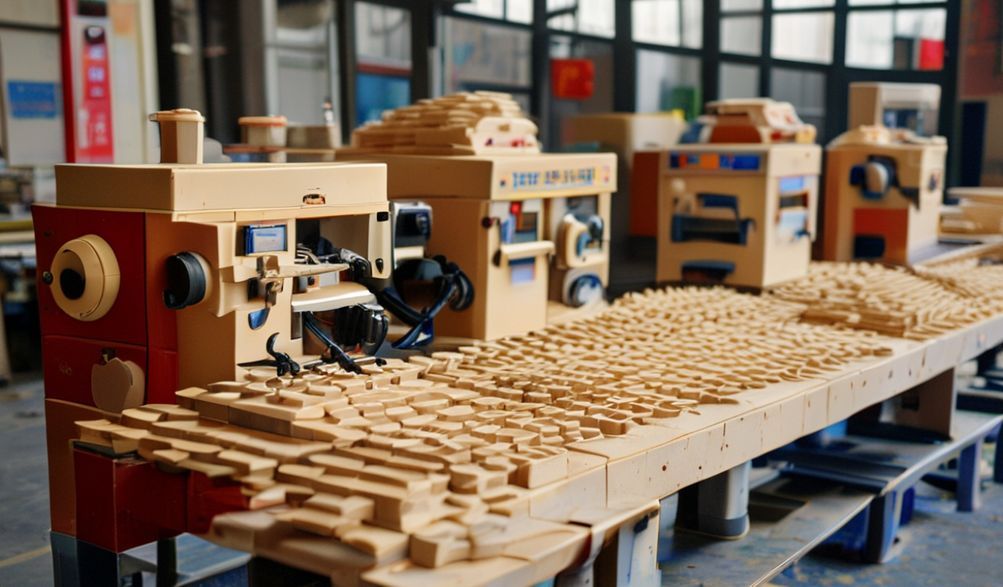
The Ultimate Guide to China Block Making Machines: Quality, Cost & How to Choose
مقدمة
The global construction industry is a relentless engine of growth, projected to reach a staggering $15.2 trillion by 2030. At the heart of this expansion lies a fundamental building block—quite literally. The demand for affordable, durable construction materials is insatiable, and block making machines are the pivotal technology meeting this need. For entrepreneurs and construction firms looking to capitalize on this demand, sourcing the right machinery is the most critical decision you’ll make.
Yet, navigating this market is fraught with challenges. Buyers are often overwhelmed by countless online suppliers, struggle to discern genuine quality from marketing hype, and face the daunting task of balancing upfront cost with long-term reliability. The fear of poor after-sales support from a distant manufacturer can paralyze decision-making.
Enter China—the undisputed manufacturing hub of the world for block making machinery. It offers a compelling solution: a vast spectrum of machines at competitive prices, backed by an increasingly sophisticated manufacturing ecosystem. But with great opportunity comes the need for great diligence.
This ultimate guide is crafted from deep industry analysis, direct engagement with manufacturers, and technical expertise. Our goal is to transform your complex procurement journey into a clear, confident strategy. You will learn not just about the types of machines available, but how to vet suppliers, understand true costs, and build a successful, long-term partnership. Let’s build a foundation for your success.
Why China Dominates the Global Block Making Machine Market
China’s position as the world’s leading supplier of block making machinery is no accident. It is the result of a powerful convergence of scale, efficiency, and evolving innovation that creates an unparalleled value proposition for global buyers.
النطاق والنظام الإيكولوجي للتصنيع
China’s strength is rooted in its concentrated industrial clusters. Key regions like فوجيان، شاندونغ، وخنان have developed into specialized hubs for construction machinery.
* This clustering creates a powerful network effect.
* Manufacturers have immediate access to suppliers for every component, from high-grade steel plates and hydraulic cylinders to precision vibration motors and PLC control systems.
* This localized supply chain drastically reduces production lead times and costs, creating efficiencies that are nearly impossible to replicate elsewhere.
Competitive Pricing and Value
The economies of scale achieved in these industrial clusters translate directly to your bottom line. Chinese manufacturers can produce machinery at a volume that allows for significant cost advantages.
* It’s not just about being the cheapest option.
* It’s about offering a superior price-to-performance ratio.
* For the cost of a basic semi-automatic machine from some other regions, you can often source a fully automatic model from China with higher output and more advanced features.
* This value proposition is the primary driver for buyers from Africa, Southeast Asia, the Middle East, and South America.
التقدم التكنولوجي والابتكار
The outdated stereotype of Chinese manufacturing as purely “copycat” is just that—outdated. Leading manufacturers are heavily invested in R&D.
* Modern Chinese block making machines now routinely feature أنظمة متحكم المنطق القابل للبرمجة (PLC) for precise, reliable operation.
* Innovations include energy-efficient hydraulic systems, touch-screen interfaces, and the development of eco-friendly machines designed to use fly ash and other waste materials.
* This focus on technological improvement means buyers can access advanced, reliable automation without the premium price tag of European or American brands.
Types of Block Making Machines from China
Understanding the categories of machines is your first step. The right choice depends entirely on your project scale, budget, and output goals.
آلات صناعة البلوك الآلية بالكامل
These are the powerhouses of mass production, designed for large-scale plants and high-volume commercial projects.
* العملية: They integrate fully automated processes from raw material batching and mixing to molding, curing, and palletized product stacking. Robotic arms or stackers often handle the final output.
* الإخراج: Capable of producing thousands of blocks, pavers, or bricks per shift with minimal manual intervention.
* مثالي لـ: Established block yards, government infrastructure projects, and businesses focused on supplying the wholesale market.
آلات صناعة الطوب شبه الأوتوماتيكية
This category represents the ideal sweet spot for many growing businesses, offering a perfect balance between automation, cost, and control.
* العملية: While the critical processes of compression, vibration, and block ejection are automated, the feeding of raw concrete mix and the removal of finished products are typically manual.
* الإخراج: Significantly higher than manual machines, suitable for medium-scale operations and dedicated block manufacturing businesses.
* مثالي لـ: Entrepreneurs making a serious entry into the market, construction companies supplying their own projects, and businesses looking to upgrade from manual production.
Manual / Egg Laying Block Making Machines
These are the entry-point machines, prized for their simplicity, portability, and low investment cost.
* العملية: Entirely manual. The machine is fed by hand, and after vibration, the operator lifts the machine to “lay” the fresh blocks onto the ground (hence the name “egg layer”).
* الإخراج: Lower output, suitable for on-site production for a specific building project or for very small startups.
* مثالي لـ: Individual builders, community projects, small-scale workshops, and testing market demand with minimal capital outlay.
Specialized Machine Variants
Beyond standard hollow block machines, Chinese manufacturers produce equipment for niche products:
* Paving Slab Machines: For producing thick, decorative patio and walkway slabs.
* آلات الطوب المتشابك: For creating dry-stack, mortarless retaining wall and paving systems.
* Kerbstone Machines: For manufacturing road-side curbs and channels.
* آلات صناعة البلوك المجوف: With various mold designs for different block cavity patterns and strengths.
Key Factors When Evaluating Chinese Manufacturers
With thousands of suppliers listed online, separating the reputable from the risky is paramount. Your due diligence here is your primary risk mitigation strategy.
Manufacturer Reputation and History
Don’t just browse websites. Dig deeper.
* تراخيص الأعمال: Use Alibaba’s “Supplier Verification” service or Chinese government business registry sites to confirm legal status.
* سجل حافل: Prefer suppliers with a verifiable history of 8-10+ years in operation. This indicates stability and experience.
* Company Scale: While not an absolute rule, a medium to large-scale factory often has more robust processes and resources for after-sales support than a small trading company.
Production Capacity and Factory Audit
A glossy brochure means little without proof of capability.
* Request Evidence: Ask for photos and videos of their actual factory floor, not just a showroom. Look for organized production lines and quality control stations.
* Virtual Audit: Insist on a live video call tour. Walk through the production process with them. This simple step filters out countless trading companies posing as manufacturers.
* مراجع العملاء: Ask for contact information for 2-3 clients in your region or a similar market. A confident supplier will provide these.
Quality of Components and Materials
The longevity of your machine depends on the quality of its parts. Be specific in your inquiries.
* النظام الهيدروليكي: Are the pumps and valves from reputable brands like Rexroth, Kawasaki, or Yuken, or unknown generic brands?
* محركات الاهتزاز: These are the heart of block density. Ask for the brand and power specifications.
* Mold Steel: High-quality, hardened steel (e.g., #45 steel or better) is essential for mold longevity and consistent product finish.
* بناء الإطار: The frame should be made from thick, reinforced steel plate, not lightweight sections.
Compliance and Certifications
Certifications are a baseline indicator of a manufacturer’s commitment to standards.
* علامة CE: This is crucial for export to many countries. It indicates the machine meets EU health, safety, and environmental standards. ملاحظة: Always ask for the actual test report from a notified body, not just a self-declaration.
* آيزو 9001: Demonstrates the company has a certified quality management system in place.
* Other Certifications: Depending on your market, look for specific local or international safety certifications.
Understanding the True Cost: Price vs. Value
The quoted machine price is just the starting point. A savvy buyer evaluates the التكلفة الإجمالية للملكية (TCO).
Breakdown of Machine Costs
The price tag is influenced by several key factors:
* مستوى الأتمتة: Fully automatic commands a premium over semi-automatic and manual.
* القدرة الإنتاجية: A machine rated for 5,000 blocks/day costs more than one for 2,000 blocks/day.
* Brand of Core Components: Machines with internationally recognized components (e.g., Siemens PLC, Schneider electrics) will be priced higher.
* تعقيد القالب Custom or multi-cavity molds for special products add to the cost.
Hidden Costs to Consider
Budget for these to avoid surprises:
* الشحن والخدمات اللوجستية FOB price gets it to the Chinese port. You must budget for sea freight, insurance, port handling, and inland transportation to your site.
* الرسوم والضرائب الجمركية: These vary significantly by country. Consult with a local customs broker for an accurate estimate.
* التثبيت والتشكيل: Factor in the cost of flying in a technician (if not included) or hiring local expertise, plus accommodations.
* Initial Spare Parts Kit: Purchasing a recommended set of wear parts (seals, springs, filter elements) upfront is far cheaper and prevents early downtime.
The Total Cost of Ownership (TCO)
Think in terms of 5-10 years. A cheaper machine may have:
* Higher energy consumption from inefficient hydraulics.
* Frequent breakdowns leading to costly production stops.
* Shorter lifespan, forcing a premature reinvestment.
A slightly more expensive, high-quality machine often pays for itself through reliability, efficiency, and longevity.
The Procurement Process: From Inquiry to Installation
A structured approach streamlines your purchase and protects your interests.
Step 1: Defining Your Requirements
Clarity is power. Before contacting suppliers, document:
* أنواع الكتل وأحجامها: Exact dimensions and styles (e.g., 6″ hollow block, interlocking paver).
* الهدف اليومي للإنتاج: Be realistic about your current needs and near-term growth.
* المواد الخام: Provide details on your local sand, aggregate, and cement. Can you send samples?
* Automation Needs: Based on your labor availability and budget.
Step 2: Sourcing and Communication
- Create a Shortlist: Use B2B platforms and industry directories to identify 4-5 potential suppliers that match your needs.
- The RFQ (Request for Quotation): Send a detailed, identical specification sheet to each supplier. Request a proforma invoice (PI) that includes machine specs, price terms (FOB/CIF), payment terms, warranty, and delivery time.
- Technical Dialogue: Engage their engineers. Their responsiveness and depth of knowledge are strong indicators of future support.
Step 3: Negotiation and Contract Safeguards
- Payment Terms: The industry standard is 30% deposit, 70% balance before shipment. Never pay 100% upfront.
- الضمان: Negotiate for 12-18 months for the core machine, covering parts and (ideally) labor. Clarify what is excluded (wear parts like mold liners).
- After-Sales Clause: The contract should specify the support offered: remote support response time, availability of on-site technicians (and cost), and spare parts supply guarantee.
Step 4: Shipping, Customs, and Installation
- Shipping Terms: Understand Incoterms. FOB is common; you control the shipping line and insurance. CIF is simpler but gives the supplier more control.
- Documentation: Ensure the supplier provides a Commercial Invoice, Packing List, Bill of Lading, and Certificate of Origin.
- Installation Plan: Coordinate the arrival of the machine with the dispatch of the installation technician. Prepare your site (foundation, power, raw materials) in advance.
Ensuring After-Sales Support and Building Trust
The relationship with your supplier begins when the machine is shipped, not ends.
Warranty and Technical Support
- Clear Coverage: Know exactly which parts are covered and the process for claiming.
- Support Channels: Ensure you have direct contact (WhatsApp, WeChat, email) for technical support. Modern suppliers should offer remote troubleshooting via video call.
- On-Site Availability: For major issues, clarify the process and cost for sending a technician to your country.
Availability of Spare Parts
A machine is useless if you can’t repair it.
* Parts List: Request a detailed spare parts list with prices at the time of order.
* Wear Parts Stock: Consider purchasing a 1-2 year supply of high-wear items (seals, O-rings, filter elements) with your machine.
* Shipping Time: Ask for the typical lead time for ordering and receiving spare parts.
Training and Operational Manuals
- Comprehensive Manuals: Demand full, clear English operation and maintenance manuals (not just poorly translated documents).
- Training Resources: The best suppliers provide training videos or live online training sessions for your operators.
- Installation Training: The technician who commissions the machine should train your key staff on basic operation, daily maintenance, and safety procedures.
الأسئلة الشائعة (FAQ)
Q1: What is the average lead time for a block making machine from China?
أ: Typically 20-45 days after the deposit is received, depending on the machine’s complexity (custom vs. standard) and the manufacturer’s current order backlog. Always get the confirmed delivery date in writing on your proforma invoice.
Q2: Can Chinese machines handle local raw materials in my country?
أ: Reputable manufacturers have experience with global material variations. The key is to provide samples of your sand, aggregate, and cement for their technical department to test. They can often adjust mix design advice, vibration frequency, and pressure settings to optimize results.
Q3: How do I verify if a Chinese supplier is legitimate?
أ: 1) Check their Business License on Alibaba or a Chinese business registry. 2) Ask for مراجع العملاء and actually contact them. 3) Request a live video tour of their active factory and production line. 4) Be wary of prices that seem too good to be true.
Q4: What is the minimum viable budget for a quality semi-automatic machine?
أ: For a robust, well-built semi-automatic machine capable of reliable commercial output, expect a starting price in the range of $15,000 – $25,000 FOB China. This excludes shipping, duties, and installation. Significantly lower prices often indicate compromises on component quality and frame strength.
Q5: Who is responsible if the machine arrives damaged?
أ: Responsibility is defined by the Incoterm in your contract. Under FOB, risk transfers to you once the goods are loaded on the ship in China. This is why marine insurance is essential. The supplier is, however, responsible for professional, export-grade packaging. Document any damage with photos immediately upon unpacking at your destination.
خاتمة
Navigating the world of China block making machines reveals a market of immense opportunity, capable of empowering construction businesses globally. The journey from a simple online search to a productive machine on your floor hinges on one principle: informed diligence. Success is found not in chasing the absolute lowest price, but in identifying the best long-term value and partnership.
We’ve outlined the path—from understanding why China leads, to evaluating machine types, vetting manufacturers with factory audits, and planning for the full lifecycle cost and support. This expert, experience-based framework is designed to build your trust and confidence in making this significant capital investment.
Your next step is to apply this knowledge. To help you take action, we’ve created a comprehensive “Supplier Checklist & Question Template.” This downloadable document will guide your conversations and ensure you gather the right information from potential suppliers. Use it to compare quotes on a like-for-like basis and move forward with clarity.
METADATA_START—
DISPLAY_TITLE: The Ultimate Guide to China Block Making Machines: Quality, Cost & How to Choose
SEO_TITLE: China Block Making Machines Guide: Cost, Types & Suppliers
META_DESC: Expert guide to buying block making machines from China. Compare types, costs, & learn how to choose reliable suppliers for quality & value.
IMG_PROMPT: A hyper-realistic photograph of a modern, fully automatic block making machine in a clean Chinese factory, producing perfect concrete blocks on a pallet. The machine is large with a steel frame, control panel lights are on, and the focus is sharp on a freshly ejected block. Industrial lighting with a slight glow.
—METADATA_END—