
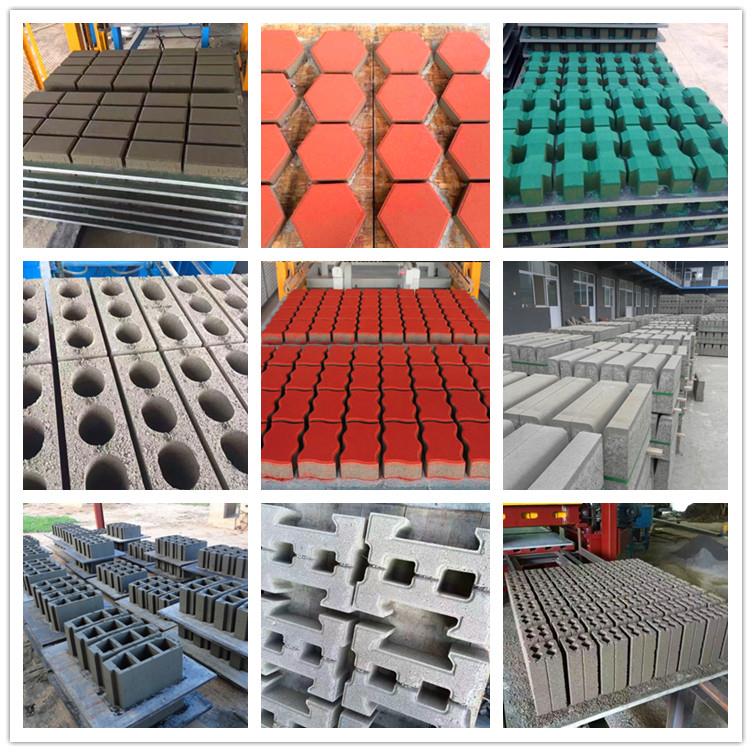
بناء أساس الامتثال: من اكتساب القانون إلى الإنتاج الاستباقي
ضمان الامتثال للقوانين هو عملية مستمرة ومتكاملة تبدأ قبل وقت طويل من وضع أول لبنة، وتستمر طوال دورة حياة الإنتاج. إنها تتطلب تحولًا من الاختبار التفاعلي إلى ثقافة الجودة المضمنة.
الخطوة الأولى: فك وفهم اللوائح المحلية
تبدأ الرحلة بفهم واضح ودقيق للمتطلبات القانونية.
- تحديد السلطة الحاكمة والقوانين المحددةتختلف قوانين البناء اختلافًا كبيرًا حسب الولاية القضائية. قد تشمل المعايير الرئيسية قانون البناء الدولي (IBC) في الولايات المتحدة، الذي يشير إلى معايير ASTM، ومجموعة Eurocode في أوروبا، التي تشير إلى معايير EN، أو قوانين وطنية محددة مثل قانون البناء الوطني الهندي (NBC). يجب على المنتجين تحديد القانون الدقيق المطبق في سوقهم، والذي غالبًا ما يتضمن تعديلات على مستوى الولايات أو المقاطعات أو البلديات.
- ترجمة الرموز إلى مواصفات المنتجتحدد قوانين البناء متطلبات الأداء لوحدات البناء الحجرية. وتتمثل مهمة المنتج في ترجمة ذلك إلى مواصفات منتج ملموسة وقابلة للتحكم. ويتضمن ذلك تحديد طرق الاختبار الدقيقة وعتبات الأداء الدنيا لـ:
- قوة الضغط:متوسط الحد الأدنى وقوة الوحدة الفردية (على سبيل المثال، وفقًا لمعيار ASTM C90 أو EN 772-1).
- امتصاص الماءالحد الأقصى المسموح به للامتصاص حسب فئة التجوية المعنية (شديدة، متوسطة، ضئيلة) كما هو محدد في المعايير مثل ASTM C216/C62.
- التسامحات الأبعاديةالتفاوت المسموح به في الطول والعرض والارتفاع (وفقًا لمعيار ASTM C216 أو EN 772-16).
- معدلات مقاومة الحريق:عند تقييم النظام، يبدأ الأمر بخصائص المواد للوحدة.
- I'm here to help with translations, but you didn't provide the source text to translate. Could you please share the text you'd like me to translate into Arabic? Codes for seismic zones, high-wind regions, or coastal areas may impose additional durability or structural performance criteria.
2. Engineering Compliance into the Production Process
Compliance cannot be tested into a product; it must be manufactured into it. This is where the selection and operation of machinery become paramount.
- Machinery as a Compliance Engine: High-quality, modern brick-making machines are designed for precision and repeatability—the very foundations of compliance.
- Precise Process Control: Machines equipped with advanced PLCs allow for the programming and locking of “compliance recipes.” These digital protocols ensure that for a specific brick type (e.g., a 3000 psi, moderate weathering facing brick), the machine automatically applies the exact compaction pressure, vibration profile, and cycle time required to hit the target strength and density every time, eliminating operator variability.
- Integrated Quality Assurance Sensors: On-board sensors monitor critical parameters in real-time: mix moisture content, hydraulic pressure during compaction, and pallet alignment. This data is not just for display; it is logged. A digital record proving that every batch was produced within specified pressure and moisture ranges is a powerful compliance document.
- Material Consistency Management: The machine’s front-end systems—automated batching and mixing—are vital. Consistent raw material proportions are non-negotiable for consistent output. Integration with automated weigh feeders and moisture probes ensures the mix design, once engineered for compliance, is executed flawlessly batch after batch.
3. The Imperative of a Rigorous Quality Management System (QMS)
A formal QMS provides the structural framework for ongoing compliance.
- Establishing an In-House Testing Laboratory: A basic but properly equipped lab is essential for daily control. It should perform routine tests on sampled bricks: dimensional checks with calibrated calipers, absorption tests (cold water immersion), and compressive strength tests using a certified compression machine. This provides immediate feedback and allows for process correction long before non-compliant bricks leave the yard.
- Third-Party Certification and Independent Audits: While in-house testing is for control, formal certification requires third-party validation. Regularly submitting samples to an accredited independent laboratory for full compliance testing generates official reports that are the currency of credibility with engineers, architects, and building inspectors. Furthermore, undergoing periodic audits from recognized certification bodies (for systems like ISO 9001) validates the entire QMS to clients.
- Comprehensive Documentation and Traceability: Every batch of bricks should be traceable. Documentation must include: the raw material batch tickets, the machine production log for that period showing stable operating parameters, the in-house test results for samples from that batch, and the corresponding third-party certification reports. This “chain of custody” proves due diligence and provides an incontrovertible defense in any dispute.
The Strategic Role of Distributors and Procurement Experts
For equipment distributors and material procurement specialists, positioning themselves as compliance facilitators is a powerful value proposition.
- Selling Compliance-Capable Technology: When engaging with producers, the conversation must elevate from “output per hour” to “compliance assurance.” Highlight machine features that directly enable code adherence: data logging, recipe control, precision hydraulics, and compatibility with mix designs that use code-approved supplementary materials like fly ash.
- Providing Regulatory Intelligence: Staying informed about pending code changes in their territory allows distributors to advise clients proactively. For example, upcoming changes to energy codes or allowable recycled content can be addressed by recommending specific machine upgrades or new mold designs.
- Facilitating Certification Partnerships: Distributors can add immense value by establishing relationships with accredited testing labs and certification agencies, simplifying the process for their clients to achieve and maintain necessary certifications.
خاتمة
Ensuring that machine-made bricks meet local building codes is a multifaceted endeavor that blends technical mastery with procedural discipline. It is a process that transcends the production floor, encompassing legal research, technological investment, systematic quality control, and meticulous documentation. For the modern brick producer, compliance is the non-negotiable license to operate in the professional construction market. For the astute distributor or procurement professional, therefore, the most valuable service is to empower clients to secure this license reliably. This is achieved by providing not just machinery, but a compliance-ready production system—equipment engineered for precision, paired with guidance on establishing a robust QMS. In an industry where liability is immense and reputation is everything, the ability to guarantee code-compliant output is the ultimate mark of quality and the most solid foundation for long-term business success. It transforms a commodity product into a certified, trusted building component.
الأسئلة الشائعة (FAQ)
Q1: Our client operates in multiple regions with different codes. How can their production be flexible enough to comply with all of them?
This challenge underscores the need for versatile, recipe-driven machinery. The solution lies in:
- Modular Mix Design Management: Maintaining separate, validated mix designs and raw material specifications for each target market.
- Machine Programmability: Using the PLC to store distinct production “recipes” for each product type required by the different codes. A simple selection on the HMI changes all parameters (pressure, vibration, etc.) to produce the compliant brick for Region A versus Region B.
- Separate Certification Portfolios: Obtaining and maintaining separate third-party certification reports for each key product line against the relevant regional standard. Clear labeling and batch tracing are critical to prevent mixing.
Q2: How frequently should third-party testing be conducted to maintain credible certification?
Frequency depends on code requirements and the certification body’s rules, but a standard industry practice is:
- Initial Qualification Testing: Extensive testing on multiple samples to establish the product’s performance baseline and gain the initial certification mark.
- Periodic Surveillance Testing: Quarterly or bi-annual testing by the third-party agency to ensure continued compliance. The certifying body typically performs unannounced plant audits and samples products for independent testing.
- In-House Daily/Weekly Testing: This is the producer’s responsibility for process control and does not replace formal third-party audits.
Q3: What is the most common cause of code compliance failure, and how can it be prevented?
The most common cause is inconsistency, often stemming from raw material variability or process drift. A batch may pass, but the next may fail due to an unnoticed change in sand moisture or a gradual drop in hydraulic pressure.
Prevention lies in automation and data:
- Automate batching and moisture control to lock in mix consistency.
- Use machinery with sensors and alarms that flag when a key parameter (like compaction pressure) deviates from the set “compliance recipe” range.
- Implement Statistical Process Control (SPC) charts for strength and absorption test results to identify negative trends long before a batch fails a formal test.
Q4: Do building codes address the environmental or sustainability properties of bricks?
Increasingly, yes. While traditional codes focus on structural and safety performance, modern green building codes and rating systems (like LEED, BREEAM, or CALGreen) are often adopted or referenced by local authorities. These may mandate or incentivize:
- Minimum recycled content in materials.
- Limits on embodied carbon.
- Regional material sourcing.
Producers aiming for public works or high-end commercial projects must now consider these “extended” code requirements, which may influence their choice of raw materials (e.g., using fly ash) and their supply chain logistics.
Q5: As a distributor, what documentation should we request from machinery manufacturers to support our clients’ compliance efforts?
To be a credible partner, request:
- Machine Calibration and Tolerance Certificates: Documents showing the precision of the hydraulic pressure system and mold dimensions.
- Test Reports from the Manufacturer’s Pilot Plant: Data showing the range of strengths and densities achievable with the machine using standard mixes.
- Declarations of Conformity: For electrical and safety standards (e.g., CE, UL markings).
- Evidence of Robust Construction: Material certificates for major steel components or wear parts.
