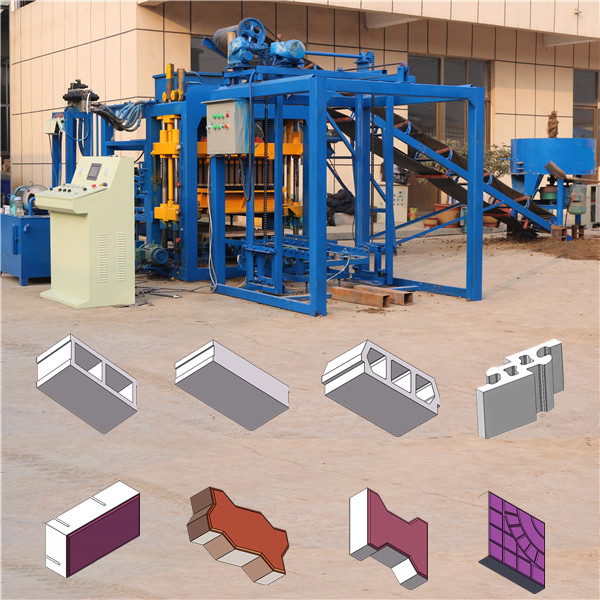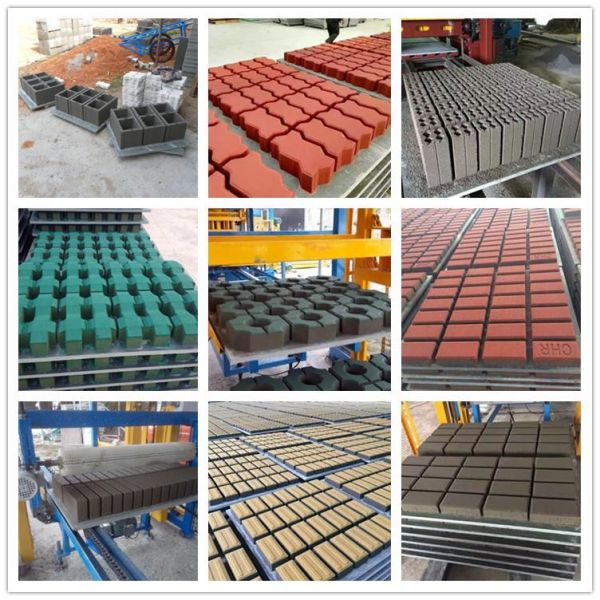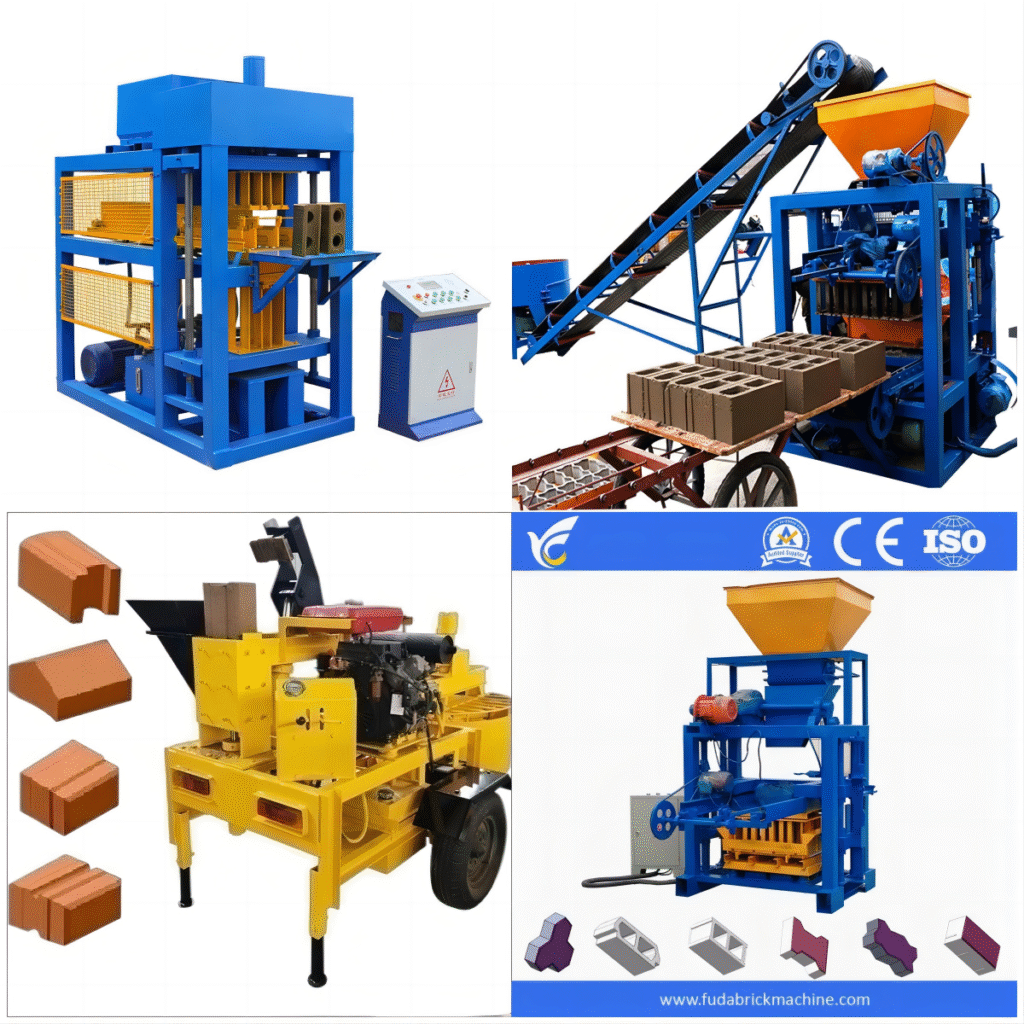
عماد صناعة البناء هو موادها، ومن بين أكثرها أساسية الطوب الأسمنتي. لقد تطورت المعدات المستخدمة في إنتاج هذه المكونات من أدوات يدوية بسيطة إلى أنظمة آلية متطورة للغاية.
تحليل شامل لآلات صنع الطوب الأسمنتي
1.1 المبدأ التشغيلي الأساسي وسير العمل
في جوهره، يعمل ماكينة صنع الطوب الإسمنتي على أتمتة عملية ضغط خليط من الإسمنت والركام (مثل الرمل أو الحجر المكسر) والماء في قالب لتشكيل طوب بأبعاد وكثافة محددة. يمكن تقسيم سير العمل الأساسي إلى عدة مراحل متميزة.
- تجميع وخلط المواد الخامتبدأ العملية بقياس المواد الخام بدقة، وغالبًا ما يتم ذلك باستخدام أنظمة خلط آلية أو يدويًا، اعتمادًا على مستوى تطور الآلة. تخلط المكونات الجافة جيدًا قبل إضافة الماء للحصول على خليط خرساني متجانس وشبه جاف ذو قوام مناسب للدمك.
- ملء القالبيتم بعد ذلك نقل أو تغذية الخليط المحضر إلى تجويف قالب الآلة. القالب، أو القالب المعدني، هو مكون مصمم بدقة يحدد شكل الطوبة وحجمها وملمس سطحها. تضمن الآلات المتطورة ملءً موحدًا لضمان ثبات الوزن والكثافة في جميع المنتجات.
- الضغط عالي الضغط:هذه هي المرحلة الأكثر حساسية. حيث يطبق نظام هيدروليكي أو ميكانيكي ضغطاً هائلاً على الخليط داخل القالب. تقوم قوة الضغط هذه بإزالة الفراغات الهوائية، وتكثيف الجسيمات معاً بإحكام، مما يمنح الطوبة متانتها البنيوية وقوتها العالية. يُعد مستوى الضغط، المقاس بالأطنان أو الميجاباسكال، عاملاً حاسماً في تحديد جودة المنتج النهائي.
- التدبير والتشكيل:بعد الكبس، يتم إخراج الطوب المُشكل حديثاً، والمعروف باسم "الطوب الأخضر"، من القالب. في المصانع الثابتة، يتم نقل هذه الطوب الأخضر إلى غرفة المعالجة. تتضمن المعالجة الحفاظ على درجة حرارة ورطوبة مُتحكم فيهما لفترة محددة، مما يسمح للإسمنت بأن يتحلل مائياً بالكامل ويكتسب القوة. قد تنتج بعض الآلات المتحركة طوباً تتم معالجته طبيعياً عن طريق تكديسه وتغطيته.
- التعامل مع الطوب والتكديس على المنصاتبمجرد أن تجف وتتصلب بشكل كافٍ، يتم تكديس الطوب النهائي تلقائيًا أو يدويًا على منصات للتخزين والنقل والتوزيع. وتقلل أنظمة التكديس الآلي بشكل كبير من متطلبات العمالة والأضرار الناجمة عن المناولة.
1.2 تصنيف وأنواع الآلات
تصنف آلات صنع الطوب الإسمنتي حسب طريقة تشغيلها ومستوى الأتمتة، حيث تلائم كل فئة مستويات إنتاجية مختلفة ومستويات استثمار متنوعة.
- آلات أوتوماتيكية بالكامل:تمثل هذه القمة في كفاءة الإنتاج. فهي تدمج جميع المراحل - الخلط، والمزج، والقولبة، والضغط، والتعبئة على المنصات - في عملية واحدة مستمرة يتحكم فيها الحاسوب. ومجهزة بوحدات تحكم منطقية قابلة للبرمجة (PLCs) وأنظمة هيدروليكية متطورة، فهي تتطلب الحد الأدنى من التدخل البشري ويمكنها العمل على مدار الساعة طوال أيام الأسبوع. وهي مثالية للإنتاج الصناعي واسع النطاق، ومشاريع البناء الكبرى، والأسواق ذات الطلب المرتفع للغاية.
- الآلات شبه الآلية: This type strikes a balance between output and investment. While the core compaction and molding processes are automated, certain tasks like raw material feeding or brick removal and stacking may require manual labor. They offer high production capacity and consistent quality at a lower capital cost than fully automatic systems, making them a popular choice for medium-sized enterprises.
- آلات يدوية أو وضع البيض: These are mobile, simple, and cost-effective units. An operator manually fills the mold, and the machine uses a lever or a small hydraulic mechanism to apply pressure. The machine is then moved, “laying” the brick directly on the ground for natural curing. While labor-intensive and lower in output, they offer unparalleled flexibility and a very low entry cost for small businesses, start-ups, or projects in remote locations.
1.3 Key Technical Specifications and Performance Metrics
For a distributor or purchaser, evaluating a machine based on its technical specifications is crucial. Key metrics include:
- Production Capacity (Bricks per Hour): This is the primary indicator of output. It varies dramatically, from a few hundred bricks per hour for manual machines to over 10,000 for large automatic lines.
- وقت الدورة: The total time taken to complete one molding cycle, directly influencing production capacity.
- Pressure Force (Tons or MPa): The maximum pressure the machine can exert, which correlates directly with the compressive strength of the final brick product.
- Power Rating (kW): The electrical power consumption of the machine, which impacts operational costs.
- Automation Level (PLC Control): The presence of a PLC system for precision, repeatability, and ease of operation.
- Overall Dimensions and Footprint: The physical space required for the machine and its auxiliary systems.
- تعدد استخدامات المواد الخام The ability to produce different products (solid, hollow, paving blocks, interlocking bricks) by simply changing the mold.
1.4 Strategic Advantages for Business and Construction
Investing in modern cement brick production technology offers a multitude of benefits:
- Exceptional Production Efficiency and Scalability: Automation drastically increases output while reducing the time per production cycle, allowing businesses to scale operations to meet large orders and tight deadlines.
- Superior and Consistent Product Quality: Machine-made bricks exhibit uniform dimensions, high density, and consistent compressive strength, which are critical for structural integrity and compliance with building codes.
- Significant Reduction in Labor Costs: Automated systems minimize the reliance on a large workforce for strenuous tasks, leading to substantial long-term savings and reduced management overhead.
- Enhanced Cost-Effectiveness on Raw Materials: These machines can efficiently use locally available raw materials, including certain industrial by-products like fly ash, reducing material costs and promoting sustainable practices.
- Operational Flexibility and Product Diversification: With interchangeable molds, a single machine can produce a wide array of brick types and styles, enabling a business to diversify its product portfolio and adapt to changing market trends without major capital reinvestment.
1.5 Critical Selection Criteria for Commercial Buyers
When procuring machinery for resale or own use, several factors must be meticulously evaluated:
- Assessing Target Market Demand: The choice of machine must align with the local market’s volume requirements, preferred brick types, and quality standards.
- Financial Analysis: Capital vs. Operational Expenditure: A fully automatic machine has a high initial cost but low running costs. A manual machine has a low entry price but higher per-unit labor costs. A thorough cost-benefit analysis is essential.
- Evaluation of After-Sales Support and Service: The availability of spare parts, technical support, and maintenance services from the supplier is a critical, often overlooked, factor that ensures long-term machine uptime and productivity.
- Supplier Verification and Compliance: It is imperative to partner with reputable suppliers who can provide certifications, comply with international safety standards, and offer reliable warranties.
خاتمة
The cement brick making machine is more than just a piece of industrial equipment; it is a pivotal asset that defines the productivity, quality, and profitability of a construction materials business. The transition from manual to automated production is a strategic move that yields dividends in the form of higher output, superior product consistency, and reduced operational expenses. For distributors and procurement specialists, a deep and nuanced understanding of the different machine types, their technical capabilities, and the associated commercial dynamics is not merely beneficial—it is a fundamental requirement for success. By prioritizing robust machinery that aligns with specific market needs and is backed by strong technical support, businesses can secure a formidable competitive edge in the dynamic global construction market.
الأسئلة الشائعة (FAQ)
Q1: What is the fundamental difference between a fully automatic and a semi-automatic machine?
A: A fully automatic machine is an integrated system where all processes, from feeding raw materials to stacking finished bricks, are performed by the machine with minimal operator input, controlled by a PLC. A semi-automatic machine automates the core molding and compaction processes but requires manual intervention for tasks like feeding the mixture or removing and stacking the cured bricks.
Q2: Can one machine produce different types and sizes of bricks?
A: Yes, most modern machines are designed with this flexibility in mind. By changing the mold (also called a die), the same machine can typically produce a variety of products, including solid blocks, hollow blocks, paving stones, and interlocking bricks of different dimensions.
Q3: What are the primary cost factors to consider beyond the initial purchase price?
A: The total cost of ownership includes:
- Operating Costs: Electricity and water consumption.
- تكاليف العمالة Wages for operators and maintenance staff.
- الصيانة وقطع الغيار Regular servicing and replacement of wear parts like molds and hydraulic seals.
- تكاليف المواد الخام The ongoing expense of cement, aggregates, and other additives.
- Land and Infrastructure: The cost of the factory space and foundation required for the machine.
Q4: How important is the pressure force specification?
A: Extremely important. The pressure force, measured in tons, directly determines the final brick’s density and compressive strength. Higher pressure results in a denser, stronger, and more durable brick that can meet higher structural grading standards.
Q5: What kind of after-sales service should a reliable supplier offer?
A: A dependable supplier should provide:
- Comprehensive installation and commissioning services.
- On-site or remote operator training.
- Ready availability of genuine spare parts.
- Access to technical support for troubleshooting.
- A clear and responsive warranty policy.
Q6: Are these machines suitable for export to different international markets?
A: Yes, but it is crucial to ensure the machine complies with the destination country’s voltage standards (e.g., 220V/50Hz or 440V/60Hz), safety regulations, and any local certification requirements. A competent supplier should be able to configure the machine for the target market.