
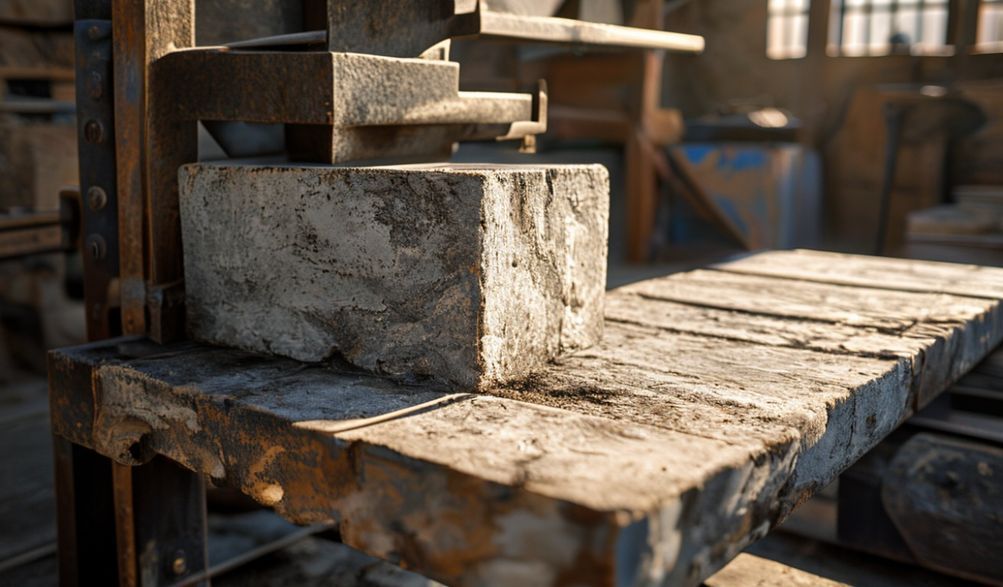
دليل شامل لإيجاد آلة صنع الطوب الخرساني اليدوي الرخيصة (دليل المشتري لعام 2026)
مقدمة
تخيل أنك باني صغير في مجتمع ريفي، أو رائد أعمال في منطقة نامية، أو متحمس للعمل اليدوي في مزرعة. لديك رؤية لبناء منزل، ورشة عمل، أو جدار حديقة. تحتاج إلى مواد بناء متينة وبأسعار معقولة، لكن أسعار الطوب المصنع تتجاوز ميزانيتك. مصانع إنتاج الطوب الصناعية بعيدة المنال، وتشكيل كل طوبة يدويًا هو مهمة شاقة وتستغرق وقتًا طويلاً.
هذا هو مفترق الطرق المشترك الذي تلتقي فيه الطموحات بالقيود العملية. فارتفاع تكلفة الآلات الآلية يجعلها بعيدة المنال عن معظم الأفراد والمشروعات الصغيرة، بينما الإنتاج اليدوي الكامل غالبًا ما يكون بطيئًا وغير متسق لأي شيء يتجاوز المشاريع الأصغر حجمًا.
تعرف على آلة صنع الطوب الخرساني اليدوي: الحل الوسط العملي والتمكيني. هذا الدليل مخصص لمساعدتك في العثور علىآلة صنع الطوب اليدوية الرخيصةلا يضحي بالجودة الأساسية مقابل سعره المنخفض. سنخترق ضجيج التسويق ونقدم لك رؤى صناعية ومعرفة عملية ونصائح من الواقع الفعلي. هدفنا هو تزويدك بالخبرة اللازمة لاتخاذ قرار شراء واثق ومستنير يعزز مشروعك أو مشروعك التجاري.
ما هي آلة صنع الطوب الخرساني اليدوية؟
في جوهرها، آلة الكتل اليدوية هي أداة تجمع بين البساطة الأنيقة والميزة الميكانيكية. إنها مكبس يدوي يُستخدم لتحويل خليط خرساني رطب إلى كتل بناء صلبة ودقيقة. إنها تسد الفجوة بين القولبة اليدوية البدائية والأنظمة الآلية المكلفة، مما يوفر السيطرة والتناسق في المكان الأكثر أهمية.
الوظيفة الأساسية والتشغيل الأساسي
العملية بسيطة لكنها فعالة:
1. ملءيتم ملء القالب أو التجويف الموجود في الماكينة بخليط خرساني مُجهز خالٍ من الترهل.
2. الضغط:يتم سحب آلية رافعة (قد تُساعدها رافعة هيدروليكية أحيانًا) إلى الأسفل، مما يطبق ضغطًا كبيرًا على الخليط عبر رأس دك. يؤدي هذا الضغط إلى إزالة الفجوات الهوائية ورص المادة بكثافة.
3. تجريديتم تحرير الضغط، ويتم رفع صندوق القالب أو إزالته، تاركًا قطعة طازجة ومستقرة على قاعدة الماكينة أو على منصة نقالة بالأسفل.
4. التداوييتم نقل الكتلة الخضراء بحذر إلى منطقة المعالجة حيث ستكتسب قوة تدريجيًا على مدار أيام من خلال الاحتفاظ بالرطوبة المناسبة.
بمجرد إتقان هذه الدورة، تصبح عملية إيقاعية ومنتجة.
المكونات الرئيسية وأدوارها
فهم الأجزاء يساعدك في تقييم الجودة.
* قالب/تجويف:يُحدد هذا المنتج النهائي. يمكن تهيئته لصنع الكتل الصلبة، والكتل المجوفة (التي تستخدم مواد أقل وتوفر عزلًا)، وألواح الرصف، أو حتى الكتل المتشابكة المتخصصة للبناء الجاف. تحدد دقة القالب دقة أبعاد الكتلة.
* آلية الضغط This is the core of the machine’s force. A long lever provides the mechanical advantage. Some models incorporate a standard automotive hydraulic jack for significantly greater, more consistent pressure with less physical effort.
* Frame and Base: This is the machine’s skeleton. It must be rigid and robust to withstand constant pressure without bending or warping. A wobbly frame leads to inconsistent blocks and a short machine lifespan.
* رأس العبث: This plate transfers the force from the lever evenly across the surface of the concrete mix in the mold. It must be strong and flat.
Why Choose a Manual Block Machine? Advantages & Limitations
Choosing any tool requires a clear-eyed view of its strengths and weaknesses. The manual block machine is no exception, and its profile makes it ideal for specific, impactful use cases.
The Compelling Advantages
- Extremely Low Initial Investment: This is the primary advantage and the core of the “cheap” appeal. Compared to motorized hydraulic machines that can cost tens of thousands, manual machines are accessible, often costing a fraction of the price.
- Zero Operating Costs: Once purchased, it requires no electricity, diesel, or compressed air to run. Your only ongoing costs are raw materials (cement, aggregate) and human labor. This makes it incredibly economical and suitable for off-grid locations.
- Portability and Simplicity: Most units are designed to be moved by two people. You can produce blocks directly on your construction site, eliminating transport costs for finished blocks. Their simple design also means minimal maintenance—no complex electronics or hydraulics to fail.
- Ideal for Small Batches & Custom Projects: It’s perfect for the rhythm of DIY projects, homestead building, or a small business that produces to order. You’re not locked into high-volume production runs.
Realistic Limitations to Consider
- Lower Production Output: Manage your expectations. A manual machine might produce 40-80 blocks per hour in a steady workflow, compared to hundreds or thousands per hour from an automated plant. It’s a tool for sustainable, paced production.
- Physical Labor Required: This is not a push-button operation. Operating the lever requires sustained physical effort. Ergonomics and teamwork are important to prevent fatigue.
- جودة الكتلة وثباتها: The machine provides the pressure, but the final block quality heavily depends on the operator’s skill and the consistency of the concrete mix. Perfecting your technique is part of the journey.
Critical Factors Before You Buy a “Cheap” Machine
The word “cheap” can be a trap. Here, we shift the focus from mere cost to true قيمة—getting a machine that lasts and performs, not one that fails after the first 100 blocks.
Defining “Cheap”: Cost vs. Value
Beware of machines priced suspiciously low (e.g., under $200). These often use dangerously thin gauge steel, poor welds, and imprecise molds. They bend, warp, and become useless quickly. Affordable durability is the goal. A realistic price range for a quality small-to-medium manual machine is between $500 and $1,500, depending on size, features (like a hydraulic jack), and build quality.
Machine Specifications to Scrutinize
Don’t just look at the picture; interrogate the specs:
* Block Output Size & Type: Exactly what block sizes (e.g., 4″x8″x16″, 5″x8″x16″) and styles (solid, 2-hole, 3-hole, interlocking) does the mold produce? Ensure it matches your local building standards or market demand.
* القدرة الإنتاجية: Ask for “cycles per hour.” Remember, one cycle might produce 2 or 3 blocks simultaneously. A realistic figure for a manual machine is 50-100 cycles per hour for a skilled operator.
* مواد البناء This is critical. Ask for the steel thickness (e.g., “frame made from 5mm thick steel plate”). Avoid anything described as “lightweight” or with unspecified thickness. Robust welds are a must.
* الضمان وقطع الغيار: A reputable supplier will offer at least a 6-month to 1-year warranty on the frame and molds. Ask about the availability of spare parts like tamper heads, lever handles, or replacement mold liners. This is a key trust signal.
The Importance of Raw Material Compatibility
The machine is only half the system. It’s designed for a specific type of mix: a no-slump, semi-dry concrete mix. Typically, this is a blend of:
* Cement
* Well-graded sand and/or small aggregate (usually under 10mm)
* Minimal water (just enough to bind when compacted)
Some machines are also excellent for Compressed Stabilized Earth Blocks (CSEB), using soil stabilized with a small percentage of cement. Confirm with your supplier if the machine is suited for this eco-friendly alternative.
Top Applications for Manual Block Machines
This tool finds its purpose in a variety of empowering scenarios:
Small-Scale Construction & DIY Projects
- Building garden retaining walls, sheds, and garages.
- Constructing small homes, cabins, or home extensions.
- Creating landscaping features like planters, steps, and patios (using paving molds).
Starting a Micro-Enterprise
For an entrepreneur with limited capital, this machine is a business-in-a-box. It enables you to:
* Produce blocks for sale in your local community.
* Fulfill custom orders for specific projects.
* Create a sustainable income stream with very low overhead.
Humanitarian and Community Development Projects
NGOs and community groups often use these machines in remote areas because they are:
* Logistically simple: Easy to transport and set up.
* Economically empowering: They use locally available materials and labor.
* مستدام They are perfect for building schools, clinics, latrines, and affordable housing, fostering self-reliance.
How to Get the Best Results & Maximize Your Investment
Your machine’s performance is directly tied to your skill and care. Follow these best practices.
Perfecting Your Concrete Mix Design
A good mix is stiff, not soupy. A classic starting ratio is 1 part cement : 6 parts combined aggregate (e.g., a mix of sand and 3/8″ gravel). The key test: Grab a handful and squeeze. It should hold its shape firmly without dripping water. Adjust water content meticulously.
Operational Best Practices
- Consistent Fill: Use a scoop to fill the mold evenly to the same level each time.
- Full Compression: Pull the lever through its complete arc to ensure maximum, even pressure. Don’t “short-stroke” it.
- Clean Stripping: Ensure the mold is lifted straight up smoothly to avoid damaging the block’s edges.
- Proper Curing: This is غير قابل للتفاوض for strength. Keep newly formed blocks damp (by covering with plastic sheeting or spraying with water) for at least 5-7 days. Full strength develops over 28 days.
Essential Maintenance for Longevity
- Daily: Thoroughly clean all concrete residue from the mold, tamper head, and base plate after use. Built-up concrete will affect block dimensions.
- Weekly: Lubricate all moving pivot points with grease.
- Monthly: Inspect for any hairline cracks in welds, wear on the mold liners, or bending in the frame.
Where to Find and Evaluate Suppliers
Navigating the marketplace requires a careful approach.
Global Online Marketplaces (Alibaba, Made-in-China, etc.)
- مزايا: Vast selection, ability to compare prices and specs from dozens of manufacturers.
- Cons & Red Flags: Quality can vary wildly. Vet suppliers aggressively: Check their transaction history and years in business. Read buyer reviews. Always request a video of the exact machine model in operation. Be wary of suppliers who only use stock photos.
Local Manufacturers and Distributors
- مزايا: This is often the best path. You can potentially visit the workshop, see the machine firsthand, and test it. Logistics are simpler, and after-sales support (like getting a spare part) is far more accessible. You support local industry.
Key Questions to Ask Any Supplier
Have this checklist ready:
1. “Can you send me a recent video of this exact model making blocks?”
2. “What is the exact thickness and grade of the steel used in the frame and mold?”
3. “Is a hydraulic jack included or available as an upgrade?”
4. “What is included in the price? (e.g., base pallets, tamper head, multiple mold types)”
5. “What is your warranty policy and can you supply spare parts?”
6. “What is the lead time and total cost with shipping to [Your Location]?”
FAQ Section
كم عدد البلوكات التي يمكنني صنعها في اليوم باستخدام آلة يدوية؟
أ: With a dedicated 8-hour day and a small team of 2-3 people (mixing, operating, curing), a realistic output for a standard manual machine is between 200 and 500 blocks. Output depends entirely on the machine size, operator efficiency, and workflow organization.
Q2: Is special training needed to operate it?
أ: No formal training is required. The operation is mechanically simple. However, achieving high-quality, consistent blocks requires learning best practices for mix design, compaction, and curing. We highly recommend watching detailed tutorial videos online before starting.
Q3: Can I make interlocking blocks with a cheap manual machine?
أ: Absolutely. Many manufacturers offer molds for interlocking blocks (like soil-cement interlocking blocks). You must specify this requirement when inquiring. The machine principle is the same; only the mold shape changes.
Q4: What’s the main difference between a $300 and a $1000 manual machine?
أ: The difference is in durability, precision, and capacity. The $1000 machine will typically have:
* Thicker, higher-grade steel.
* More precise, machined molds for better block accuracy.
* Heavier-duty components (lever, pins).
* Possibly a higher block-per-cycle output.
* Better welding and finish.
* A more reputable manufacturer backing it.
Q5: How long do these machines typically last?
أ: A well-made machine from a quality supplier, when used and maintained properly, can last for decades and produce hundreds of thousands of blocks. The main wear items are the mold liners, which can often be replaced, extending the machine’s life indefinitely.
خاتمة
A آلة صنع الطوب اليدوية الرخيصة is far more than just a tool; it’s a gateway to independence, savings, and entrepreneurial opportunity. It democratizes the ability to create durable building materials, putting the power of production directly in your hands. The key takeaway from this guide is to be a savvy buyer—look beyond the initial price tag to the underlying value, construction quality, and the reputation of the supplier.
You are now equipped with the knowledge to ask the right questions and spot the red flags. Prioritize a robust machine from a communicative, trustworthy source. With careful selection, proper operation, and basic maintenance, your investment will pay for itself many times over, whether you’re building your own future or laying the foundation for a thriving small business.
Ready to start your search? Use the checklist and questions from this guide to confidently contact suppliers. Have you used a manual block machine before? Share your experiences or questions in the comments below!
<