
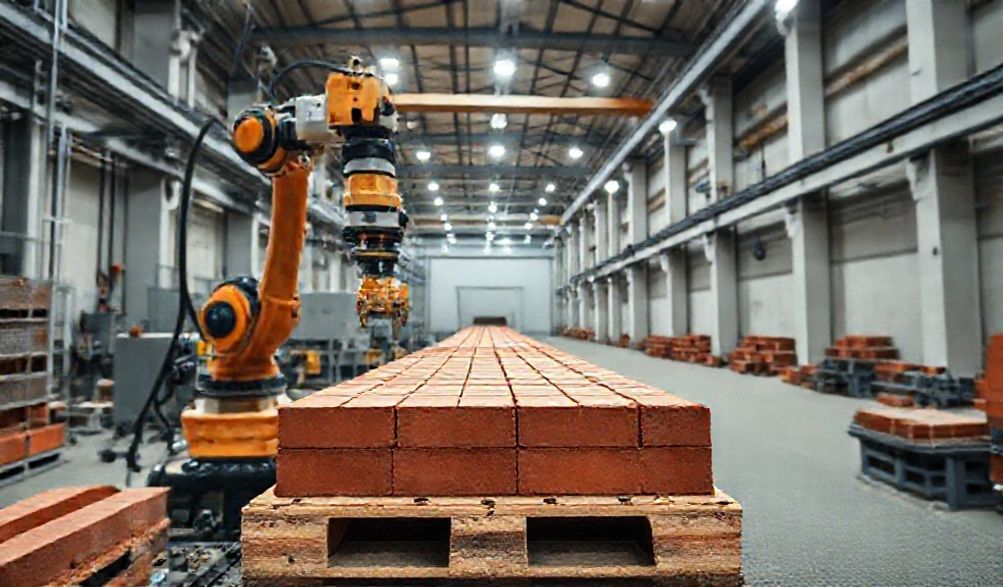
The Ultimate Guide to Fully Automatic Clay Brick Making Machines
For centuries, brickmaking was synonymous with back-breaking labor, inconsistent quality, and painstakingly slow output. Today, a quiet revolution is reshaping the foundations of the construction industry. Automation has moved from a luxury to a necessity for manufacturers seeking to compete, scale, and thrive in a modern market. The challenges of rising labor costs, stringent quality standards, and the relentless demand for higher volume are being solved by one pivotal investment: the clay brick making machine fully automatic.
This comprehensive guide is designed to cut through the complexity. Compiled from industry engineering data, operational principles, and insights from manufacturing experts, it provides reliable, actionable information for business owners, plant managers, and investors. Our goal is to help you understand not just how this technology works, but how it can transform your profitability and operational resilience.
We will explore the inner workings of these automated plants, break down their substantial benefits, provide a clear framework for selecting the right machinery, and glimpse into the future of intelligent brick manufacturing.
What is a Fully Automatic Clay Brick Making Machine?
A fully automatic clay brick making machine is not a single piece of equipment, but a complete, integrated production system. It is distinguished from semi-automatic or manual setups by its ability to perform the entire brick-making process—from raw material feeding to the stacking of finished, cured bricks—with minimal human intervention. The process is orchestrated by a central Programmable Logic Controller (PLC), which synchronizes every component into a seamless, continuous flow.
The core principle is end-to-end integration. Where traditional methods involve separate, disjointed stages for mixing, molding, drying, and handling, a fully automatic plant connects these stages with conveyors and automated transfer systems. Human roles shift from manual labor to supervision, monitoring, and maintenance, unlocking unprecedented levels of consistency, speed, and safety.
The Integrated Production Line: From Clay to Finished Brick
Raw Material Processing & Feeding System
The journey begins with the automated preparation of raw clay. This system typically includes:
* Automatic Feeders: Hoppers that meter clay and additives (like sand or fly ash) in precise ratios.
* Primary Crushers & Rollers: Break down large clay lumps into a uniform size.
* Automatic Mixers: Combine clay with water to achieve the exact moisture content (“tempering”) required for optimal plasticity. The prepared material is then conveyed automatically to the next stage.
Automatic Molding and Compaction Unit
This is the heart of the plant where the brick gets its shape. The tempered clay is fed into the machine’s extrusion chamber or hydraulic press mold.
* In extrusion types, a vacuum de-airing unit removes air pockets, creating a denser column of clay, which is then extruded and wire-cut to size.
* In hydraulic press types, high pressure is applied within a mold to form the brick.
The molded “green” bricks are automatically placed onto setting pallets or dryer cars by robotic arms or conveyor systems.
Setting, Drying, and Curing Automation
This stage manages the critical phase of removing moisture and hardening the brick.
* Automatic Setting Systems: Robotic arms or stackers arrange green bricks onto carts with precise spacing for air circulation.
* Tunnel Dryers: Brick-laden carts move automatically through controlled, heated tunnels that remove moisture gradually to prevent cracking.
* Automatic Kiln Handling: After drying, the same automated transfer systems load bricks into tunnel kilns for firing, and later unload the finished, cured product.
Robotic Handling, Sorting, and Palletizing
Post-firing, the process remains hands-off:
* Robotic Unloaders: De-palletize bricks from kiln cars.
* Sorting & Inspection Conveyors: Bricks may pass through automated inspection stations. Rejects can be diverted automatically.
* Automatic Palletizers & Stackers: Robots stack finished bricks onto pallets or in packs, ready for strapping and shipment.
المزايا الرئيسية لأتمتة إنتاج الطوب
Investing in a fully automatic system is a strategic business decision with multifaceted returns.
Unmatched Production Efficiency & High Output
Automation runs 24/7 with minimal downtime. Cycle times are precise and rapid, leading to output that can be 5 to 20 times higher than a semi-automatic plant of similar footprint. This allows you to meet large-scale orders and market demand consistently.
جودة الطوب المتفوقة والمتسقة
Human variability is eliminated. Every brick is molded, dried, and fired under identical, digitally controlled conditions. This results in:
* Uniform dimensions and shape.
* Consistent density, compressive strength, and color.
* Drastically reduced breakage and rejection rates.
Significant Reduction in Labor Costs & Dependence
A fully automatic plant may require only 3-8 skilled personnel per shift for supervision, maintenance, and logistics, compared to dozens for manual production. This reduces long-term wage burdens and mitigates risks associated with labor shortages.
Enhanced Worker Safety and Improved Working Conditions
Automation removes workers from the most hazardous tasks: heavy lifting, repetitive strain injuries, and exposure to extreme heat near kilns. The work environment shifts to one focused on technical oversight in control rooms.
Optimized Material Usage and Waste Reduction
Precise computerized feeding and mixing minimize raw material spillage and overuse. Consistent processes lead to fewer defective bricks, maximizing the yield from every ton of clay.
Long-Term Cost Savings and Stronger ROI
While the initial capital outlay is higher, the long-term economics are compelling. Savings from reduced labor, lower waste, higher quality (commanding better prices), and increased throughput typically lead to a payback period of 2 to 5 years, followed by significantly higher profit margins.
Types of Fully Automatic Brick Making Machines
Choosing the right type depends on your product goals and raw materials.
Based on Production Process: Extrusion vs. Hydraulic Press
- Extrusion Type Machines: Clay is vacuum-treated and forced through a die to form a continuous column, which is then wire-cut. الأفضل لـ: Standard solid, hollow, or perforated bricks. Excellent for high-volume production of uniform products.
- Hydraulic Press Type Machines: Clay is compacted under extremely high pressure in a rigid mold. الأفضل لـ: High-density paving bricks, interlocking blocks, and specialty shapes where precise dimensional accuracy and superior surface finish are critical.
Based on Output Capacity
- Small-Scale Plants: Output from 8,000 to 20,000 bricks per 8-hour shift. Ideal for regional suppliers or businesses scaling up from manual operations.
- Medium-Scale Plants: Output from 20,000 to 50,000 bricks per shift. Suits growing businesses and established manufacturers.
- Large-Scale Plants: Output exceeding 50,000 bricks per shift, up to 200,000+. Designed for major industrial producers supplying large construction projects.
Specialized Machines for Different Brick Types
Modern machines are highly adaptable by changing molds and dies:
* الطوب الصلب: The most common output.
* الطوب المجوف: For lighter weight and better insulation.
* Paving Blocks & Interlocking Bricks: Require high-pressure hydraulic systems.
* Special Shapes: Facade bricks, curved blocks, etc.
Critical Components of a Fully Automatic Plant
Understanding the key subsystems is crucial for evaluation.
The Heart: The Main Brick Making Machine (with PLC)
The central unit (extruder or press) houses the PLC—the digital brain that controls pressure, speed, and timing for the entire line.
The Backbone: Automatic Mixer and Feeder Conveyor
Ensures a continuous, homogenous supply of perfectly tempered clay to the main machine without interruption.
The Muscle: Brick Handling Robots and Stackers
These robotic arms or automated stackers transfer green bricks to dryer cars and handle finished products, replacing dozens of manual laborers.
The Support System: Belt Conveyors and Transfer Carts
The network that connects all stages, moving pallets, carts, and bricks between processing zones.
The Brain: Integrated Control Panel and Monitoring Software
The user interface where operators monitor production data, adjust parameters, and diagnose issues, often from a remote location.
How to Choose the Right Machine for Your Business
A methodical selection process is key to a successful investment.
Assess Your Production Requirements: Volume and Brick Type
Forecast your current and 5-year future demand. Define the primary brick types (solid, hollow, paving) you will produce. Your product mix dictates the machine type (extrusion vs. press).
Evaluate Your Raw Material: Clay Type and Properties
Conduct a thorough analysis of your clay’s plasticity, shrinkage, and mineral content. Share samples with machine manufacturers to ensure their system is configured to handle your specific material efficiently.
Analyze Factory Space, Layout, and Power Supply
An automated line requires a logical linear or U-shaped layout. Ensure you have adequate space for the entire line, including drying and storage. Verify access to stable, high-capacity electrical power (often 3-phase).
Budget Considerations: Initial Investment vs. Operational Costs
Look beyond the sticker price. Calculate Total Cost of Ownership (TCO), including:
* Installation & commissioning.
* Energy consumption.
* Cost of wear parts (molds, cutting wires).
* Annual maintenance contracts.
Vendor Selection: Reputation, Service, and Spare Parts Availability
This is where due diligence is critical. Look for:
* Certified manufacturers with a proven track record.
* Willingness to provide client references and arrange visits to operational plants.
* A strong after-sales service network and guaranteed availability of genuine spare parts.
* Comprehensive training programs for your technicians.
Operational Considerations and Best Practices
Success depends on how you run and maintain the system.
Skilled Technician Training and Workforce Upskilling
Invest in thorough training from the supplier. Your team needs to understand PLC operation, basic troubleshooting, and maintenance procedures, not just manual brick handling.
Routine Maintenance Schedule for Peak Performance
Adhere strictly to the manufacturer’s maintenance checklist. Daily, weekly, and monthly tasks (like lubricating bearings, checking hydraulic fluid, and inspecting wear parts) prevent catastrophic downtime.
Ensuring Consistent Raw Material Quality for Smooth Operation
Automated systems demand consistency. Incoming clay should be pre-processed to remove stones and debris. Variations in clay quality are the leading cause of disruptions in an otherwise smooth automated process.
Energy Consumption Management and Sustainability Tips
- Consider heat recovery systems from kilns to pre-heat dryer air.
- Explore using renewable energy sources or high-efficiency motors.
- Optimize production schedules to avoid peak energy tariff periods.
The Future of Brick Making: Trends in Automation
The next wave of innovation is already here, making plants smarter and greener.
Integration of IoT for Real-Time Monitoring and Predictive Maintenance
Sensors on motors, bearings, and hydraulic systems will stream data to the cloud. You’ll receive alerts for potential failures before they happen, scheduling maintenance proactively to avoid unplanned stops.
AI and Machine Learning for Process Optimization
AI algorithms will analyze production data to automatically fine-tune parameters—like extrusion speed or dryer temperature—in real-time for maximum quality and minimum energy use, adapting to subtle changes in raw material.
Advancements in Energy-Efficient and Eco-Friendly Designs
Expect more machines designed for alternative, sustainable materials (like higher fly ash content) and systems that drastically reduce water consumption and overall carbon footprint per brick produced.
الأسئلة الشائعة (FAQ)
Q1: What is the average cost of a fully automatic clay brick making plant?
أ: Costs vary immensely based on capacity, configuration, and level of automation. A basic small-scale line might start around \$100,000, while large-scale, turnkey plants with advanced robotics and drying systems can exceed \$1.5 million. It’s essential to get detailed, customized quotes based on your specific requirements.
Q2: What is the typical payback period for such an investment?
أ: The payback period is influenced by scale, local labor and energy costs, and operational efficiency. Generally, well-run automatic plants see a return on investment within 2 to 5 years, primarily through massive labor savings, increased output, and higher quality products that sell at a premium.
Q3: Can these machines produce different brick sizes and designs?
أ: Absolutely. The primary method is by changing the mold (for press machines) or the extrusion die and cutting setup (for extruders). Modern machines are designed for relatively quick changeovers, allowing flexible production schedules for different products.
Q4: How much manpower is required to operate a fully automatic plant?
أ: In stark contrast to manual plants, a fully automatic system typically requires a small crew of 3-8 skilled personnel per shift. Their roles involve monitoring the control panel, performing quality checks, managing raw material input, and handling the palletized output, not the direct handling of individual bricks.
Q5: What are the most common maintenance issues?
أ: Common wear parts include extrusion dies, cutting wires, and mold liners. Regular attention is needed for hydraulic system seals, conveyor belt alignment, and roller bearings. The single best practice is implementing a strict preventive maintenance schedule and partnering with your supplier for annual service and using genuine spare parts to ensure longevity.
خاتمة
The transition to a fully automatic clay brick making machine represents more than a machinery upgrade; it is a strategic redefinition of a manufacturing business. It directly addresses the core challenges of the modern era: the need for scale, impeccable quality, cost-competitiveness, and safer operations. The data is clear—automation is the pathway to resilience and growth in the global construction materials market.
This investment should be viewed as future-proofing your enterprise. It requires thorough research, careful planning, and, most importantly, choosing a technology partner with the expertise and support structure to ensure your success for decades.
Ready to transform your brick production? We recommend starting with a detailed feasibility study and consulting with established, certified manufacturers. Request live demos, visit operational plants, and analyze total lifecycle costs to make an informed decision that will build the foundation for your business’s growth for decades to come.
<