
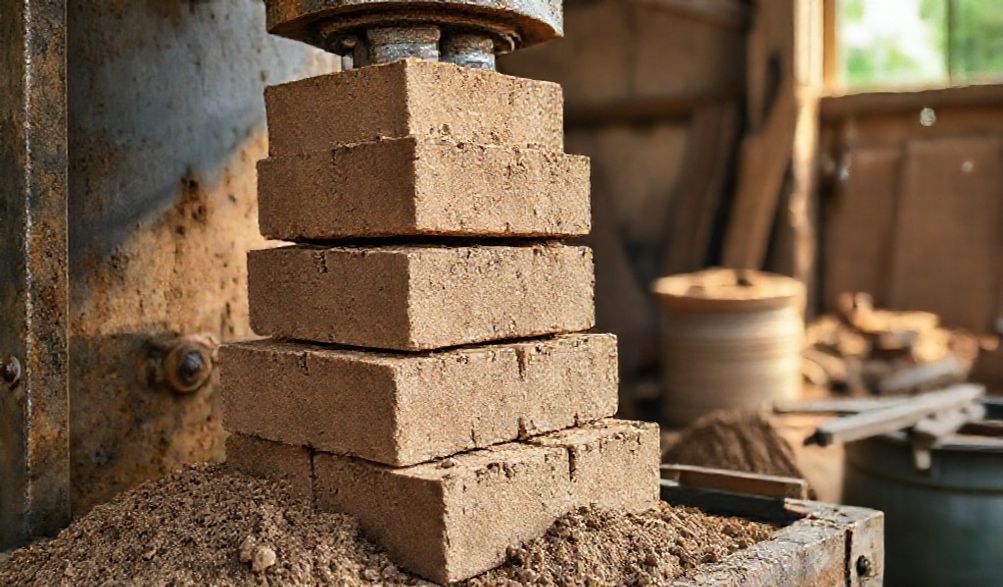
الدليل الشامل لآلات صنع الطوب التربة: بناء مستدام وتوفير في التكاليف
تخيل بناء مبانٍ متينة وصديقة للبيئة باستخدام الأرض التي تقف عليها. هذا ليس عودة إلى الأساليب البدائية، بل قفزة نحو مستقبل أكثر ذكاءً ومسؤولية. لآلاف السنين، بنت الحضارات من الرومان إلى وادي السند هياكل دائمة باستخدام التربة. اليوم، تقوم التقنيات الحديثة...آلات صنع الطوب من التربةحول هذه الحكمة القديمة إلى حل قابل للتوسع، وبأسعار معقولة، وفعال لبناة العصر الحديث، والمطورين، والمزارعين، ورواد الأعمال البيئيين.
سواء كان هدفك هو خفض تكاليف مواد البناء بنسبة تصل إلى 50%، أو الشروع في مشروع بناء مستدام حقاً، أو بدء عمل تصنيعي صغير الحجم قابل للاستمرار، فإن إتقان هذه التكنولوجيا هو الخطوة الأولى الحاسمة. صُمم هذا الدليل ليكون مصدرك الشامل. نحن ندمج عقوداً من المبادئ الهندسية، والخبرة العملية الميدانية مع آلات متنوعة، وأفضل الممارسات المجربة في الصناعة لتقديم معلومات موثوقة وقابلة للتطبيق. سنتجاوز الضجيج والادعاءات التسويقية لنمنحك فهماً واضحاً وواثقاً.
إليكم ما سنتناوله: كيفية عمل هذه الآلات المبتكرة، وفوائدها الجذابة، والأنواع المختلفة المتاحة لتناسب حجم مشروعكم، والعوامل الحاسمة لاختيار النموذج المناسب، وجولة واقعية عبر العملية التشغيلية الكاملة من التربة إلى الجدار النهائي.
ما هي آلة صنع الطوب من التربة وكيف تعمل؟
في جوهره، آلة صنع الطوب الترابي هي أداة للتمكين. فهي تمكنك من تحويل مورد محلي متاح -التراب- إلى مادة بناء عالية الجودة وموحدة.
التعريف الأساسي
آلة صنع الطوب الترابي هي جهاز مصمم لضغط خليط محدد من التربة (عادة التربة التحتية)، ونسبة صغيرة من مادة مثبتة مثل الأسمنت أو الجير، والماء، لإنتاج طوب أو بلوكات عالية الكثافة ومتجانسة. الفارق الرئيسي عن صناعة الطوب التقليدية هو أن هذه الطوب تكتسب قوتها من خلال الضغط والتثبيت الكيميائي.ليسمن خلال الحرق في فرن كثيف الاستهلاك للطاقة. تُعرف المنتجات الناتجة باسم الطوب الأرضي المضغوط المستقر أو الطوب الترابي المستقر.
علم التثبيت
لماذا نضيف الأسمنت أو الجير؟ هذه هي الهندسة وراء البساطة. التربة وحدها، عند دكها، تتماسك ولكن يمكن أن تتآكل بالماء وتفقد قوتها. يعمل المثبت (عادة 5-10% أسمنت بورتلاندي أو 5-15% جير) كعامل ربط.
- يربط جزيئات التربة معًا كيميائيًا.
- يقلل بشكل كبير من قابلية الطوب للتلف بسبب الماء.
- يوفر قوة ضغط متسقة وموثوقة تلبي أو تتجاوز العديد من مواد البناء التقليدية.
عملية التثبيت هذه هي ما يجعل الطوب متينًا بما يكفي للهياكل الدائمة الحاملة للأحمال في المناخات المتنوعة.
العملية الميكانيكية – خطوة بخطوة
تتبع العملية، بغض النظر عن نوع الآلة، تسلسلاً منطقياً من أربع مراحل.
-
إعداد المواد:أساس الطوب الجيد. تُغربل التربة أولاً لإزالة الحجارة والجذور والمواد العضوية. ثم تُخلط مع النسبة الدقيقة من المثبت والماء الكافي لتحقيق محتوى رطوبة مثالي – عادة ما تكون رطبة، وليست مشبعة. التجانس أمر بالغ الأهمية.
-
الضغط:هنا حيث تحدث الآلة سحرها. يُغذى الخليط المُحضر إلى غرفة قالب فولاذي. ثم يقوم مكبس أو مكبس بتطبيق ضغط هائل—غالباً ما يُقاس بالأطنان—لضغط الخليط. هذا الضغط العالي يزيل الجيوب الهوائية ويحاذي الجسيمات، مكوناً بنية كثيفة وقوية.
-
طرد: Once compressed, the newly formed brick is ejected from the mold onto a pallet or the ground. With manual machines, this involves lifting a lever; with automatic machines, it’s a seamless part of the cycle.
-
التداوي The most patient yet vital phase. The bricks are carefully stacked, kept moist (often by covering with plastic sheeting), and left to cure for a period, typically 28 days for cement stabilization. During curing, the stabilizer fully hydrates and bonds, allowing the brick to reach its designed strength.
Key Benefits of Using a Soil Brick Machine
Adopting soil brick technology isn’t just about making bricks; it’s about embracing a system with multifaceted advantages.
Exceptional Cost-Efficiency
The economic argument is powerful. Your primary raw material—soil—is often available on-site or locally at minimal cost. When compared to fired clay bricks or concrete blocks, you eliminate the massive energy costs of kiln firing and reduce the need for transported materials.
- Material Cost Reduction: Up to 50-60% savings on walling materials are common.
- Low Operational Cost: Machines, especially manual ones, have minimal energy requirements.
- High-Profit Potential: For entrepreneurs, the low input cost versus the market value of finished bricks creates an attractive business model.
Champion of Sustainability
This is where soil bricks truly shine, offering one of the lowest carbon footprints of any building material.
- Local & Natural: Utilizes locally sourced soil, drastically reducing transportation emissions.
- Low Embodied Energy: No high-temperature firing required.
- Minimal Waste: Production waste is near zero, and bricks are often biodegradable or reusable.
- Building Performance: Soil bricks have excellent thermal mass, naturally regulating indoor temperature by absorbing heat during the day and releasing it at night, reducing heating and cooling energy needs.
Durability and Performance
Don’t mistake “earth” for “weak.” Properly made CSEBs are robust construction materials.
- قوة ضغط عالية: Ranging from 5 to 10+ MPa, they are more than adequate for multi-story, load-bearing walls.
- مقاومة ممتازة للحريق They are inherently non-combustible, offering superior fire safety.
- Moisture Buffering: They naturally absorb and release ambient humidity, contributing to healthier indoor air quality.
- Dimensional Stability: Precision machines produce uniform blocks that simplify and speed up construction.
Empowerment and Accessibility
The technology democratizes construction. It enables decentralized production, reducing dependency on large, centralized factories and long supply chains.
- Community Projects: Ideal for NGO-led housing, school, or clinic constructions.
- Local Entrepreneurship: Empowers individuals to start small manufacturing businesses.
- Self-Reliance: Allows landowners to build their own homes using resources from their own land.
Types of Soil Brick Making Machines: Choosing Your Workhorse
Selecting the right machine is pivotal. Your choice should be dictated by your project scale, budget, and labor availability.
Manual Press Machines (e.g., Cinva Ram style)
The entry point into the world of soil brick making.
- الأفضل لـ: Individual homeowners, small-scale DIY projects, NGOs with community labor, training workshops, and ultra-low-budget startups.
- مزايا:
- استثمار أولي منخفض جداً.
- No electricity required—fully human-powered.
- Highly portable and simple to maintain.
- Rugged and long-lasting with minimal moving parts.
- سلبيات:
- Labor-intensive; output depends heavily on operator stamina.
- Low production rate (typically 100-300 bricks per day).
- Brick quality can vary slightly with operator consistency.
Semi-Automatic / Electric Machines
The sweet spot for small to medium enterprises and dedicated construction projects.
- الأفضل لـ: Small brick-making businesses, medium-sized housing developments, farm building projects, and higher-volume production needs.
- مزايا:
- Excellent balance between output, cost, and automation.
- Significantly reduces physical labor compared to manual presses.
- Produces highly consistent, quality bricks due to mechanical compression.
- Higher output (can range from 500 to 2,000+ bricks per day).
- سلبيات:
- Requires a reliable electricity connection or generator.
- Higher upfront cost than manual presses.
- More complex components require basic technical maintenance.
Fully Automatic Hydraulic Machines
The industrial-grade solution for maximum output.
- الأفضل لـ: Large-scale commercial brick production yards, industrial operations, and municipal projects requiring very high volumes.
- مزايا:
- Very high, consistent output (thousands of bricks per day).
- Superior brick density and uniformity.
- Minimal manual labor required—often just feeding material and stacking bricks.
- Can integrate with automated mixers and conveyors.
- سلبيات:
- استثمار رأسمالي مرتفع.
- Requires robust, three-phase power supply.
- Complex machinery necessitates more sophisticated maintenance and technical support.
Mobile vs. Stationary Units
An additional consideration is mobility. Trailer-mounted machines are fantastic for on-site production, eliminating brick transportation costs entirely for large builds. Stationary units are for fixed factory or yard setups, optimized for continuous production in one location.
عوامل حاسمة يجب مراعاتها قبل الشراء
Avoid costly mistakes by carefully evaluating these key areas before purchasing.
Soil Suitability Analysis
This is the non-negotiable first step. Not all soil is suitable. The ideal soil is a “loam” with a balanced mix of clay (15-30%), silt, and sand.
- Simple Field Test (The Jar Test): Fill a clear jar 1/3 with soil, add water, shake vigorously, and let it settle for 24 hours. The layers will show the approximate proportions of sand, silt, and clay.
- Professional Testing: For large projects, a lab test for particle size distribution and stabilizer compatibility is a wise investment.
القدرة الإنتاجية والإنتاج
Be realistic. Match the machine’s practical, sustained output (not the peak theoretical number) to your daily brick requirements. Consider curing space and stacking labor, which can become bottlenecks faster than the machine’s speed.
Brick Size and Design Flexibility
- المقاسات القياسية: Most machines offer molds for common sizes (e.g., 230x110x75 mm).
- تصميمات متشابكة: Many machines produce specially shaped bricks that lock together without mortar, speeding up construction and saving material.
- قوالب مخصصة: Check if the supplier can provide custom molds for unique architectural features.
Build Quality and After-Sales Support
The machine is a long-term asset. Inspect:
* بناء الإطار: Heavy-duty steel is essential for withstanding constant pressure.
* جودة القالب: Hardened steel molds resist wear and ensure dimensional accuracy.
* Support: Does the supplier offer installation guidance, manuals, training videos, and—critically—access to spare parts?
التكلفة الإجمالية للملكية
Look beyond the machine’s price tag. Your full startup budget should include:
* Soil screening and mixing equipment.
* Pallets or boards for curing.
* Space for drying and storage.
* Labor costs.
* A contingency fund for maintenance and spare parts.
The Operational Workflow: From Soil to Finished Wall
Understanding the end-to-end process ensures smooth operations.
Phase 1: Site and Material Preparation
Success is built here. Source soil from beneath the topsoil layer. Conduct your soil test, then establish the correct stabilizer ratio through small test batches. Use a mechanical mixer (pan, rotary, or concrete mixer) to achieve a perfectly uniform blend. Consistency in the mix is consistency in the brick.
Phase 2: Brick Production & Quality Control
During production, maintain a steady workflow. Operate the machine according to its manual—consistent fill volume and pressure are key. Implement simple quality control:
* Periodically weigh a brick.
* Measure its dimensions.
* Perform a simple drop test (a well-made brick shouldn’t break when dropped from waist height onto a hard surface).
* Stack bricks neatly on pallets for easy moving to the curing area.
Phase 3: Curing and Construction
Curing is not drying. Bricks must be kept moist for the stabilizer to react fully. Spray them with water and cover with plastic for 14-28 days. When building:
* Use a strong, damp-proof course or plinth.
* Use a mortar compatible with the bricks (often a soil-cement slurry).
* Protect finished walls with a good overhanging roof and, if desired, a breathable plaster.
الأسئلة الشائعة (FAQ)
Q: What is the typical compressive strength of a soil-cement brick?
أ: With suitable soil and 5-10% cement content, compressive strengths of 5 to 10 MPa (approximately 700 to 1500 psi) are standard. This exceeds the strength of many traditional fired clay bricks and is perfectly suitable for constructing 2-3 story load-bearing buildings.
Q: Can I use pure soil without any stabilizer?
أ: For durable, weather-resistant structural bricks in most climates, a stabilizer is essential. Unstabilized earth bricks (like adobe) are possible but require very arid climates and thick, protective plasters to survive rain. Stabilization is the key to modern, reliable earth construction.
Q: How does the cost compare to traditional clay bricks or concrete blocks?
أ: Material costs are typically 30-50% lower. The total project savings depend on labor, scale, and local prices for conventional materials. The return on investment for the machine itself can be very quick for a production business, often within a few projects.
Q: Are buildings made with these bricks safe and legal?
أ: Absolutely. Stabilized Soil Blocks are recognized in the building codes of many countries, including India, Kenya, and others. For any structural project, it is imperative to check your local building regulations and have plans approved by a qualified structural engineer familiar with earth construction.
Q: What is the maintenance like for the machine?
أ: Maintenance is generally straightforward. It involves regular cleaning to prevent material buildup, lubrication of all moving parts, and periodic inspection of wear items like mold liners, piston seals, and, for hydraulic machines, fluid levels and hoses. Manual presses require almost no maintenance beyond keeping them clean and rust-free.
خاتمة
Soil brick making machines represent more than just a piece of equipment; they represent a paradigm shift towards economical, sustainable, and resilient construction. They empower you to transform the abundant resource underfoot into high-quality, durable building blocks.
Your path to success is clear: begin by understanding your soil, precisely define the scale and needs of your project, and then carefully match those needs to the appropriate type of machine. Let your requirements drive the decision, not just the initial price tag.
Embracing this technology is a step toward creating buildings that are not only cost-effective but also have a low environmental impact and promote local self-reliance. Ready to explore further? Your next step is to conduct a simple soil test on your site and begin researching reputable machine suppliers with strong testimonials and support. The foundation for your next project could literally come from the ground you stand on.
<