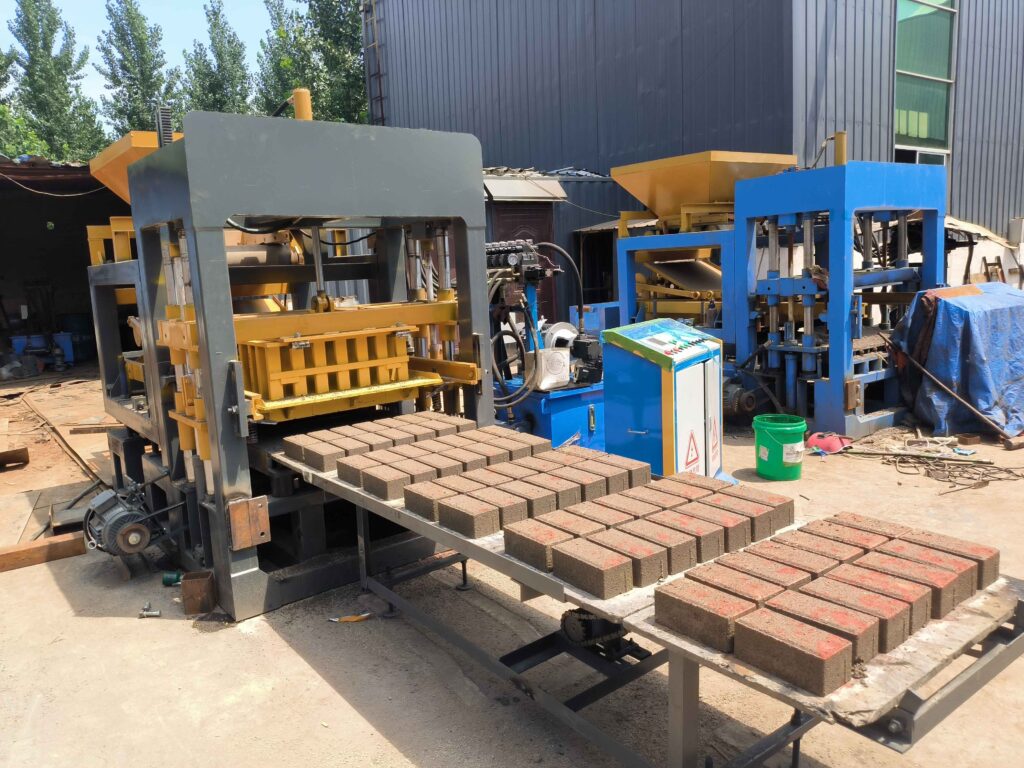
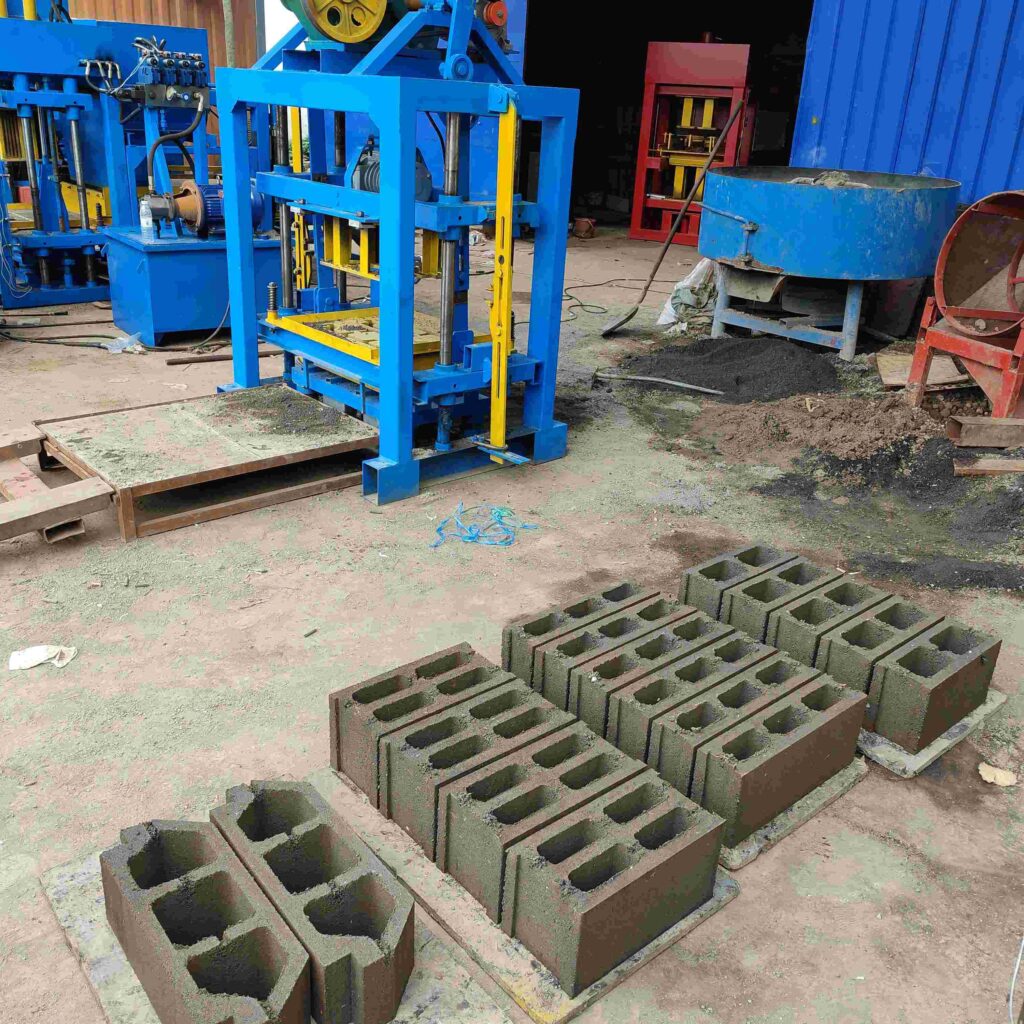
I. The Anatomy of Maintenance Costs: A Systematic Breakdown
Maintenance costs for a brick machine are not a single expense but a composite of scheduled upkeep, reactive repairs, and operational consumables. A clear categorization is essential for accurate budgeting.
A. Scheduled Preventive Maintenance (PM)
This is the cornerstone of cost-effective machine management, involving planned interventions to prevent failures.
- Labor for Scheduled Service: The cost of skilled technicians’ time to perform routine checks, adjustments, and part replacements according to the manufacturer’s schedule. This can be an in-house employee or a contracted service.
- Consumables for PM: Items replaced at regular intervals regardless of visible wear, including:
- Hydraulic Oil and Filters: The lifeblood of the system. Regular oil changes (often every 1,000-2,000 operating hours) and filter replacements are non-negotiable to maintain pressure, prevent component wear, and dissipate heat.
- Lubricants and Greases: For bearings, guide rails, vibrator shafts, and all moving joints. Proper lubrication prevents friction-induced wear and seizure.
- المكونات الكهربائية: Contactors, relays, and sensors may be replaced on a schedule in harsh, dusty environments.
B. Wear Parts Replacement
These are components designed to degrade with use and must be replaced to maintain product quality and machine performance. Their replacement frequency is a direct function of production volume and material abrasiveness.
- Mold Liners and Wear Plates: The highest-frequency wear items. The abrasive concrete mix gradually erodes the mold’s internal surfaces, affecting block dimensions and finish. Hardened steel or chromium-plated liners last longer but cost more upfront.
- Vibration Motor Bearings and Mounts: Subject to constant high-frequency stress. Bearings may need repacking or replacement; rubber mounts degrade and lose their damping effect.
- Hydraulic System Components: Seals, O-rings, and hoses degrade over time due to pressure cycles and heat. Leaks lead to inefficiency, contamination, and potential failure.
- Pallets (Steel or Wood): Steel pallets can warp or their surfaces wear; wooden pallets splinter and break. They require repair, resurfacing, or replacement to ensure smooth block ejection and transportation.
C. Unscheduled Corrective Maintenance (Breakdown Repair)
This is the most costly and disruptive category, arising from part failures, neglect, or operational errors.
- Emergency Labor: Premium costs for urgent technician call-outs, especially outside normal hours.
- Replacement of Failed Major Components: Costs for items like hydraulic pumps or cylinders, mainframe structural repairs, electric motors, or control system (PLC) modules.
- Production Downtime Cost: While not a direct “maintenance invoice,” this is the true hidden cost. It encompasses lost revenue from halted production, idle labor wages, and potential penalty costs for delayed client orders. Preventing this through PM is the ultimate goal.
D. Indirect and Support Costs
- Inventory Holding Cost: The capital tied up in a spare parts inventory, along with storage space and management.
- Training Costs: Investment in training operators to perform basic checks and lubrication, which prevents neglect-induced failures.
- Diagnostic Tools and Equipment: Calibrated gauges for hydraulic pressure, vibration analysis tools, or thermal cameras for electrical inspections.
II. Primary Drivers of Maintenance Expenditure
The annual maintenance budget is not fixed; it is influenced by several key variables that distributors and clients must analyze.
A. Machine Design and Build Quality
- جودة المكونات Machines built with commercial-grade bearings, certified hydraulic components, and heavy-duty structural steel inherently have longer service intervals and lower failure rates. The initial investment premium pays dividends in reduced maintenance costs.
- Ease of Access and Serviceability: A well-designed machine allows for easy access to lubrication points, hydraulic banks, and vibration units. Difficult access increases labor time for even simple tasks, raising costs.
B. Operational Environment and Practices
- Production Volume and Intensity: A machine running 24/7 will consume wear parts far faster than one operating a single shift. Maintenance schedules must be volume-based, not just time-based.
- Raw Material Abrasiveness: The use of hard, sharp aggregates accelerates mold and mixer wear significantly compared to smoother, rounded sand.
- Operator Competence and Care: Untrained operators who overload the machine, ignore strange noises, or skip daily lubrication are a primary cause of accelerated wear and catastrophic failure. Proper training is a maintenance cost-saving measure.
- Environmental Conditions: Exposure to dust, moisture, and extreme temperatures accelerates corrosion and wear on electrical and mechanical components.
C. Maintenance Philosophy and Discipline
- Proactive vs. Reactive Approach: A disciplined, calendar- and meter-based PM program, as outlined in the machine manual, is far less expensive than a “run-to-failure” model. The cost of a filter is negligible compared to the cost of a failed hydraulic pump.
- Quality of Spare Parts: Using genuine or high-quality OEM-equivalent parts ensures fit, function, and longevity. Counterfeit or substandard parts often fail prematurely, causing collateral damage and repeating the repair cycle.
III. Strategic Cost Management and the Role of the Distributor
For B2B stakeholders, the conversation about maintenance must be proactive and strategic, positioning your organization as a partner in cost control.
A. Providing Transparent Total Cost of Ownership (TCO) Models
During the sales process, move beyond the machine price. Provide clients with a projected 5-year TCO model that includes:
- Estimated annual cost of scheduled PM consumables.
- Expected lifespan and replacement cost of key wear parts (mold liners, pallets) based on typical production volumes.
- Labor cost estimates for routine service.
This builds trust and demonstrates a long-term partnership mindset.
B. Developing Tailored Service and Support Packages
Offer structured maintenance solutions that provide cost certainty and operational peace of mind.
- Scheduled Maintenance Contracts: Annual contracts covering planned PM visits, labor, and standard consumables. This helps clients budget accurately and ensures the machine receives expert care.
- Spare Parts Kits and Bundles: Offer “Starter Kits” and “Annual Wear Part Kits” containing the most common replacement items, often at a bundled discount. This simplifies procurement for the client and ensures they have parts on hand.
- Remote Monitoring and Diagnostics (for advanced machines): Offer services that use machine data to predict maintenance needs, moving from scheduled to predictive maintenance, which is the most efficient model.
C. Empowering Clients Through Knowledge
- تدريب شامل للمشغلين: Ensure clients understand daily, weekly, and monthly checklists. An informed operator is the first line of defense against costly repairs.
- Provide Clear Maintenance Manuals and Logs: Supply digital and physical logs to track service history, which is invaluable for diagnosing recurring issues and maintaining machine resale value.
IV. Quantifying the Investment in Maintenance
It is essential to frame maintenance not as a pure cost, but as a strategic investment with a clear return.
- ROI of Preventive Maintenance: Calculate the avoided cost of a single major breakdown (downtime + emergency repair) versus the annual PM cost. The ROI is almost always profoundly positive.
- Impact on Machine Resale Value: A meticulously maintained machine with a full service history commands a significantly higher resale price, recouping a portion of the maintenance investment.
- Quality and Consistency: Proper maintenance ensures the machine consistently produces blocks within specification, eliminating waste from rejected batches and protecting the brand’s reputation.
خاتمة
The cost of maintaining a brick making machine is a defining factor in the economic equation of block production. It is a variable largely within the control of the owner, influenced by their choice of equipment, operational discipline, and partnership with their distributor. For the B2B professional, mastery of this topic transforms the relationship from a transactional supplier to an indispensable operational consultant.
By proactively addressing maintenance costs—through transparent TCO modeling, tailored service packages, and client education—you directly contribute to your client’s bottom-line profitability and operational resilience. You demonstrate that your commitment extends far beyond the point of sale, into the daily success of their enterprise. In an industry where uptime is revenue, the distributor who provides the framework for predictable, controlled maintenance costs doesn’t just sell a machine; they sell the key to its profitable and productive life.
الأسئلة الشائعة (FAQ)
Q1: What is a typical annual maintenance cost as a percentage of the machine’s original purchase price?
أ: A common industry rule of thumb for well-maintained, medium-duty equipment is 2% to 5% of the original purchase price per year. This covers scheduled PM and expected wear parts. However, this varies widely. A simple manual machine might be at the lower end, while a complex, high-volume automatic plant with intensive use could see costs of 5-7% or more. The first year is often lower, while years 3-5 may see higher costs as wear parts reach their lifecycle end.
Q2: Is it more cost-effective to hire a dedicated maintenance technician or outsource to the distributor?
أ: The optimal choice depends on scale and expertise. Outsourcing to the distributor or a specialized service company is often more cost-effective for SMEs. It provides access to specialized expertise and tools without the fixed salary overhead. It also ensures maintenance is performed to the manufacturer’s standard. A dedicated in-house technician becomes economical for large plants with multiple machines, where the constant workload justifies the salary and the need for immediate, on-site response is critical.
Q3: How can we predict when major components will fail to budget for their replacement?
أ: Implement a condition-based monitoring program. Track operating hours, monitor hydraulic fluid cleanliness and temperature, log vibration levels, and listen for unusual sounds. Many failures give warning signs. Furthermore, maintain a mandatory replacement schedule for critical components based on the manufacturer’s recommended service life (e.g., “replace hydraulic hoses every 5 years regardless of appearance”). This proactive approach replaces budgeting for surprises with planned capital expenditure.
Q4: Do more expensive machines necessarily have lower maintenance costs?
A: Generally, yes, but not universally. Machines with a higher initial cost often incorporate more durable components (better bearings, thicker steel, higher-grade hydraulics), leading to longer service intervals and greater reliability. However, it is crucial to verify that the cost and availability of spare parts are reasonable. A premium machine with exotic, proprietary parts that are expensive and slow to source can still lead to high effective maintenance costs and lengthy downtime.
Q5: What is the single most important daily maintenance task to prevent costly repairs?
أ: The most critical daily ritual is the pre-start inspection and lubrication. This involves checking hydraulic fluid levels, looking for leaks, ensuring all lubrication points are greased, and verifying that bolts and nuts are tight. This 10-minute routine can prevent 90% of catastrophic failures caused by neglect, such as a bearing running dry and seizing or a hydraulic pump running on low oil. Consistent daily care is the highest-return maintenance activity.