
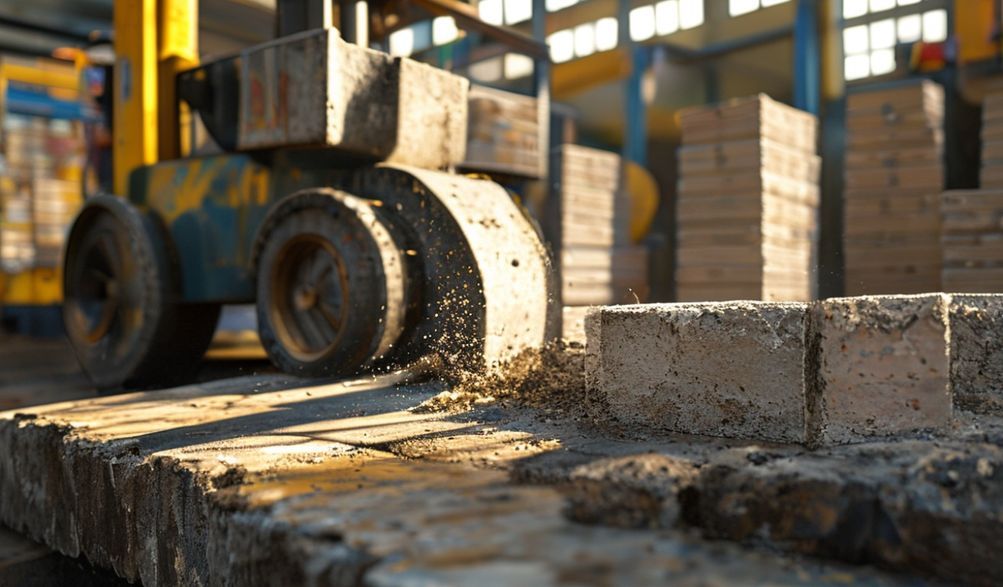
دليلك الشامل لآلات صنع البلوك الخرساني المجوف في الفلبين (2026)
مقدمة
تخيل هذا: أنت مقاول في بامبانجا، وجدول مشروعك السكني أصبح ضيقًا لأن مورد الطوب يتأخر مرة أخرى. أو ربما أنت رائد أعمال في سيبو، تشاهد التدفق المستمر للمباني الجديدة وتفكر: "يجب أن تكون هناك فرصة مربحة في توريد هذه المواد الأساسية." في جميع أنحاء الفلبين، من مشاريع البنية التحتية الضخمة لـ "بناء، بناء، بناء" إلى الهمس الثابت للتطوير السكني الإقليمي، فإن الطلب على مواد البناء عالية الجودة وبأسعار معقولة لا يتوقف.
هنا حيث تأتي أهمية السيطرة على سلسلة التوريد الخاصة بك—أو بدء مشروع مربحتجارةتصبح فكرة قوية. الاستثمار في آلة صنع الطوب المجوف الخاص بك هو أكثر من مجرد شراء معدات؛ إنها خطوة استراتيجية نحو الاستقلال، والتحكم في الجودة، والنمو المالي. لكن التنقل في السوق يمكن أن يكون شاقًا. كيف تختار الآلة المناسبة؟ ما هو الاستثمار الحقيقي؟ كيف تضمن بقاءها في مناخ الفلبين؟
هذا الدليل الشامل مصمم ليكون خارطة طريقك الخبيرة. بالاعتماد على المعرفة العميقة بصناعة البناء المحلية، سنقدم نصائح عملية موثوقة. ستكتسب فهمًا واضحًا لأنواع الآلات والتكاليف والموردين المحليين وأفضل الممارسات التشغيلية المصممة خصيصًا للفلبين. هدفنا هو تجهيزك بالمعرفة اللازمة لاتخاذ قرار استثماري واثق وبناء مشروع ناجح، لبنة عالية الجودة في كل مرة.
فهم آلات الطوب الخرساني المجوف: أنواعها وتشغيلها
قبل الاستثمار، من الضروري أن تفهم ما تشتريه وكيف يحول المواد الخام إلى لبنات بناء الأمة.
كيف تعمل آلة صنع البلوك المجوف؟ (العملية الأساسية)
تكمن سحر آلة صنع الكتل في قدرتها على أتمتة وتحسين عملية بسيطة. إليك تفصيل لذلك:
- خلط:النسب الصحيحة للأسمنت والرمل (عادةًرمل الفلبينوالحصى (باتوهانيتم خلط الأسمنت والرمل والحصى (أو الحجر المسحوق) مع الماء لتشكيل خليط خرساني شبه جاف. الاتساق هو المفتاح—إذا كان رطبًا جدًا، فلن يحتفظ الطوب بشكله.
- صبيتم تغذية هذا الخليط في صندوق القالب (يُسمى أيضًا منصة القالب) الذي يشكل البلوك، مما يخلق النوى المجوفة المميزة.
- الدمك والاهتزاز:هذا هو جوهر العملية. محرك اهتزاز قوي، غالباً ما يُدمج مع الضغط الهيدروليكي، يضغط الخليط بإحكام داخل القالب. هذا يزيل الجيوب الهوائية ويضمن كثافة وقوة الطابوق.
- الطرد (التجريد):يتم دفع الكتلة المُشكَّلة حديثًا خارج القالب على سطح مستوٍ، مثل منصة فولاذية أو أرضية المصنع.
- التداويالكتل ليست قوية بعد. يجب أن تظل رطبة وتُترك لتتصلب لمدة لا تقل عن 7-14 يومًا للوصول إلى قوة الضغط المطلوبة. المعالجة السليمة أمر لا غنى عنه للجودة.
أنواع الآلات المتاحة في السوق الفلبينية
يقدم السوق الفلبيني مجموعة من الآلات المناسبة لكل نطاق تشغيلي وميزانية.
آلات البلوك اليدوية
- الأفضل لـ:المبتدئين، المشاريع الصغيرة جداً، أو الإنتاج القائم على المجتمع.
- العملية: Entirely human-powered. The operator manually fills the mold, engages a lever to compress the mix, and then releases the block.
- الإخراج: Low, typically 300-800 blocks per 8-hour shift, depending on worker stamina.
- العمل High. Requires physical effort and multiple workers for meaningful output.
- نطاق السعر: PHP 15,000 to PHP 60,000.
- Local Insight: Common in rural areas for personal use or very small sari-sari store-scale supply. Durability can be an issue with cheaper, thin-gauge steel models.
آلات صناعة الطوب شبه الأوتوماتيكية
- الأفضل لـ: Small to medium-sized enterprises (SMEs), most profitable for dedicated block-making businesses.
- العملية: The machine uses an electric motor to power the vibration and compaction. Operators manually feed the mix and remove finished blocks, but the core strength-forming process is automated.
- الإخراج: Good to high. Can produce 1,500 to 4,000+ blocks per 8-hour shift, depending on model and crew size.
- العمل Moderate. Requires 2-4 persons for efficient operation (feeding, removing blocks, handling pallets).
- نطاق السعر: PHP 100,000 to PHP 800,000.
- Local Insight: This is the “sweet spot” for most Filipino entrepreneurs. It offers an excellent balance between affordability, output, and block consistency. Look for models with a strong vibration table and durable mold frames.
آلات صناعة البلوك الآلية بالكامل
- الأفضل لـ: Large-scale commercial plants supplying big developers, cities, or export markets.
- العملية: Computer-controlled or PLC-operated. Features automatic material feeding, molding, compaction, block ejection, stacking, and even pallet return systems. Minimal human intervention is needed.
- الإخراج: Very high. Can produce 8,000 to 20,000+ blocks per 8-hour shift.
- العملمنخفض. بشكل أساسي للإشراف والصيانة ومراقبة الجودة.
- نطاق السعر: PHP 1.5 Million to PHP 10+ Million.
- Local Insight: A major capital investment. Requires a significant and steady market, reliable three-phase power supply, and a large, covered space. After-sales support from the supplier is absolutely critical.
الهواتف المحمولة مقابل الآلات الثابتة
- آلات تصنيع الكتل المتنقلة: Mounted on a trailer. Perfect for on-site production for large construction projects (e.g., a new subdivision in Bulacan). Eliminates transport costs for blocks but requires moving the machine and setting up raw material supply at each site.
- الآلات الثابتة: Set up in a fixed location (a fabrica or plant). Ideal for a supply business serving multiple clients from a central point. Allows for optimized workflow, curing yards, and storage.
Key Benefits of Investing in a Block Making Machine in the Philippines
Beyond the obvious, here’s why this investment makes profound sense in the local context.
Cost Efficiency and Material Control
- Slash Per-Unit Cost: By producing in-house, you remove the middleman’s margin. Your cost becomes raw materials + labor + utilities + depreciation.
- End Supplier Dependence: No more price hikes or delivery delays from external suppliers. You control your own project timeline.
- ضمان الجودة: You select the cement brand and source your aggregates. This ensures every block meets your strength standard, preventing issues with substandard materials that can plague local construction.
Business Opportunity and Income Generation
This is a proven pangkabuhayan. With a semi-automatic machine, you can:
* Supply local hardware stores (hardineras).
* Contract with nearby construction firms and home builders.
* Fulfill government or LGU projects for school buildings or barangay facilities.
* The demand for hollow blocks is consistent and tied to perpetual development.
Supporting Local Construction and Development
Your investment does more than generate income. It:
* Creates local jobs (machine operators, helpers, drivers).
* Keeps capital within the community.
* Directly contributes to the nation’s physical progress by providing a fundamental building material reliably and affordably.
Critical Factors Before You Buy: A Buyer’s Checklist
Don’t buy on impulse. Use this checklist to make a smart, informed decision.
تقييم احتياجات الإنتاج والميزانية
- الطلب في السوق: Who will you sell to? How many blocks per day do they need?
- حساب الإخراج Match the machine’s “blocks per hour” rating to an 8-hour shift, accounting for breaks and setup. Don’t buy excessive capacity you can’t use.
- الميزانية الإجمالية: Factor in ALL costs:
- Machine + Concrete Mixer
- Land rental or space preparation (a leveled, solid foundation is a must)
- Initial stockpile of cement, sand, and gravel
- Utility connections (three-phase power may be needed for larger models)
- Labor costs for at least the first 3 months
Machine Specifications to Scrutinize
When talking to suppliers, ask for the technical sheet and discuss these specs:
* القدرة الإنتاجية: The “blocks per hour” claim. Ask if this is under ideal lab conditions or realistic operation.
* أحجام الكتل: Ensure it can produce the standard sizes: 4″, 5″, and 6″ hollow blocks. Can it also produce paving stones or curbs for diversification?
* قوة المحرك: Measured in HP or kW. More power generally means better compaction for stronger blocks.
* وقت الدورة: How many seconds to produce one block? Faster cycle = higher potential output.
* وزن الآلة Heavier machines are often more robust and stable during high-vibration operation.
Evaluating Quality and Durability for the Philippine Climate
The humid, tropical environment is tough on machinery. Inspect:
* Steel Thickness & Quality: The frame and mold should be made from thick, reinforced steel plates. Tap it—it should feel solid, not tinny.
* الحماية من التآكل: Look for high-quality paint or, better yet, powder coating. Critical components should be galvanized or made from stainless steel where possible.
* نظام الاهتزاز: The vibration motor(s) are the core of the machine. Ask about the brand, power, and how they are mounted. A poorly mounted motor will fail quickly.
* Seals and Bearings: Check that moving parts are well-protected from concrete dust and moisture.
Navigating the Philippine Market: Suppliers, Costs, and Logistics
This is where local knowledge is priceless.
Where to Find Reliable Suppliers and Manufacturers
- Key Hubs: Major suppliers are clustered in Metro Manila (particularly Valenzuela and Quezon City), CebuوDavao. There are also reputable regional dealers in Pampanga, Laguna, and Iloilo.
- Types of Sellers:
- Local Manufacturers: Some Philippine companies assemble machines using local and imported parts.
- Authorized Importers/Distributors: They bring in machines from China, India, or Europe and provide local support.
- Trust Signals: Always verify. Ask for business permits, visit their showroom/factory, and—most importantly—ask for a list of current clients you can contact. A reputable supplier will be proud to provide references.
Price Range Guide (PHP Investment)
- الآلات اليدوية: PHP 15,000 – PHP 60,000
- الآلات شبه الآلية: PHP 100,000 – PHP 800,000 (Common, good-quality entry models for SMEs start around PHP 250,000 – PHP 400,000).
- آلات أوتوماتيكية بالكامل: PHP 1.5 Million – PHP 10+ Million.
- ملاحظة: Prices vary wildly based on capacity, automation level, brand, and steel quality. The cheapest option is rarely the most cost-effective in the long run.
Logistics, Installation, and After-Sales Support
This is your deal-breaker checklist with the supplier:
* Delivery: Is it included in the price? To where? Who handles offloading?
* التثبيت والتشكيل: Will they send a technician to set it up, level it, and do a test run?
* تدريب Non-negotiable. Hands-on training for you and your operators must be part of the package.
* الضمان: What is covered (parts, labor)? For how long (e.g., 1 year)?
* توفر القطع Do they stock common wear-and-tear parts (molds, vibration motors, springs) locally? What is the lead time for ordering others?
* الدعم الفني Is there a hotline? How quickly can they respond to a breakdown?
Operating Your Machine for Success: Tips and Best Practices
Your machine is only as good as the process around it.
The Right Raw Material Mix for Philippine Standards
A common mix ratio for standard 1500-2000 PSI hollow blocks is:
* 1 part cement : 3 parts sand : 2 parts gravel (by volume).
* Use clean, well-graded aggregates. Dirty sand with silt or clay will weaken the block drastically.
* The water-cement ratio is critical. The mix should hold its shape when squeezed in your hand but crumble when poked—a “semi-dry” consistency.
* For higher strength blocks (e.g., for load-bearing walls), increase the cement ratio.
Routine Maintenance for Long Machine Life
Create a daily/weekly/monthly schedule:
* Daily: Clean all concrete residue from the mold, table, and frame. Check for loose bolts and tighten them.
* Weekly: Lubricate all moving parts (pivots, guide rods) as per the manual. Inspect the vibration motor mounts.
* Monthly: Do a thorough inspection of electrical connections, hydraulic hoses (if any), and wear parts like mold liners.
Ensuring Block Quality and Strength
- Curing is King: After molding, keep the blocks under shade (use a curing shed). Spray them with water 2-3 times a day for at least 7 days. Never let them dry out quickly under the hot sun.
- Test Your Blocks: After 7 and 28 days, you can have samples tested for compressive strength at a local engineering lab or perform simple field tests (like a drop test from waist height—a good block shouldn’t break).
- Proper Storage: Stack cured blocks neatly on a level, dry surface. Use wooden planks between layers to prevent cracking.
الأسئلة الشائعة (FAQ)
Q1: What is the total starting investment needed for a small block-making business in the Philippines?
أ: For a small-scale operation with a semi-automatic machine, prepare a total capital of approximately PHP 500,000 to PHP 1,000,000. This should cover:
* Machine & Mixer: PHP 300,000 – 500,000
* Space Preparation/Rental (3 months): PHP 30,000 – 100,000
* Initial Raw Materials (100 bags cement + aggregates): PHP 50,000 – 80,000
* Labor & Utilities (3 months buffer): PHP 50,000 – 100,000
* Contingency Fund: PHP 50,000+
Q2: How many blocks can a semi-automatic machine produce in an 8-hour shift?
أ: A realistic range is 1,500 to 3,500 pieces, depending on the model’s cycle time, crew efficiency, and block size. Producing smaller 4″ blocks is faster than 6″ blocks. A well-organized team is crucial to hitting the higher end of the range.
Q3: Is there training provided when you buy a machine?
A: Absolutely, and this is a red flag if a supplier doesn’t offer it. Reputable suppliers include 1-3 days of hands-on, on-site training for you and your operators as part of the purchase. This covers operation, basic maintenance, and mix formulation.
Q4: What are the most common problems with block machines and how do I fix them?
أ:
* Cracked Blocks: Usually caused by improper mix (too dry/too wet), insufficient vibration, or rough handling during ejection. Adjust the water content and ensure the vibration motor is working at full power.
* Blocks Sticking in Mold: The mold may be worn, damaged, or not lubricated. Apply a recommended mold release agent (like used motor oil, thinly) and inspect the mold interior for dents.
* Slow or Weak Vibration: Check the power supply (voltage drop is common). Inspect the vibration motor mounts—if they are broken, the motor isn’t transferring energy efficiently.
Q5: Where can I find a good source for affordable cement and aggregates?
أ: Build direct relationships. For aggregates, visit or contact local quarry operators in Rizal, Bulacan, or your province. Buying directly from the quarry in bulk (by truckload) is cheapest. For cement, contact authorized distributors of major brands (e.g., Holcim, Republic, Eagle) for bulk pricing, rather than buying retail from hardware stores.
خاتمة
Embarking on the journey of acquiring and operating a concrete hollow blocks making machine in the Philippines is a significant step that blends savvy entrepreneurship with tangible nation-building. We’ve walked through the essentials—from decoding the types of machines and their operations, to weighing the substantial benefits, navigating the local market with a critical eye, and mastering the practices that ensure long-term success.
The viability of this venture is underscored by the relentless demand of the Philippine construction sector. Your success hinges on thorough research, a commitment to quality, and choosing a partner-supplier who offers not just a machine, but reliable after-sales support. Use this guide as your benchmark when evaluating options.
Your Call to Action: Don’t just buy from a brochure. Visit supplier showrooms, demand live demonstrations, and speak directly to their current customers. See the machine in action and ask the hard questions about support and parts. This due diligence is your best investment.
By making informed decisions, you’re not just securing a profitable business future for yourself and your community; you’re literally laying the foundation for the country’s growth, one strong, reliable hollow block at a time.
<